What it is: a historic name, not a separate geographical indication
Wuzi Xianhao is a strip-shaped green tea from Xixiang County, Shaanxi, standardised in 1985. The county's famous-tea research group developed it under the guidance of tea scholar Chen Chuan; on 7 August 1985 it passed a technical appraisal by the Shaanxi Science and Technology Commission, and Chen Chuan, chairing the appraisal committee, named it “Wuzi Xianhao”.
Xixiang officials often describe the tea as a predecessor of Hanzhong Xianhao. More precisely, it was one of more than twenty local famous teas brought into the “Hanzhong Xianhao” system when Hanzhong began consolidating tea brands in 2005. The geographical-indication protection approved in 2007 covers “Hanzhong Xianhao”, not “Wuzi Xianhao”. This page has not found a separate geographical-indication announcement for Wuzi Xianhao.
A package bearing the name “Wuzi Xianhao” may therefore mean one of three things: a historical famous-tea name, a company's product name, or a product line sold under the Hanzhong Xianhao regional brand. It is not an independent geographical indication that can be used interchangeably with Hanzhong Xianhao.
Origin: Wuzi Mountain, Yankou and the Xixiang tea belt
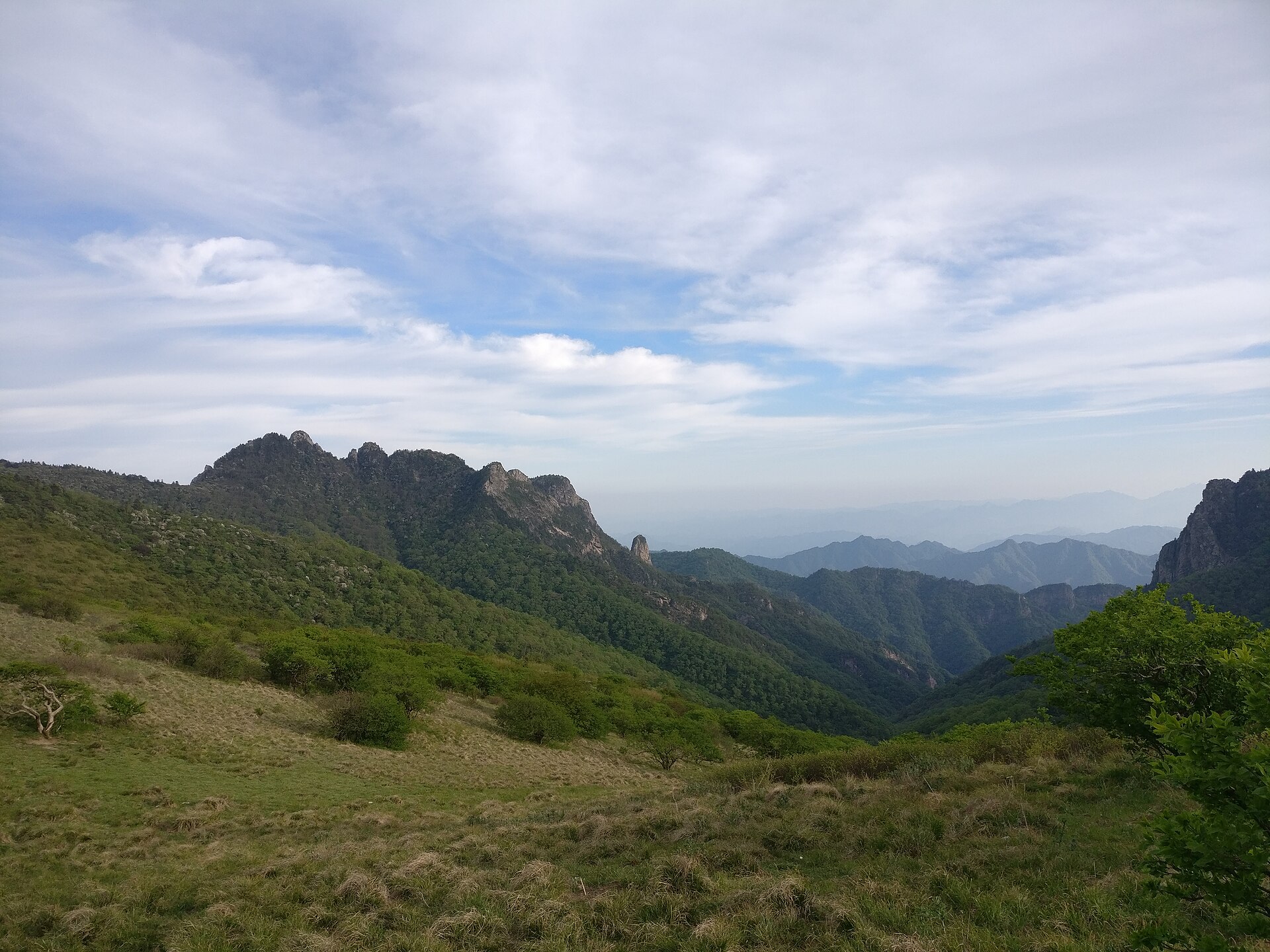
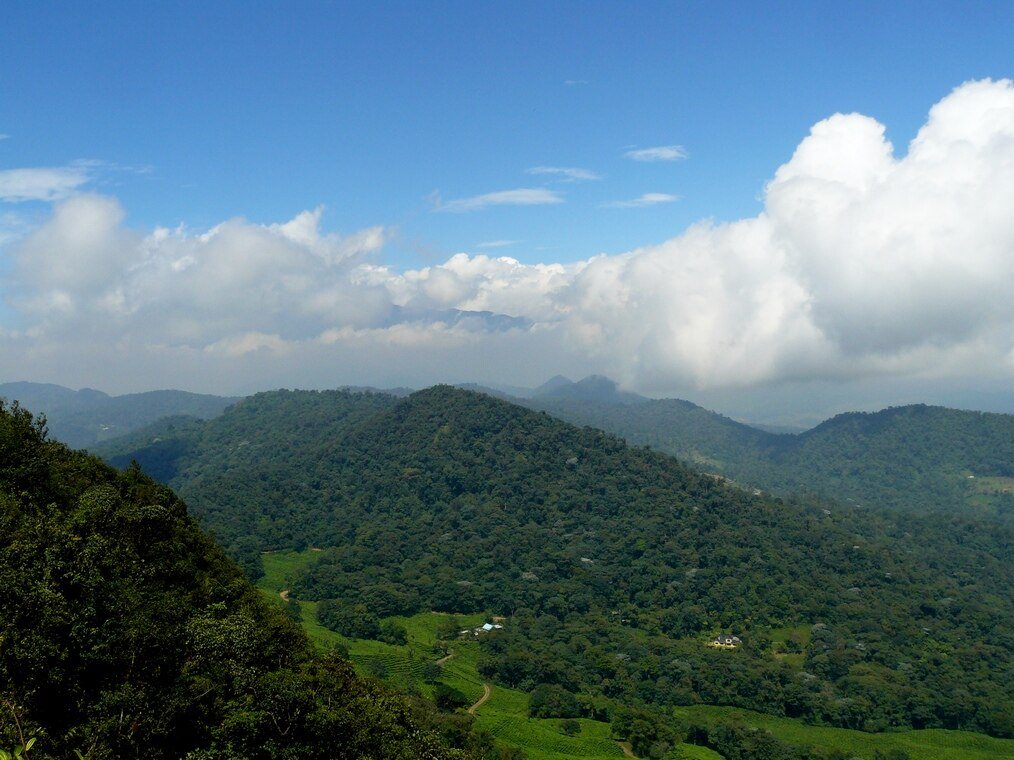
Xixiang County lies in eastern Hanzhong, at the northern foot of the Daba Mountains. Wuzi Mountain is in Yankou Township, southeast of the county seat. Its main peak is 896 m, and the scenic area covers about 27 square kilometres; the official description explicitly lists tea gardens and orchards among its components. It is a historic core of the tea landscape, not an isolated tea mountain.
The name “Wuzi” comes from the historic tea, but not every Wuzi Xianhao is grown on that one mountain. Xixiang County had 360,000 mu of tea gardens on the 2024 tea-industry basis and is one of the main origins of Hanzhong Xianhao. Local accounts usually place the historic core around Wuzi Mountain and the Yankou and Luozhen area. Treating Wuzi Xianhao as the exclusive product of one hill would misrepresent the county's tea geography.
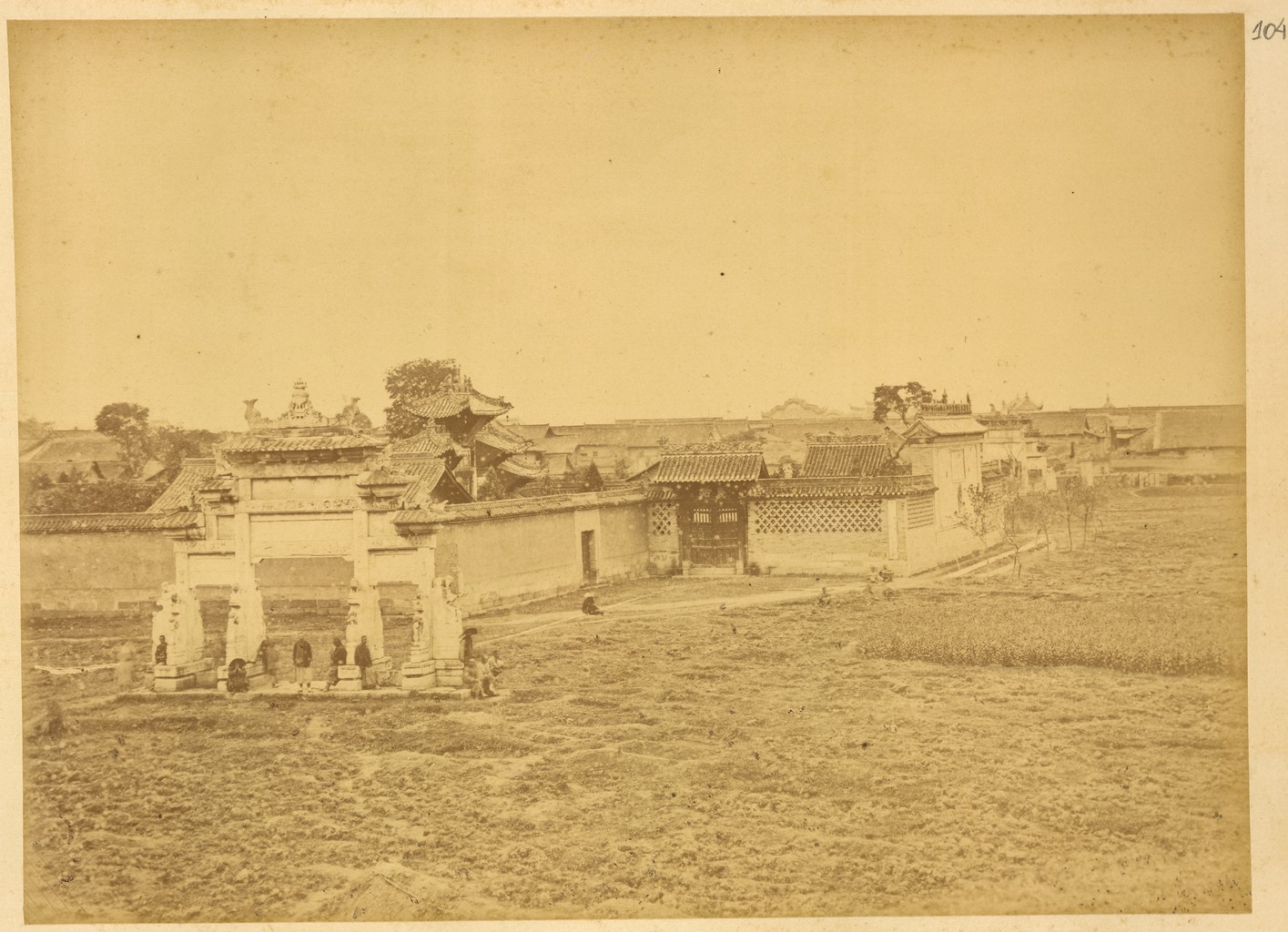
County materials say Xixiang tea began in the Qin and Han and flourished in the Tang and Song. That is a local-history narrative; it shows a long tea tradition but does not prove that the 1985 tea descends directly from Han-dynasty tribute tea. Local sources often give a garden elevation of 800–1,100 m, but the county's public materials do not provide one official elevation table. This page therefore gives only the 896 m peak of Wuzi Mountain and does not turn a single elevation range into an entry requirement for all gardens.
Making and naming: 7 August 1985
On 7 August 1985, the tea developed in Xixiang passed a technical appraisal by the Shaanxi Science and Technology Commission. Chen Chuan, chair of the appraisal committee, named it “Wuzi Xianhao”. Before that, the sample had been provisionally called “Wuzi Haofeng”.
The Hanzhong local-chronicles account fills in the process: Chen Chuan first judged the Xixiang sample “not yet at famous-tea level” and suggested improvements. Xixiang then formed a famous-tea research group. With Xu Kaiming and others involved, it changed the original pan-fired process to a flat-shaped famous-green-tea process, ran trials at Shahou, Luozhen, Sishang and Wuliba, and sent samples to Chen Chuan at Anhui Agricultural College for evaluation. In August 1985 an appraisal meeting accepted the sample and formally named it “Wuzi Xianhao”.
In the naming year, the tea was named a provincial outstanding famous tea by the Shaanxi agriculture department. In 1986, at the Ministry of Commerce national famous-tea appraisal in Fuzhou, it was named both a ministry-level outstanding product and a national famous tea. These are the early awards used on this page. Later claims about a 1990s re-appraisal, green-food certification and a provincial famous-brand title appear in later local material, but this page has not found an official notice for each item, so they are not part of the main timeline.
Processing: baked and pan-fired, not simply “baked” or “all hand-made”
Local sources classify Wuzi Xianhao as a strip-shaped green tea made by a combination of baking and pan-firing. It is not a purely baked green tea, and it is not wholly hand-made: the early development changed a pan-fired process into a flat-shaped famous-green-tea process, and later production combined fixing, shaping, baking and sorting.
Sources differ on the number of steps: some say six, some seven, eight or nine. The common core is spreading, fixing, airing or cooling, rolling, shaping, raising the white hairs, baking and sorting. Shaping gives the leaf a slight flatness compared with ordinary strips; raising the hairs makes the white tips visible; baking sets the aroma and brings the leaf to a safe moisture level.
Plucking standards are usually given as one bud with one leaf initially opened, or one bud with one or two leaves. A single-bud pick can make a higher grade, but it is not the only standard. This page does not give fixed pan temperatures, leaf loads or moisture curves, because the sources and companies do not agree on them; transplanting Longjing's pan temperatures and carding parameters onto Wuzi Xianhao would be misleading.
Quality: tender green, visible white hairs, clean and fresh
Traditional local descriptions of Wuzi Xianhao are: tender green with visible white hairs, bud-like and slightly flat; the single-bud “treasure” grade is upright, full and covered with silver hairs; the aroma is clean and persistent; the taste is fresh, mellow and sweet after swallowing; the liquor is clear and bright; the infused leaves are tender, even and green.
These are traditional sensory descriptions, not a laboratory report for a particular batch. Year, garden, plucking grade and processing all change the result, so it is unsafe to make “bean aroma”, “chestnut aroma” or “floral aroma” a fixed standard. Local material also gives one-off measurements for amino acids, tea polyphenols and water extract, but a single measurement cannot represent every batch, so this page does not repeat the numbers.
Brand timeline: from a local famous tea to Hanzhong Xianhao
| Date | Event | Verifiable basis |
|---|---|---|
| 7 August 1985 | Technical appraisal and naming | The Xixiang tea passed a technical appraisal by the Shaanxi Science and Technology Commission; Chen Chuan, chairing the committee, named it “Wuzi Xianhao”. |
| 1985 | Provincial outstanding famous tea | In the naming year it was named a provincial outstanding famous tea by the Shaanxi agriculture department. |
| 1986 | Ministry of Commerce national famous tea | At the Ministry of Commerce national famous-tea appraisal in Fuzhou it was named a ministry-level outstanding product and a national famous tea. |
| 2005 | Hanzhong begins brand consolidation | Hanzhong brought Wuzi Xianhao, Dingjun Mingmei, Ningqiang Queshe, Hanshui Yinsuo, Qinba Wuhao and more than twenty other brands into “Hanzhong Xianhao”. |
| 2007 | Hanzhong Xianhao geographical indication | AQSIQ approved geographical-indication product protection for “Hanzhong Xianhao”; the protected name is Hanzhong Xianhao, not Wuzi Xianhao. |
| 2024 | Xixiang tea-industry scale | Tea-industry basis: 360,000 mu of tea gardens, 20,100 tonnes of dry maocha and CNY 2.946 billion in output value; Xixiang was selected as a 2024 national key tea county. |
The 2005 consolidation did not “abolish” Wuzi Xianhao; it placed the local famous tea inside a city-level regional public brand. Xixiang officials still use “predecessor of Hanzhong Xianhao” to explain that history. Institutionally, the product name, geographical indication and standard used in the market after consolidation belong to Hanzhong Xianhao. A company may still use “Wuzi” as a trademark or product name, but a company brand is not the geographical indication itself.
Two sets of 2024 figures: 360,000 mu and 343,500 mu are not the same account
| Source | 2024 tea-garden area | 2024 tea output | Notes |
|---|---|---|---|
| Hanzhong Municipal Government / Hanzhong Daily, 9 December 2024 | 360,000 mu | 20,100 tonnes of dry maocha | Tea-industry basis; dry-maocha output value CNY 2.946 billion; area equal to 12.8% of the provincial total and 29.4% of the Hanzhong total; 315 enterprises, 70 clean-processing lines, 70,000 households and more than 260,000 people in tea, average annual tea income above CNY 15,000 per household; 3,100 tonnes exported, of which 400 tonnes self-operated. |
| Xixiang 2024 statistical communiqué, 10 October 2025 | 343,500 mu (+1.2%) | 16,780 tonnes (+5.7%) | Statistical-communiqué basis; refined-tea output 5,997.9 tonnes (+36.4%). |
Both sets of figures come from Xixiang public materials, but they describe different reporting objects and dates. The tea-industry basis follows the agriculture department's scheduling, dry maocha and the wider industry chain; the statistical communiqué follows statistical returns for tea-garden area, tea output and refined-tea output. They cannot be added together or substituted for one another. When citing them, say “tea-industry basis” or “statistical-communiqué basis”; do not present 360,000 mu and 343,500 mu as two versions of the same number.
Xixiang's 2024 selection as a “national key tea county (formerly top 100)” by the China Tea Marketing Association is an industry assessment. It is not a geographical-indication certification, and it is not a grade certificate for a particular Wuzi Xianhao product.
Buying and brewing boundaries
When buying “Wuzi Xianhao”, first read the product name and producer. If the name is only a company product name, this page cannot vouch for it; check the product standard, grade, production date, origin and inspection information. If the package also says “Hanzhong Xianhao”, check the geographical-indication rules for that brand: the geographical-indication mark, product standard GB/T 14456.1-2008 and grading standard DB6107/T01.13-2016.
For brewing, a local recommendation is a glass, 3–5 g of leaf to 200 ml of water at about 85°C, with a one-minute rinse before filling. This is a drinking suggestion, not a mandatory standard. The buds and young leaves are tender; boiling water poured directly onto them can cook the leaf and flatten both aroma and freshness.
“Selenium-rich” and “zinc-rich” are regional promotion points for the Xixiang tea area, not proof that every batch of Wuzi Xianhao has been certified for selenium content. Look for an inspection report or product label, and do not make a nutrient content claim the only reason to buy. This page makes no claims about lowering blood lipids, weight loss, cancer prevention or other health effects, and does not apply the “golden flowers” microbial story of Fu brick tea to a green tea.
Source boundaries
This page can confirm: Wuzi Xianhao passed a technical appraisal by the Shaanxi Science and Technology Commission on 7 August 1985 and was named by Chen Chuan; it received a provincial outstanding famous-tea award in 1985 and a Ministry of Commerce national famous-tea award in 1986; Hanzhong began tea-brand consolidation in 2005, and Hanzhong Xianhao received geographical-indication protection in 2007; Xixiang's 2024 tea-industry basis is 360,000 mu, 20,100 tonnes and CNY 2.946 billion, while the statistical communiqué gives 343,500 mu and 16,780 tonnes; Wuzi Mountain's main peak is 896 m and the scenic area is about 27 square kilometres.
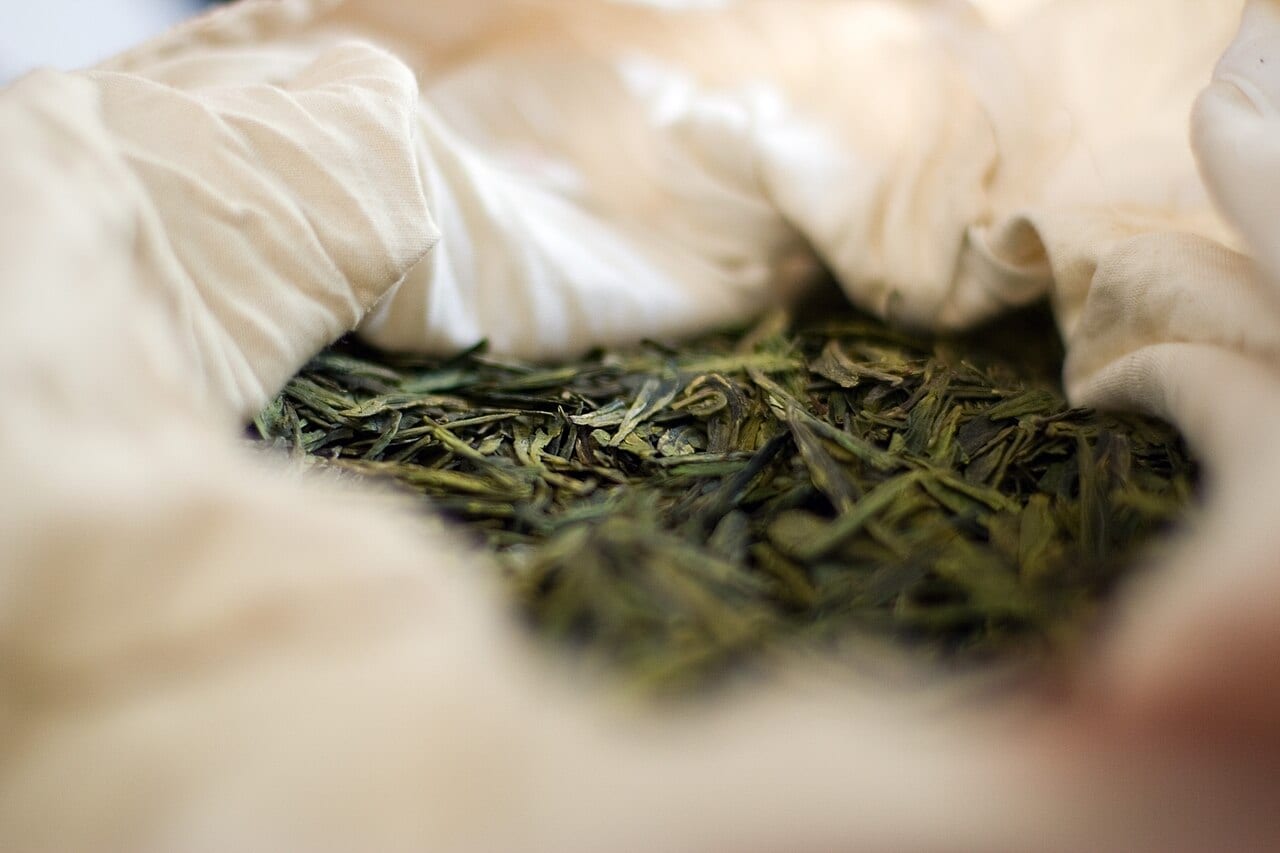
This page does not confirm: that Wuzi Xianhao is a separate geographical indication; a direct descent from Han-dynasty tribute tea to the 1985 creation; the specific tribute system behind Tang “Xixiang Yutuan”; the amino-acid, tea-polyphenol or selenium content of every batch; or any health benefit. The page image is a Longjing type reference, not a photograph of a Xixiang Wuzi Xianhao product.