Scope
Shaanxi is long from north to south, with the Qinling range running across its middle. Tea gardens are concentrated in Hanzhong, Ankang and Shangluo, south of the Qinling. The Guanzhong plain around Jingyang and Xianyang is a Fu-brick processing zone, not a tea-growing area. According to provincial production monitoring, by the end of 2024 Shaanxi had 3.0137 million mu of tea gardens, produced 147,000 tonnes of tea, and recorded RMB 28.082 billion in primary output value and RMB 44 billion in tea sales; Fu tea accounted for 11,900 tonnes and RMB 3.222 billion. The 2024 statistical communiqué uses an "actual tea garden" basis of 2.4749 million mu and 115,300 tonnes. The two figures describe different statistical objects and cannot replace each other. By the end of 2025 the province had 3.0172 million mu of tea gardens, and the composite output value of the tea industry passed RMB 100 billion. At the end of the 14th Five-Year Plan, output including Fu tea was above 150,000 tonnes and primary output value was RMB 29.801 billion; green, dark (hei, including Fu) and black (hong) tea accounted for 72.46%, 14.02% and 11.91% respectively. In 2024 Shaanxi exported 1,998.99 tonnes of tea worth USD 11.5092 million.
Geography and terroir
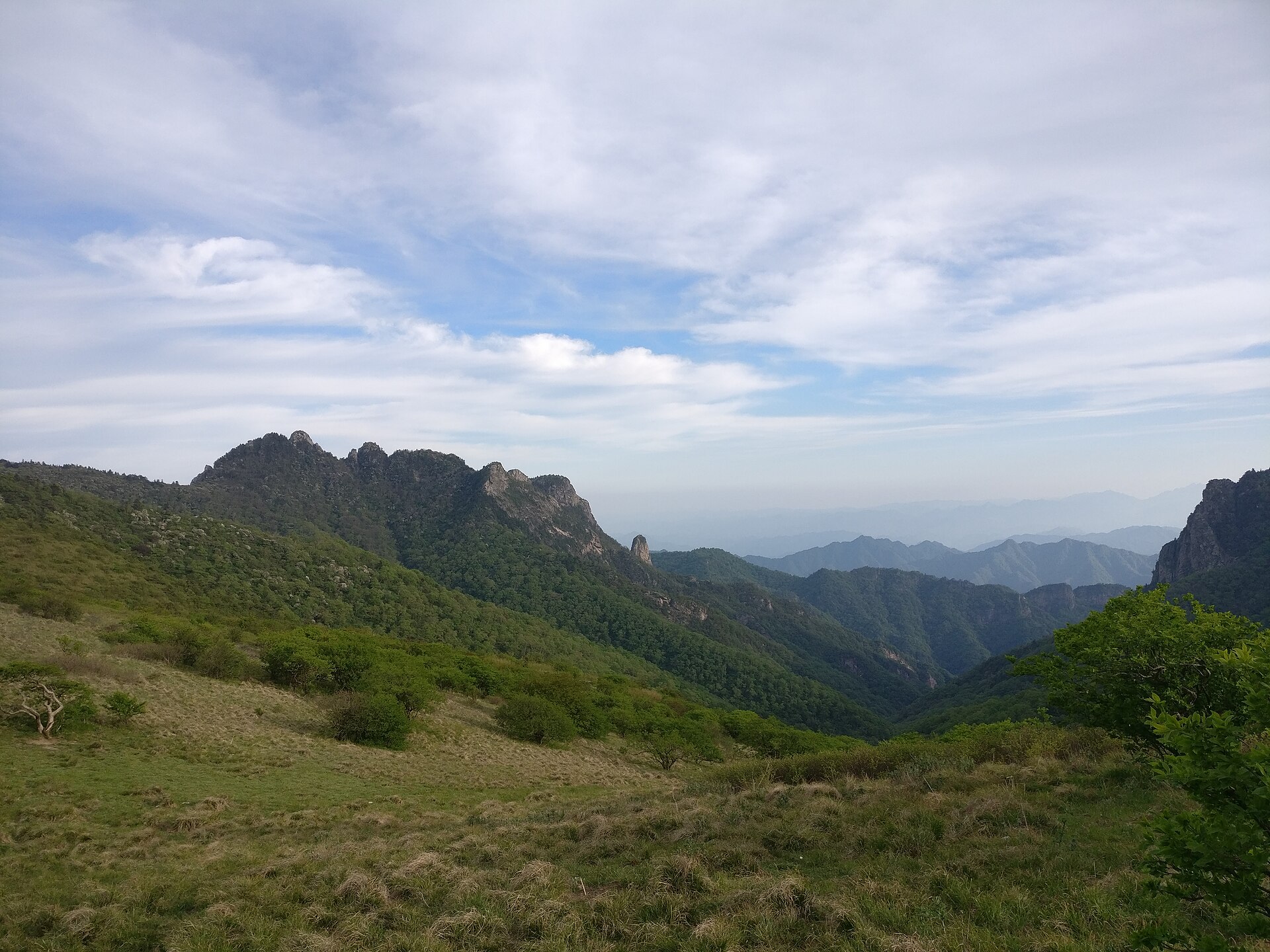
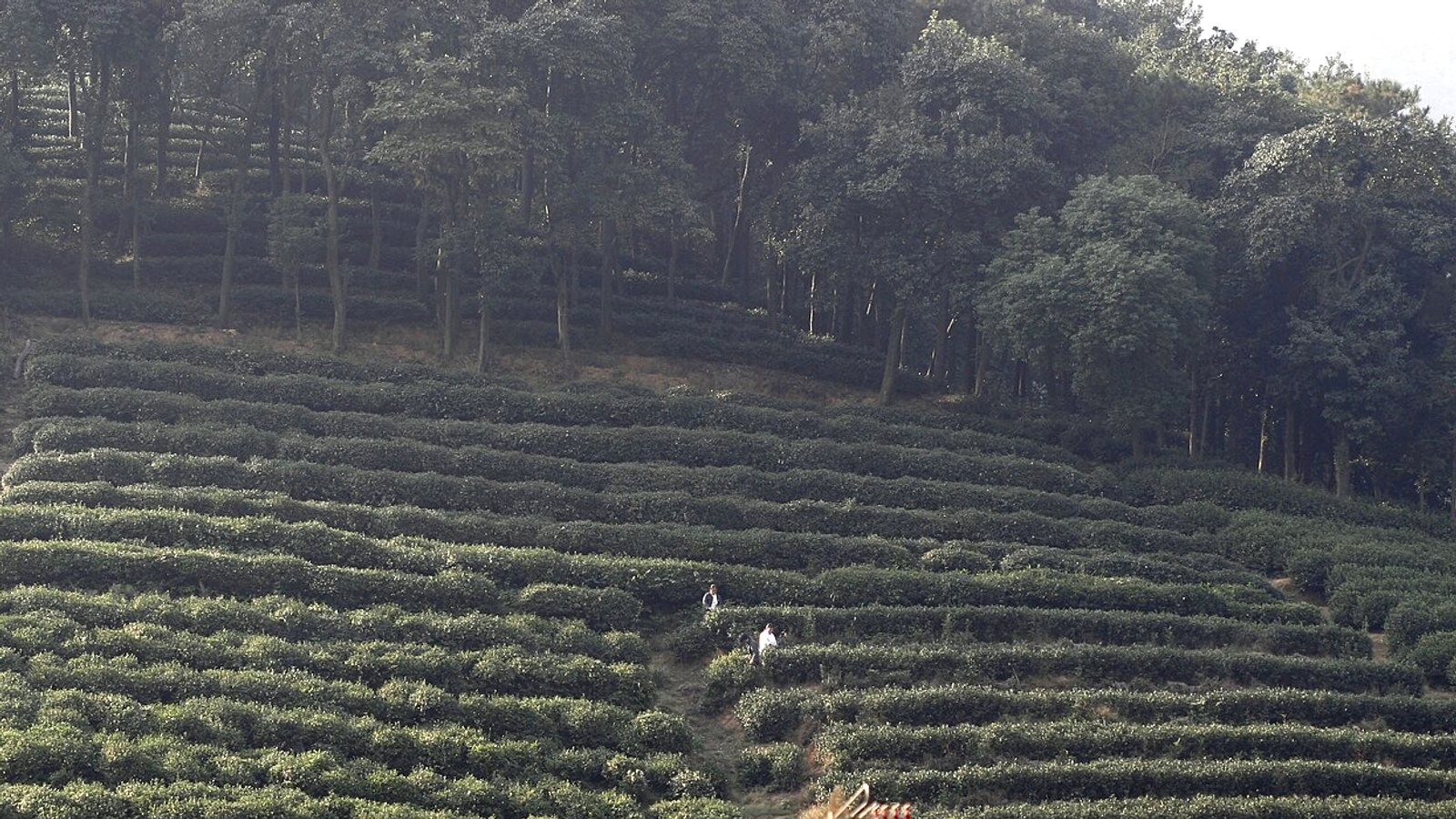
Shaanxi's tea districts sit at the northern edge of tea cultivation in China, mainly on the south slope of the Qinling in the Han River basin. The Hanzhong basin, the Ankang river valleys and the Shangluo mountains are three different landforms: Hanzhong is lower, with basins and hills and moisture from the Han River and its tributaries; Ankang is steep and deeply dissected, with strong differences in aspect and elevation around Ziyang and Pingli; Shangluo lies on the south slope of the eastern Qinling, with gardens in the mountains of Shangnan, Shanyang and Zhen'an. The climate is transitional from northern subtropical to warm temperate, with slow spring warming, large day-night temperature differences, frequent mountain cloud and soils based on yellow-brown earths; some areas are selenium- and zinc-rich. The Hanzhong Xianhao geographical-indication notice sets site conditions of 600–1,400 m elevation, pH 4.5–6.5 and at least 80 cm of soil. Those are entry conditions for the protected area, not measurements from every garden. Jingyang in Guanzhong is low and flat; tea bushes cannot overwinter there, and Fu brick tea relies on black maocha brought in from southern Shaanxi, Hunan and Sichuan.
Main tea districts
- Hanzhong (Xixiang, Nanzheng, Mianxian, Ningqiang, Chenggu, Zhenba): the largest district by area and output. Hanzhong Xianhao, Xixiang Wuzi Xianhao, Hanzhong Maojian, Hanzhong Chaoqing and Hanzhong Red form its green and black tea lines. In 2024 the city had 1.324 million mu of tea gardens, 71,000 tonnes of tea and RMB 11.07 billion in dried-maocha output value; its area and output are each about half the provincial total.
- Ankang (Ziyang, Pingli, Hanbin, Langao, Baihe, Hanyin): a mountain district on the upper Han River. Ziyang selenium-rich tea, Ziyang Maojian, Pingli Nüwa tea and Pingli Jiaogulan are its best-known names. By 2025 the city had 1.12 million mu of tea gardens, 58,000 tonnes of tea and RMB 34 billion in composite output value.
- Shangluo (Shangnan, Shanyang, Zhen'an): a high-mountain district on the south slope of the eastern Qinling, organised under the "Qinling Quanming" regional public brand across green, black, white and yellow tea. In 2024 it had 620,000 mu of tea gardens, 438,000 mu harvestable, 12,500 tonnes of tea and RMB 2.571 billion in primary output value.
- Xianyang–Jingyang (Fu tea processing): Jingyang is the traditional centre for Fu brick tea. The raw material is black maocha from southern Shaanxi, Hunan and Sichuan. Jingyang Fu brick tea received geographical-indication product protection in 2013, and "Xianyang Fu tea making technique" entered the fifth national intangible cultural heritage list in 2021.
Tea types and processing
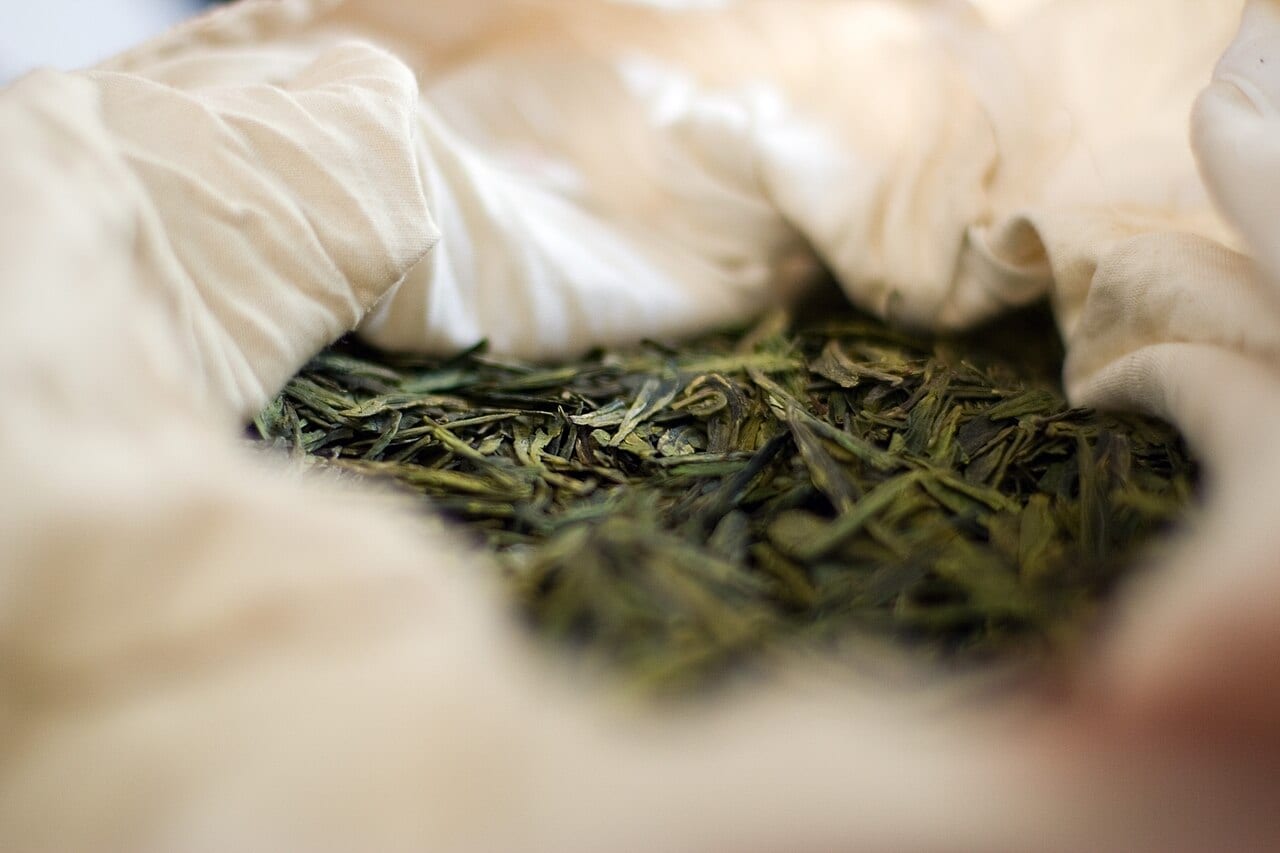
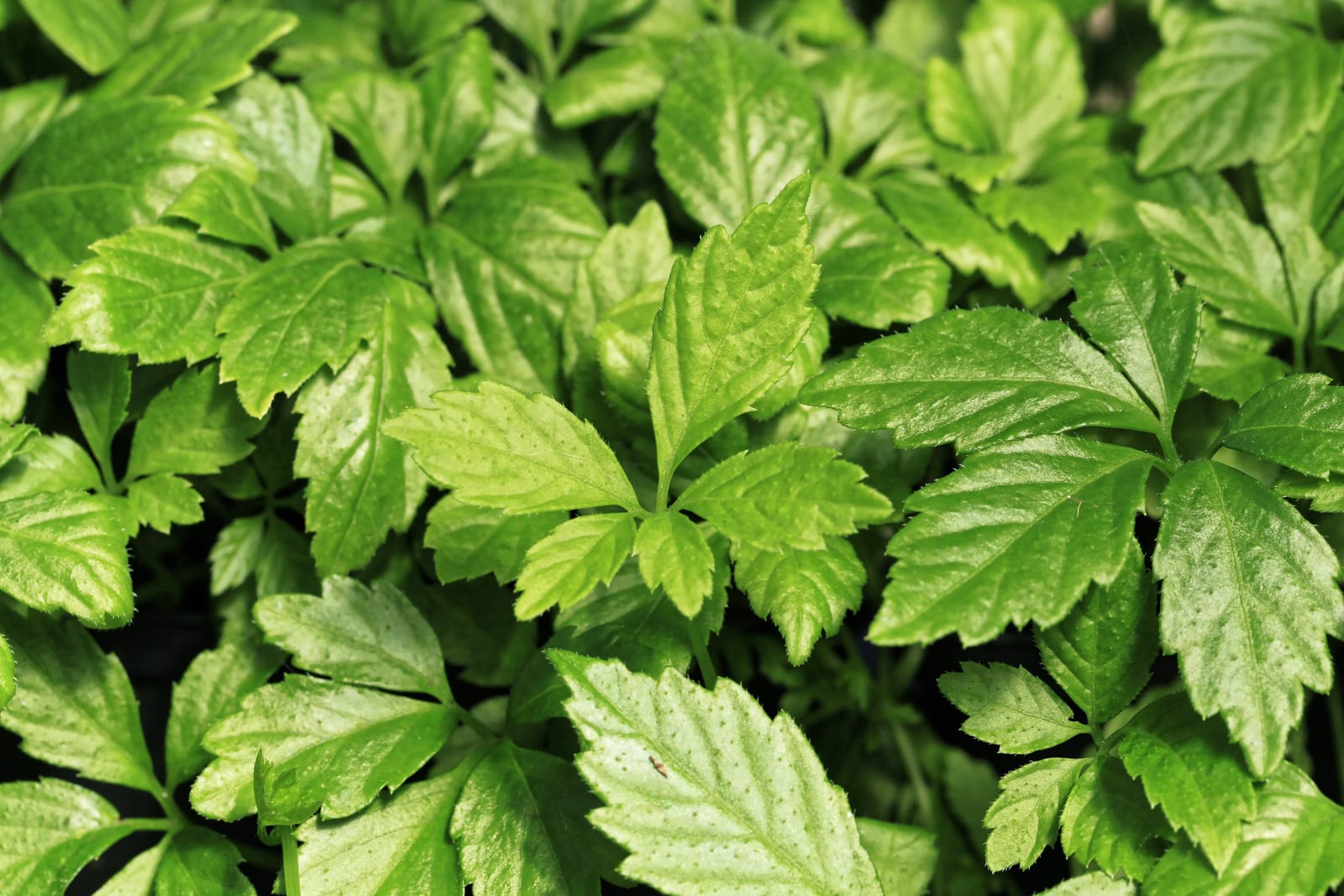
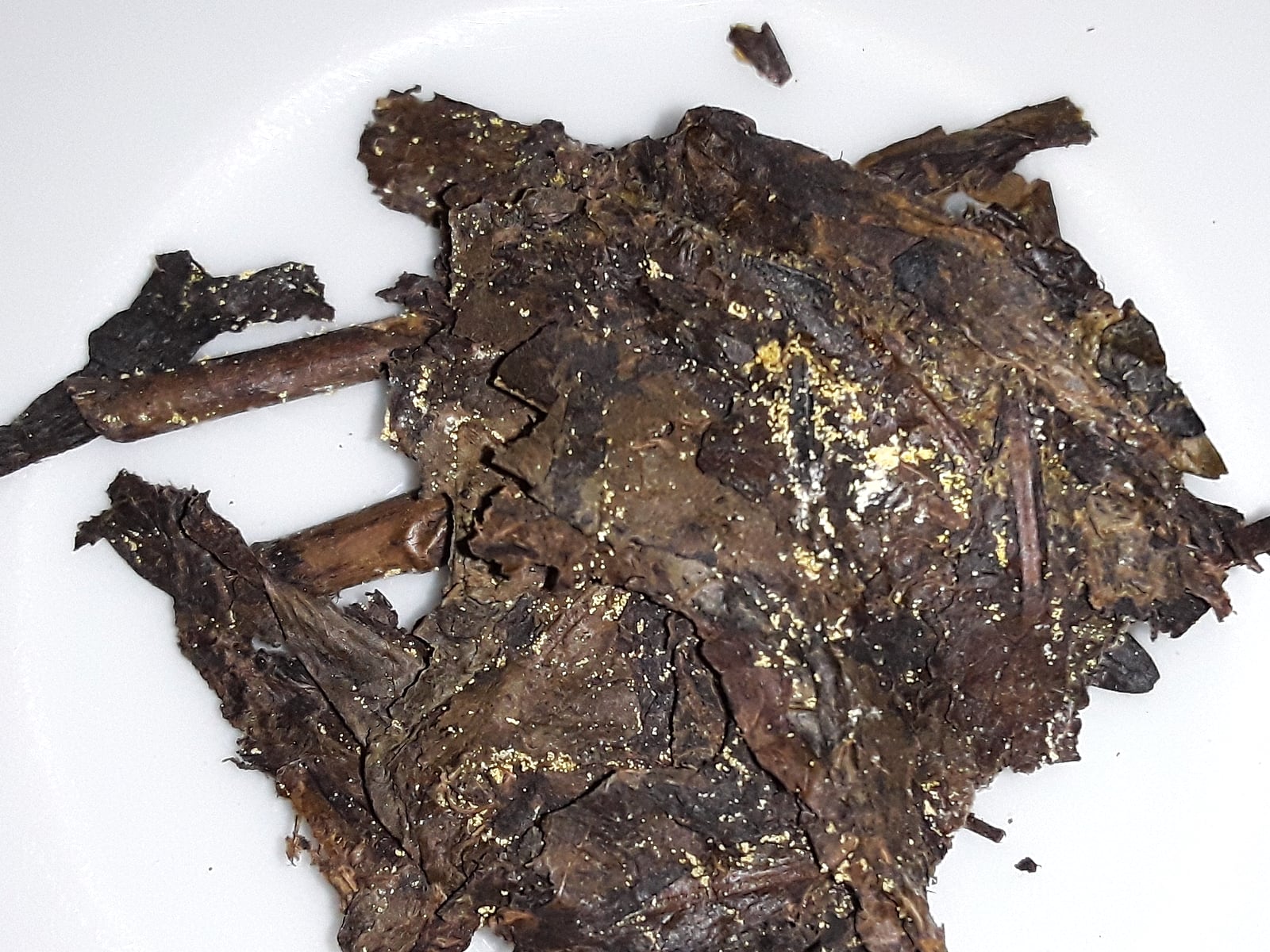
Shaanxi is predominantly a green-tea province, followed by dark tea (heicha, including Fu tea) and black tea (hongcha). The leading greens are Hanzhong Xianhao, Ziyang Maojian and Xixiang Wuzi Xianhao. Hanzhong Xianhao follows the seven-step geographical-indication process of spreading, fixing, carding, shaping, whitening, drying and sorting; machine fixing, carding and shaping coexist with hand whitening. Ziyang Maojian is made by spreading, fixing, shaping, baking or pan-firing the base, forming, final drying with aroma development, and sorting. Black tea is made by withering, rolling, fermentation and drying; Hanzhong Red and Ankang selenium-rich black tea are the main products. The dark-tea representative is Jingyang Fu brick: black maocha is screened, blended, pile-fermented, steamed and pressed (or pan-fired), flowered and dried. The "golden flowers" are the golden cleistothecia of the fungus Aspergillus cristatus (冠突散囊菌) growing under controlled temperature and humidity; they do not appear in every dark tea. Pingli Jiaogulan is a cucurbit vine processed in a green-tea-like style as an herbal infusion; it is not a Camellia sinensis tea.
History and market
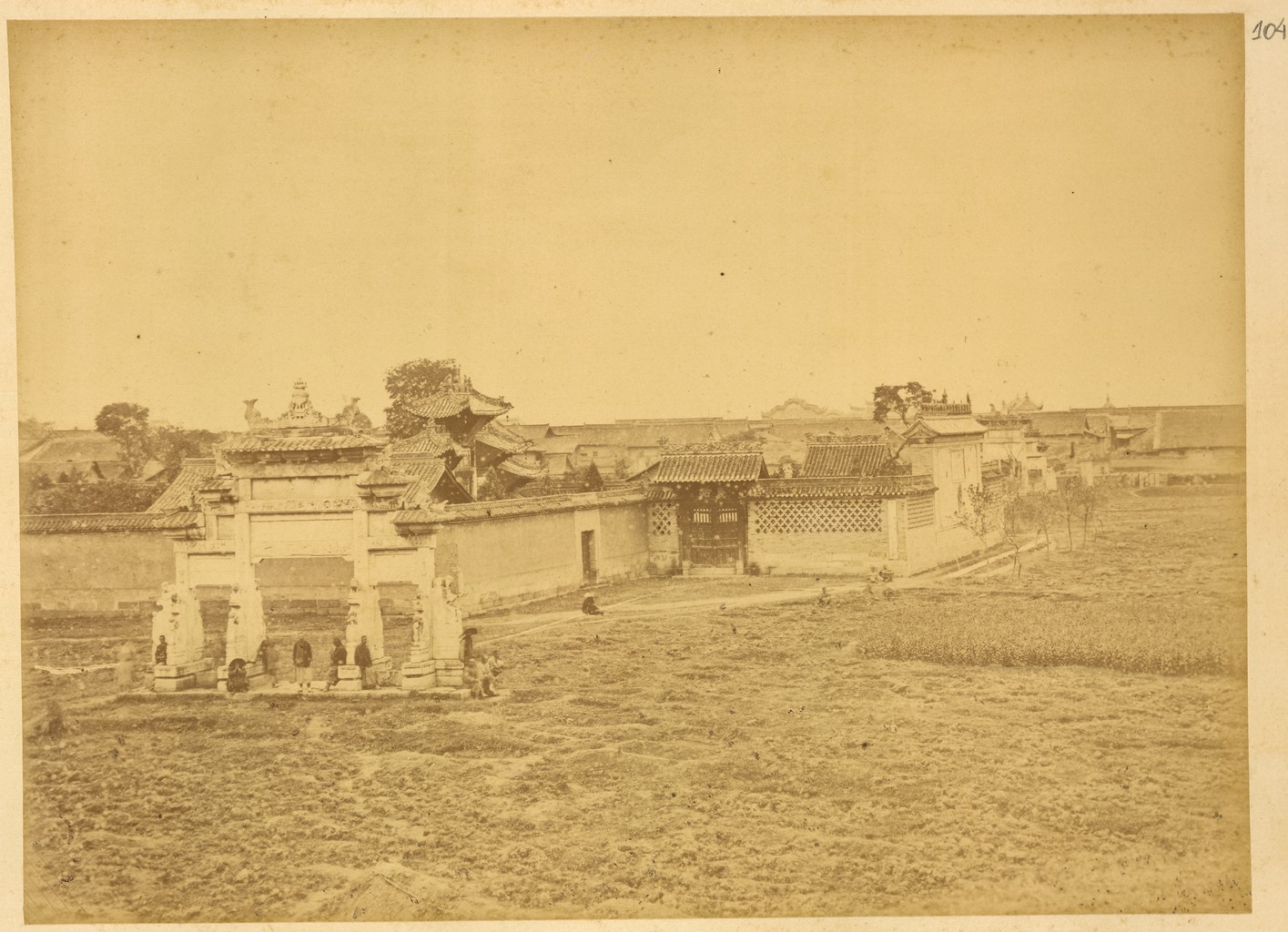
Shaanxi tea history is often summarised as "beginning in the Shang and Zhou, rising in the Qin and Han, flourishing in the Tang and Song, and booming in the Ming and Qing". The Tang tea set excavated in 1987 from the Famen Temple crypt in Fufeng, and the roughly 2,100-year-old tea remains found in 1998 at the Hanyangling tomb complex near Xi'an, are important material evidence. The Song History records "Hanzhong buys tea, Xihe exchanges horses"; Hanzhong became a major tea-horse market and tea entrepôt. Jingyang in Guanzhong was a transit and processing point for tea moving from south to northwest; Fu brick tea was finished and flowered there before being sold along the Silk Road and northwest routes. In the modern market, Hanzhong Xianhao's brand value was RMB 5.098 billion in 2025 and Ankang selenium-rich tea's was RMB 5.223 billion; Hanzhong Xianhao, Ankang selenium-rich tea, Hanzhong Red and Jingyang Fu tea together were valued at RMB 14.086 billion. Hanzhong Xianhao produced 1,675 tonnes worth RMB 1.98 billion in 2024. Prefecture, provincial and county figures come from different statistical dates; the areas of Hanzhong, Ankang and Shangluo should not simply be added together to represent the provincial total.
Common misconceptions
- Shaanxi is not only high-mountain green tea. Green tea is about seventy percent of output; dark tea (including Fu) and black tea together are about a quarter, and white and yellow tea are also made in small quantities.
- Guanzhong is not a commercial tea-growing area. Jingyang and Xianyang are Fu-tea processing areas; fresh leaf is not produced there. Calling Jingyang Fu tea a Guanzhong garden dark tea is inaccurate.
- Fu brick raw material need not come from Shaanxi. The geographical-indication notice allows black maocha from southern Shaanxi, Hunan and Sichuan; Jingyang supplies the processing and flowering steps.
- "Golden flowers" are not ordinary mould. Aspergillus cristatus grows under controlled temperature and humidity; a brick that fails to flower, is contaminated or has absorbed moisture is not a normal Fu brick.
- Hanzhong Xianhao is a regional public brand, not a single company or cultivar. The 2007 geographical-indication notice divides fresh leaf into special, first and second grades and sets a seven-step process; company standards may be finer but cannot replace the notice's grades.
- Ziyang Maojian and Ziyang selenium-rich tea are not the same level of name. Ziyang selenium-rich tea is the protected product recognised in 2004; Ziyang Maojian is a separate geographical-indication certification trademark and a historic tea product of the Ziyang tea area. The two names should not be used interchangeably.
- Pingli Jiaogulan is not a tea bush. It is a cucurbit plant drunk as an herbal infusion and should be discussed separately from Camellia sinensis green, black and dark tea.
Representative teas
The working index for this page contains five entries, and all five have now passed the public threshold.
- Hanzhong Xianhao
- Xixiang Wuzi Xianhao (a historic famous tea, brought into the Hanzhong Xianhao regional brand)
- Ziyang Maojian (a historic famous tea with its own GI certification trademark)
- Pingli Jiaogulan (an herbal infusion, not a green tea)
- Shaanxi Fu brick tea (a post-fermented dark tea, with its core processing tradition in Jingyang)
Reading and sources
The provincial statistics, district divisions and historical information on this page come from the sources below. Definitions, grades and processing for individual teas are governed by their own entries.
- Shaanxi Provincial People's Government: the four industrial chains of vegetables, tea, edible fungi and medicinal herbs reached RMB 321.1 billion in 2024
- Shaanxi Provincial Department of Agriculture and Rural Affairs: reply on supporting leading tea enterprises
- Shaanxi 2024 National Economic and Social Development Statistical Communiqué
- Shaanxi Provincial People's Government: Shaanxi tea's composite output value passes RMB 100 billion
- Shaanxi Provincial People's Government: Shaanxi tea buyers' tour of the tea districts
- Shaanxi Provincial Department of Agriculture and Rural Affairs: 14th Five-Year Plan for fruit, vegetable and tea industries
- Hanzhong Municipal People's Government: Hanzhong Xianhao enters the top 30 Chinese tea regional public brand culture index
- Shaanxi Provincial Intellectual Property Office: Hanzhong Xianhao geographical-indication demonstration zone passes on-site review
- Ankang Municipal People's Congress Standing Committee: reply on selenium-rich tea and konjac industries
- Shangluo Municipal Bureau of Agriculture and Rural Affairs: reply on accelerating the Shangluo tea industry
- Xianyang Municipal People's Government: Xianyang Fu tea making technique enters the fifth national intangible cultural heritage list
- AQSIQ: announcement on geographical-indication protection for Jingyang Fu brick tea (2013 No. 137)
- Shaanxi Provincial People's Government: press conference on developing the tea industry and specialty agricultural brands
- AQSIQ: announcement on geographical-indication protection for Hanzhong Xianhao (2007 No. 178)
- AQSIQ: announcement on origin protection for Ziyang selenium-rich tea (2004 No. 164)