What Yame gyokuro is
Yame gyokuro is gyokuro made in the Yame region of Fukuoka Prefecture. Gyokuro is not a cultivar; it is a class of shade-grown green tea. Before picking, the bushes are covered to block direct sunlight, so the new shoots grow in low light, accumulate more theanine and produce less astringency. The result is a tea with deep umami and a rounded sweetness.
The core Yame gyokuro districts are the mountain areas of Yame City: Kuroki, Kamitsuyo and Hoshino. Fukuoka is one of Japan’s main gyokuro regions, and Yame is its most representative part. “Yame gyokuro” is a place-plus-style name, not a single grade; cultivar, shading method, picking standard and processing can all differ.
Yame Dento Hon Gyokuro: a narrower name
Yame Dento Hon Gyokuro is narrower than Yame gyokuro. It received Japanese Geographical Indication (GI) protection in 2015 and comes with specific requirements: natural bush training, rice-straw canopy shading, hand picking, picking at the right stage and defect-free processing. Not every Yame gyokuro is Dento Hon Gyokuro. Ordinary Yame gyokuro may use shade nets, machine picking or different cultivars.
That distinction is useful. “Dento Hon Gyokuro” tells you to expect rice-straw shading and hand picking. “Yame gyokuro” only tells you the region and the tea class; it does not automatically imply the traditional craft.
Terroir: mountains, fog and temperature swings
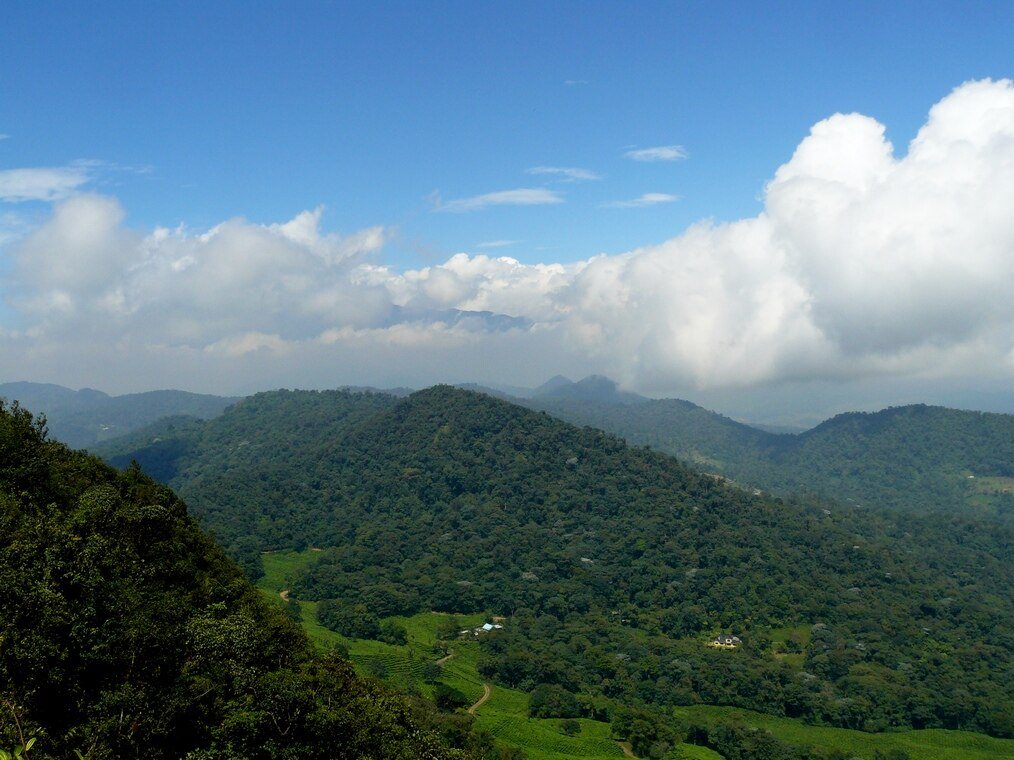
Yame’s gyokuro gardens are mostly in mid-mountain areas along the upper Yabe River and its valleys. Official descriptions emphasize abundant rainfall, strong day-night temperature swings and frequent fog. Fog softens the light and, together with artificial shading, slows shoot growth and keeps the leaves tender; cool nights help the plant build amino acids and sugars.
These conditions are not unique to Yame; Uji and other regions have similar settings. What distinguishes Yame is the local tradition and craft standard: rice-straw shading, hand picking, the GI rules for Dento Hon Gyokuro, and an industry organised around gyokuro.
Processing: shade, steam, roll, dry
- Shading: covering begins about 20 days before picking. Traditional Dento Hon Gyokuro uses rice-straw canopies; modern gardens also use shade nets. Shading is usually increased in stages rather than all at once.
- Picking: Dento Hon Gyokuro requires hand picking, typically one bud and two to three leaves. Hand picking reduces damage and allows careful selection of tenderness.
- Steaming: a short steam treatment fixes colour and flavour.
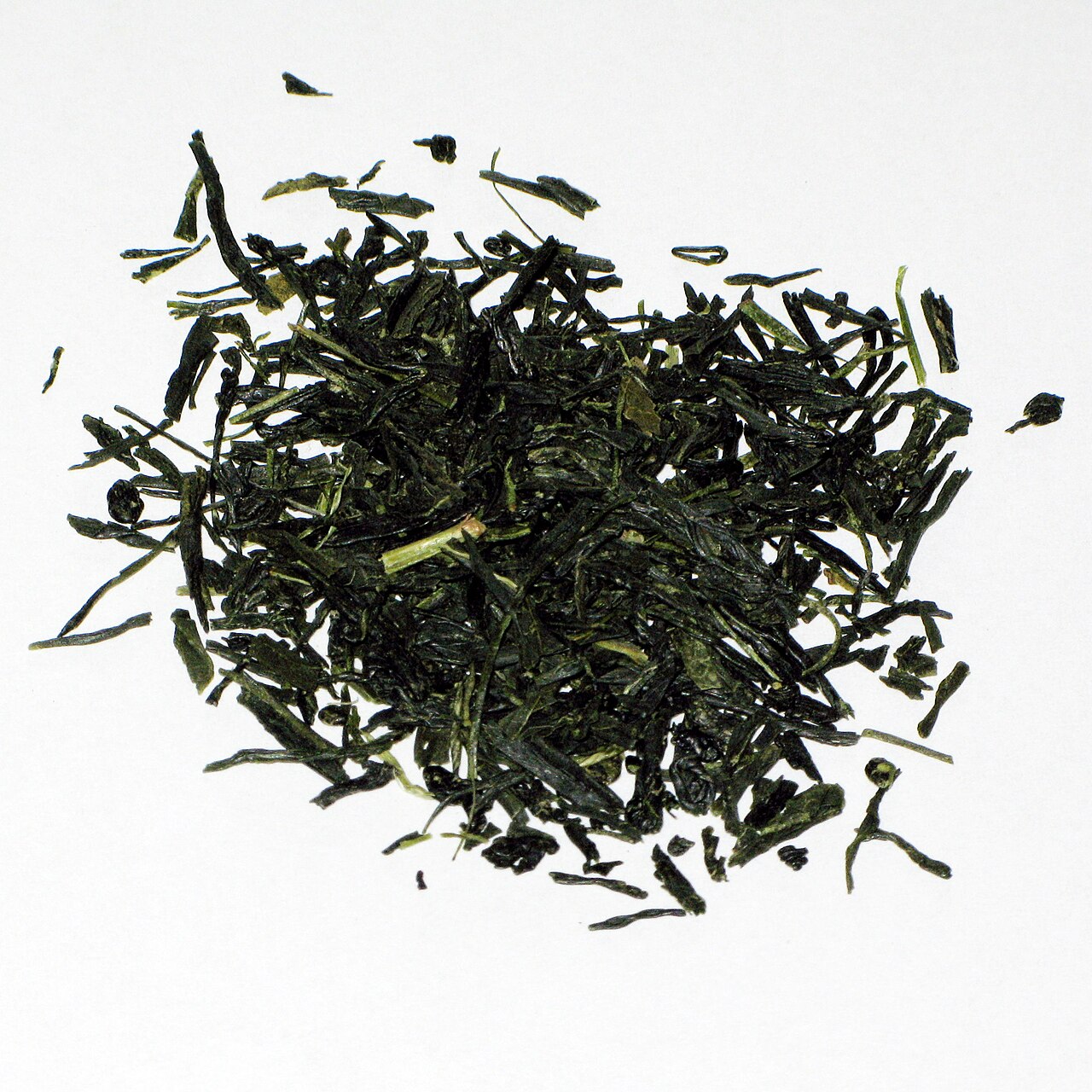
- Rolling and drying: the steamed leaf is rolled into fine needles and dried. The needle shape comes from rolling and final shaping; it is not a synonym for “hand-rolled”.
- Storage: keep the finished tea dark, cool and sealed. Gyokuro’s umami and colour decline with heat and time.
One common error needs correcting: the standard Yame gyokuro craft uses hand picking, not hand rolling. Hand-rolled tea (temomi-cha) is a separate traditional craft in which steamed leaves are dried by hand over a heated table. It is extremely low in volume and expensive; it is not the normal gyokuro process. Treating “hand-picked” as “hand-rolled” conflates two different things.
Flavour: deep umami, round sweetness, low astringency
Yame gyokuro is typically described as high in umami, round in sweetness, low in astringency and thick in texture. A good gyokuro is not “strong”; it is “dense”. The liquor feels silky, with nori, fresh leaf and a faint floral note, and the finish leaves a long sweetness.
Compared with sencha, gyokuro is sweeter and less astringent, but it is more sensitive to brewing temperature. Too hot, and bitterness and astringency overwhelm the umami; too cool, and the aroma stays flat. Official guidance for Yame Dento Hon Gyokuro is 40–45°C for 3–4 minutes; for daily drinking, start around 50°C and adjust.
Brewing
- Water: 40–50°C. Official guidance for Dento Hon Gyokuro is 40–45°C.
- Ratio: 5–6 g leaf to 100–120 ml water, or roughly 1 g per 20 ml.
- Time: 3–4 minutes for the first infusion; the second can be a little hotter and shorter.
- Vessel: a small kyusu or gaiwan with room for the leaves to open; avoid a large mug with a long steep.
- Later infusions: raise the temperature toward 60–70°C; the umami thins, but the sweetness remains.
Buying notes
- Name: Yame gyokuro is place plus tea class; Yame Dento Hon Gyokuro is the narrower GI name. They are not interchangeable.
- Craft: rice-straw shading, hand picking and natural bush training affect price and flavour. Ask which applies.
- Cultivar: common Yame cultivars include Saemidori, Okumidori, Yamakai and Yabukita. Sweetness, aroma and colour differ; do not assume a cultivar if the pack is silent.
- Freshness: gyokuro’s umami suffers from heat and light. Production date, cold chain and sealed packaging matter more than “aged” claims.
- Price: Dento Hon Gyokuro is low-volume and hand-picked, so it usually costs more. High price does not guarantee you will like it; buy a small amount first.
Timeline
| Date | Event | Note |
|---|---|---|
| 1423 | Origin story of Yame tea | Eirin Shuzui brings tea seeds and methods; treated as the regional starting point. |
| Edo period | Tea growing expands | Yame tea becomes a regional product. |
| Meiji–Taishō | Shift to steamed green tea | The modern Japanese green tea system takes hold in Yame. |
| 2015 | Yame Dento Hon Gyokuro receives GI | Rice-straw shading, hand picking and other traditional rules are protected. |
| Today | Yame gyokuro districts | Kuroki, Kamitsuyo and Hoshino remain core production areas. |
Sources and status
This page draws on the Fukuoka Prefecture feature, the Yame tea council page and the official VISIT FUKUOKA guide. The sources support the history, core districts, rice-straw shading, hand picking, the Dento Hon Gyokuro GI and the 40–45°C brewing guidance. The page treats hand rolling as a separate craft and does not present it as the standard Yame gyokuro process; it also avoids claiming that Yame is Japan’s only top gyokuro region.