First, the definition
Suoi Giang ancient tea is a place-based tea made from the old Shan Tuyet tea population around Suoi Giang in the northern Vietnamese highlands. It is not a single clonal cultivar, not a national grade and not one product.
“Shan Tuyet” is easily mistranslated as “snow white tea.” The “snow” refers to the dense white down on the buds, not to white-tea processing. Shan Tuyet is a local name for a large-leaf tea population with links to the old tea landscapes along the Vietnam–Yunnan–Laos–Myanmar border. The same leaf can be made into green, black, white or oolong tea, or pressed into cakes.
| Item | Detail |
|---|---|
| Name | Suoi Giang Ancient Tea / Suối Giàng / Shan Tuyet |
| Type | Place-based ancient-tree tea, not a single cultivar or grade |
| Location | Suoi Giang, Van Chan, Lao Cai; historically Yen Bai |
| Altitude | About 1,300–1,400 m |
| Old trees | About 40,000 trees, mostly 100–300 years; 400 recognized heritage trees |
| Main products | Green tea is the main category, plus black, white, oolong and pressed cakes |
| Processing | Hand-picking, withering, pan-firing, rolling, sun-drying or baking |
Where it is, and what changed
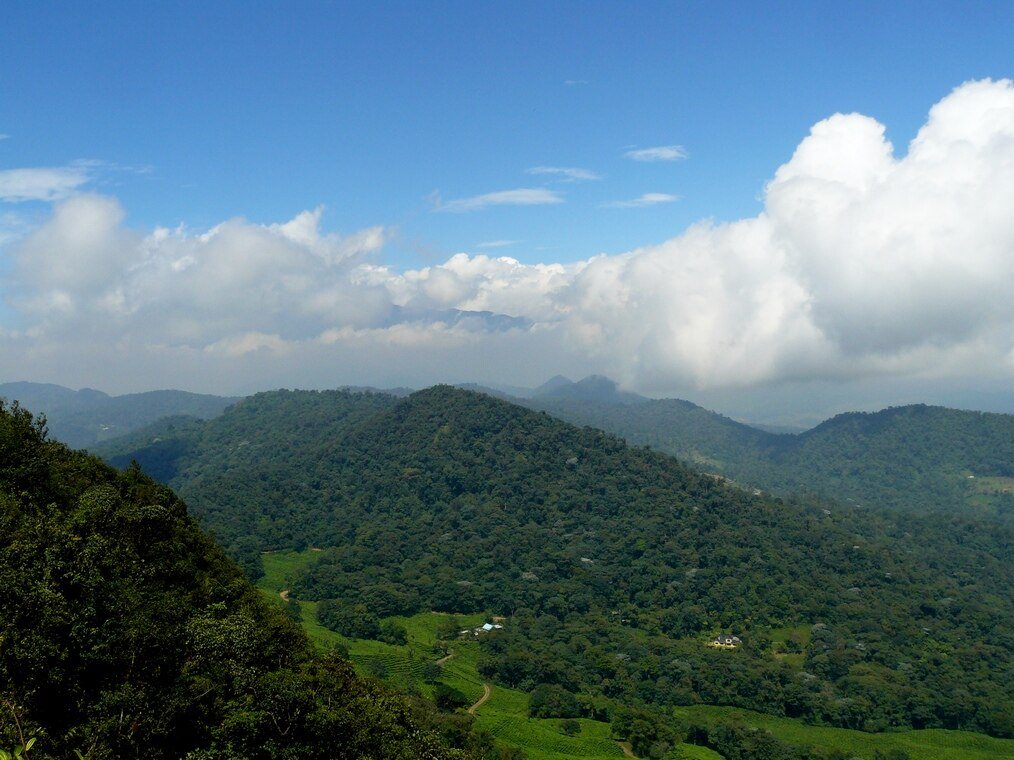
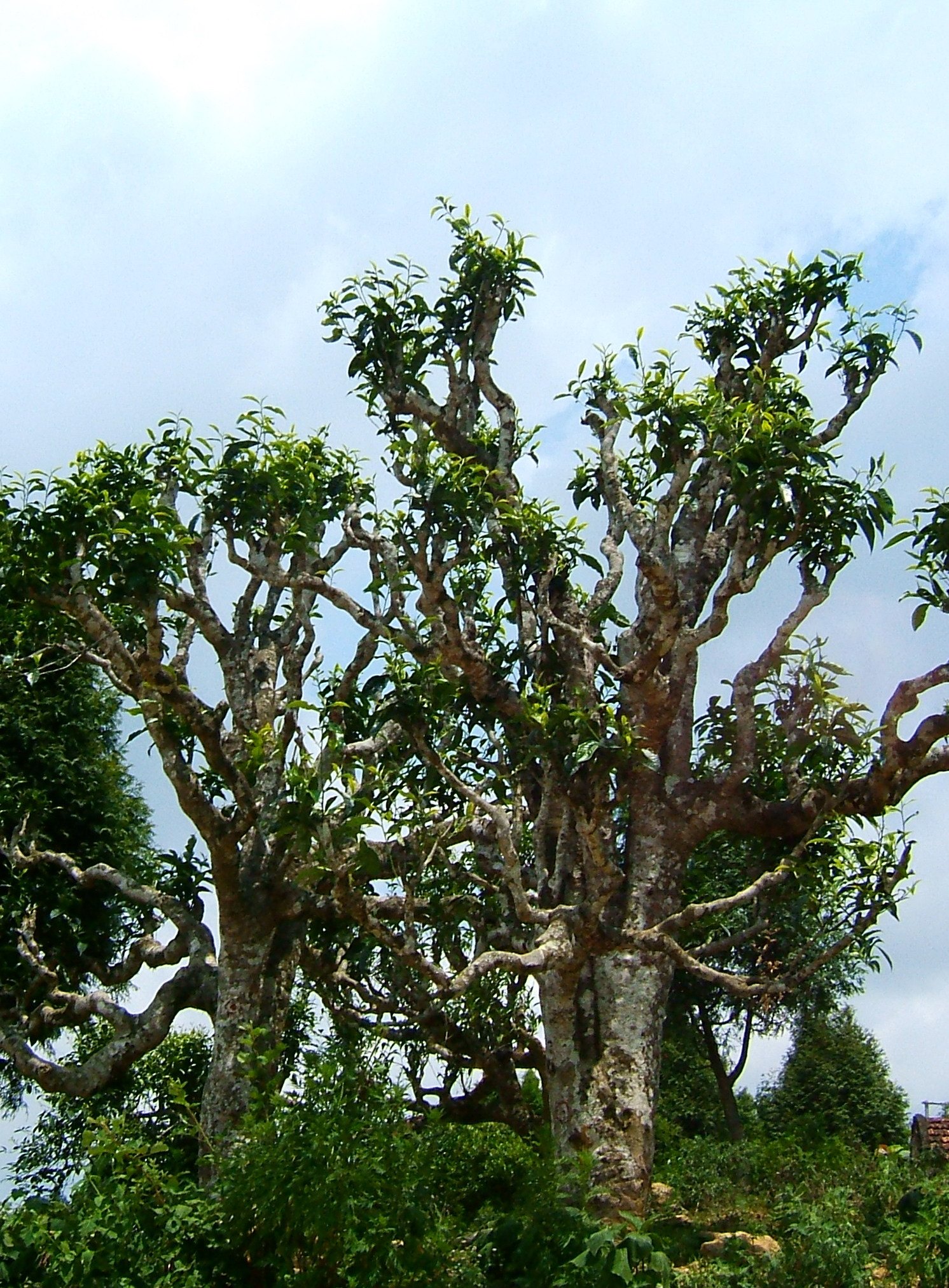
Suoi Giang sits in the Van Chan highlands of northern Vietnam, at about 1,300–1,400 metres. The community is largely Hmong. Tea grows on slopes and forest edges; old trees have thick, lichen-covered trunks, and some take one or two people to encircle.
The administrative name needs a note. Until 2025, most sources placed Suoi Giang in Van Chan district, Yen Bai province. In 2025 Vietnam merged Yen Bai and Lao Cai into a single Lao Cai province. A 2026 VNA report therefore describes Suoi Giang as Van Chan commune, Lao Cai. Both “Yen Bai” and “Lao Cai” appear in credible sources; the difference is the date.
Old trees and heritage status
According to VNA, 400 ancient tea trees at Suoi Giang were recognized as Vietnamese Heritage Trees in 2016. In 2019, the provincial government recognized the Suoi Giang ancient-tea growing, processing and storage village as a traditional craft village. Yen Bai’s official introduction describes an ancient tea area of about 393 hectares, including about 293 hectares of natural old tea and roughly 40,000 trees, mostly 100–300 years old.
Old does not automatically mean good. A large tree can give thicker, sweeter leaf, but poor management, over-picking or careless processing can still produce bitter, hollow tea. “Century-old” is a starting point for asking questions, not a quality certificate.
Processing
The basic flow:
- Hand-picking — usually one bud and two leaves, avoiding old leaf and broken stem.
- Withering — spread the leaf to lose moisture and soften.
- Pan-firing — hot iron pan to stop oxidation and remove the raw green edge.
- Rolling — by hand or machine, to tighten the strip and expose sap.
- Sun-drying or baking — traditional sun-drying preserves the white down and a natural aroma; some lots are baked.
- Pressing — some leaf is steamed and pressed into cakes for storage.
Different steps produce different teas: green tea skips oxidation after fixing; black tea is fully oxidised; oolong is partially oxidised; white tea relies on withering and slow drying rather than pan-firing. VNA says the village now makes more than ten products, including tea cakes.
Flavor
Common notes:
- White down: silvery buds and a slightly grey-green dry leaf.
- Wildflowers: mountain flowers, orchid and forest air.
- Honey: a slow sweetness, often stronger in the finish than the first sip.
- Wood and moss: old-tree depth, especially in later infusions.
- Low astringency: thick buds usually give a softer tannin profile than young bushes.
These are directions, not guarantees. The same garden can produce a light green tea, a honeyed black tea and a woody pressed cake.
Brewing
- Green tea: 5 g to 150 ml, 85–90°C, 20–30 seconds, six to eight infusions.
- Black or oolong: 90–95°C, 15–25 seconds for the first infusions.
- Pressed cake: break off a piece, rinse once with boiling water, then brew as green or black tea. It can be simmered, but do not boil it for a long time or the bitterness takes over.
The leaf is durable, but do not let it sit in water simply because it is “ancient.” Short early steeps keep the aroma and sweetness clearer.
Buying
- Check the place. Suoi Giang, Van Chan, Lao Cai (or older Yen Bai) is the relevant origin. “Vietnamese ancient tea” alone is too broad.
- Ask for age evidence. There is no universal scientific age certificate for tea trees. “300 years” or “500 years” on a box is often a local narrative, not a lab report.
- Ask about picking and processing. One bud and two leaves, hand-picking, pan-firing and sun-drying are common quality signals, but the cup is the final test.
- Know the product type. Green, black, white, oolong and cakes are different products with different prices.
- Look for a producer. The 2019 craft-village designation, OCOP status or a named factory is more traceable than a generic “old tree” claim.
Common misreadings
“Shan Tuyet is white tea.”
No. “Snow” describes the white down, not the processing. Shan Tuyet can be green, black, white or oolong.
“Suoi Giang only makes green tea.”
Green tea is the main category, but the village also makes black, white, oolong and pressed cakes.
“Older trees always taste better.”
Age can add depth and sweetness. Processing, picking and management matter just as much.
“Suoi Giang has always been in Yen Bai.”
Historically yes. After the 2025 provincial merger, current administrative documents place it in Lao Cai.
One line
Suoi Giang ancient tea is a Shan Tuyet place-based tea from the Lao Cai highlands, historically Yen Bai: old trees provide the raw material, and processing decides whether it becomes green, black, white or a pressed cake. It is worth drinking without being held hostage by the phrase “century-old tree.”