A place name plus a tea style
“Yame matcha” has two parts: Yame is the place, matcha is the tea. It means matcha milled from tencha grown and processed in the Yame region of Fukuoka Prefecture. It is not a tea plant, not a cultivar name, and not a fixed official grade.
In Japanese tea, Yame is more famous for gyokuro. Fukuoka Prefecture’s official material puts Yame gyokuro and Yame Dento Hon Gyokuro in a prominent position; matcha and tencha are another product line from the same region. So “Yame matcha” should not be read as “Yame gyokuro ground into powder”. Gyokuro and tencha are different growing and processing targets, even though both involve shading.
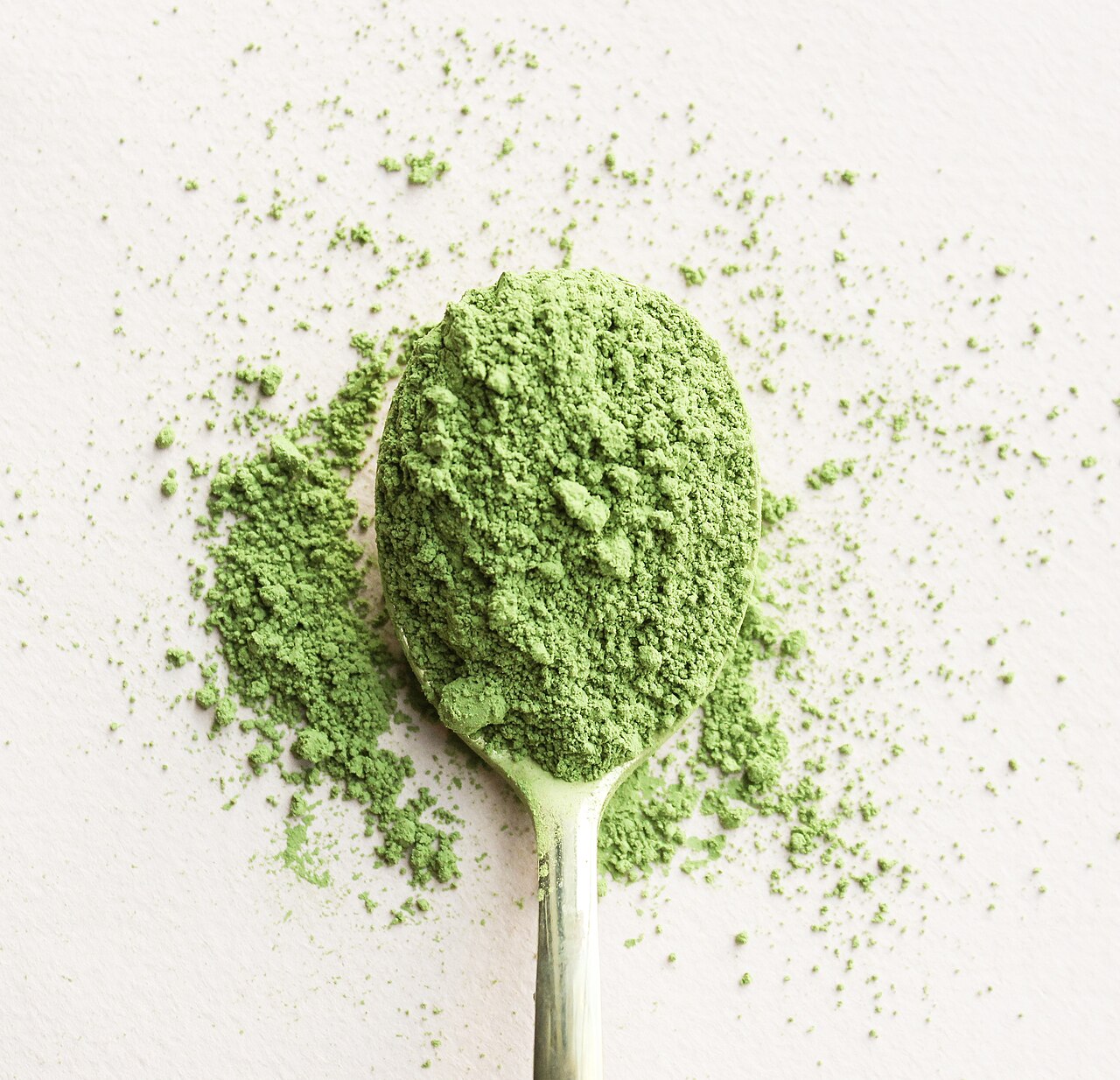
Nor is matcha simply “green tea ground into powder”. The raw material is tencha: shade-grown, steamed, dried without rolling, stripped of stems and veins, then milled. Fine texture, vivid colour and the ability to whisk into foam are results of that process, not of grinding any green tea.
Where Yame is, and why tea grows well there
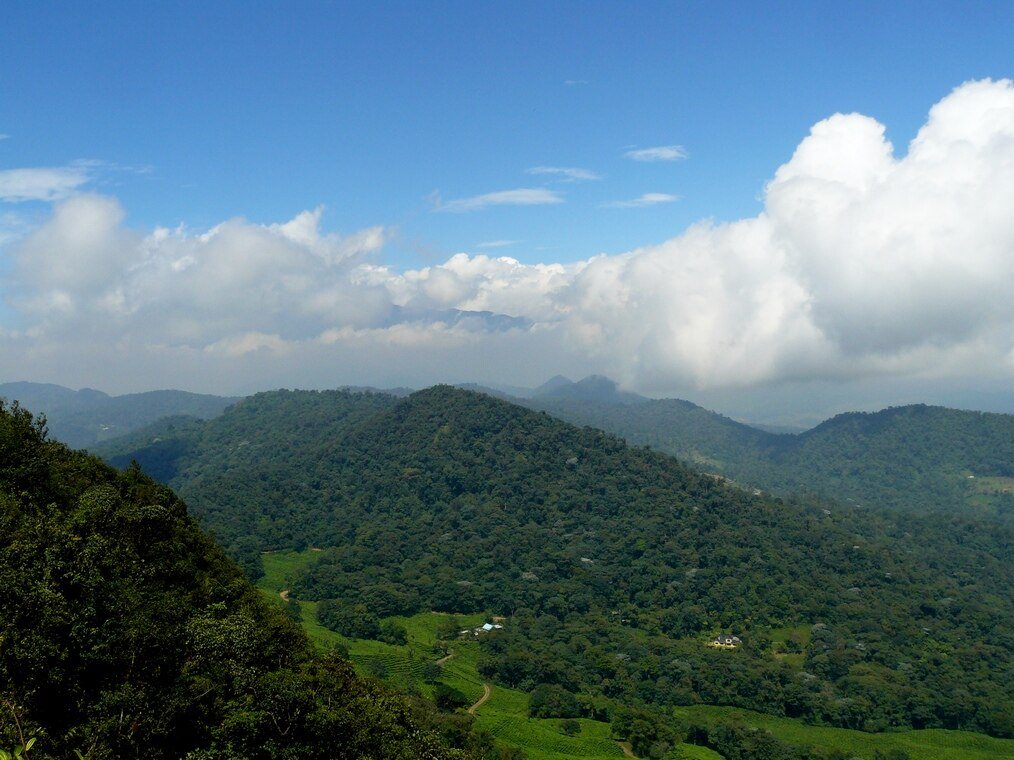
Yame sits in southern Fukuoka, in the Chikugo region of northern Kyushu, with the main tea areas along the Yabe River. Official descriptions emphasize abundant rainfall, strong day-night temperature swings and frequent fog in the mountain valleys. Fog softens the light and slows shoot growth; cooler nights help the plant build up amino acids and sugars.
The usual origin story dates Yame tea to 1423, when the Zen monk Eirin Shuzui returned from China with tea seeds and methods and spread them around what is now Kuroki in Yame City. Tea growing expanded in the Edo period, and production shifted toward steamed green tea in the Meiji era. That is the regional narrative, not proof that “Yame matcha” has existed since 1423; matcha as a separate craft developed later.
How matcha is made
- Shading: the tea is covered before harvest to reduce direct sunlight. Traditional Yame gyokuro uses rice straw; matcha and tencha often use shade nets or frames, depending on the farm.
- Picking: tencha is usually picked at one bud and two to three or four leaves, with an emphasis on tenderness and uniformity. Top matcha is often first flush.
- Steaming: a short burst of steam fixes colour and flavour.
- No rolling, then drying: unlike sencha, tencha is not rolled into needles; the leaves are dried intact.
- De-stemming and de-veining: stems and veins are removed, leaving the soft leaf material.
- Milling: traditional granite stone mills grind slowly at low temperature; modern ball mills also exist. Stone milling is not the only legal method, but slow, cool milling generally protects aroma and colour.
The style of Yame matcha depends heavily on cultivar. Common Japanese matcha cultivars include Okumidori, Saemidori, Asahi and Yamashiro; Yame producers also use Okumidori and Saemidori. Cultivar shapes sweetness, umami, colour and bitterness. “Yame” alone does not tell you any of that.
Flavour: deep umami, sweetness, usually less bitterness
Official descriptions of Yame tea emphasize sweetness, strong umami and low astringency. Matcha amplifies both umami and bitterness because the whole leaf is consumed: a good Yame matcha often feels thick and sweet at the front, with a nori-like freshness in the middle and a clean, restrained bitterness at the back.
But “Yame matcha is never bitter” is false. Bitterness depends on cultivar, shading period, picking tenderness, milling fineness and how strong you mix it. Usucha (thin tea) uses about 1.5–2 g matcha to 60–70 ml water and feels lighter; koicha (thick tea) uses 3–4 g to 30–40 ml and concentrates both umami and bitterness.
Whisking
- Usucha: 1.5–2 g matcha, 60–70 ml water at 70–80°C. Sift the powder, mix with a little water into a paste, add the rest, then whisk in a “W” motion until a fine foam forms.
- Koicha: 3–4 g matcha, 30–40 ml water at 70–80°C. Do not aim for thick foam; stir slowly into a dense slurry.
- Do not use boiling water: high heat exaggerates bitterness and dulls the aroma.
- Matcha oxidises quickly. Store opened tins cold, dark and sealed, and use them soon.
Buying notes
- Origin: “Yame-grown” tells you the region, not the cultivar, harvest or milling method.
- Use: ceremonial/drinking and culinary/cooking are different lines. Culinary matcha can be more bitter and cheaper; drinking-grade is usually finer and fresher.
- Cultivar: Okumidori, Saemidori and Asahi bring different sweetness and umami. If the pack does not name a cultivar, do not assume one.
- Colour and aroma: fresh matcha is vivid green with a nori or fresh-leaf scent. Yellow, grey or hay-like powder is usually stale.
- Milling: stone, ball and jet mills are all legal. What matters is fineness, temperature and oxidation, not the word “stone-milled” alone.
Timeline
| Date | Event | Note |
|---|---|---|
| 1423 | Origin story of Yame tea | Eirin Shuzui brings tea seeds and methods; treated as the regional starting point. |
| Edo period | Tea growing expands | Yame tea becomes a regional product. |
| Meiji–Taishō | Shift to steamed green tea | The modern Japanese green tea system takes hold in Yame. |
| 2015 | Yame Dento Hon Gyokuro receives GI | A protection for a narrow gyokuro name, not for all Yame matcha. |
| Today | Tencha and matcha line | Yame matcha enters the wider matcha market as a regional product. |
Sources and status
This page draws on the Fukuoka Prefecture feature, the Yame tea council page and the official VISIT FUKUOKA guide. The three sources support the geography, history, gyokuro craft and the “sweet, high-umami” flavour framework. The tencha process and whisking method are general matcha knowledge, so the page uses “usually” and “often” instead of presenting one producer’s practice as the regional standard. Yame matcha is not described as a separate geographical indication, and it is not inflated into “the world’s best matcha”.