First, what “tea” means here
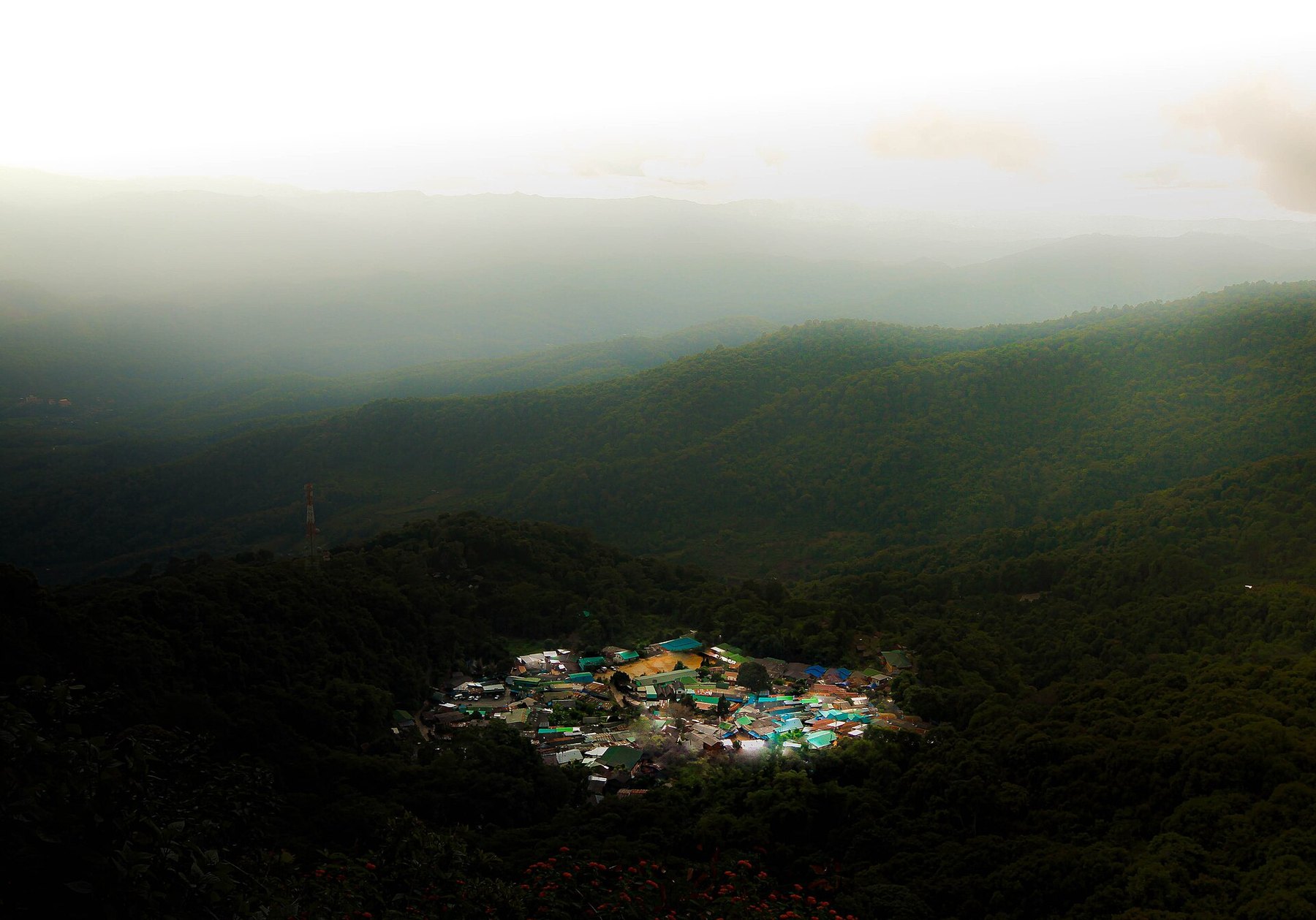
Doi Pui is a Hmong village inside Doi Suthep-Pui National Park, near Chiang Mai in northern Thailand. The setting — high ground, mist, a minority community, royal-project farms — makes a tea plantation feel plausible. It is the kind of place where a travel writer might easily assume there must be a green-tea garden just over the next ridge.
The traceable product called Cha Doi Pui is not that. It is an herbal blend: a packaged infusion of plants associated with Thai traditional medicine, not leaf tea from Camellia sinensis. The old Chinese draft turned this into a “Chiang Mai University high-mountain green tea garden,” complete with acreage, yields and awards. No reliable source supports those details, so they have been removed.
| Item | Detail |
|---|---|
| Name | Doi Pui Herbal Tea / Cha Doi Pui / ชาดอยปุย |
| Type | Herbal infusion, not Camellia tea |
| Place | Hmong village in Doi Suthep-Pui National Park, Chiang Mai |
| Main ingredients | Jiaogulan, mulberry, stevia, ginseng, safflower, ginkgo and others; more than eight plants |
| Reference price | THB 500 per box in a 2024 report |
| Sales | Doi Pui shop and online channels |
Why it is called “tea”
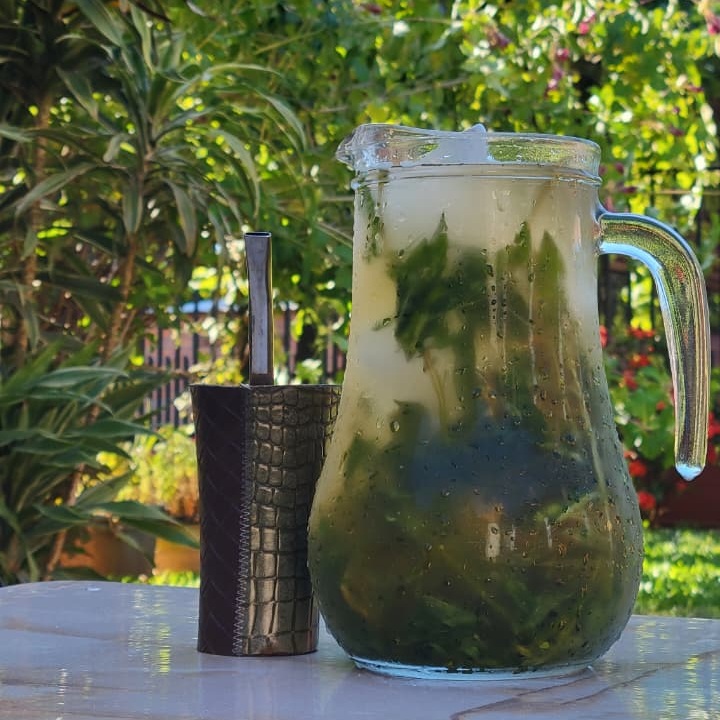
Thai “chaa” is a broad word. It covers true tea, and it also covers herbal infusions — “chaa samunphrai.” English does the same with “herbal tea.” A product built on jiaogulan, mulberry and ginseng can therefore be sold as “tea” without being tea in the botanical sense.
This distinction matters for flavor and brewing. There is no Camellia leaf base here: no fresh green-tea bite, no orchid-like oolong aroma, no tea catechins in the same profile. The cup is built from sweet, grassy, rooty and faintly bitter botanicals.
The village: coffee, strawberries and flowers
Doi Pui sits inside the national park, about four kilometres above Phuping Palace. In the late 1960s, according to a Thai community-tourism account, the community still grew opium and local peaches and lived in poverty. The royal projects that followed introduced temperate crops: fruit, vegetables, flowers, red beans and coffee. Village shops now sell tea, coffee, farm produce and handicrafts, and tourism adds another income stream.
Those sources support coffee, strawberries, flowers and farm products at Doi Pui. They do not support a commercial green-tea garden. The old draft’s “1975 planting of 20 hectares” and “1985 Thai quality award” have no traceable record. The responsible conclusion is that Doi Pui’s “tea” is primarily a herbal brand, not a lost highland tea district.
What is in the blend
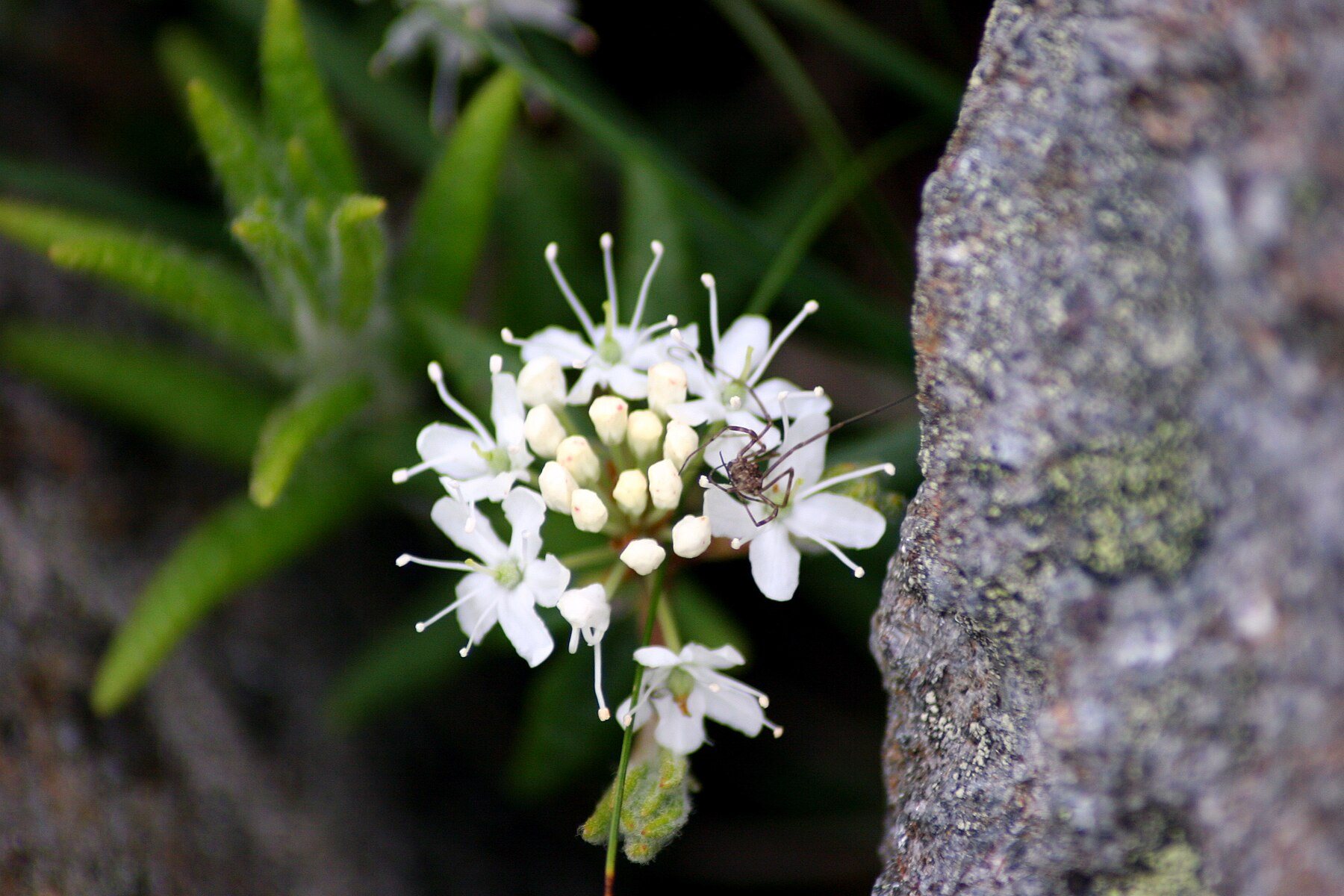
The 2024 report lists jiaogulan, stevia, ginseng, safflower, ginkgo, mulberry and other plants — more than eight ingredients in total. The exact ratios vary by product line, but the direction is consistent: a botanical blend, not a single herb and not a single tea.
Typical sensory results:
- Sweetness up front: stevia is used to soften the bitterness of the herbs.
- Green and rooty notes: jiaogulan and mulberry read grassy; ginseng adds earth and wood.
- A light bitter edge: safflower, ginkgo and other plants can contribute a gentle bitter finish.
- No true-tea frame: it does not aim for chestnut, orchid or fresh soybean notes.
These are observations about ingredients, not medical conclusions. Herbal tea is not a drug and does not replace medical advice.
Brewing and buying
There is no national brewing standard for this kind of blend. Follow the package if it gives one. Otherwise, start with water at 90–95°C and steep for three to five minutes; use less leaf if it tastes bitter. It can work as a caffeine-free or low-caffeine alternative, but the actual caffeine content depends on the formula.
When buying, check:
- The ingredient list — is it all botanicals, or does it include Camellia leaf?
- The producer — company, production date, shelf life and allergen warnings.
- The claims — treat promises to cure disease, replace medication or rapidly improve your constitution as marketing, not clinical evidence.
Common misreadings
“Doi Pui is a Thai green-tea district.”
The traceable picture is a Hmong village, royal-project farms, coffee, strawberries and a herbal brand. There is no reliable source for a commercial green-tea garden.
“Herbal tea is green tea.”
Herbal tea is a broad category of botanical infusions. Green tea is a processing style applied to Camellia sinensis. Both can be called “tea”; they are not the same material.
“The name Doi Pui means every ingredient comes from Doi Pui.”
The brand is based there. That does not prove every botanical in the box was grown there. Check the supply chain.
One line
The most defensible answer is that Doi Pui’s “tea” is a herbal brand, not a missing high-mountain green-tea garden. Saying so is more useful than inventing a plantation.