In one sentence
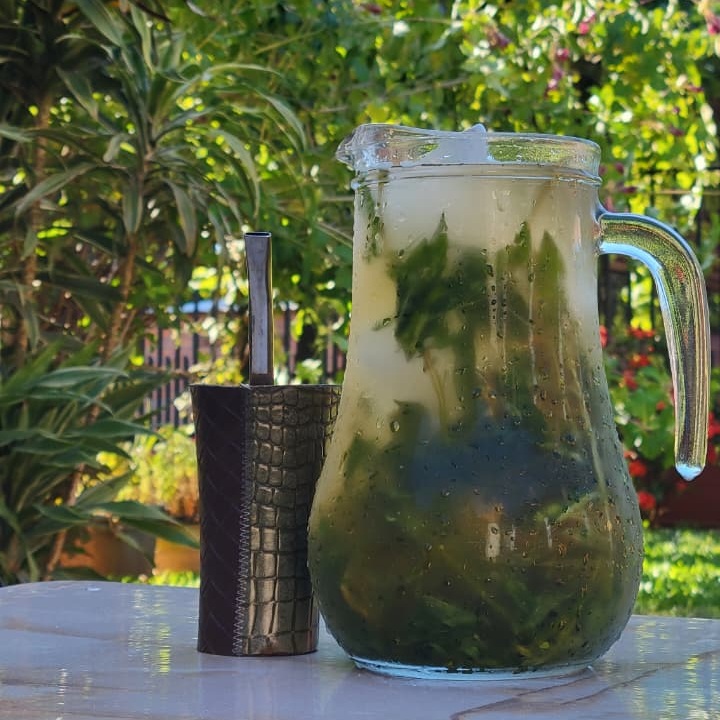
Tereré is the cold-water version of mate. Same leaf, same metal straw, same shared cup — but 5–8°C water instead of 70–95°C. Hot mate is dense and bitter; tereré is light, clean and sweet, and it is made for heat.
Name and geography
The word comes from Guaraní. The drink is traditional in Argentina’s northeast, Paraguay, southern Brazil and parts of Uruguay. In Argentina, Misiones and Corrientes are the heartland. It is not a different tea; it is a different preparation of the same Ilex paraguariensis leaf.
One distinction matters: UNESCO’s listing of tereré practices concerns Paraguay’s tradition. Argentina also drinks tereré, but it should not claim the Paraguayan inscription as its own. This entry describes Argentine practice and leaves the heritage claim where it belongs.
How to make it
INYM’s basic sequence:
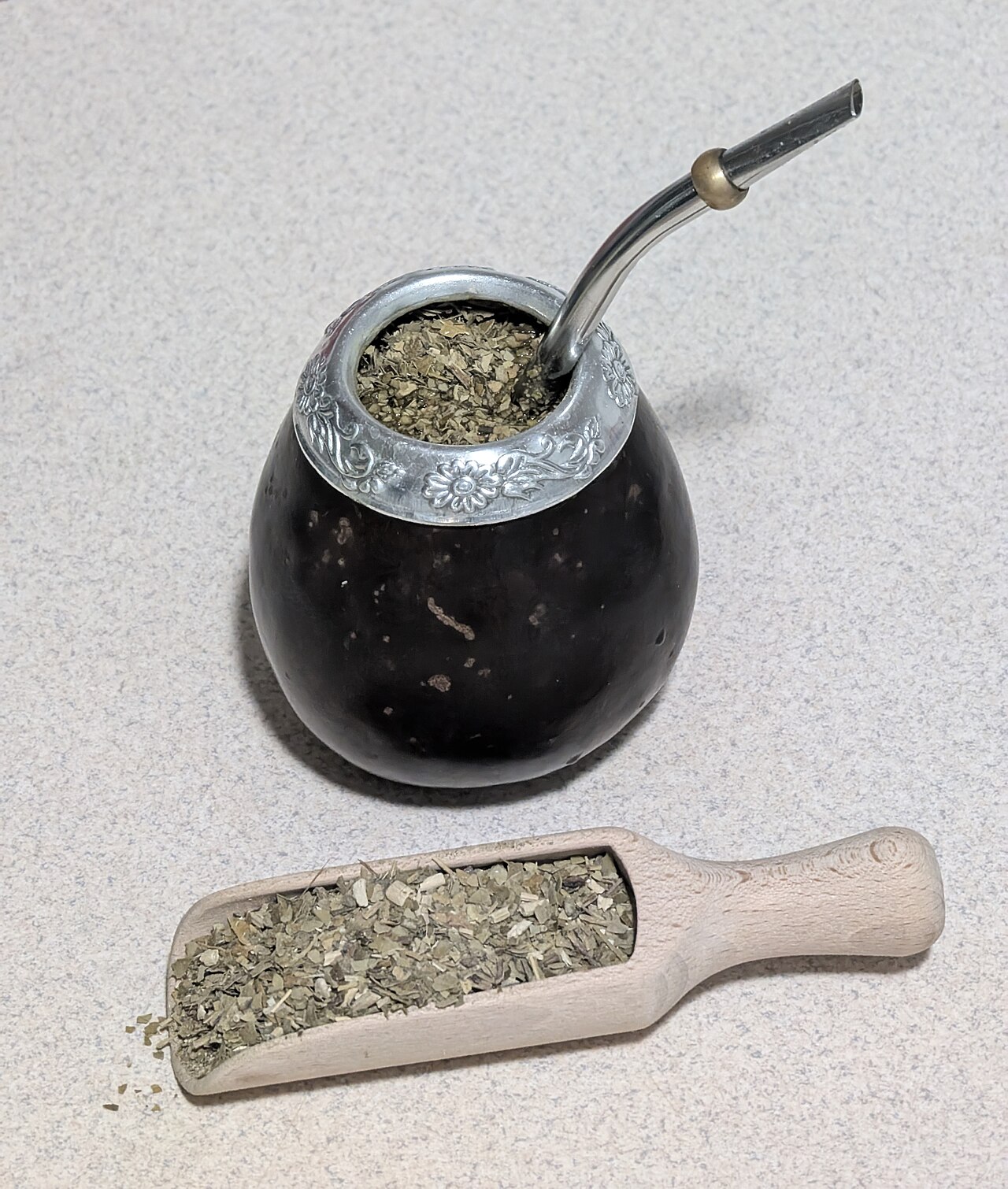
- Choose a cup. A metal (often aluminium) or glass cup works; a gourd is also used. A wider mouth makes ice easier.
- Add a small amount of leaf. Cold water makes the leaf swell, so too much leaf clogs the straw and overpowers the drink.
- Add ice. Ice first, then leaf, or alternate the two.
- Pour cold water. Still cold water, juice or soda all work. In Argentina, citrus juice, mint and lemon peel are common.
- Insert the bombilla. Place the filter end low in the leaf, not in the water layer.
- Refill gradually. Do not fill to the brim at once. Cold extraction is slow, so the same leaf can take several pours.
Why the coarse cut matters
Tereré is usually sold as a coarser grind than hot mate. Fine powder does not settle well in cold water, clogs the bombilla and puts grit in your mouth. A stemmed blend also helps: the stems keep the bed open and the draw even. If you only have a fine cut, use less leaf and a wider-mouth cup.
Flavour
- Dry leaf: dark green broken leaf and pale stems; grassy, hay, light smoke.
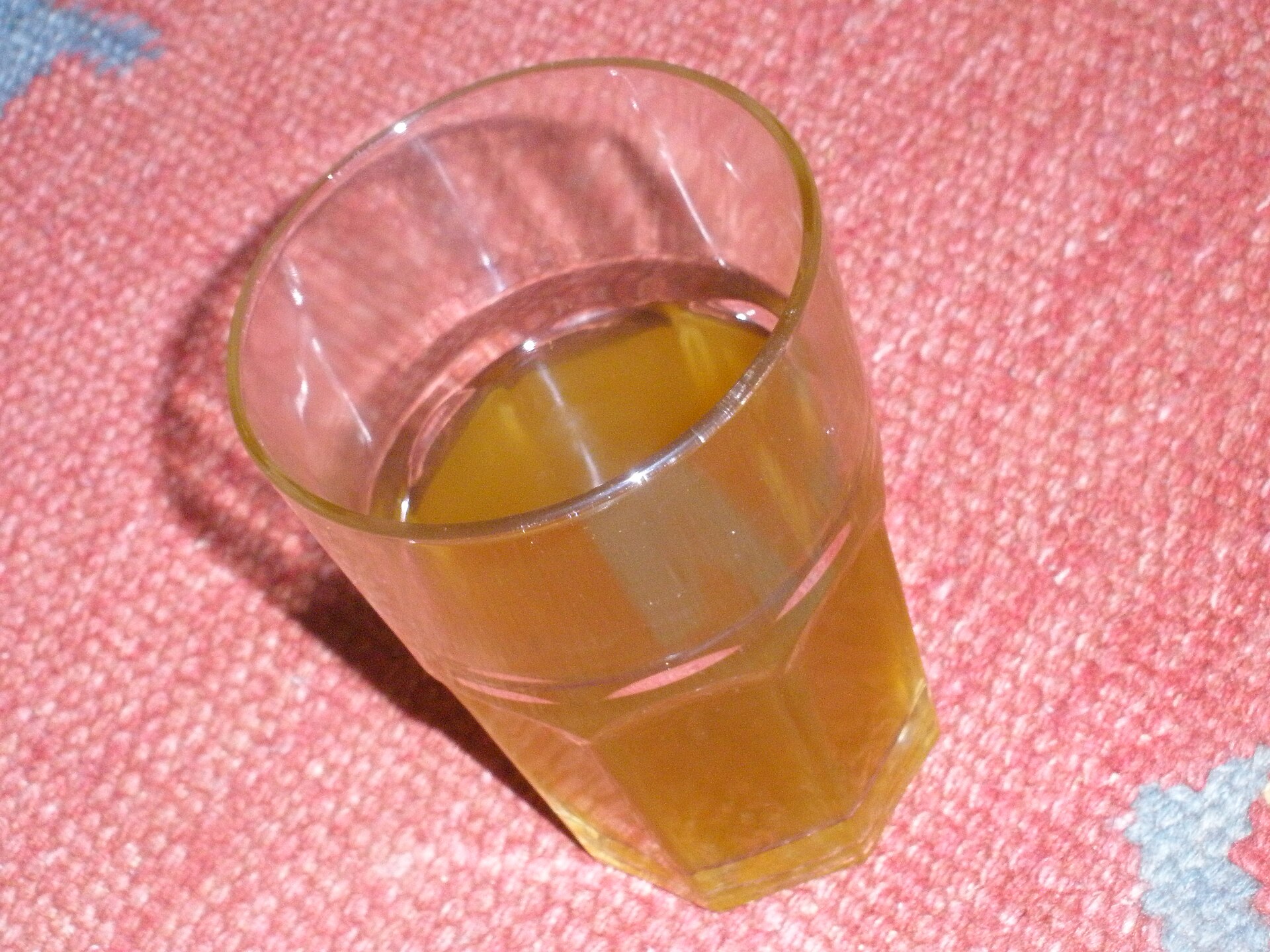
- Liquor: pale yellow-green to amber, lighter than hot mate.
- Aroma: grass, mint and citrus when those are added; cleaner than hot mate.
- Taste: light bitterness, quick sweetness, low smoke; the cold water suppresses the harsh edges.
- Body: thin and refreshing, built for volume drinking.
Tereré, hot mate and mate cocido
| Dimension | Hot mate | Tereré | Mate cocido |
|---|---|---|---|
| Water | 70–95°C | 5–8°C | Boiling |
| Extraction | Fast, dense | Slow, light | Fastest, strongest |
| Vessel | Gourd and bombilla | Metal or glass cup and bombilla | Pot or cup and strainer |
| Additions | Usually none | Ice, citrus, mint, juice | Sugar, milk, lemon |
| Setting | Daily, social, morning | Heat, outdoors | Breakfast, home, café |
Hygiene and sharing
Tereré is usually communal: one person pours, the cup passes, everyone uses the same bombilla. In the region this signals closeness and trust. From a health standpoint, do not share a straw when you have a cold, mouth sores or a weakened immune system. Carry your own bombilla or pour into separate cups.
Buying and storage
- Tereré cut: coarse, low dust; a stemmed blend is a safe default.
- Origin: Misiones or Corrientes, with a packer name.
- Freshness: sealed, dark and dry; use soon after opening.
- Additions: fresh juice and mint, not artificial syrups.
- Ice: made from drinking water, not raw water.
Sources and status
The entry uses INYM’s technical document for the 5–8°C definition and the hot-mate comparison, and INYM’s tereré article for the vessel, additions, coarse cut and the Paraguayan UNESCO context. Old claims that Argentina is the single place of origin, that a gourd is mandatory, or that cold water “does not extract” have been removed. The page is reviewed for structure and sourcing, not as a final cultural history.