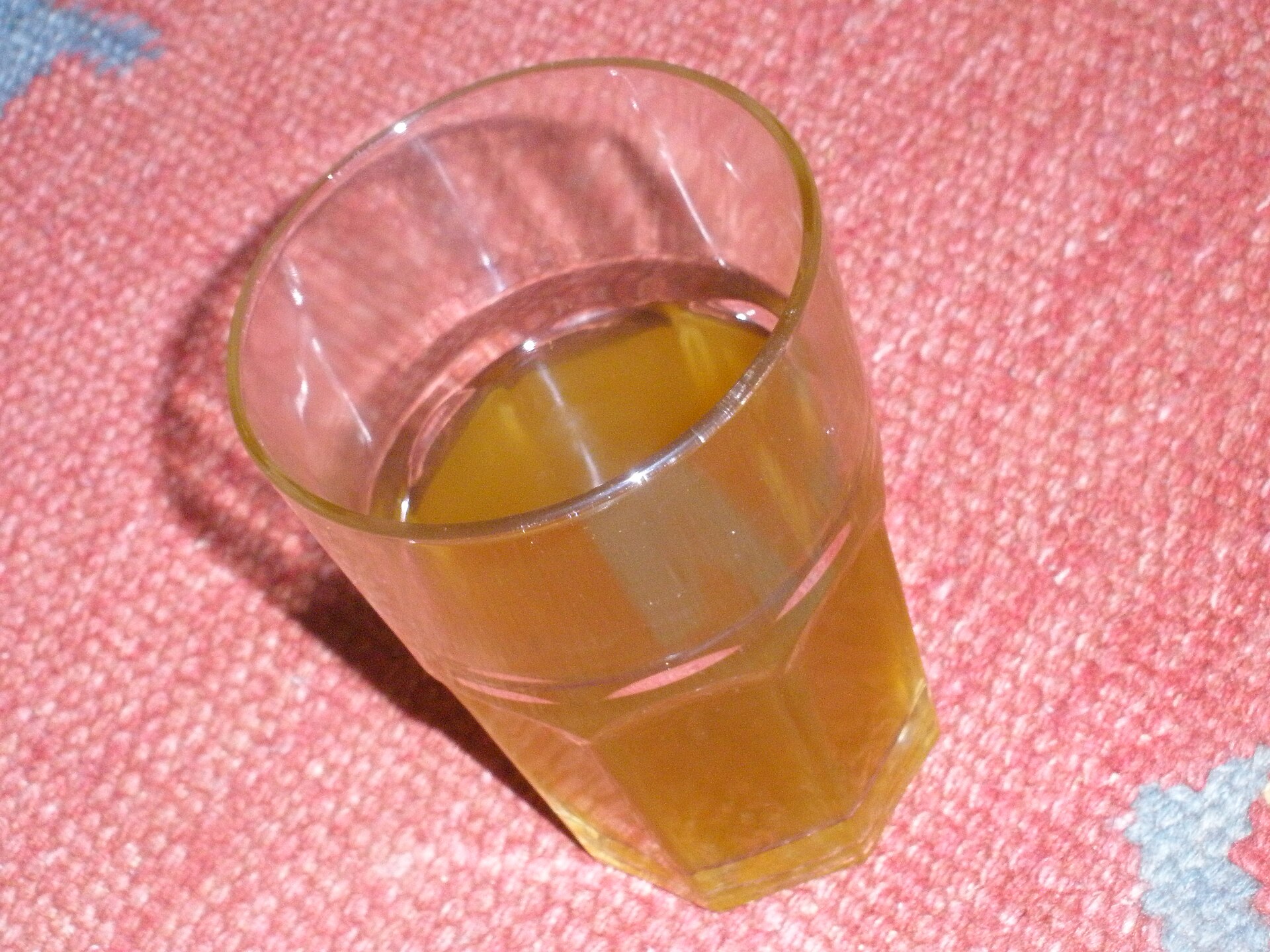
In one sentence
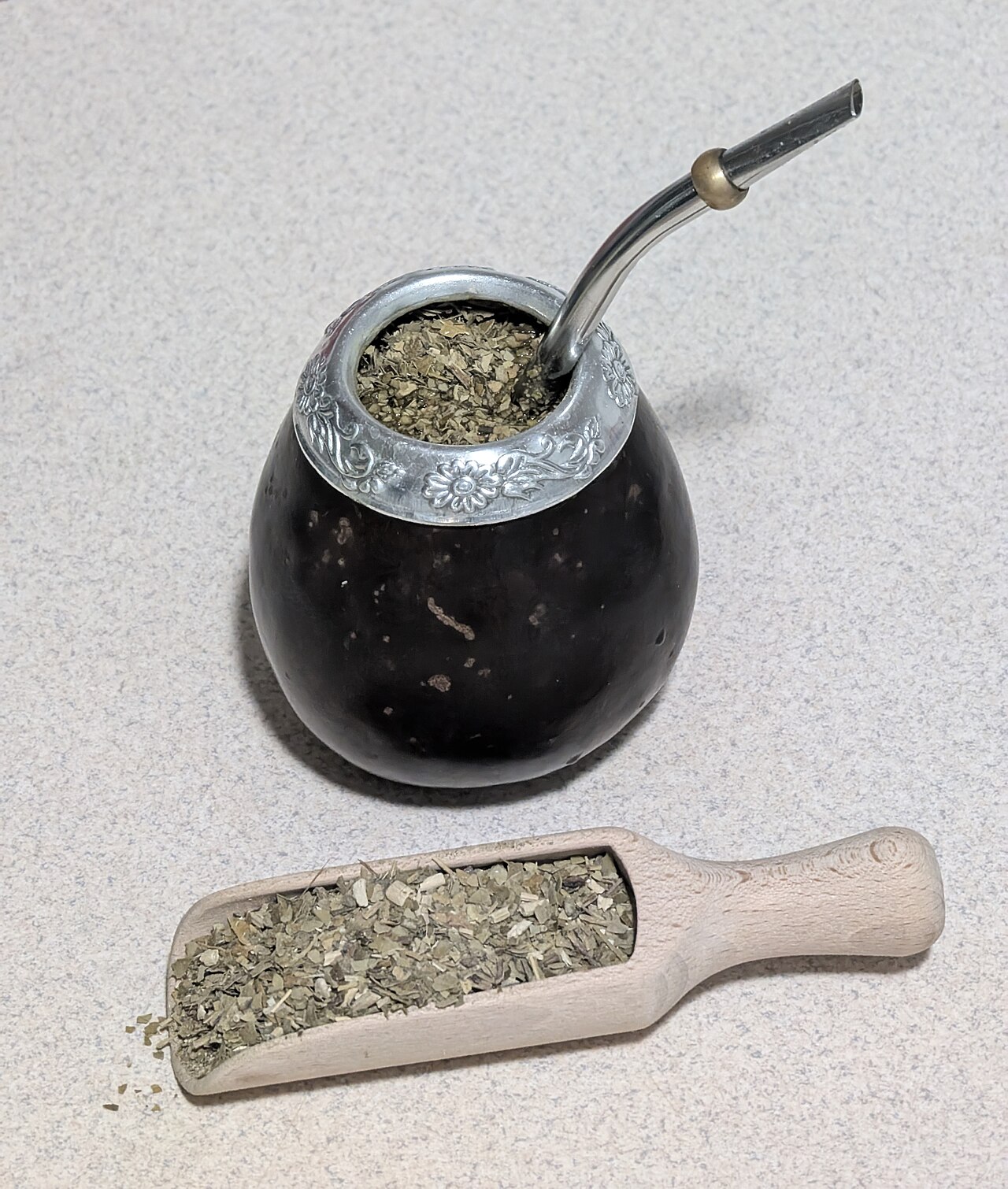
Mate cocido is mate in a cup instead of a gourd. The leaf is infused in boiling water, strained, and drunk like tea. It is stronger and more bitter than gourd mate, but far more convenient: you can sweeten it, add milk or lemon, or chill it for summer.
The name
“Cocido” means “cooked”, but many Argentine and Uruguayan households simply steep the leaf rather than boil it. Supermarkets sell it as tea bags or fine-cut loose yerba. Cafés, schools and hospitals often brew it by the pot and serve it with sugar or milk.
Brazil has a related drink called chá mate; Paraguay often calls it cocido. They are not identical, but they belong to the same family: yerba infused and strained, rather than sipped through a bombilla.
How to make it
Tea-bag method
- Bring water to a boil, then take it off the heat.
- Use one mate cocido bag per 200 ml.
- Steep for 3–5 minutes.
- Remove the bag; add sugar, honey, milk or lemon.
Loose-leaf method
- Use 5–8 g of yerba per 200 ml.
- Pour water just off the boil over the leaf.
- Steep 3–5 minutes.
- Strain through a fine sieve.
- Do not boil hard for a long time; the smoke and bitterness become harsh.
Boiled method
The traditional method simmers yerba and water for a few minutes, then strains. It is stronger and more bitter, and it takes milk well. Three to five minutes is enough; longer boiling flattens the aroma and pushes the tannins forward.
Flavour
- Dry leaf: fine dark green fragments with some stem; grass, hay and light smoke.
- Liquor: yellow-green to deep amber, darker than gourd mate.
- Aroma: grass, smoke and a light roast; milk softens it.
- Taste: bitter and direct, with a fast sweetness; more “tea-like” than gourd mate.
- Body: clean and comparatively thin, without the bombilla’s filtering effect.
Caffeine
INYM’s figures:
- 500 ml hot mate: about 0.35–0.45 g caffeine;
- 500 ml tereré: about 0.2 g;
- 200 ml mate cocido: about 0.02–0.04 g.
The per-cup figure looks low because the cup is small. A large mug or a strong brew raises the total. If you are sensitive, keep it to the morning.
How to drink it
- Breakfast: hot with milk and sugar, alongside bread.
- Everyday: plain, with a strip of lemon peel.
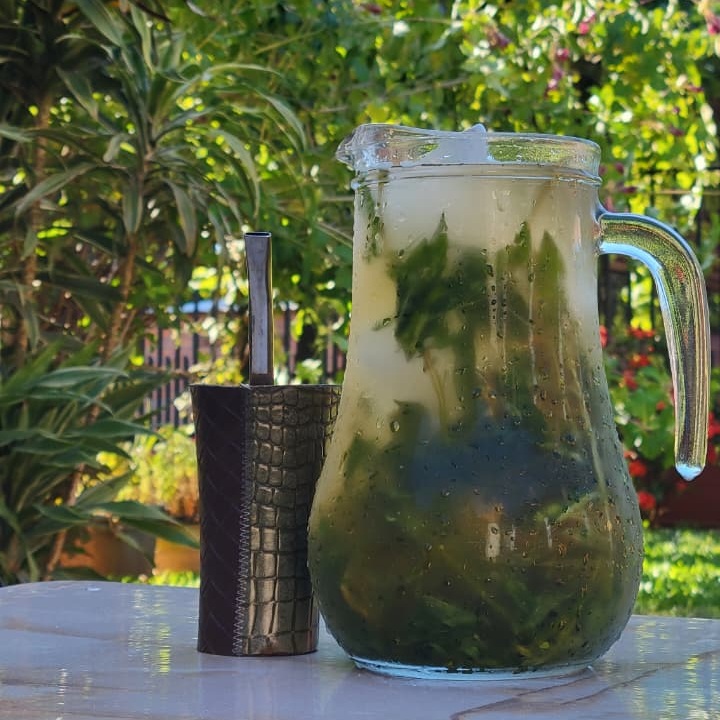
- Iced: brew strong, cool, then pour over ice with lemon — the South American cousin of iced tea.
- Flavoured: vanilla, cinnamon or orange peel; avoid artificial syrups.
Gourd mate vs mate cocido
| Dimension | Gourd mate | Mate cocido |
|---|---|---|
| Vessel | Gourd and bombilla | Pot or cup and strainer |
| Water | 70–95°C | Boiling |
| Strength | Medium, repeatedly refilled | Stronger, brewed once |
| Additions | Little or no sugar | Sugar, milk, lemon |
| Setting | Social, daily, outdoor | Breakfast, school, hospital, café |
| Caffeine per serve | 500 ml: ~0.35–0.45 g | 200 ml: ~0.02–0.04 g |
Buying and storage
- Bags: check the seal and date; bagged mate is fine-cut and extracts fast.
- Loose: fine or medium cut for pot brewing; coarse cut belongs in a gourd.
- Origin: Misiones or Corrientes.
- Aroma: clean grass and light smoke; no mould, acid or sharp tar.
- Storage: sealed, dark and dry; finish soon after opening.
Cultural place
Law 26.871 declared mate Argentina’s national infusion and called for its traditions to be promoted at official cultural, social and sporting events. Mate cocido is the domestic, unglamorous side of that national drink: less ritual than the gourd, cheaper and easier, and therefore common in schools, hospitals, offices and family breakfasts.
Sources and status
The entry uses INYM’s technical document for the definition, method and caffeine figures, and Argentina.gob.ar for the plant background, Jesuit history and legal status. Old claims that mate cocido is “the poor man’s mate”, that it is “ten times stronger than coffee”, or that it is a separate species have been removed. The page is reviewed for structure and sourcing, not as a medical or nutritional recommendation.