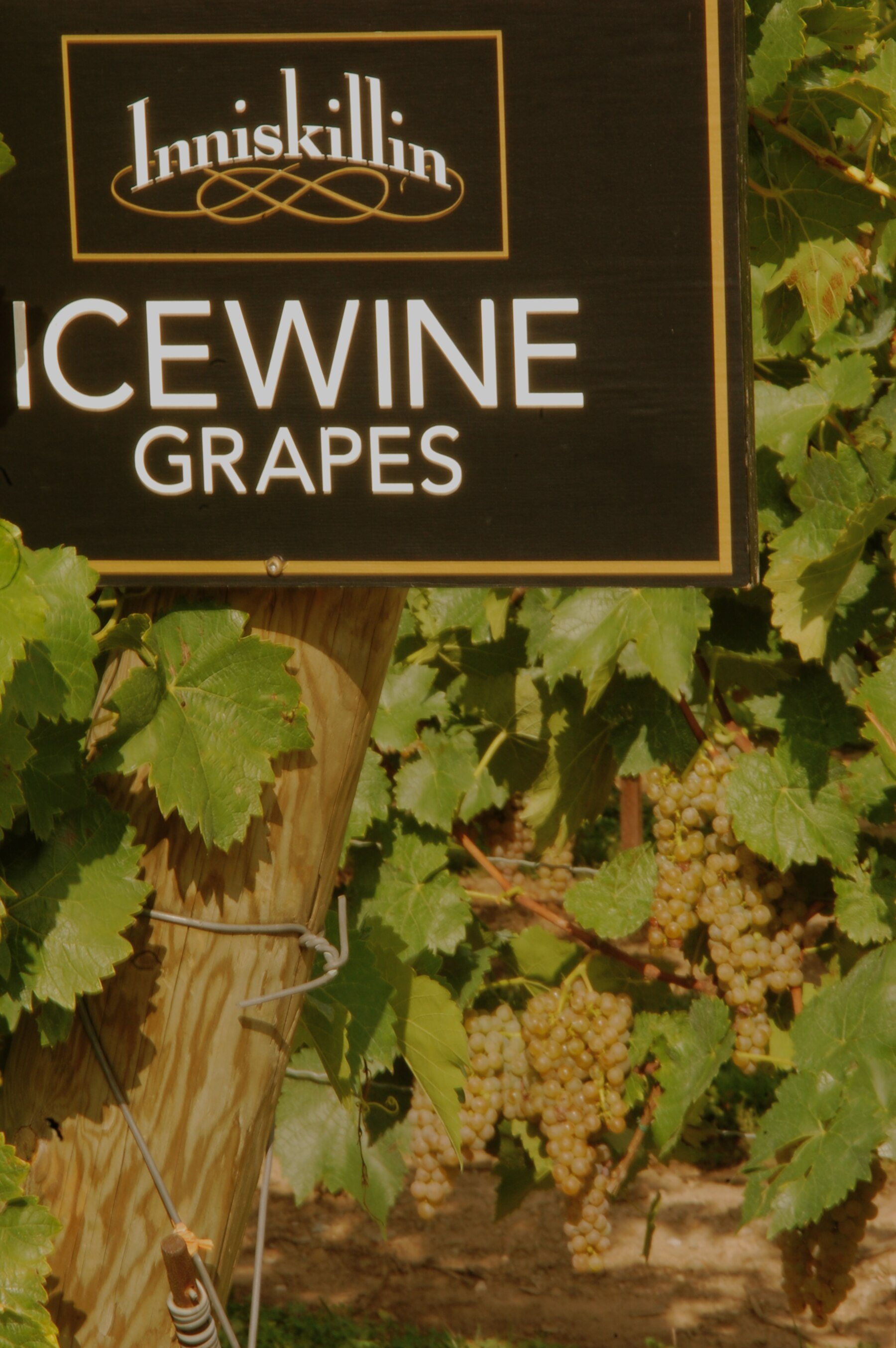
First, the definition: a flavoured black tea, not icewine
Canadian Icewine Tea is not an appellation, a tea garden or a tea type. It is a flavoured black-tea blend built around the aroma of Canadian icewine: usually a black tea base, plus icewine, natural flavours or grape flavour, sold as a sweet, fruity, lightly wine-like tea.
Three things need to stay separate:
- Icewine is a wine, regulated in Ontario under VQA rules.
- Icewine tea is a tea blend, usually with no alcohol.
- The tea base normally comes from Sri Lanka or another tea origin, not from a Canadian tea garden.
| Item | Detail |
|---|---|
| Name | Canadian Icewine Tea / Ice Wine Tea |
| Type | Flavoured black tea, not icewine |
| Flavour source | Icewine, natural flavours or grape flavour; varies by brand |
| Tea base | Often Sri Lankan black tea; other origins possible |
| Alcohol | Tea usually labelled alcohol-free; check the specific product |
| Caffeine | Medium, depending on the black-tea base |
| Origin context | Ontario icewine, especially the Niagara Peninsula |
Icewine itself: -8°C, natural freeze, 35 Brix
To understand the tea, start with the wine.
Ontario's VQA regulation defines Icewine precisely: the grapes must freeze naturally on the vine, be picked at -8°C or lower, and be pressed immediately in a continuous process. Mechanical freezing cannot be used to make Canadian Icewine. Juice after pressing must be at least 32 Brix, and the must used for the finished wine must average at least 35 Brix. Actual alcohol must fall between 7.0% and 14.9%.
That rule produces two things:
- Concentrated sugar, acid and aroma. The water in the berry freezes; the press releases very little juice, but that juice carries a high concentration of dissolved solids.
- A narrow harvest window. Picking usually happens by hand between midnight and dawn, when the temperature is low enough and the fruit stays frozen from vine to press.
Vidal and Riesling are the workhorse varieties in Ontario. Vidal has thick skins and hangs reliably through repeated freezes; Riesling brings higher acidity and a cleaner profile. Cabernet Franc appears in smaller volumes of red icewine.
How the tea is made: not a splash of wine in a tea tin
Commercial icewine teas do not share one formula.
A Metropolitan Tea example lists:
- a Sri Lankan black tea base from Nuwara Eliya, Dimbula and Uva;
- black tea, natural flavours and Ontario ice wine;
- small-batch blending and packing in Sri Lanka;
- tasting notes of sweet pear, berry and caramel, with medium caffeine.
A second M21 product lists black tea, ice wine and natural flavours, so it contains real icewine. MlesnA's product lists black tea and natural flavour (grape), with no real icewine in the ingredients. That is the flavour-only route.
So "icewine tea" can mean at least three things:
- black tea + real icewine + natural flavours;
- black tea + icewine flavour, with no wine;
- black tea + a grape concentrate or flavour system, with the tea base and origin chosen by the blender.
The name alone does not tell you which one you are buying. The ingredient list does.
Flavour: sweet pear, berry and caramel, not a wine substitute
Icewine tea usually tastes more like tea than like icewine.
Metropolitan's notes are sweet pear at the front, with berry and caramel in the background, a bright copper liquor and a smooth finish. The blend borrows the sweet, ripe, cooked-fruit language of icewine, but it does not carry the wine's body, tannin or alcohol.
M21 describes a sweet, fruity, "frozen grape" character, with a fine-cut dark dry leaf and a bright copper cup. MlesnA is more directly grape-flavoured.
The useful question is not "does this taste exactly like icewine?" It is "does the tea base hold the flavour?" A good blend keeps a recognizable black-tea structure under the sweetness. A poor one tastes like sugar and perfume with no tea underneath.
Brewing
Commercial instructions are fairly consistent:
- Ratio: one tea bag per 200–260 ml water.
- Water: freshly boiled.
- Time: 3–5 minutes, to taste.
- Sweetener: a little sugar is optional; too much covers the pear and berry notes.
For loose leaf, start at 3 g per 200 ml, 95°C, 3–4 minutes. The leaf is usually fine-cut or broken, so it releases quickly. Pushing past five minutes tends to flatten the fruit and bring out bitterness.
Cold brewing works, but it emphasises the grape and sugar notes and weakens the black-tea frame. If you want the full flavour, brew it hot first.
What to check before buying
- Read the ingredients. Does it say ice wine, icewine flavour, grape flavour or natural flavours? Real icewine and flavour-only are different products.
- Check the tea origin. Sri Lanka, India, China or a blend? "Product of Canada" does not mean the tea was grown in Canada.
- Check the alcohol statement. Tea is usually alcohol-free, but a product containing real icewine should still be read carefully, especially for children or anyone avoiding alcohol.
There is also a labelling trap: "Canadian Icewine Tea" is a product name, not a protected geographical indication for tea. Icewine is regulated as a wine term in Ontario, but Icewine Tea does not carry the same appellation protection. The name does not prove the tea base, the icewine content or the origin.
Common misunderstandings
Misunderstanding 1: icewine tea is icewine.
It is a tea blend, not a wine. Most products are alcohol-free or contain only a small amount of icewine for flavour.
Misunderstanding 2: the tea is grown in Canada.
The tea base usually comes from Sri Lanka or another origin. Canada supplies the icewine flavour and the brand context, not the Camellia bushes.
Misunderstanding 3: every icewine tea contains real icewine.
Some contain Ontario ice wine; others use grape flavour or natural flavours only. Read the ingredient list.
Misunderstanding 4: Niagara is the only place that matters.
Niagara is a major Ontario icewine region, and the Okanagan also produces icewine. The tea base is even more likely to come from South Asia. Wine origin and tea origin are separate facts.
Misunderstanding 5: sweeter means more authentic.
Icewine's sweetness comes from concentrated grape juice. A tea's sweetness may come from flavour, sugar or both. They are not the same thing.
In one sentence
Canadian Icewine Tea is a flavoured black tea built around Canadian icewine aroma, not icewine and not tea grown in Canada. It borrows the -8°C natural-freeze, 35-Brix language of Ontario icewine, while the tea base usually comes from Sri Lanka or elsewhere. Check the ingredients, tea origin and alcohol statement before trusting the name.