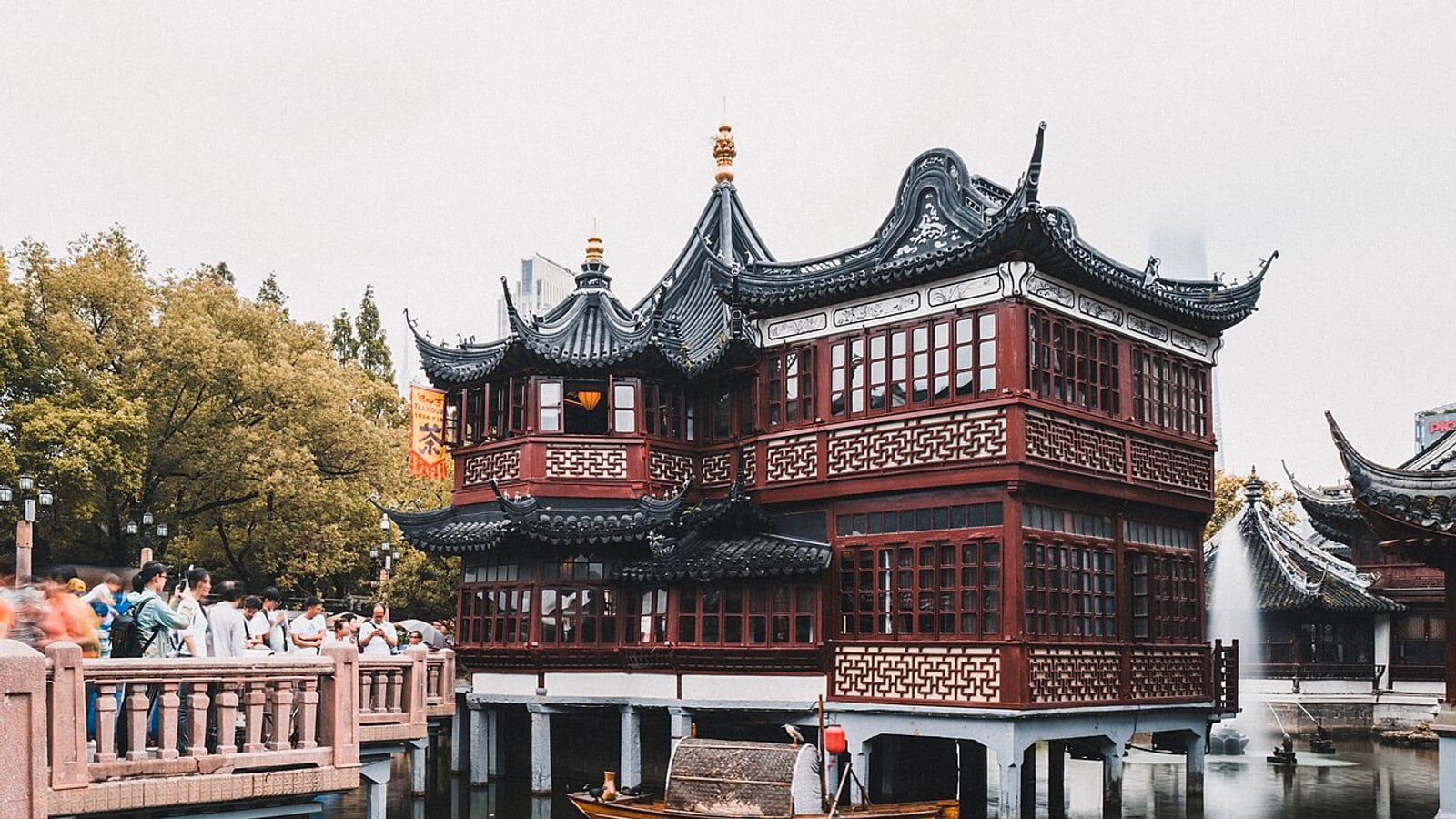
GillyBerlin · CC BY 2.0Tea in Shanghai
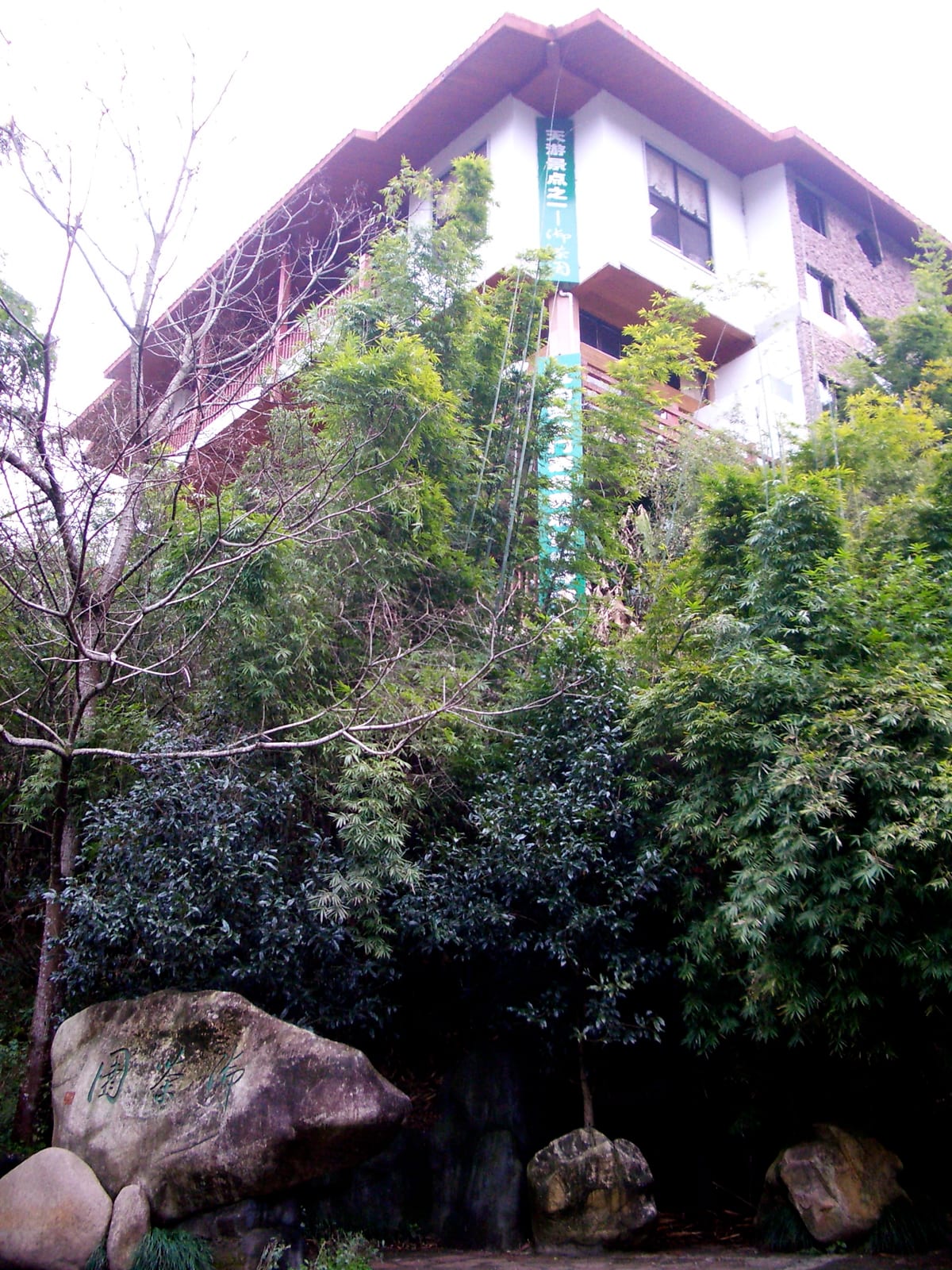
Shanghai has no contiguous tea gardens.It belongs on the tea map because it has long been a hub for tea distribution, brand building, teahouses and consumer education.
RegionExplore tea through the places and terroirs that shape it.
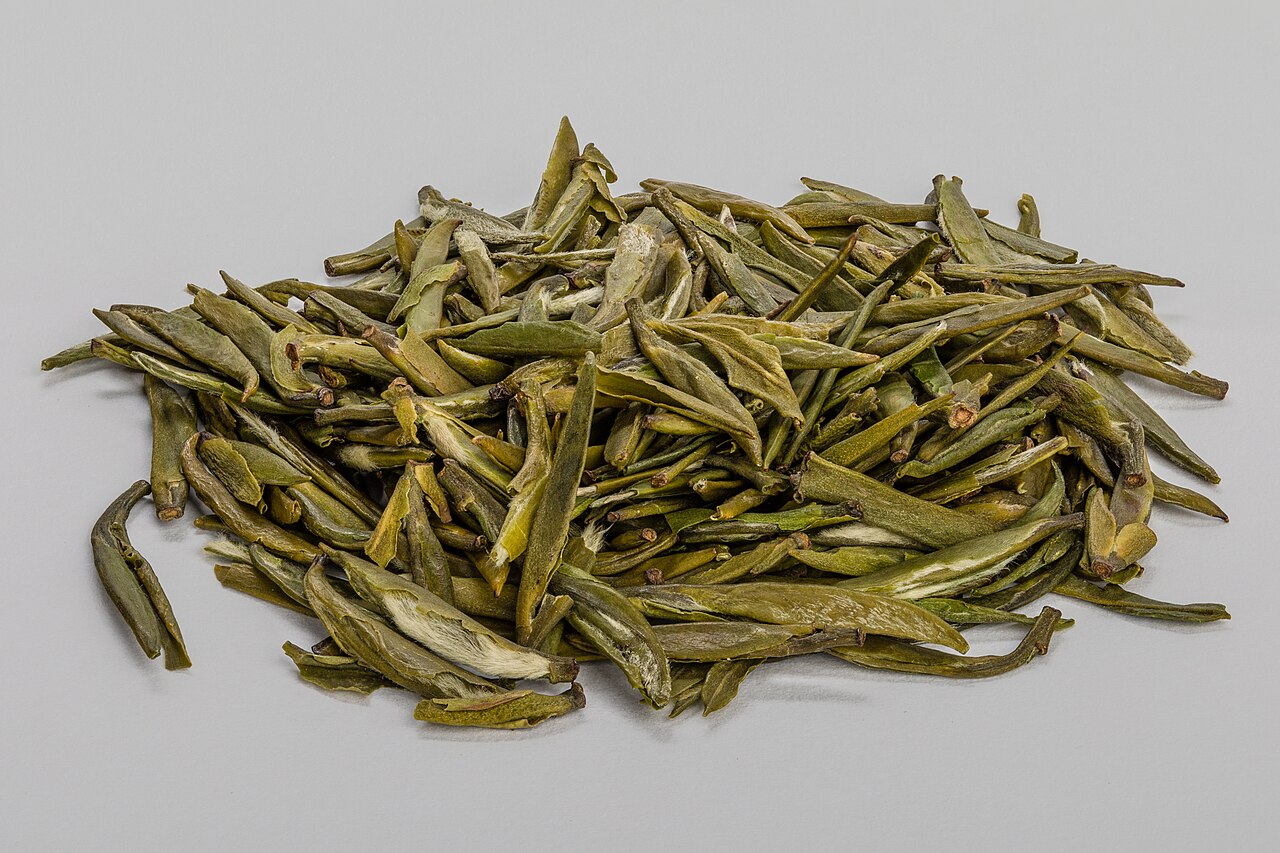
GillyBerlin · CC BY 2.0Shanghai has no contiguous tea gardens.It belongs on the tea map because it has long been a hub for tea distribution, brand building, teahouses and consumer education.
Region
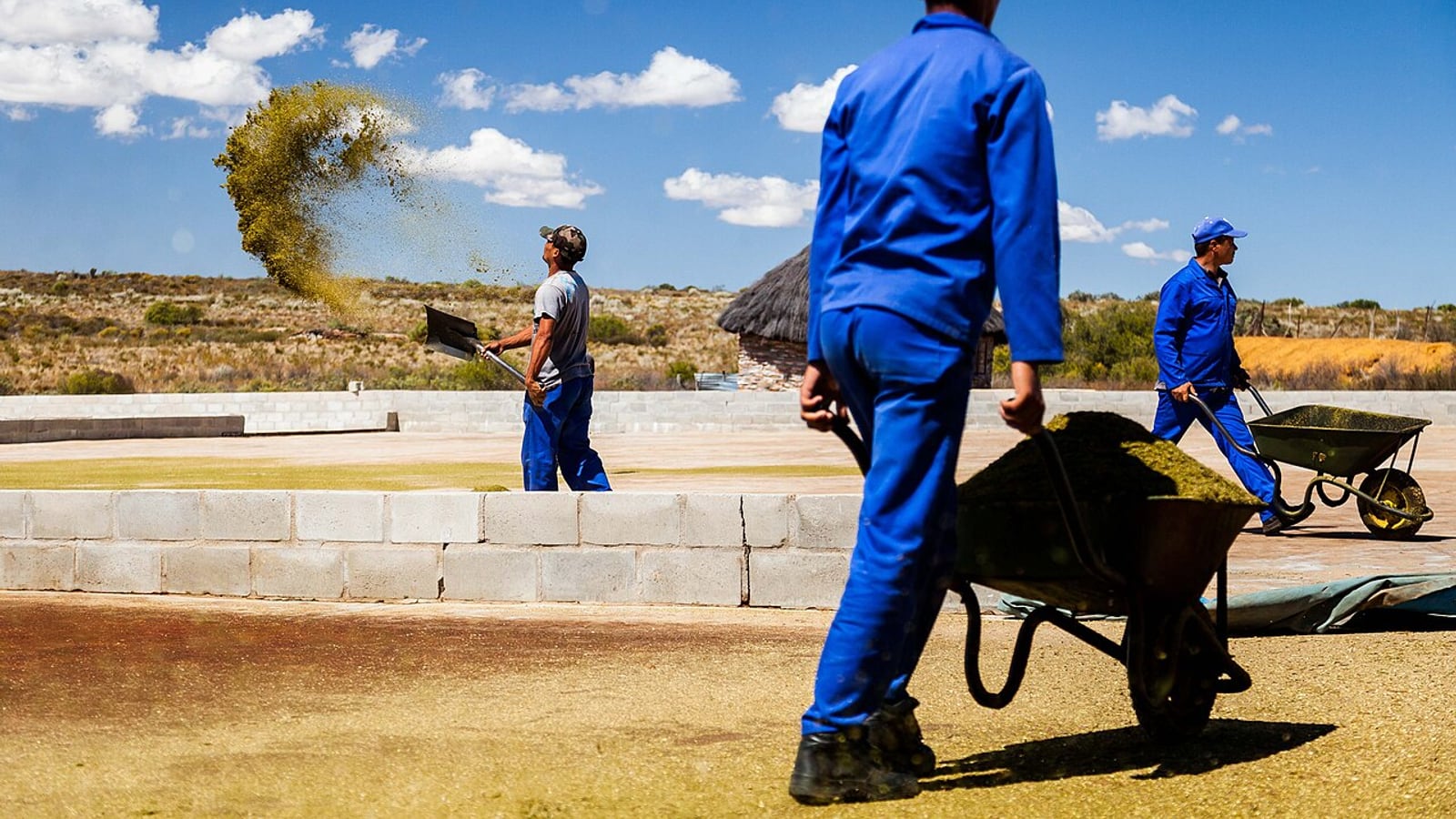
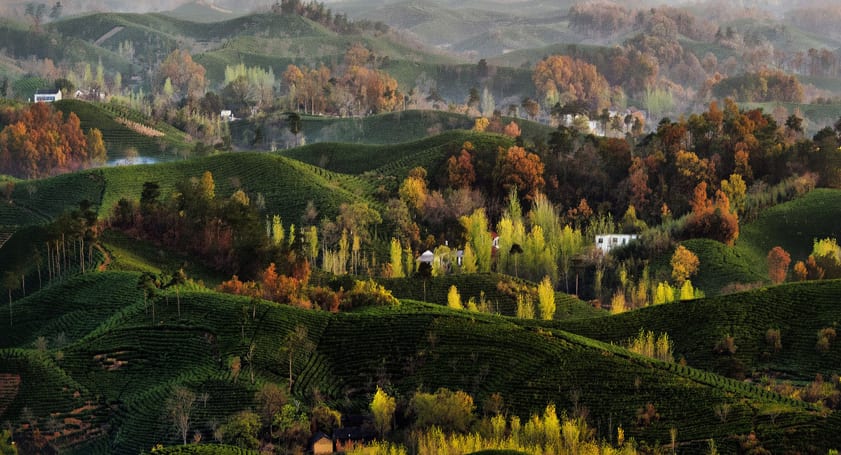
CEphoto, Uwe Aranas · CC BY-SA 4.0An overview of Sichuan tea: green, yellow, black, Tibetan dark tea and jasmine tea across the basin rim and the southern hills, with Mount Mengding and the tea-horse trade.
Region
Yann Macherez · CC BY-SA 4.0South African Camellia tea is small, mainly in the humid mountains of KwaZulu-Natal and the Eastern Cape.
Region
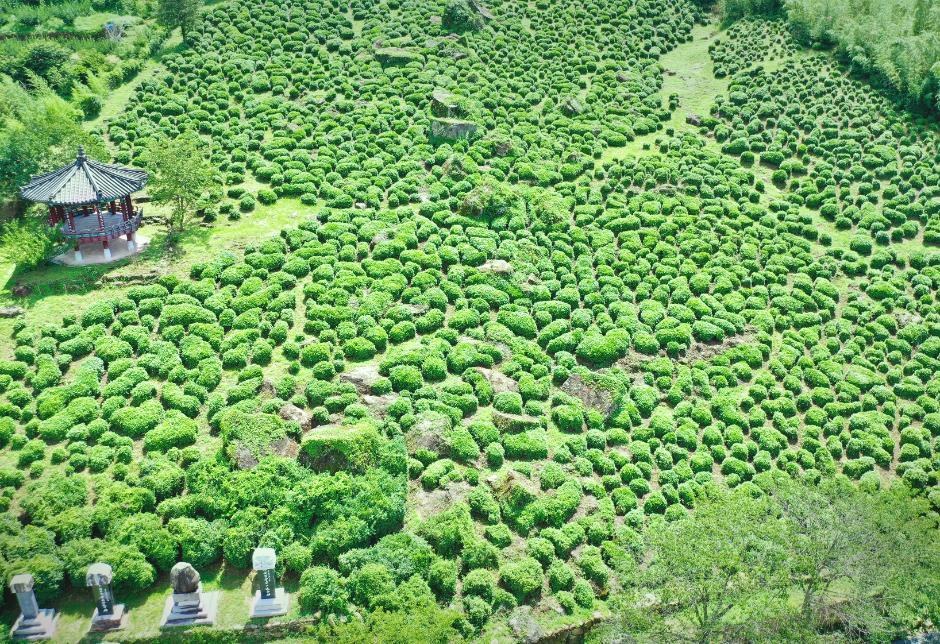
© Korea Tourism Organization (KTO), KOGL Type 1 · KOGL Type 1Korean tea concentrates in the south and south-west: Boseong in Jeolla, Hadong in Gyeongsang, Jeju island and the Jirisan area, at 200–800 metres, maritime and wet in summer.
Region
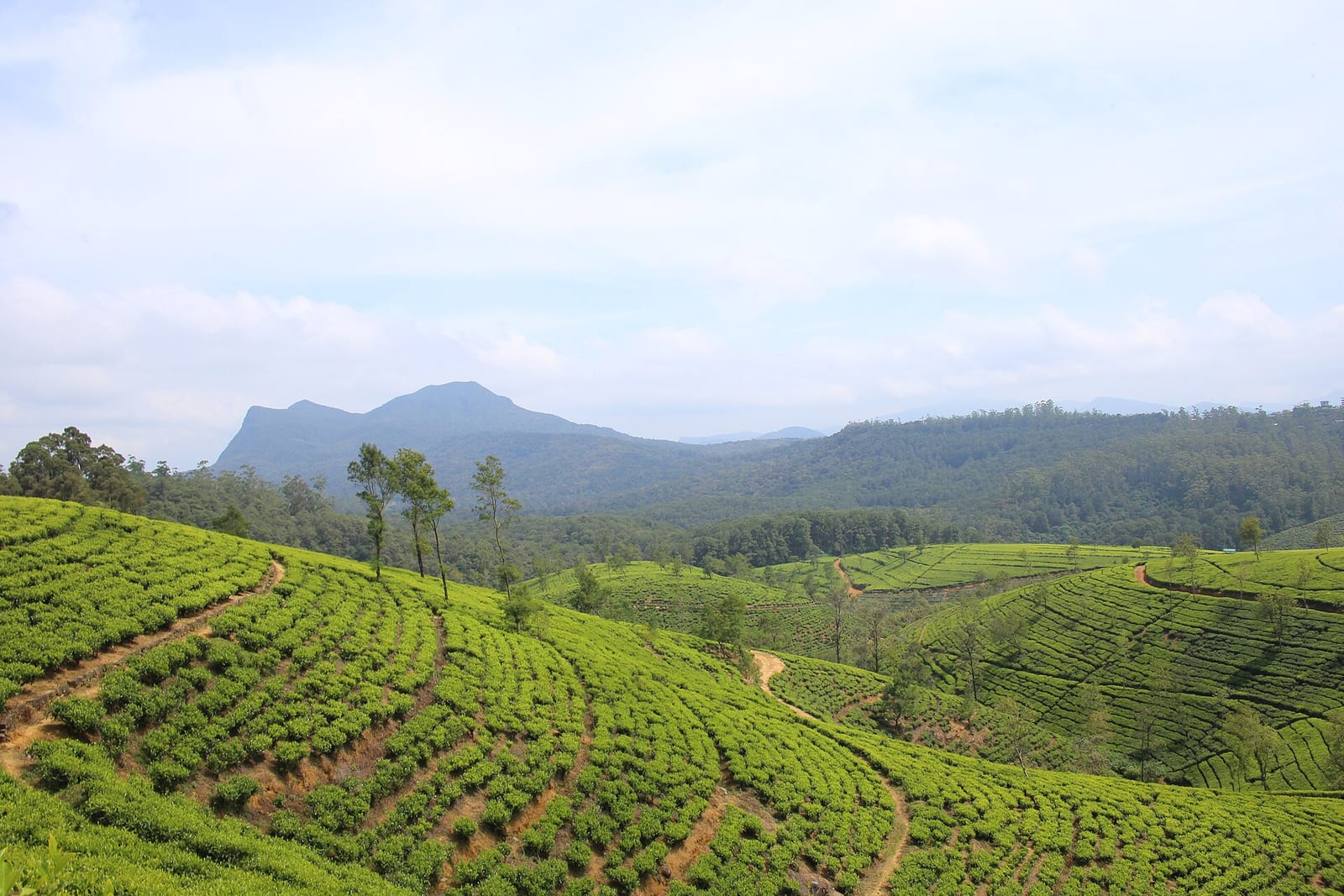
Bergentroll · CC0Ceylon tea began in 1867. The central highlands are divided into high, medium and low grown, with Nuwara Eliya, Dimbula, Uva and Kandy known for orthodox black tea and Colombo as the auction hub.
Region
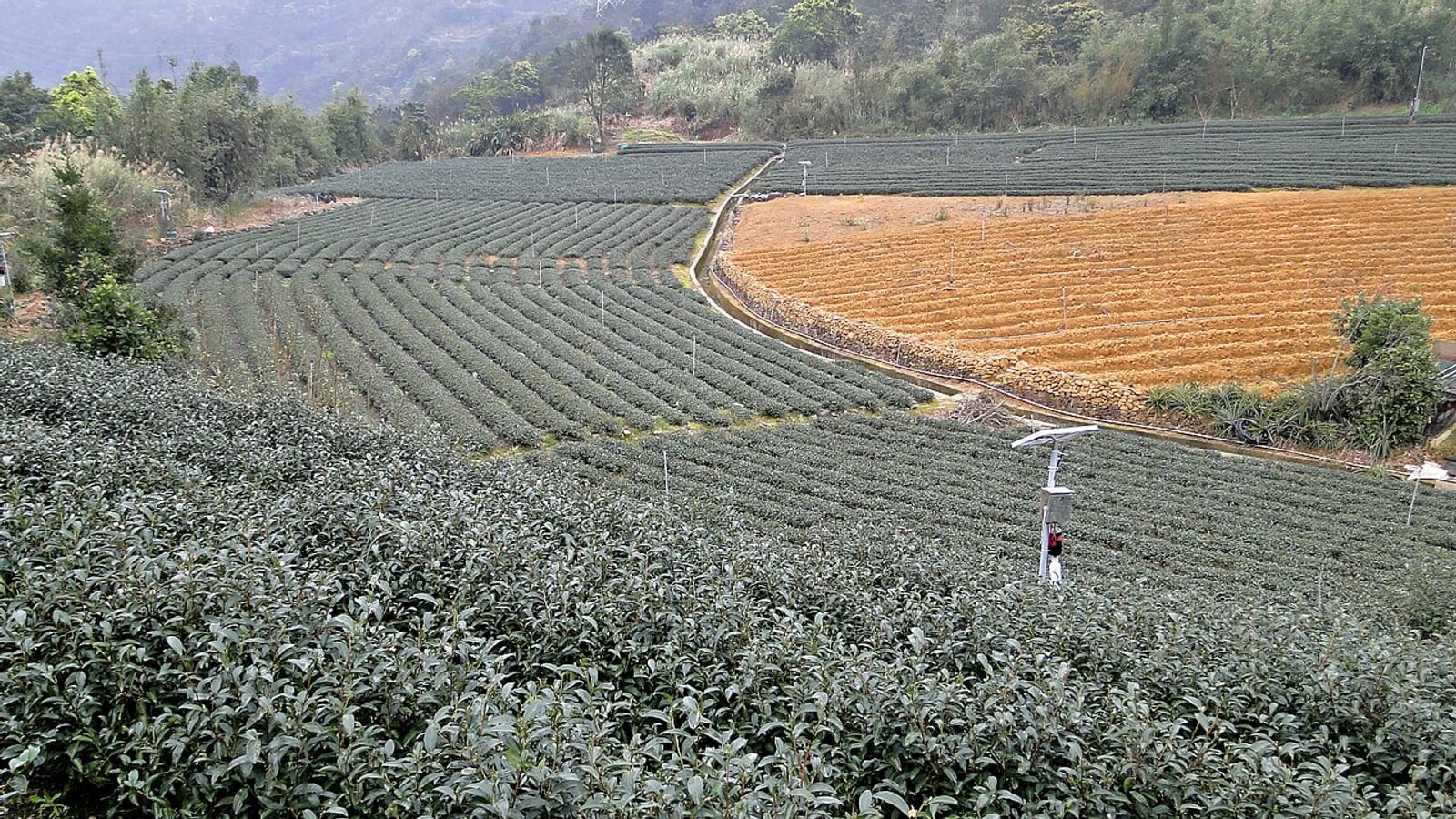
Bernard Gagnon · CC BY-SA 3.0Taiwan's tea areas concentrate in Nantou, Chiayi, Taipei, Taoyuan, Hsinchu and Miaoli.
Region
Paul Shaffner from State College, PA, USA, United States · CC BY 2.0Tanzanian tea concentrates in the southern highlands — Mbeya, Njombe, Rungwe — and around Tanga in the northeast, at 1,000–2,000 metres.
Region
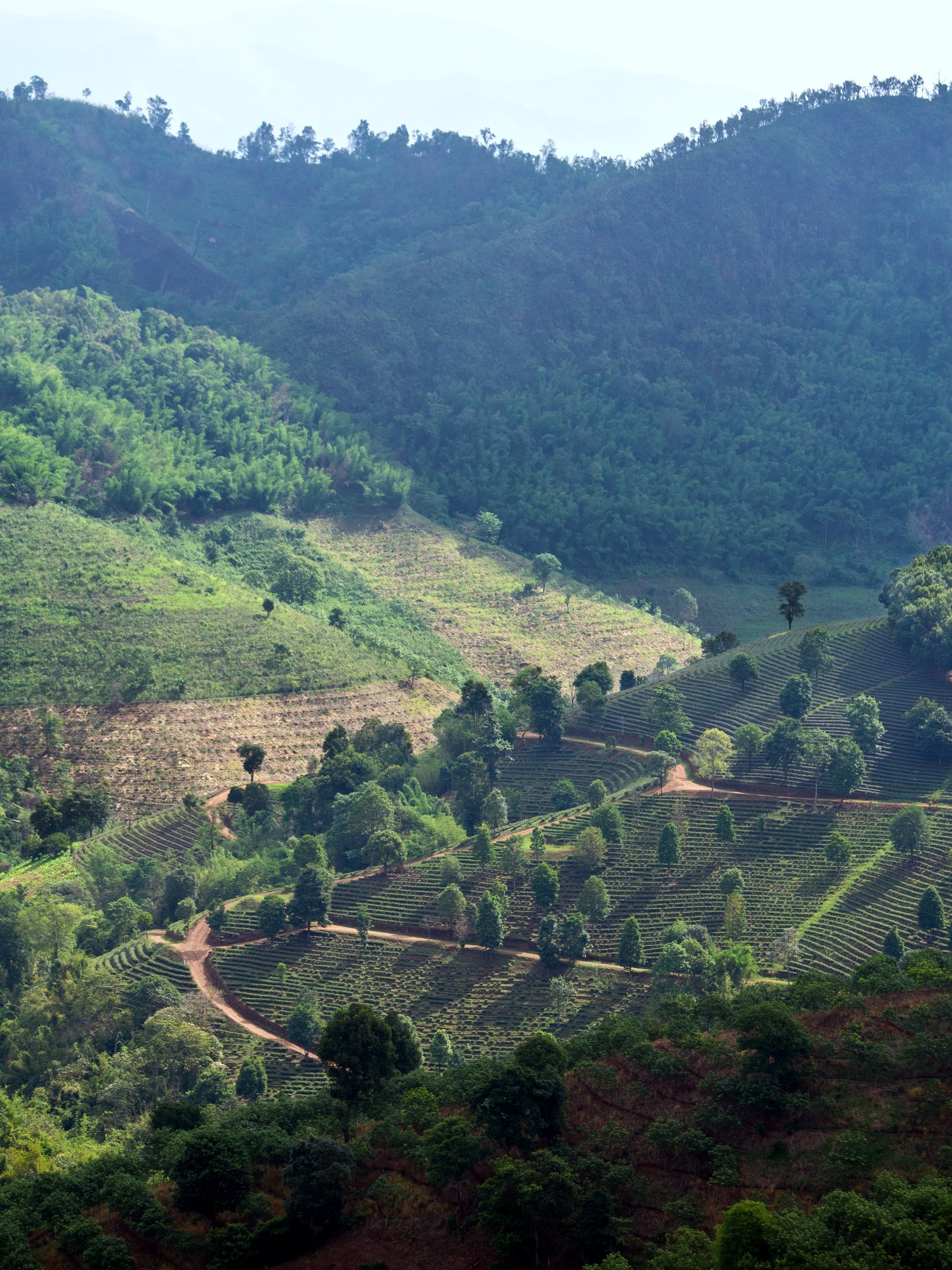
Takeaway / Wikimedia Commons · CC BY-SA 3.0Thai tea concentrates in the north and north-east highlands — Chiang Rai, Chiang Mai, Mae Hong Son and Nan — at 800–1,600 metres, under monsoon influence.
Region
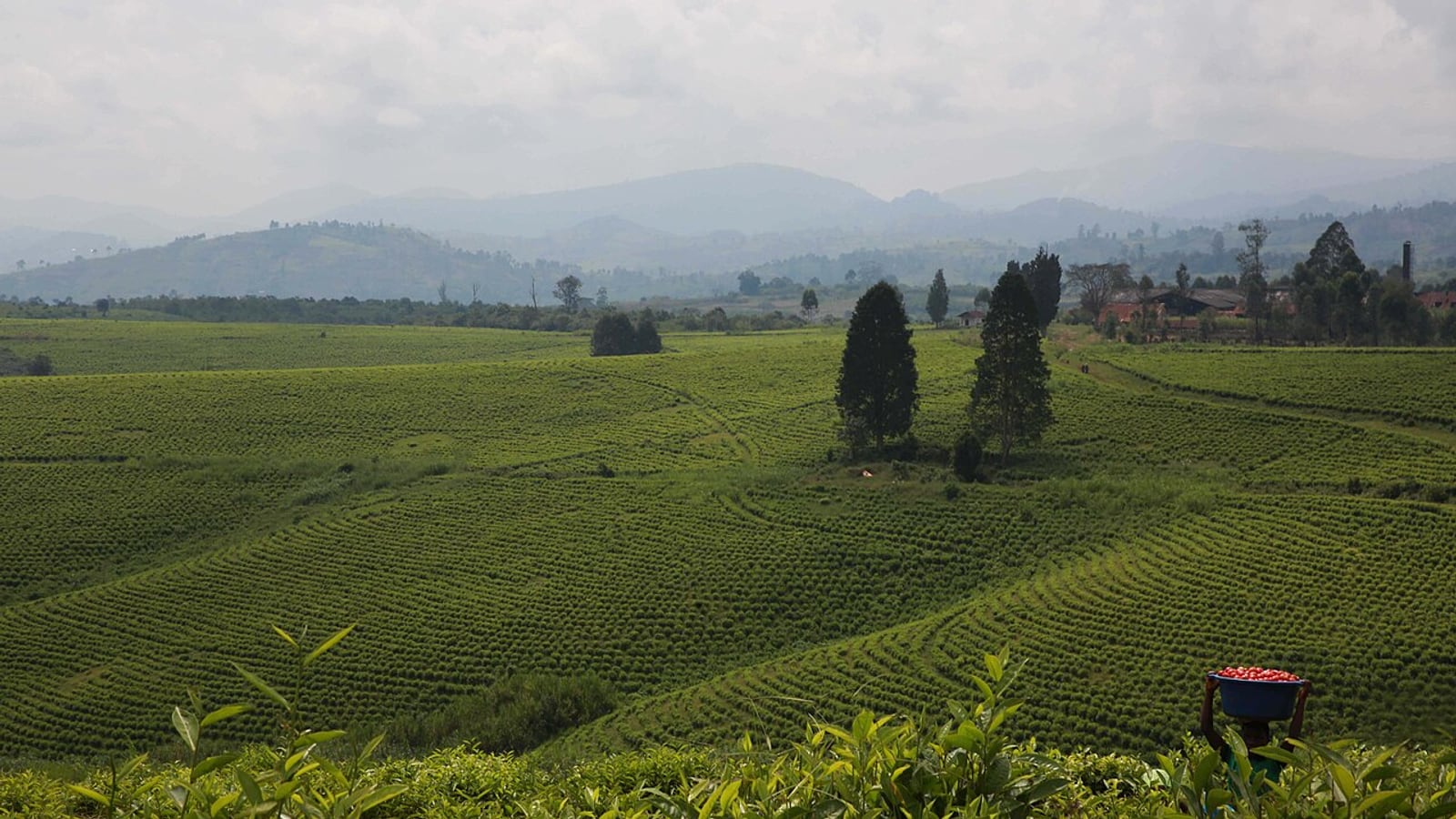
MONUSCO Photos · CC BY-SA 2.0DRC tea concentrates in the eastern Kivus — South Kivu, North Kivu and the Ruzizi plain — at 1,500–2,000 metres.
Region
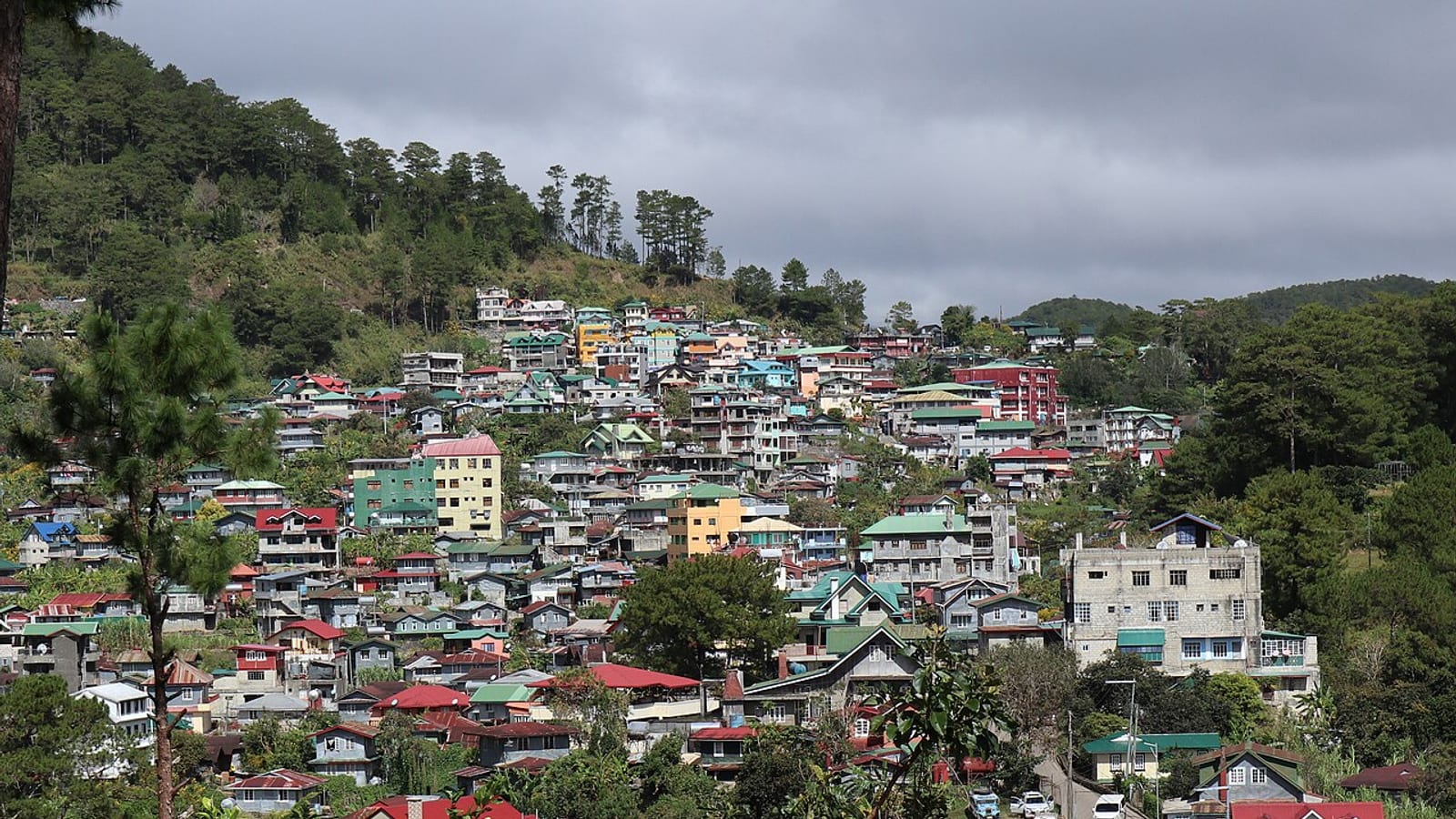
Patrickroque01 · CC BY-SA 4.0The Philippines has no large commercial tea estate. Tea is scattered across smallholder plots and trial stations in the Cordillera highlands of northern Luzon, while daily consumption is dominated by imported tea bags, milk tea and ready-to-drink tea. Sagada is known for coffee, not tea.
Region
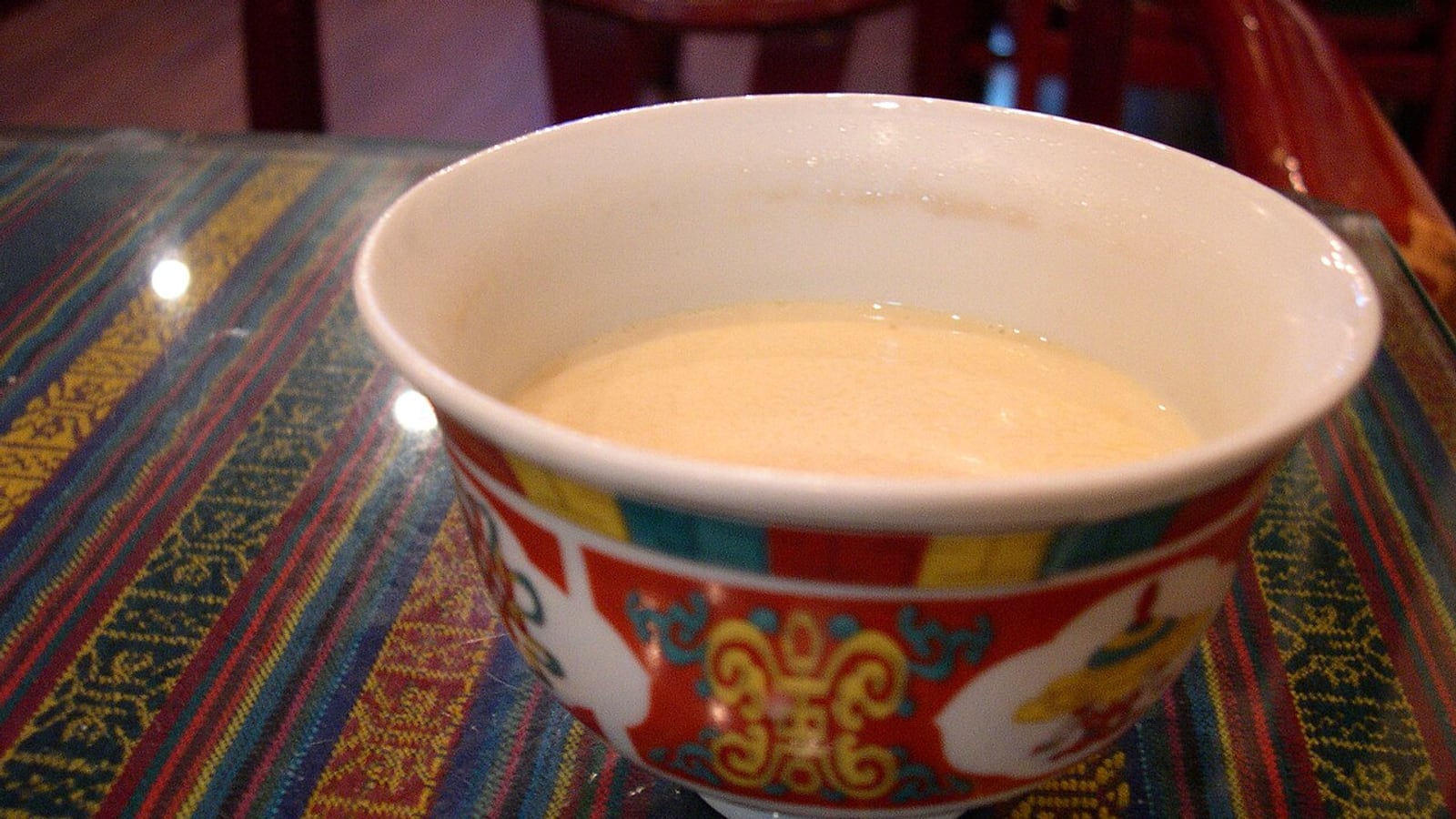
Yosomono · CC BY 2.0Most of Tibet is too cold and high for tea, yet tea is central to daily life: butter tea, sweet tea and plain tea structure hospitality and meals.
Region
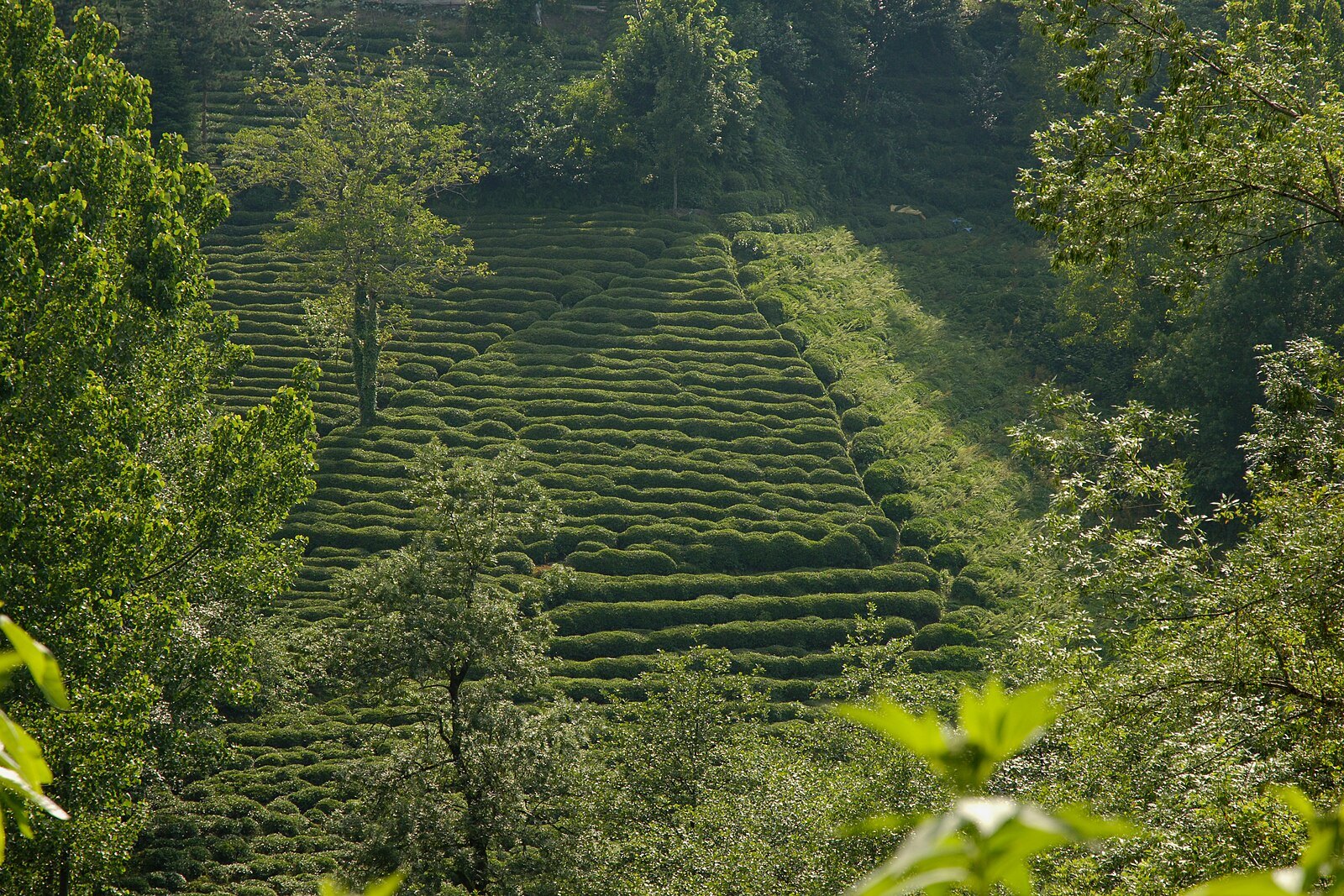
Dosseman / Wikimedia Commons · CC BY-SA 4.0Turkish tea is concentrated on the eastern Black Sea coast in Rize, Trabzon and Artvin. Black tea dominates, with Çaykur and private factories, the çaydanlık double pot and tulip glass shaping national tea culture.
Region
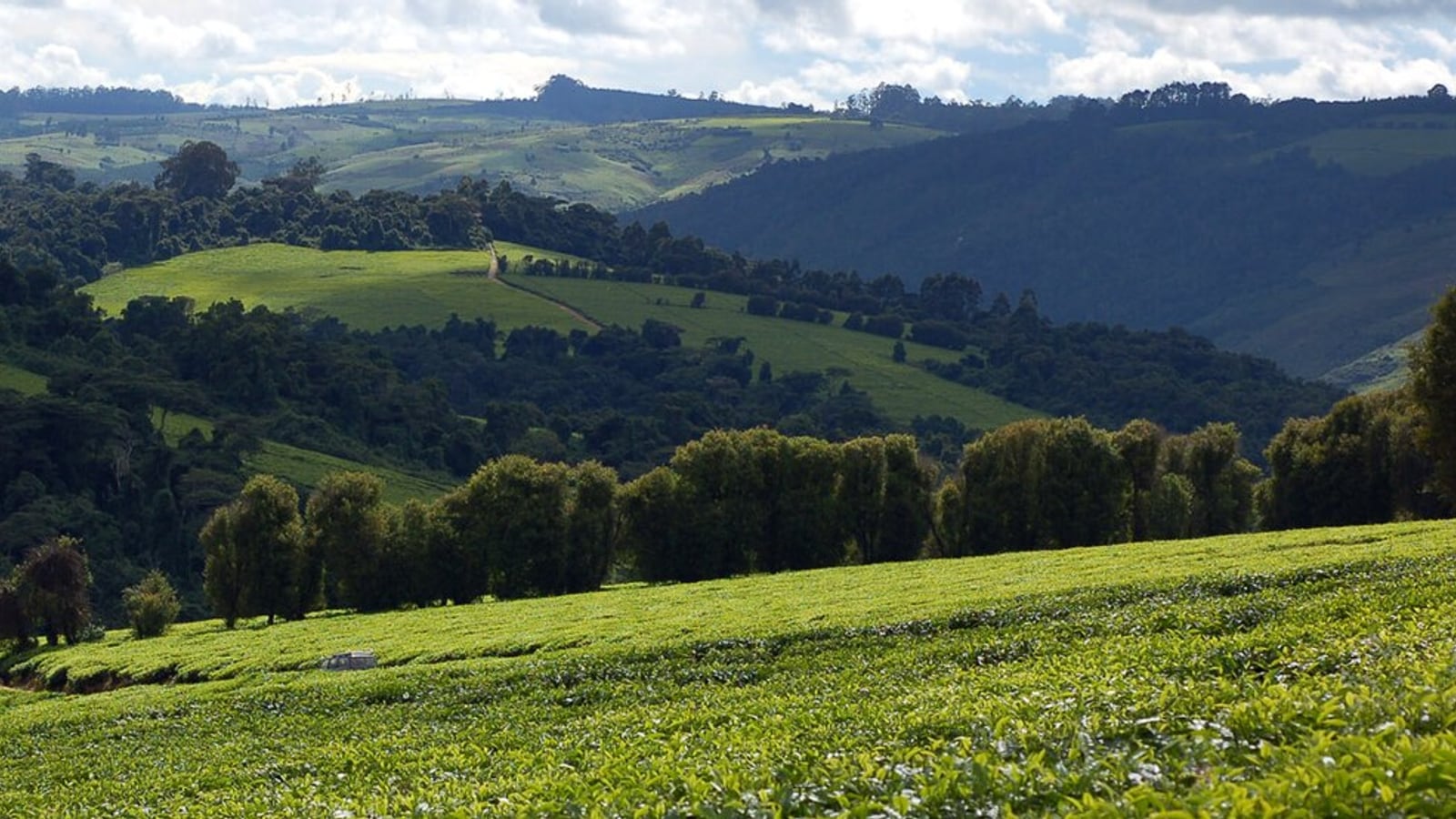
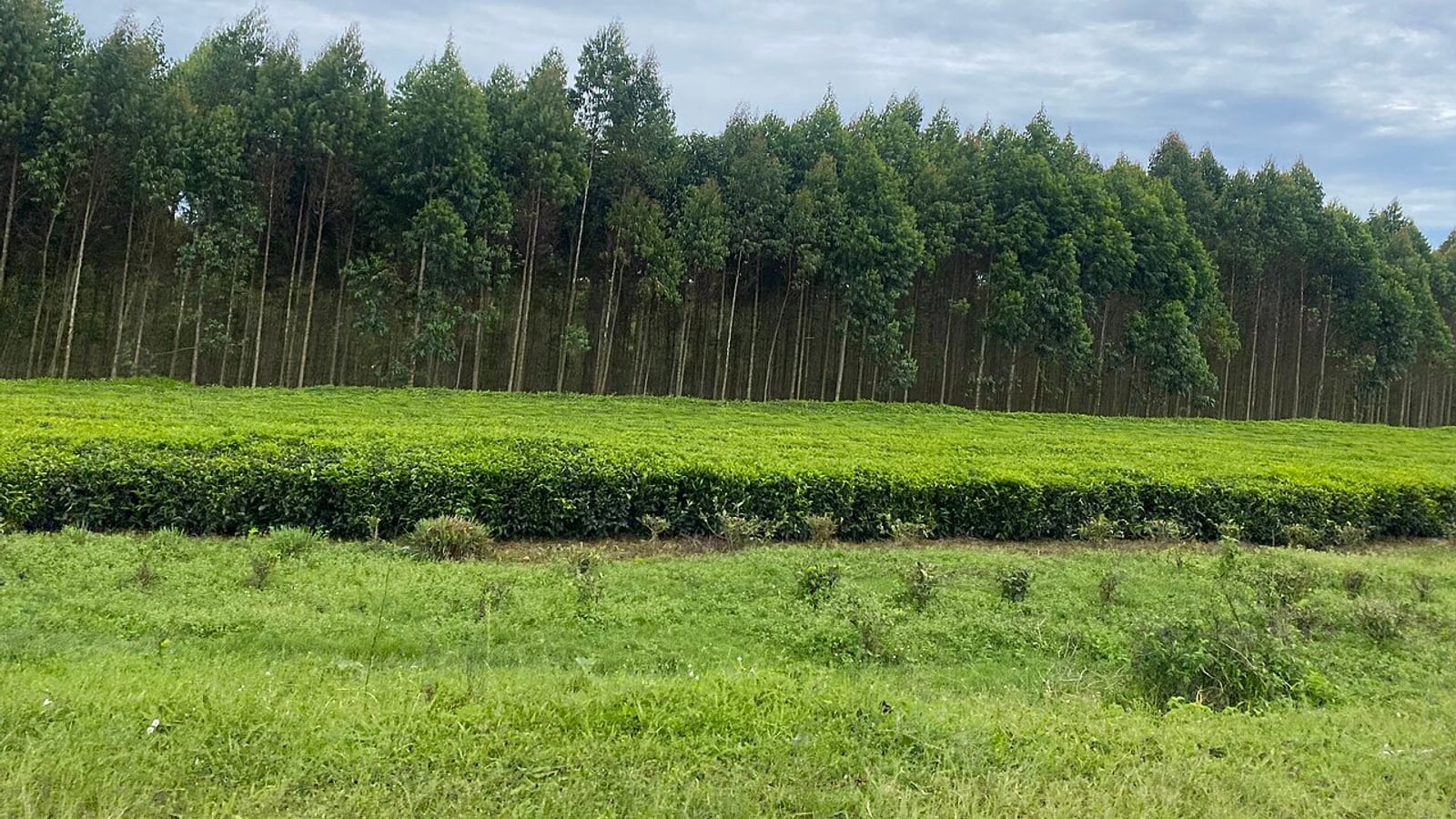
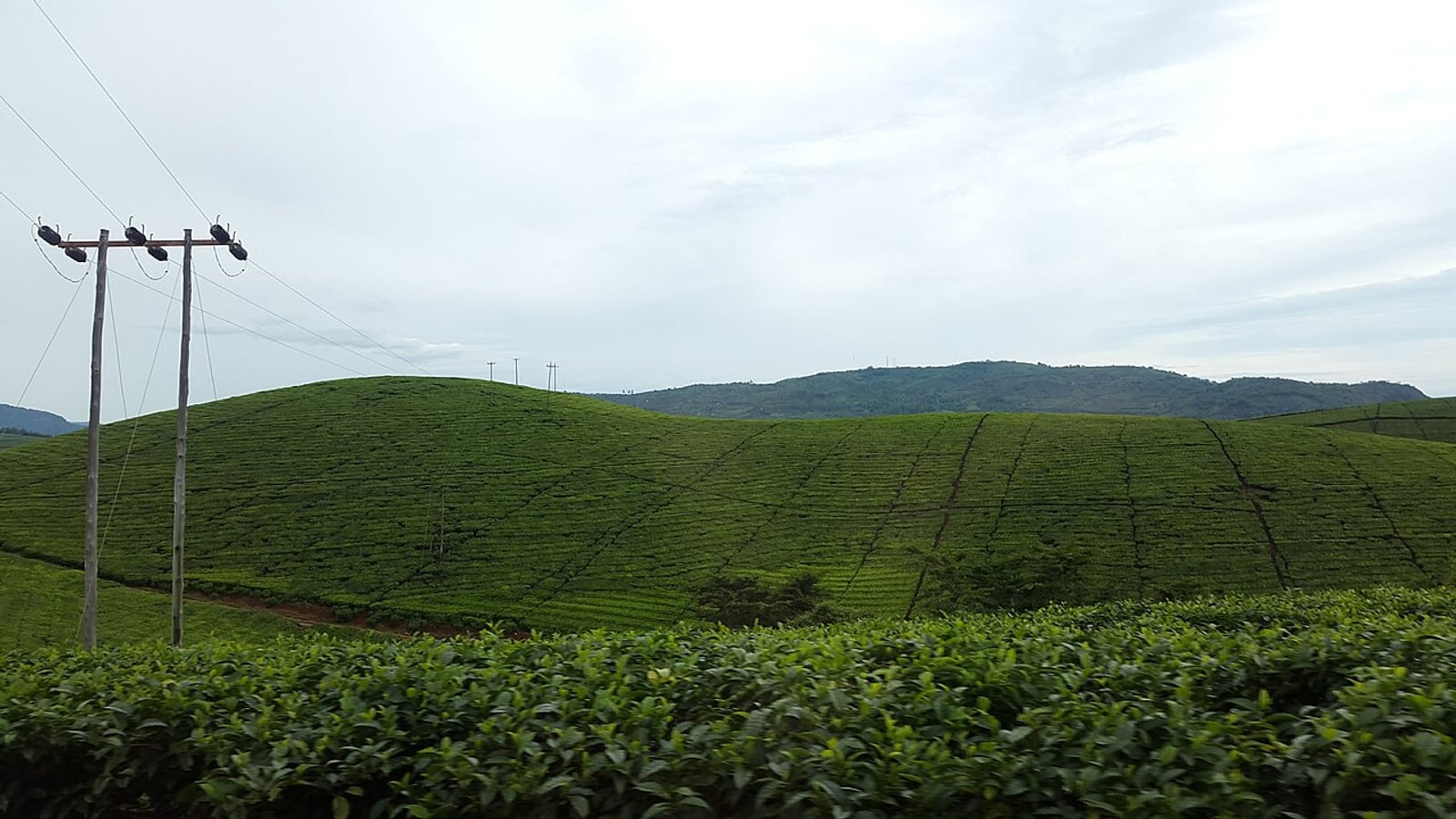
BalukuBrian · CC BY-SA 4.0Ugandan tea spreads across the west and southwest — Tororo, the Jinja area, Kabale and the Rwenzori foothills — at 1,500–2,000 metres.
Region
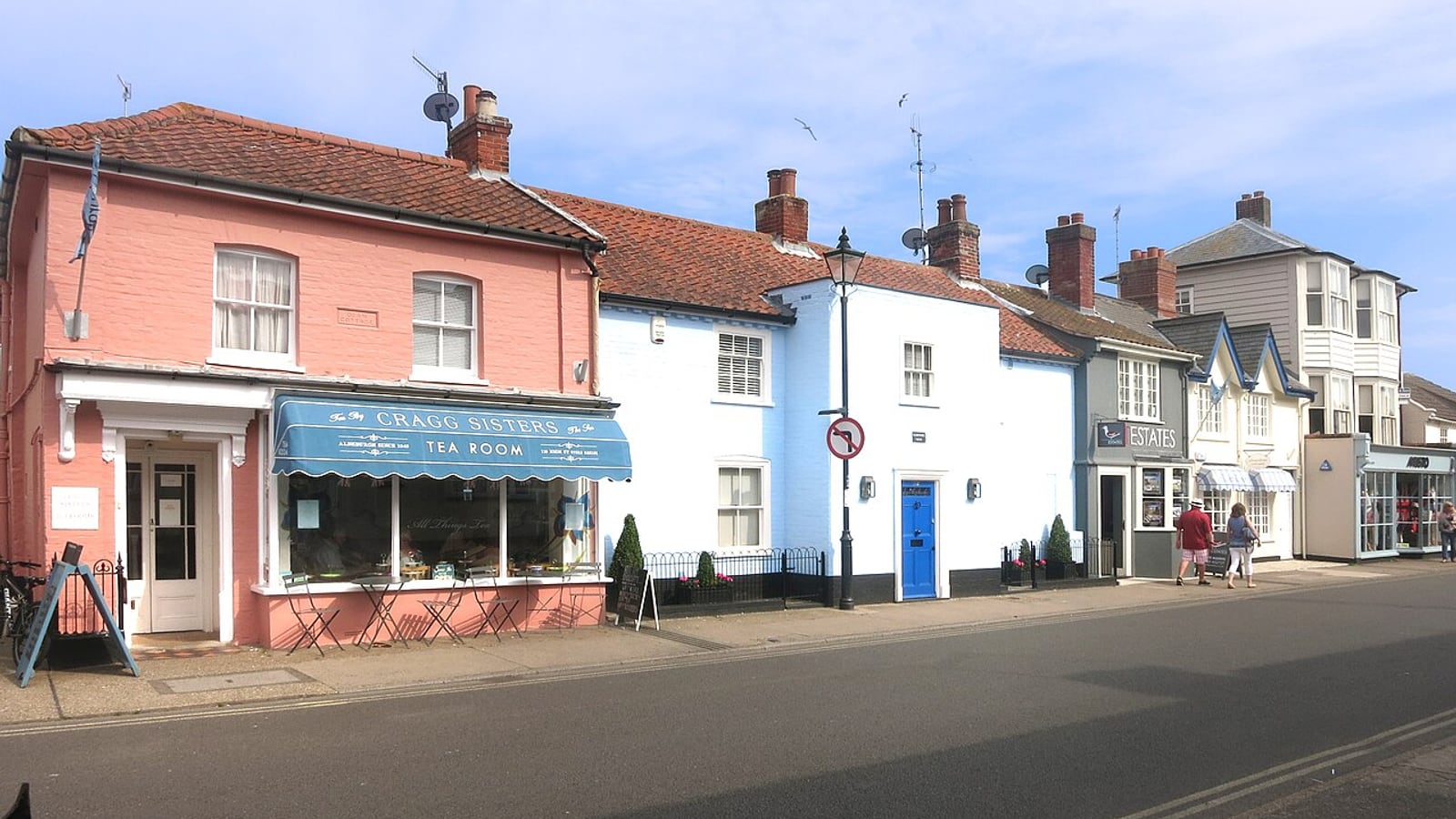
Des Blenkinsopp · CC BY-SA 2.0The UK grows no commercial tea, yet it shaped modern black-tea consumption and branding: the East India Company, afternoon tea, tea bags, blends and tea-room culture.
Region
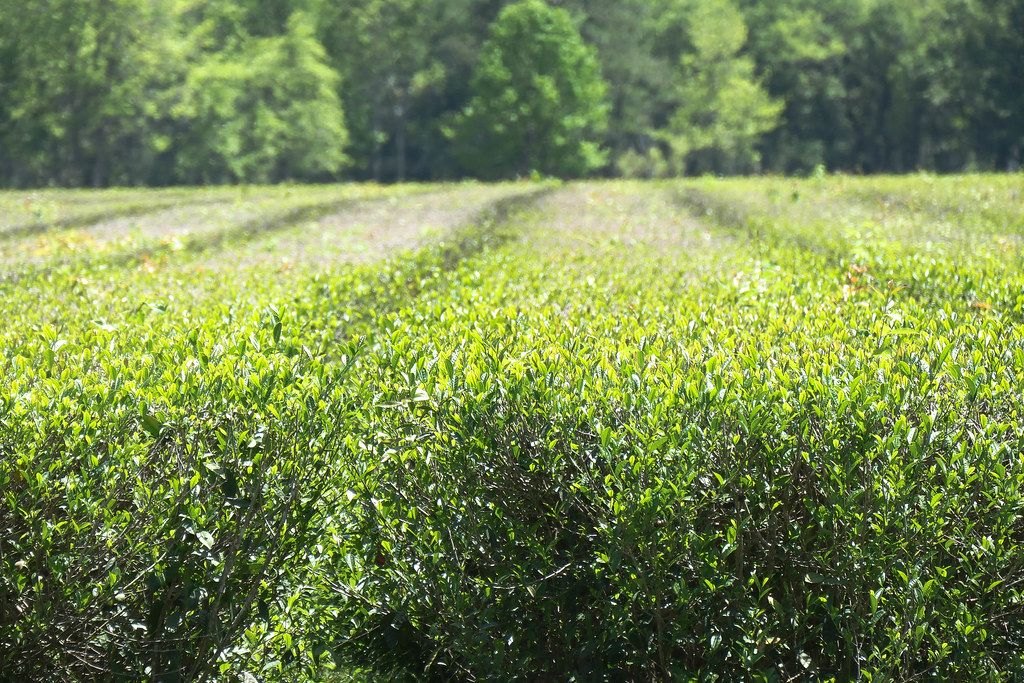
Jonathan Geiger (erniedog1982) / Flickr · CC BY 2.0The USA has no traditional commercial tea region; Charleston Tea Garden and Hawaii are exceptions. Iced tea, tea bags, specialty tea and coffee competition define its tea culture.
Region
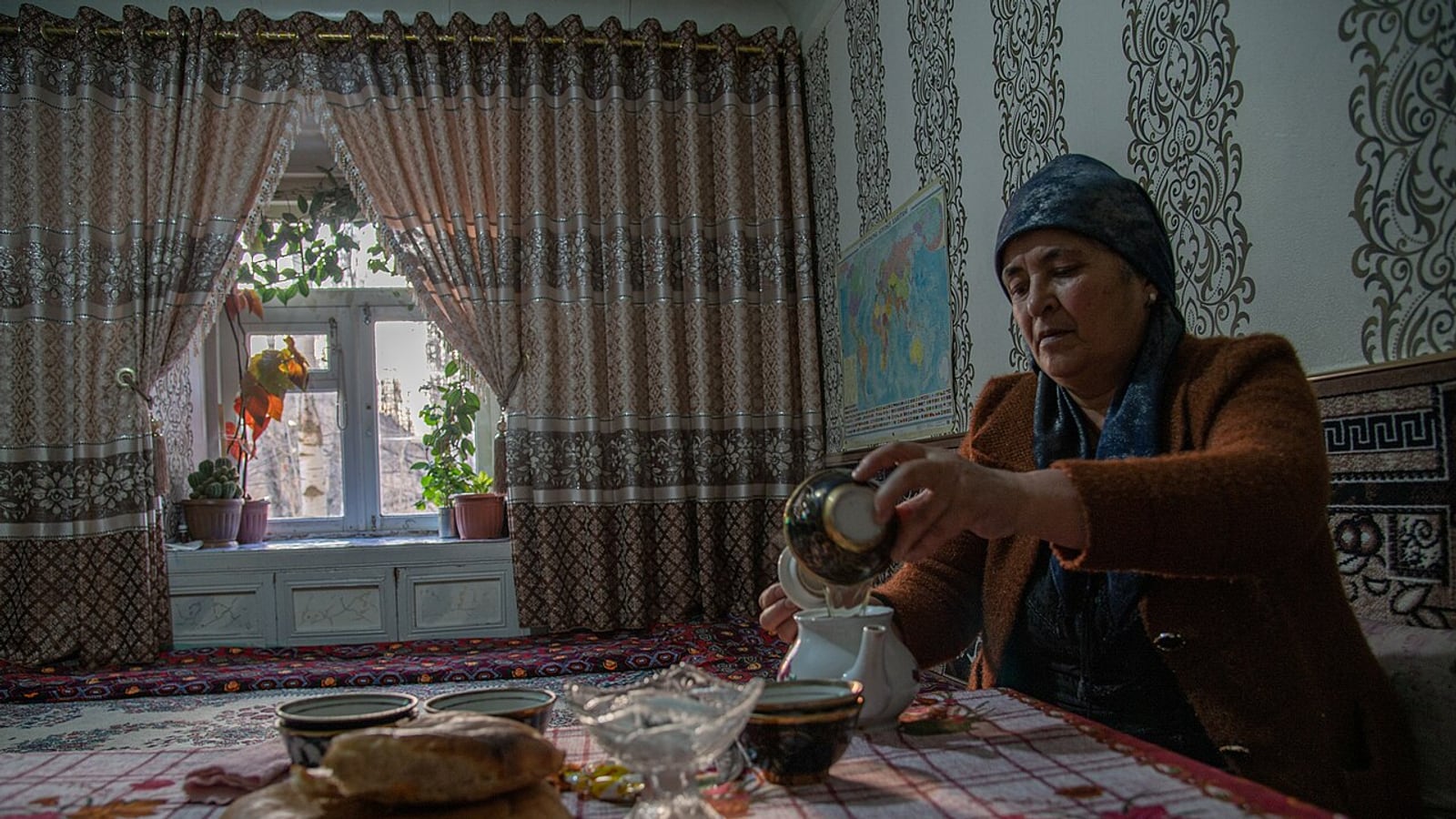
Miss Kamola · CC BY-SA 4.0Uzbekistan is landlocked and arid, with no commercial tea outside trial plots; yet it is a core Central Asian tea market, where green tea, black tea, samovar and bread structure meals.
Region
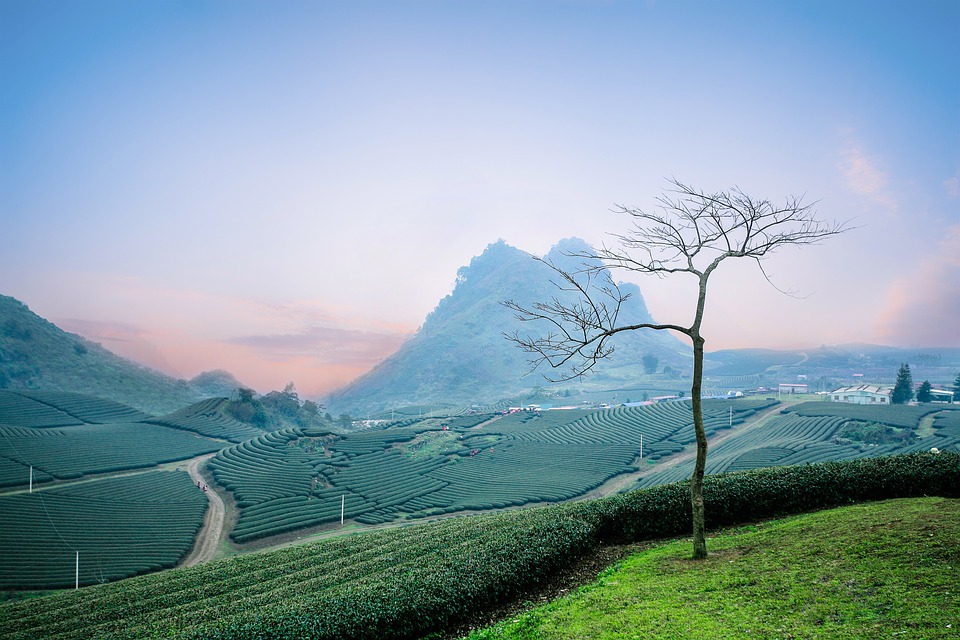
ToanNguyen / Wikimedia Commons (Pixabay) · CC0 1.0Vietnam spans several tea areas: the northern mountains of Thái Nguyên, Tuyên Quang, Hà Giang and Sơn La make green tea, Shan old-tree tea and oolong; the central highlands of Lâm Đồng make black, oolong and export tea.
Region
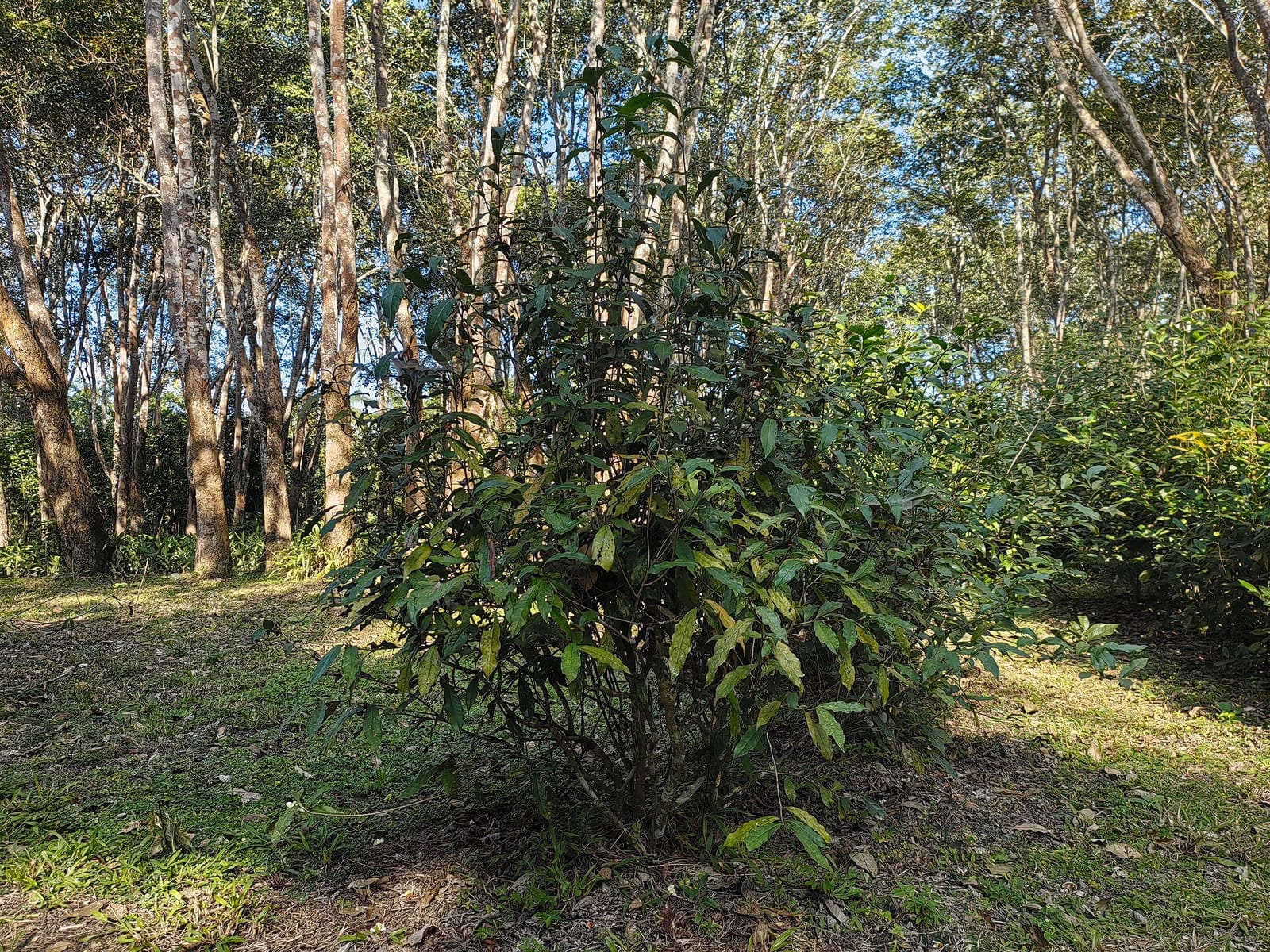
Yumeto · CC BY-SA 4.0An overview of Yunnan tea: the low-latitude plateau, ancient tea-tree resources, Pu'er and Dianhong production, processing and markets.
Region
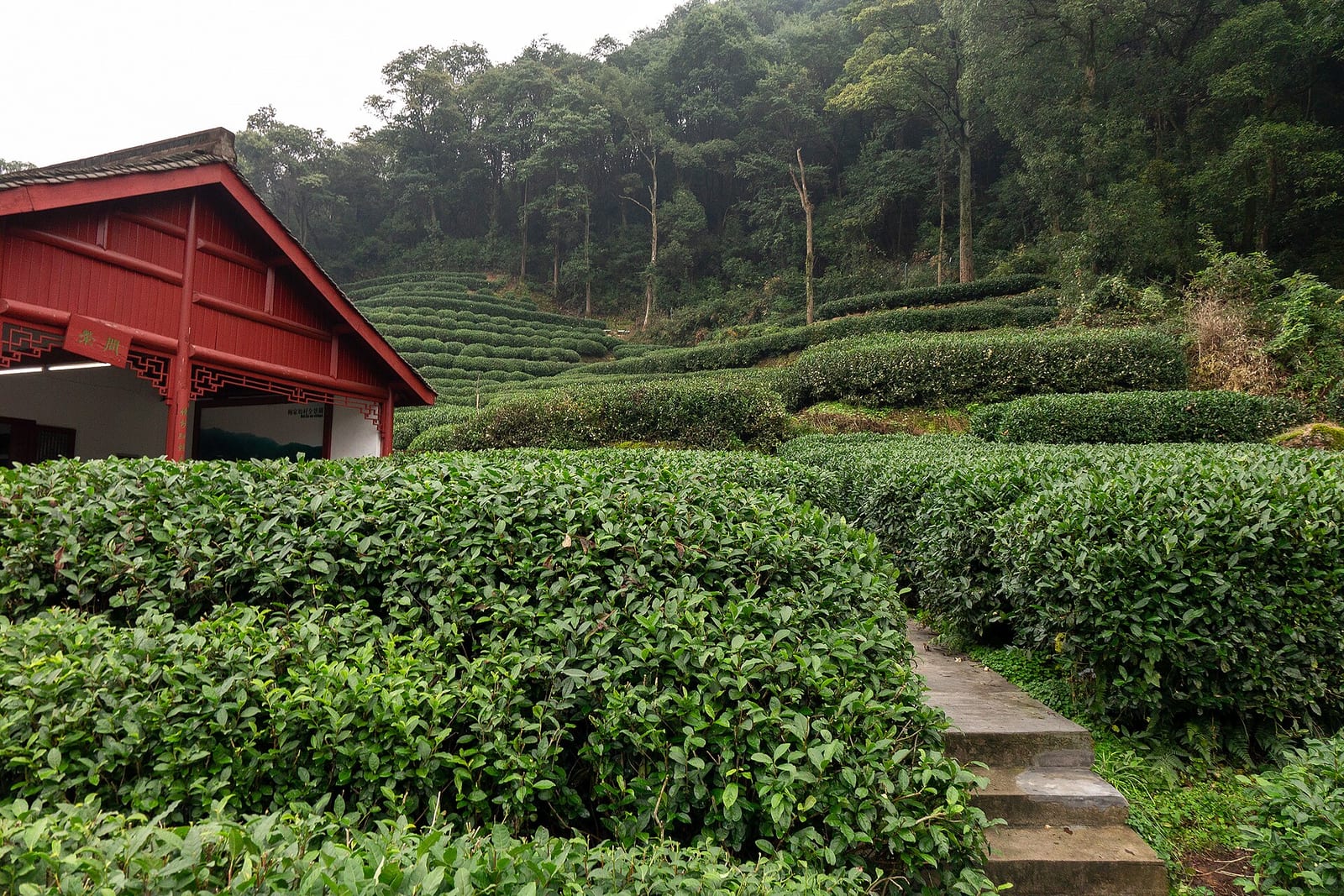
Peter K Burian · CC BY-SA 4.0An overview of Zhejiang tea: Longjing country, the white-leaf gardens of Anji, the early teas of southern Zhejiang and the province's export green teas.
Region
Tarisai.m · CC BY-SA 4.0Zimbabwean tea concentrates in the eastern highlands — Chipinge, the Honde Valley and Mutare — at 1,000–1,500 metres.
Region
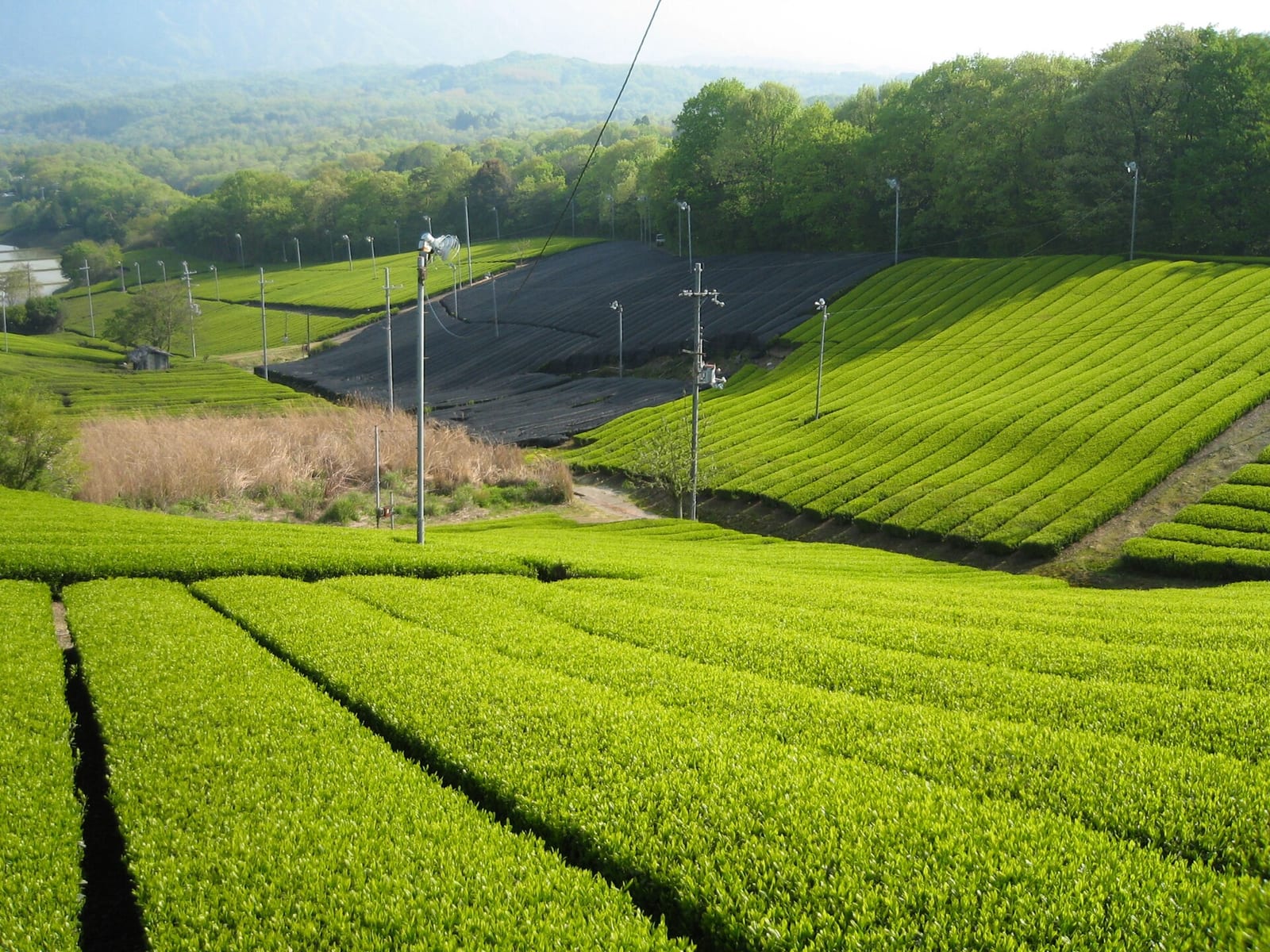
vera46 · CC BY 2.0Uji, south of Kyoto, is the core of matcha and gyokuro. River mist, shading, tencha and stone milling, plus tea-ceremony tradition, define Japan’s highest-grade green tea.
RegionCore
Peter K Burian · CC BY-SA 4.0West Lake Longjing is a flat green tea from around Hangzhou’s West Lake. Shifeng, Meijiawu, Longwu and Wengjiashan grow Longjing 43 and local population, with ten hand-firing motions producing green colour, rich aroma, sweet taste and beautiful shape.
RegionCore
Jackcsk · Public domainWuyi rock tea is a Danxia-landscape oolong from northern Fujian. True rock, half-rock, river tea and gorge microclimates, with shaking, rolling and charcoal roast, produce the “rock bone and flower aroma” of Da Hong Pao, Rou Gui and Shui Xian.
RegionCore
Zytpz · CC BY-SA 4.0Xinyang is a famous green-tea region in southern Henan. Xinyang Maojian is known for fine, round, glossy, straight tips with white hair; the Dabie Mountains and north–south climate transition shape its chestnut aroma, freshness and endurance.
RegionCore
Yumeto · CC BY-SA 4.0Xishuangbanna is the core of Yunnan puer, with the Lancang River, six famous tea mountains and ancient trees shaping sheng, shou and mountain-specific tea. Ancient tree does not equal quality; craft and storage matter equally.
RegionCore