Scope
Yunnan lies in southwest China, with tea gardens spread across the mountains, hills and valleys of a low-latitude plateau. In 2024 the province had 8.07 million mu of tea gardens and produced 560,000 tonnes of made tea, with a total industry value of RMB 176 billion. Pu'er tea accounted for 185,000 tonnes, green tea 124,000 tonnes and black tea 98,000 tonnes. Production is concentrated in Xishuangbanna, Pu'er, Lincang, Baoshan and Dehong, and extends into Dali, Honghe and Wenshan. Yunnan makes Pu'er, Dianhong black tea, green tea, white tea and minority tea customs; "Yunnan tea" is not a synonym for Pu'er.
Geography and terroir
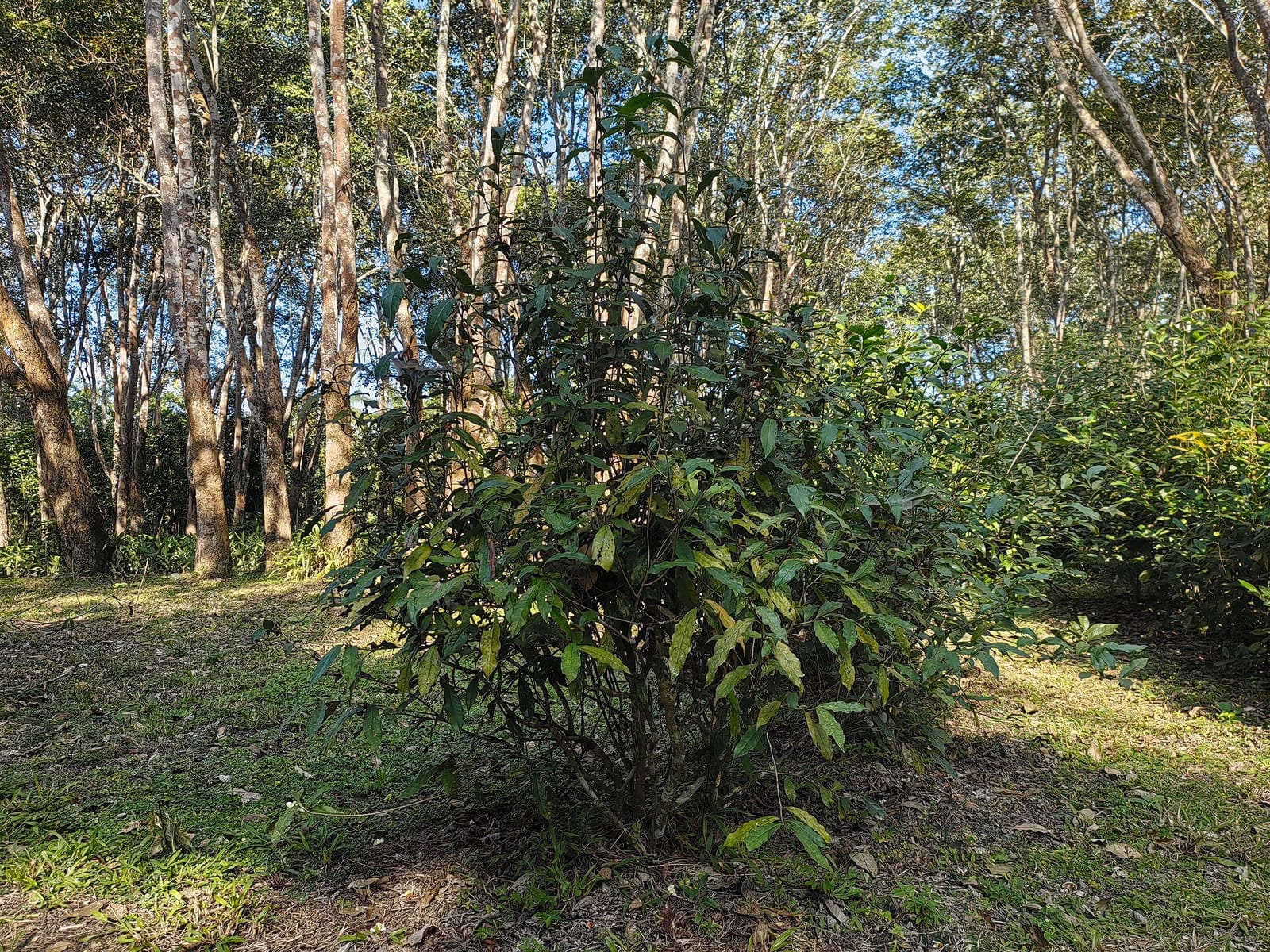
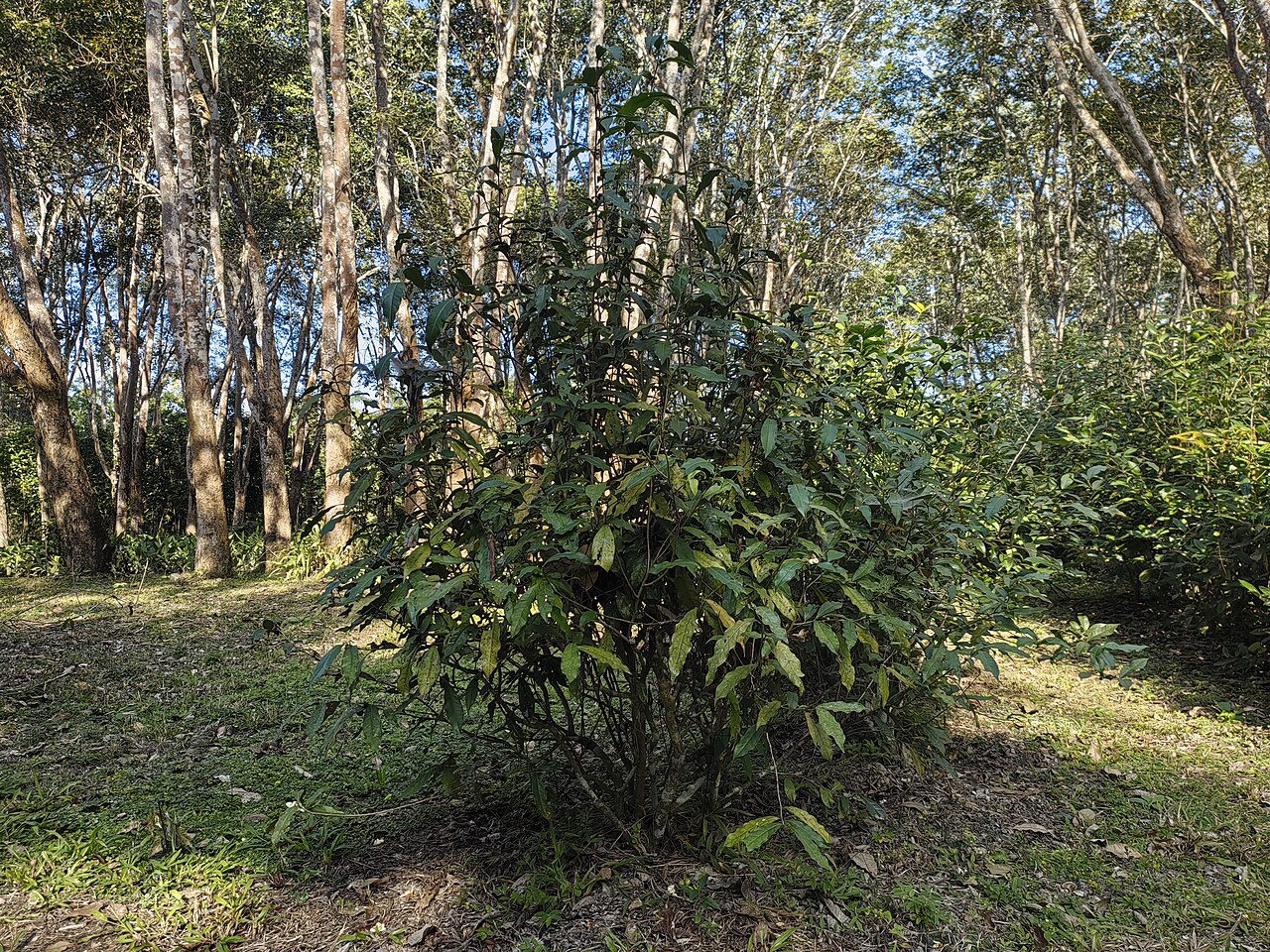
Yunnan is a low-latitude plateau with huge elevation differences and pronounced vertical climate zones. Tea gardens in Xishuangbanna, Pu'er and Lincang sit mostly in tropical and subtropical mountains with high forest cover and red or yellow soils. Baoshan and Dehong are shaped by the Gaoligong Mountains and the monsoon, with stronger day-night temperature and humidity swings. Dali, Honghe and Wenshan combine plateau, mountain and valley climates. Ancient tea trees, ancient tea forests and terrace gardens coexist; shade, companion trees, soil biology and altitude all affect fresh-leaf quality. "Mountain character" varies greatly, and villages within the same county can produce quite different styles.
Main tea areas
- Xishuangbanna: Bulang Mountain, Nannuo Mountain, Laobanzhang and Laomane around Menghai and Jinghong, a core area for Pu'er.
- Pu'er City: Jingmai Mountain in Lancang, Jinggu, Simao and Ning'er; the cultural landscape of Jingmai's ancient tea forests was inscribed on the World Heritage List in 2023.
- Lincang: Bingdao in Shuangjiang, Xigui in Bangdong and Mangfei in Yongde, known for the Mengku large-leaf cultivar and distinct mountain sites.
- Baoshan–Dehong: Dianhong, green tea and ancient-tree tea around the Gaoligong Mountains, Changning and Mangshi.
- Dali–Honghe–Wenshan: plateau green and black teas and ethnic tea customs, more dispersed but stylistically varied.
Tea types and processing
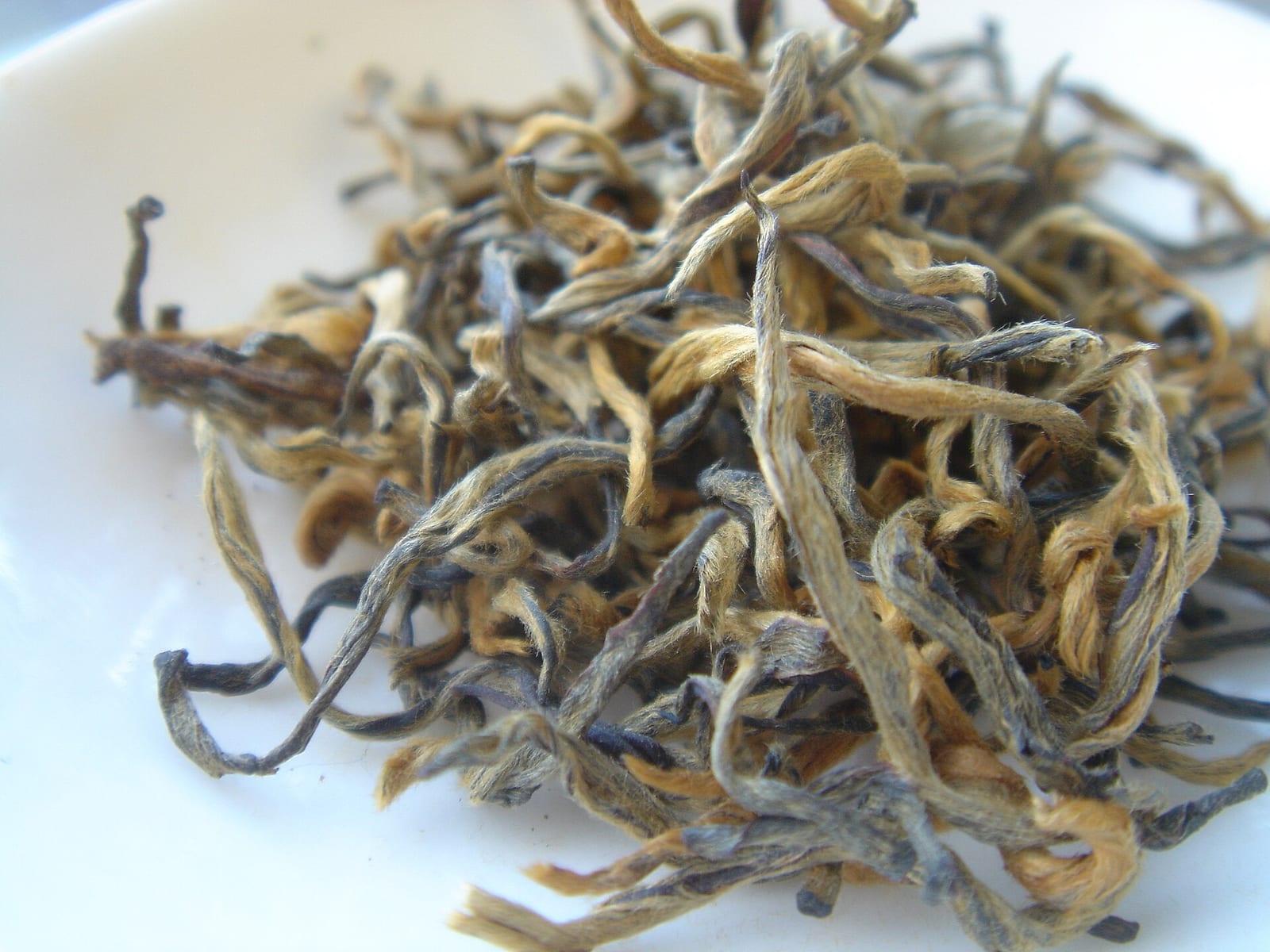
Pu'er is Yunnan's best-known tea family. Sheng Pu'er starts from sun-dried green maocha made from Yunnan large-leaf cultivars; after steaming and pressing, it changes slowly with storage. Shou Pu'er undergoes pile fermentation before screening and pressing, giving a reddish-brown liquor and a rounded, deep taste. Dianhong uses large-leaf leaves from Fengqing and nearby areas, going through withering, rolling, fermentation, drying and refining; it is valued for golden buds, sweet aroma and a strong, thick body. Yunnan also makes green tea, white tea such as Moonlight White, and minority teas such as roasted tea and bamboo-tube tea. Each process has its own leaf standard, temperature, humidity and storage needs; "the older the better" does not apply to every tea.
History and market
Yunnan is one of the core origin regions of the tea plant, with rich resources of wild, transitional and cultivated ancient tea trees. The Tea Horse Road connected Yunnan tea to Tibet, Sichuan and inland markets, while Pu'er Prefecture, Simao, Jinggu and Menghai formed collection and trading networks in the Qing dynasty and the Republican era. In 2023 the cultural landscape of Jingmai Mountain's ancient tea forests was inscribed on the World Heritage List, recognizing the combined landscape of tea forests, villages and forest. In 2024 the province's tea industry reached RMB 176 billion in total value. Pu'er remains the commercial and cultural centre, while Dianhong, green tea and white tea are expanding. Ancient-tree, famous-mountain and vintage labels command premiums, but price is no substitute for judging raw material, processing and storage.
Common misunderstandings
- Not all Yunnan tea is Pu'er. Dianhong, green tea, white tea and ethnic teas matter just as much.
- "Ancient tree" does not guarantee quality. Age is one factor; cultivar, ecology, picking and processing matter too.
- Shou Pu'er is not made by natural ageing alone. Its defining step is pile fermentation; sheng Pu'er relies mainly on time.
- "The older the better" has conditions. Raw material, moisture, storage temperature and humidity and odour control decide the direction of ageing.
- Famous-mountain prices do not prove a mountain site. Villages, plots and processing within the same famous area vary widely.
Representative teas
The working index contains 26 regional teas. Only the 2 that have passed the public gate are linked here; the rest remain in editorial review.
Further reading and sources
Provincial statistics, industry layout and geographical-indication information are drawn from the sources below. Definitions, grades and processing for individual teas follow their own entries.