In one sentence
Raw Pu-erh is the “no pile fermentation” branch of Pu-erh. Yunnan large-leaf tea is sun-dried into maocha, steamed, pressed into a cake, brick or bowl, and dried. It leaves the factory looking and tasting closer to a sun-dried green tea: bright, floral, bitter and fast to sweeten. Over years it darkens and softens — if, and only if, the storage is clean and the tea was made well.
What the standard actually says
GB/T 22111-2008 defines Pu-erh tea as tea produced within the protected geographical area, from Yunnan large-leaf sun-dried tea, by a specific process, with distinctive quality characteristics. The standard divides the product into raw (sheng) and ripe (shou).
Raw Pu-erh is steamed, pressed and dried. It is not pile-fermented. Ripe Pu-erh is pile-fermented before drying and pressing. That single step — whether the maocha goes through a controlled microbial pile — is the fork in the road.
GB/T 30766-2014 places Pu-erh in the dark tea (post-fermented tea) family. That is a classification, not a claim that every raw cake has already been fermented. Raw Pu-erh changes mainly during storage, slowly and unevenly, through the action of residual enzymes, microbes, moisture and oxygen. The standard does not promise that every cake will improve with age.
From leaf to cake
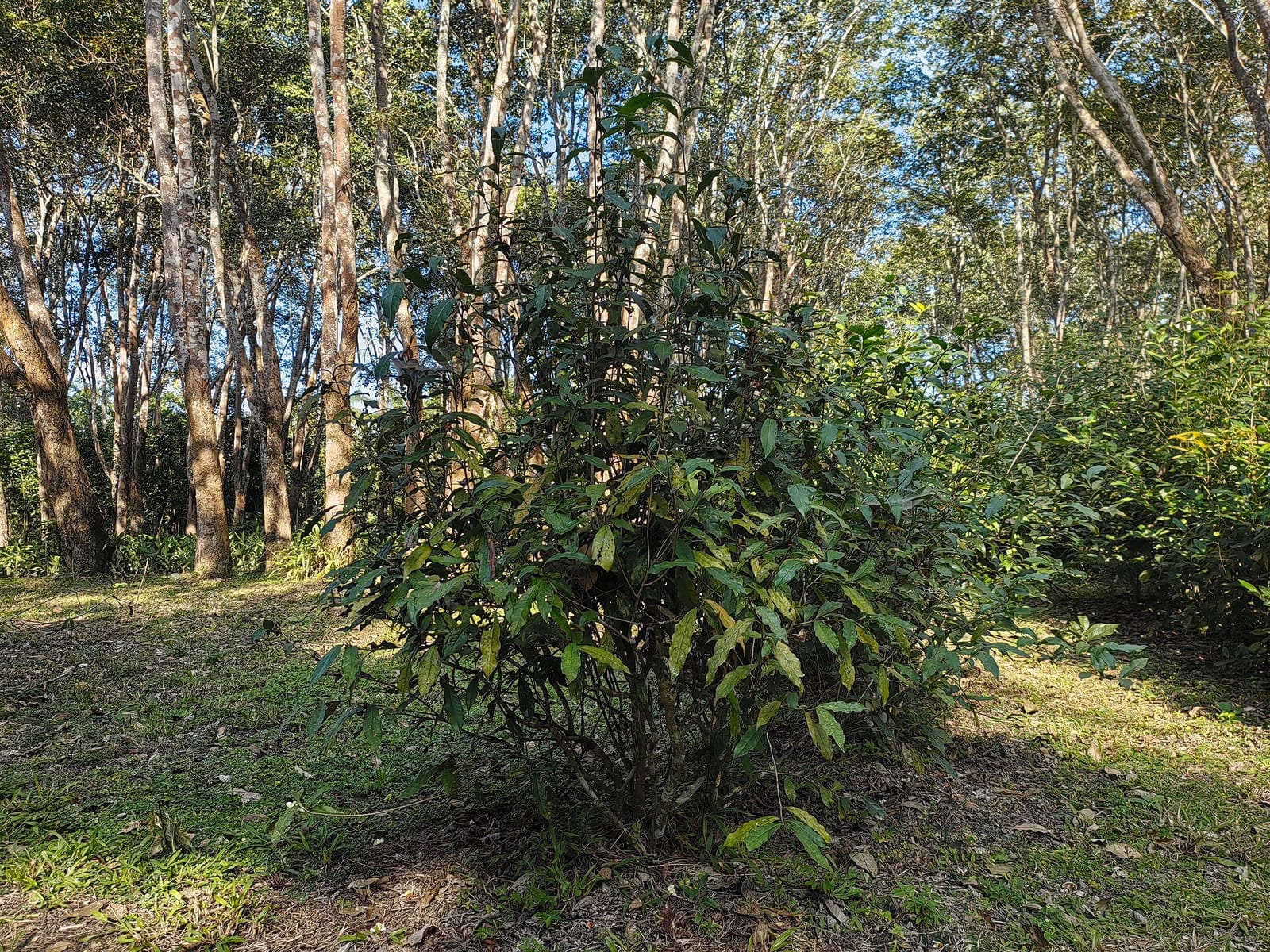
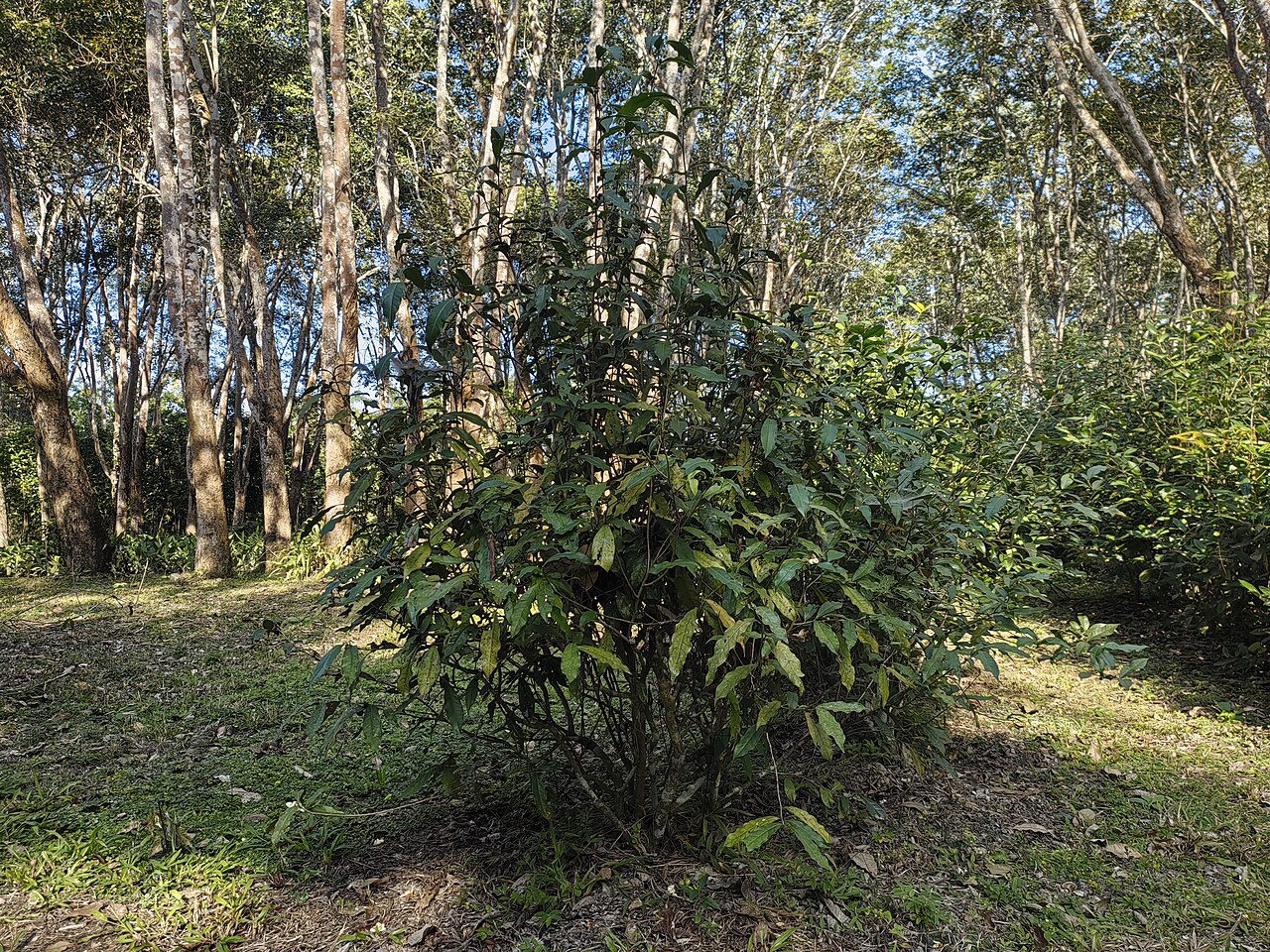
The raw material is Yunnan large-leaf sun-dried tea. Fresh leaves are withered, fixed in a hot pan, rolled, and dried in the sun. Sun-drying matters: it is gentler than pan-firing or machine-baking, and it leaves some enzyme activity and microbial life in the leaf. That is the biological room in which later ageing happens.
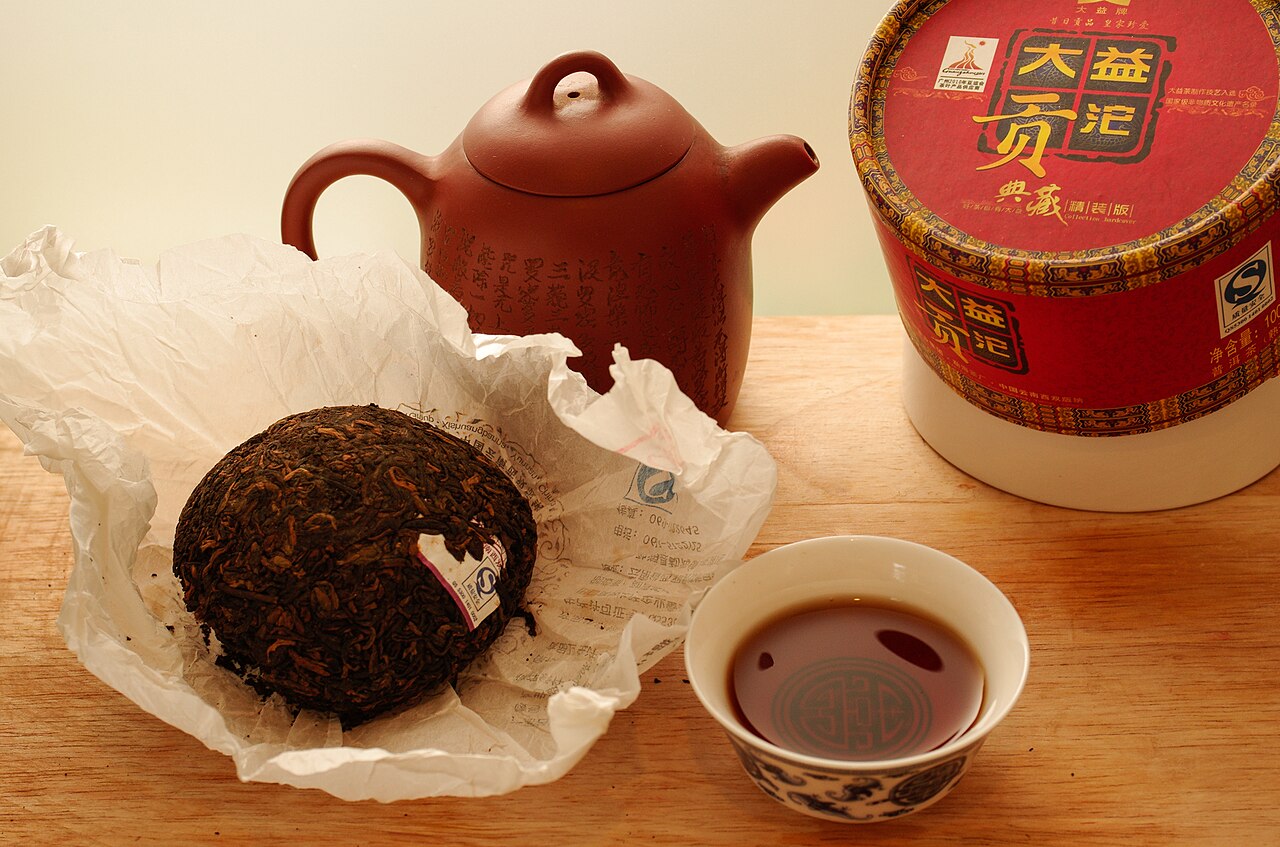
The dried maocha is then steamed until soft, weighed into a mold, pressed into shape, and dried. Pressing is not only decorative. A compressed cake takes less space, travels better, and exchanges moisture and air more slowly than loose tea. A tight cake ages slowly; a loose cake breathes more but can lose aroma. Neither is automatically better.
What it tastes like
Young raw Pu-erh:
- Dry leaf: tight, dark green to yellow-green, often with visible white tips.
- Liquor: pale yellow-green to yellow-orange, clear.
- Aroma: fresh, floral, honeyed, sometimes with a distinct sun-dried or smoky note.
- Mouthfeel: bitter and astringent at first, but the bitterness should fade into sweetness. Good tea leaves a long, cool aftertaste and plenty of saliva.
- Body: strong. It can be aggressive on an empty stomach, so drink it after food, especially when young.
After storage, the liquor darkens toward orange and red. The aroma moves from fresh and floral to aged, woody, dried-fruit or camphor-like notes. The bitterness softens and the texture becomes rounder. This is a direction, not a schedule. A famous old cake can be wonderful; an old cake stored badly can be flat, mouldy or hollow.
The “mountain” question
The protected area covers parts of Pu'er, Xishuangbanna, Lincang, Dali, Baoshan, Dehong, Chuxiong, Honghe, Wenshan, Yuxi and Qujing prefectures in Yunnan. Within that, the trade talks about areas such as Xishuangbanna (Menghai, Mengla), Pu'er (Jingmai, Kunlu), Lincang (Bingdao, Xigui) and Baoshan.
The market also uses “ancient tree”, “old tree”, “small tree” and “terrace”. These are commercial and sensory categories, not legal definitions. There is no official tree-age threshold that makes a cake “gushu”, and “single mountain” claims are hard to verify without a specific garden, batch and traceability record. A famous name is a price signal, not a taste guarantee.
Brewing
- Water: 95–100°C. Raw Pu-erh needs heat to open the leaf.
- Leaf: 5–7 g per 150 ml gaiwan. Use less for a very young, bitter tea; more for an aged, gentle one.
- Vessel: porcelain gaiwan for control; Yixing clay for older tea if you like a rounder body, though it can mute aroma.
- Rinse: one quick rinse with boiling water. For a tight cake, give it a few seconds to open.
- Timing: first 4–6 infusions short — pour in and out. Then lengthen gradually. Do not leave the leaf sitting in water.
- Breaking the cake: use a tea pick along the press lines, not a knife. Keep the pieces intact; broken dust brews bitter.
Buying and storing
Look for:
- Origin and traceability. Is the tea within the protected area? Does the wrapper carry a geographical-indication mark and a producer who can name the garden and batch?
- Raw material. Sun-dried maocha, not a green tea made by pan-firing or baking and then pressed into a cake.
- Craft. The cake should be clean, firmly but not impossibly pressed, dry all the way through, with no mould, sourness or off-odour.
- Storage history. Dry storage, natural storage and wet storage produce very different teas. Ask where and for how long.
- Taste. Young tea: does the bitterness fade? Is the aftertaste long? Old tea: is the liquor clear, the aroma clean, the texture smooth?
Store in a dry, dark, odour-free place. A common working range is 20–30°C and 50–70% relative humidity, but different storage styles use different targets. Keep tea away from spices, coffee, detergent and perfume. In humid seasons, use a dehumidifier or sealed storage and inspect regularly. If mould appears, isolate the cake — do not try to “air it out” and drink it.
History and standards
Pu-erh as a name appears in Ming and Qing documents, and Pu'er Prefecture was an important tea collection and trading centre in the Qing. The modern pile-fermentation technique was later industrialised for ripe pu-erh, creating the raw/ripe split. In 2008, GB/T 22111-2008 was published, bringing Pu-erh into the geographical-indication system.
Older marketing stories — “Han dynasty origin”, “Zhuge Liang taught the locals to grow tea”, “the 88 Qing cake is priceless”, “3.3 million mu of ancient tea gardens” — are not used here because they could not be tied to a verifiable official source. What can be confirmed is narrower and more useful: Pu-erh is a standardised, geographically protected product with two clearly defined processing routes.
Status
This English entry is an independent editorial rewrite, not a sentence-by-sentence translation of the Chinese page. It is based on GB/T 22111-2008 and GB/T 30766-2014. Claims about age, mountain fame, investment value and health effects that could not be sourced were removed. The page is marked reviewed; sources and wording will continue to be revised.