Extent
Xishuangbanna lies at the southern tip of Yunnan, with the Lancang River running through it. Menghai, Mengla and Jinghong are core Pu-erh areas, where old tea-tree communities, terrace gardens and tropical forest interleave. “Old tree”, “big tree” and “terrace” are material and ecology descriptions, not uniform quality grades; the protected area and Pu-erh requirements are defined by GB/T 22111-2008.
Environment
Low latitude, high humidity and a marked dry–wet season give tea a different growth rhythm from Jiangnan. Mountain red soils, forest shade, mist and temperature differences affect leaf composition. The Lancang and its tributaries create a landscape of valleys and mountains, with large differences in village and garden elevation. Microclimates within Xishuangbanna vary; one “Banna flavour” cannot describe every village.
Material and cultivars
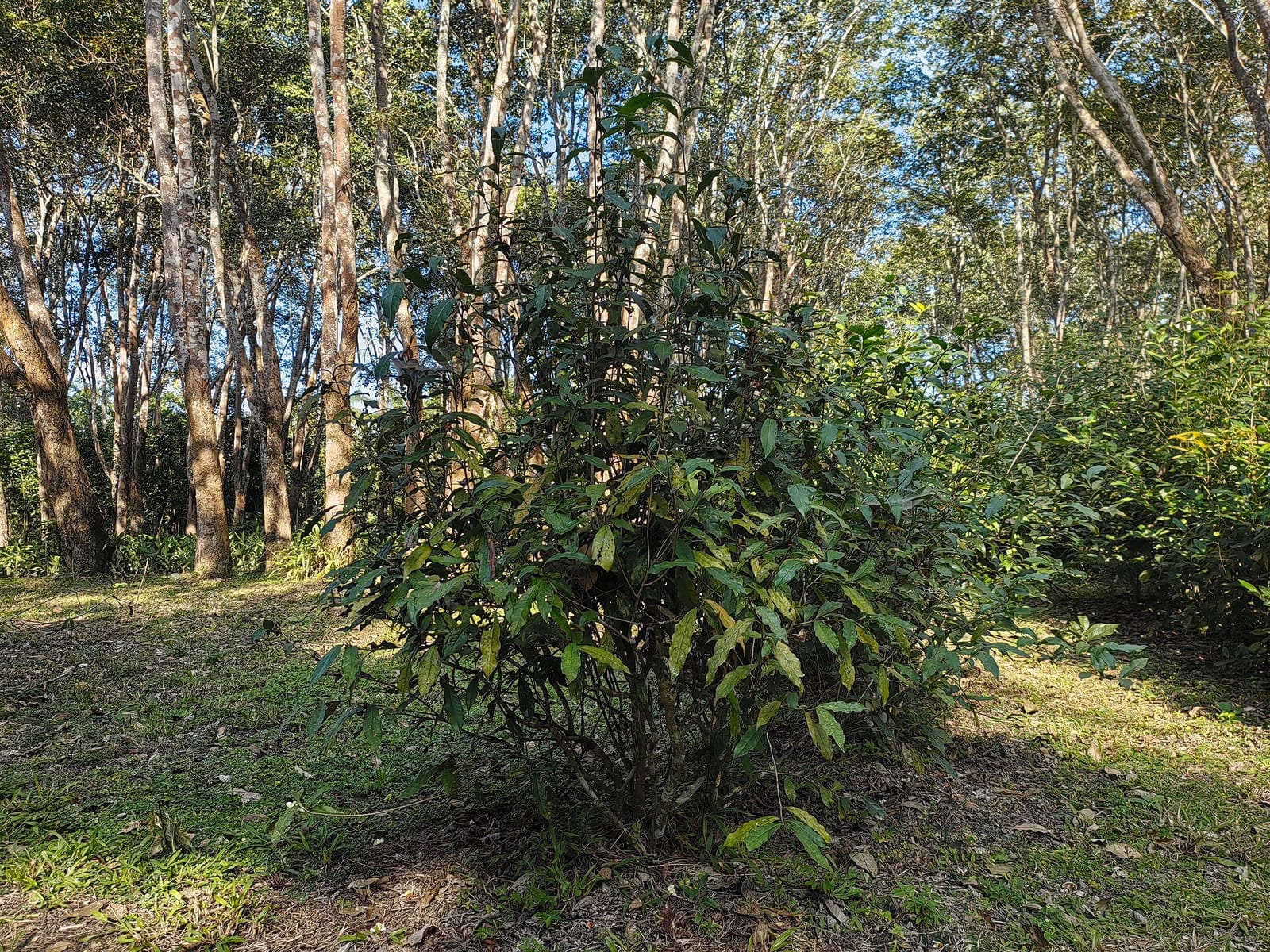
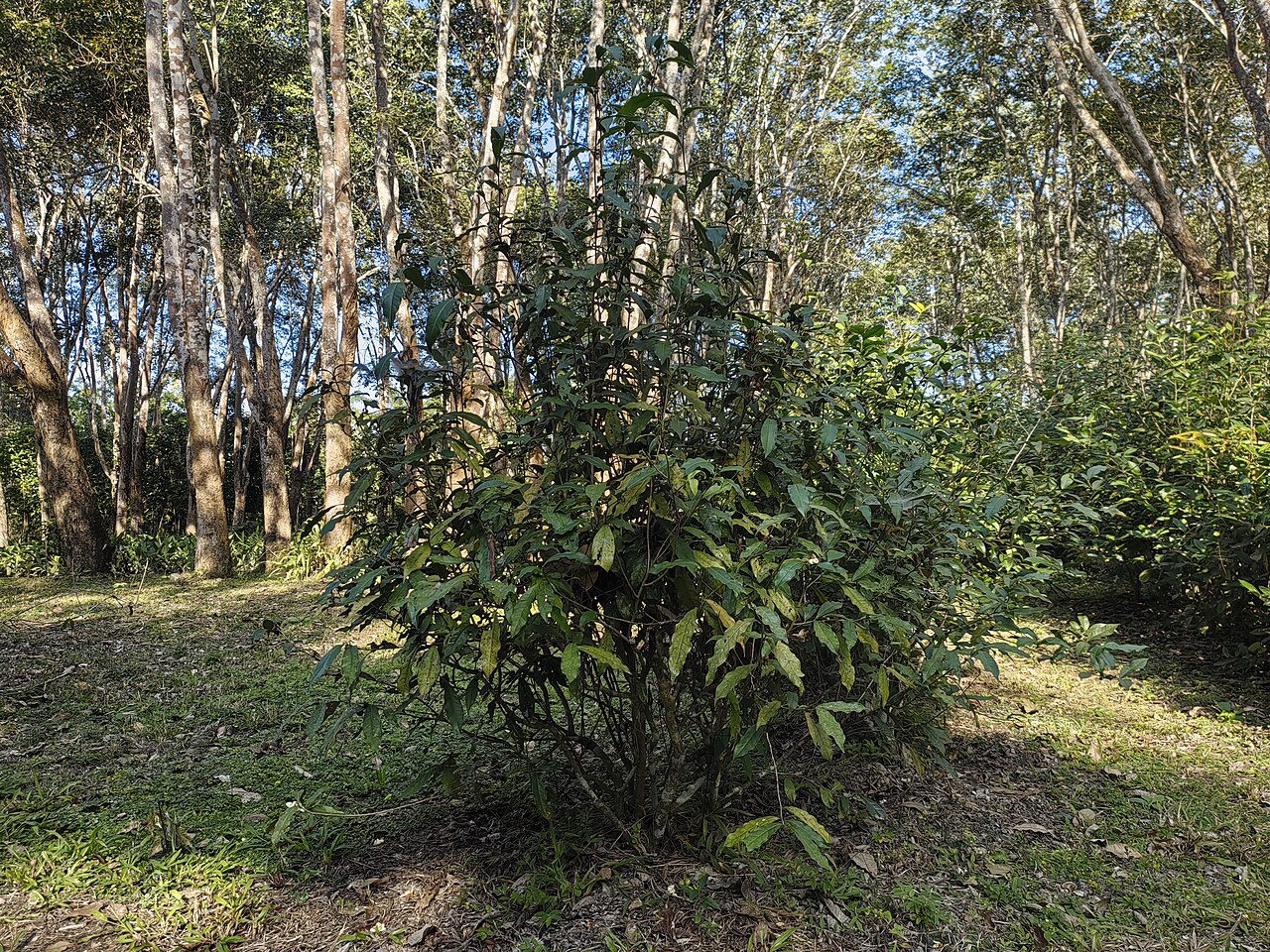
Yunnan large-leaf tea is the main material for Pu-erh, but “large-leaf” does not equal one mountain or one product. Old-tree, big-tree and terrace tea differ in age, management, picking and ecology, and market value differs too. “Old tree” claims need traceable age, plot and picking records; terrace tea can also make compliant Pu-erh and should not be dismissed as inferior.
Processing
Pu-erh uses sun-dried maocha from Yunnan large-leaf tea. Raw tea is steamed and pressed, or left loose, and changes with time; ripe tea adds pile fermentation. Material, fixation, rolling, drying and storage determine flavour. “Old tree” or “vintage” alone is not a quality guarantee. Raw and ripe are processing types, not cultivars.
Quality and flavour
Young raw tea often has floral, grassy, bitter and sweet notes; with ageing it may turn woody, honeyed or medicinal. Ripe tea has a deep red liquor, with aged, woody, date or fungal notes and a mellow body. Village, vintage and storage create large differences. “Older is better” is not unconditional; dampness, odours or mould can ruin tea.
History and boundaries
Pu-erh history in Xishuangbanna is linked to tea-horse trade, local chieftain systems and frontier markets. Menghai became an important factory and fermentation centre in the twentieth century; Yiwu, Bulang and Nannuo are known for old trees and traditional sun-dried tea. Specific dates, volumes and “tribute tea” narratives need checking against local gazetteers, archives and research.
Common misconceptions
- Old-tree tea is not automatically better than terrace tea. Material, processing, storage and hygiene matter.
- “Mountain” is not a statutory grade. It is an origin and flavour narrative, not a substitute for product standards.
- Raw Pu-erh is not green tea. It has sun-drying and later transformation/pile-fermentation pathways distinct from green tea.
- Does all Pu-erh improve with age? No. Material, moisture and storage determine the direction.
Representative teas
- Raw Pu'er: sun-dried material pressed into shape and aged naturally.
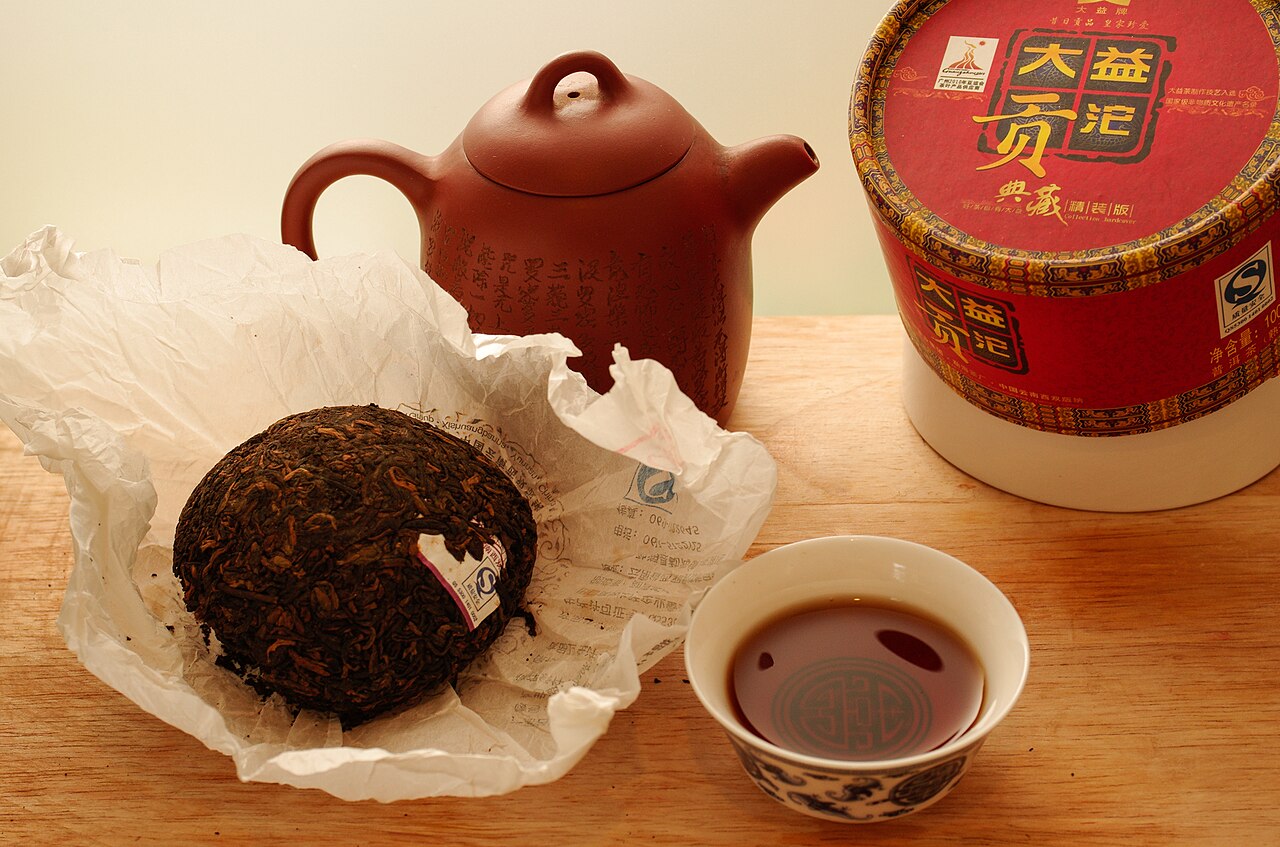
- Ripe Pu'er: pile-fermented, with a deep red liquor.
- Menghai ripe Pu'er: a representative Menghai ripe product.
- Yunnan large-leaf cultivar: the raw-material base, not a single mountain.
Sources
- GB/T 22111-2008 Geographical indication product — Pu-erh tea — Current Chinese national standard for the protected area, terminology, types, requirements and labelling.