
Sri Lankan tea is Ceylon tea. In 1867 James Taylor planted the first commercial garden at Loolecondera; today the central highlands of Nuwara Eliya, Dimbula, Uva and Kandy, plus the southern lowlands, form one of the world’s most complete orthodox black-tea systems.
The short answer
Sri Lankan tea is concentrated in the central highlands and southern lowlands, divided by altitude into high grown (above 1,200 m), medium grown (600–1,200 m) and low grown (below 600 m). Nuwara Eliya, Dimbula, Uva, Kandy, Sabaragamuwa and Ruhuna are core regions. Orthodox black tea dominates, with CTC, green, white and silver tips. The Colombo auction is the export hub, and estate and brand systems are mature. Read Ceylon by altitude and monsoon first, then estate and grade.
Geography and growing conditions
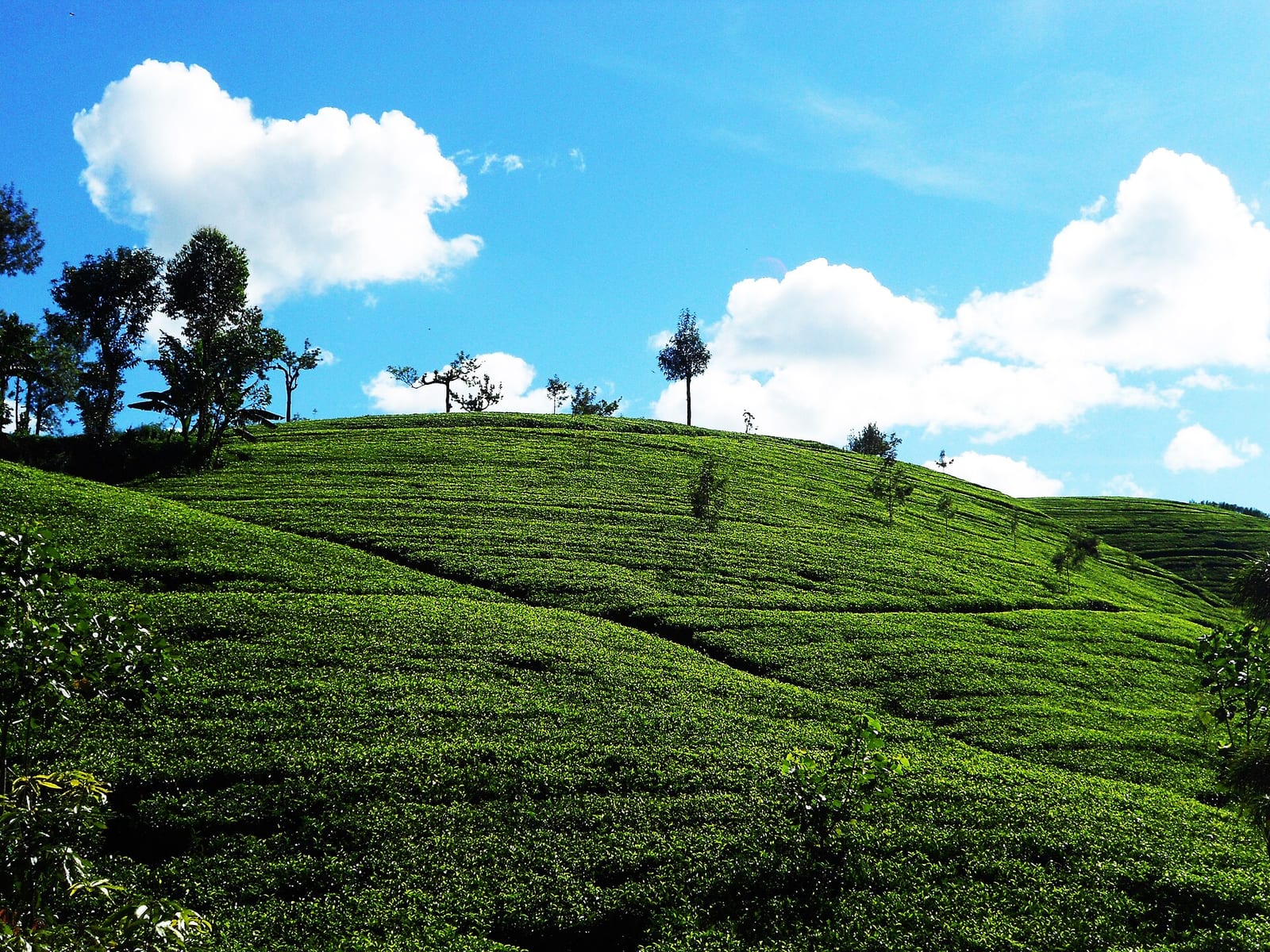
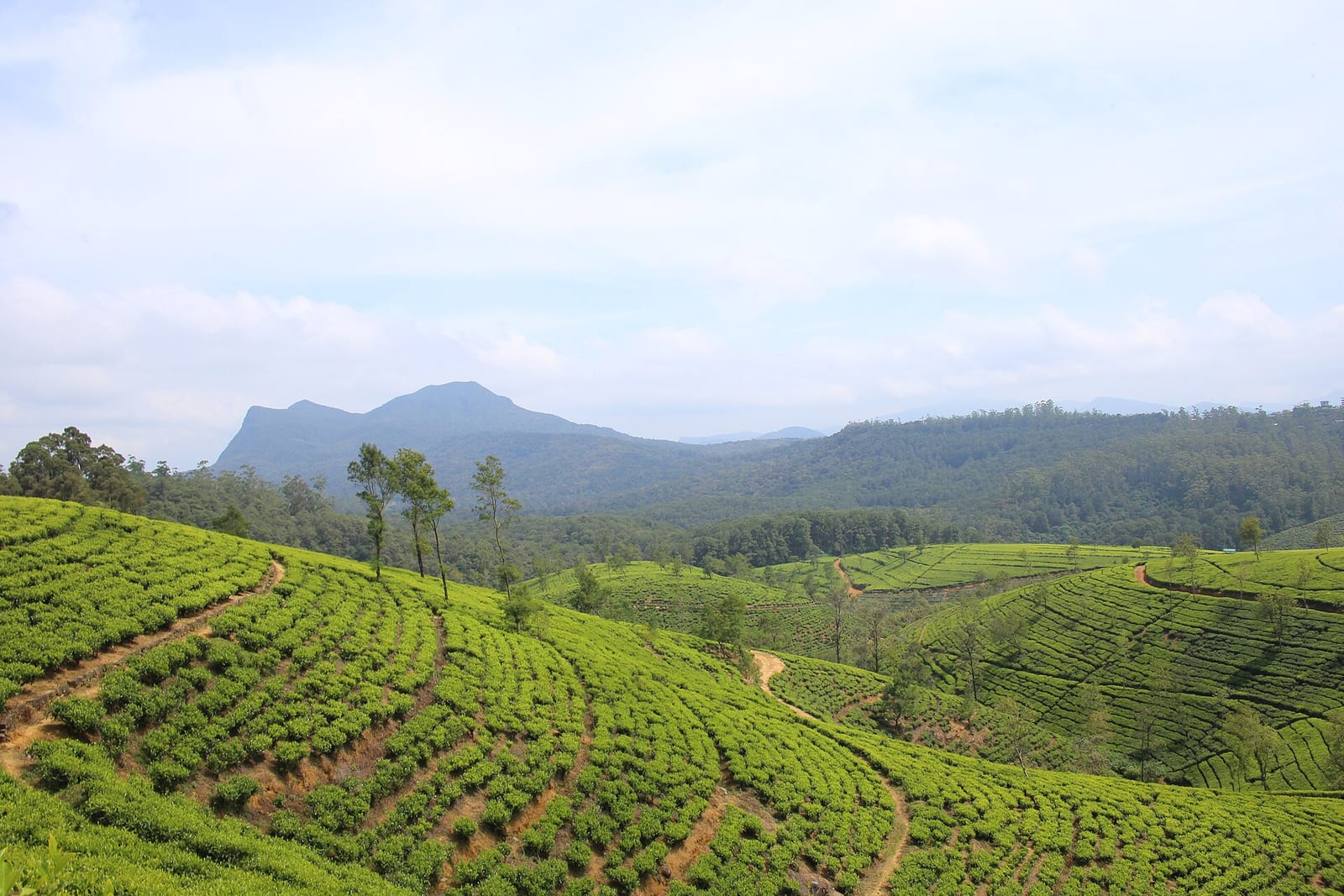
Sri Lanka is an Indian Ocean island whose central highlands tilt from southwest to southeast, with 1,500–2,500 mm of rain under both southwest and northeast monsoons. Nuwara Eliya at 1,800–2,000 m is cool and cloudy, giving slow growth and fine aroma. Dimbula and Dickoya are shaped by the southwest monsoon; Uva by the northeast, creating different seasons. Kandy and Sabaragamuwa are warmer medium-grown areas; Ruhuna in the south is hotter low grown.
Highland gardens sit on steep slopes, where soil conservation and labour housing are historic issues. Climate change brings drought, intense rain and landslides. Low grown yields more and brews stronger; high grown is finer and more expensive. Altitude is not the only variable: monsoon, shade, cultivar and craft matter equally.
History and industry
Coffee was the main nineteenth-century export until coffee rust destroyed it in 1869, after which tea expanded quickly. James Taylor established a commercial garden at Loolecondera in 1867, and gardens spread through the highlands in the 1870s–80s. Nationalisation and 1990s privatisation reshaped the industry. Today large estates, regional companies and smallholders coexist, with the Colombo auction and export brands at the core.
Sri Lanka is a major orthodox black-tea exporter and tea is an important foreign-exchange earner. Domestic demand is strong black tea with milk and sugar. Highland tea enters international specialty and blends; low grown supplies the Middle East, Russia and milk-tea markets. Prices follow auction, wages, weather and exchange rates; labour and climate are long-term issues.
Tea types and flavour
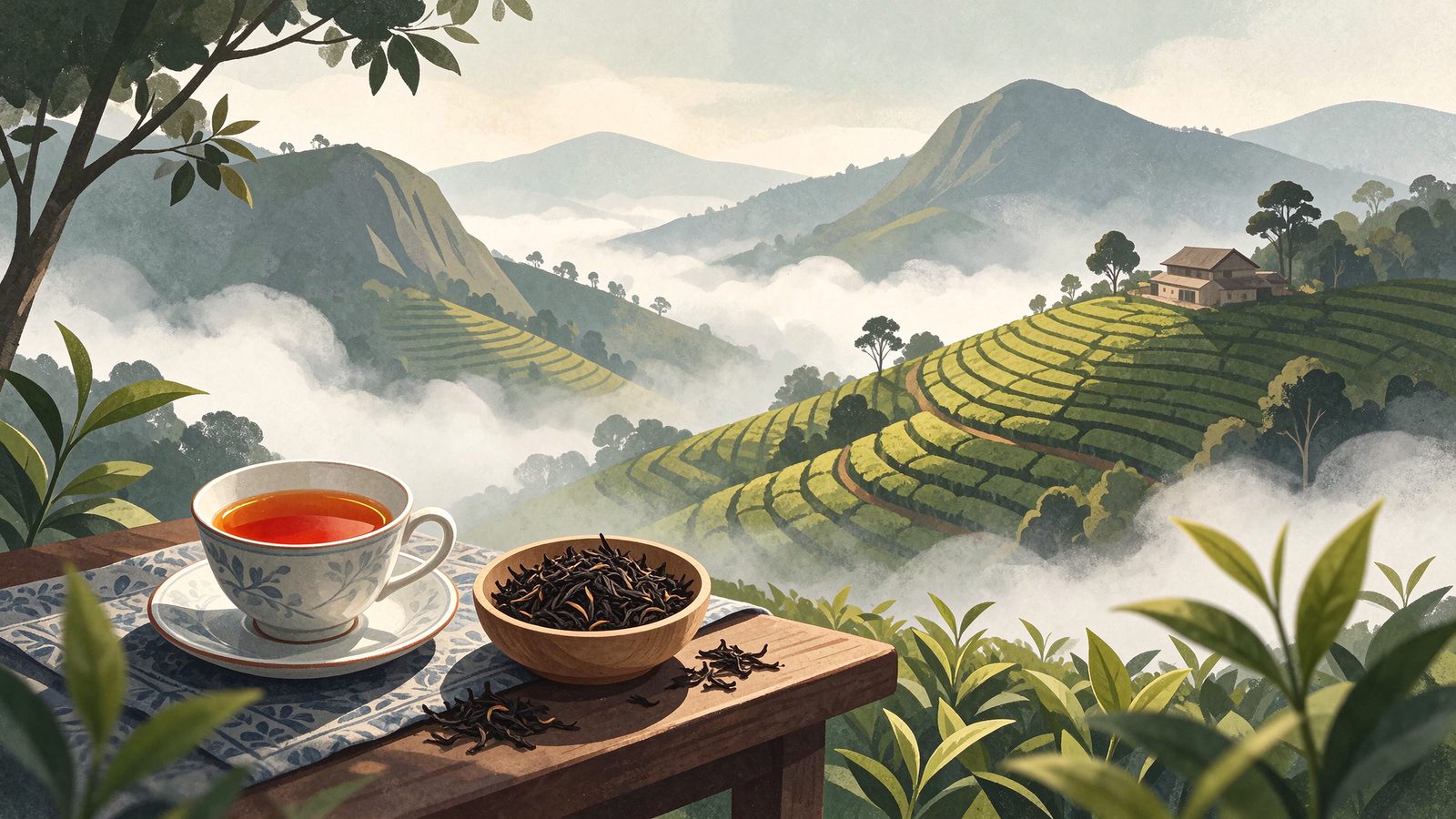
Sri Lanka is mainly orthodox black tea: whole strips, bright red liquor, high-grown flower, citrus, muscatel and fresh sweetness; medium grown rounder; low grown stronger. Uva’s seasonal aroma shows after the northeast monsoon, Nuwara Eliya is cleaner, Dimbula brighter. CTC is small, mostly local and milk tea; green, white and silver tips are niche.
High-grown tea suits plain drinking; low-grown suits milk and blending. Brew at 90–95°C for three minutes; taste aroma before adjusting the steep. Ceylon grades are mainly OP, BOP, FBOP and FTGFOP; estate and season set the price.
Cultivars and craft
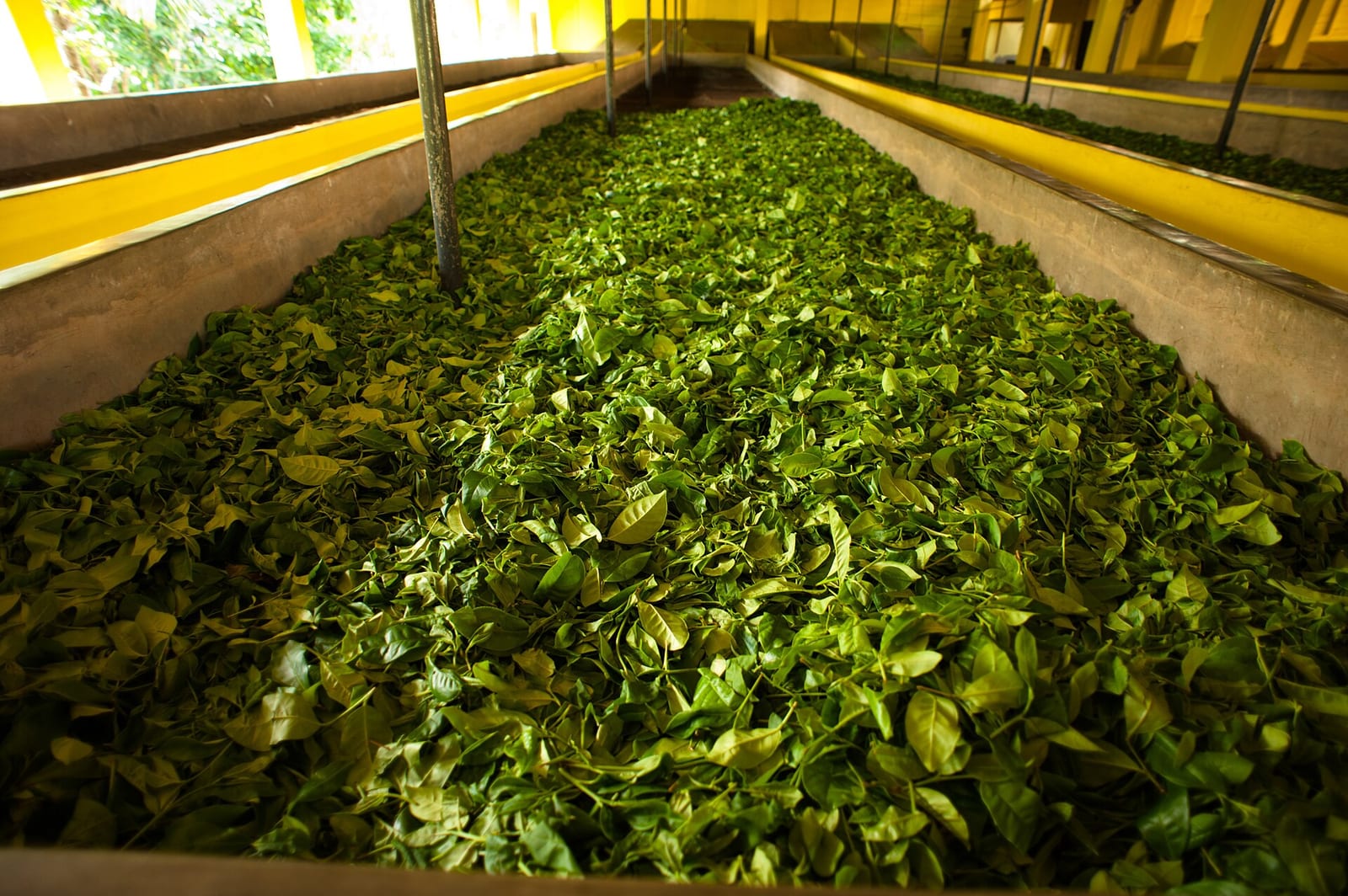
Sri Lanka plants Assam hybrids and TRI selections such as TRI 2025, TRI 2023 and TRI 4042, balanced for yield, drought and quality. Orthodox runs withering, rolling, fermentation, drying and sorting, keeping strips and tips; CTC macerates into small particles for fast brewing. Highland gardens still hand-pluck; low grown is more mechanised.
Craft detail creates “Ceylon style”: withering time, fermentation temperature, drying curve and sorting mesh. Batches from the same estate vary. Buy by estate, altitude, season and grade, not the “Ceylon tea” brand alone.
Market and grades
The Colombo auction is the main export channel. Estates sell through auction and international buyers blend; brands and direct trade coexist. Prices follow auction, wages, exchange rates and weather, with a wide gap between high-grown specialty and low-grown bulk. Domestic demand is strong black tea; tourism and gifts also matter.
Buy by high/medium/low grown first, then estate, season and grade. High-grown orthodox suits plain tea; low-grown CTC/orthodox suits milk. Brands are usually regional blends; single estates need label and batch checking. Do not use “Ceylon” for every Sri Lankan tea.
The cup and brewing
High-grown orthodox takes 90–95°C for three minutes; look for flower, citrus and colour. Low-grown can take 95–100°C with milk. Uva seasonal tea is aromatic and should not be over-steeped; Nuwara Eliya is lighter and can take slightly cooler water. Visit the highlands in January–March or July–September around Nuwara Eliya, Ella and Haputale; the Colombo auction needs booking.
Myths and boundaries
“Ceylon tea equals Lipton” is a brand confusion: Sri Lanka is both a raw-material and brand origin. “High-grown is always better” ignores use: low-grown suits strong milk tea and blends. “Uva seasonal aroma is year-round” ignores the monsoon; seasonal tea has a clear window. “Ceylon black tea is all orthodox” ignores CTC.
Sri Lanka’s tea belt is in the central highlands and southern lowlands, not nationwide; administrative borders differ from estates, and auction or brand cannot replace estate and batch. This page gives structure; tea pages and producers carry grade and price.
Teas in this region
Explore Sri Lankan tea by high/medium/low grown and orthodox/CTC; confirm altitude and season before estate and grade.
Further reading
Source boundary
This page is edited from public Sri Lankan tea-industry material and Colombo auction/regional geography knowledge. Output, price and auction data change over time; use current official and auction sources. The tea belt is limited, but the estate and season system is complex, and this page does not exhaust every estate.

