Terroir is not mysticism, and not the whole story
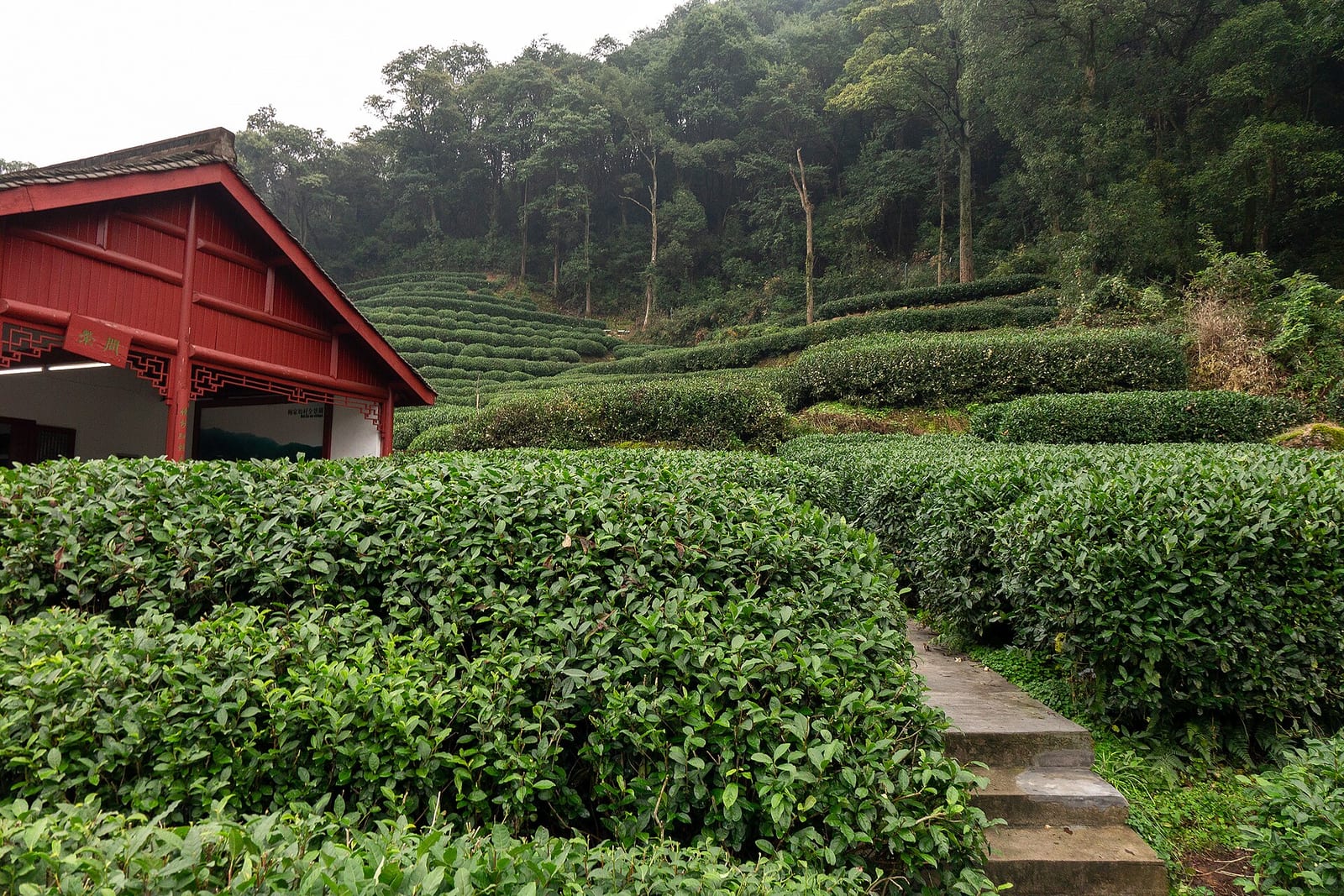
Terroir can be broken into conditions you can observe: altitude, slope, aspect, parent soil and drainage, rainfall distribution, days of cloud and mist, day–night temperature swing, surrounding vegetation, and the way the garden is managed. These conditions affect how the bud and leaf grow: how fast, how thick, how much water they hold, and what they accumulate.
“High mountain and cloud mist make good tea” is usually a conclusion that hides the questions. How high? Which slope? What soil? How much rain in spring? What is the picking standard? How long was the fresh leaf spread before processing? A terroir story becomes testable only when it descends to conditions like these.
Terroir also includes the people who farm the place: pruning, fertiliser, shade, picking intervals and the decision to wait one more day. Those are not separate from “nature”. They are part of how the site expresses itself in a particular year.
Cultivar sets a range, not a ceiling
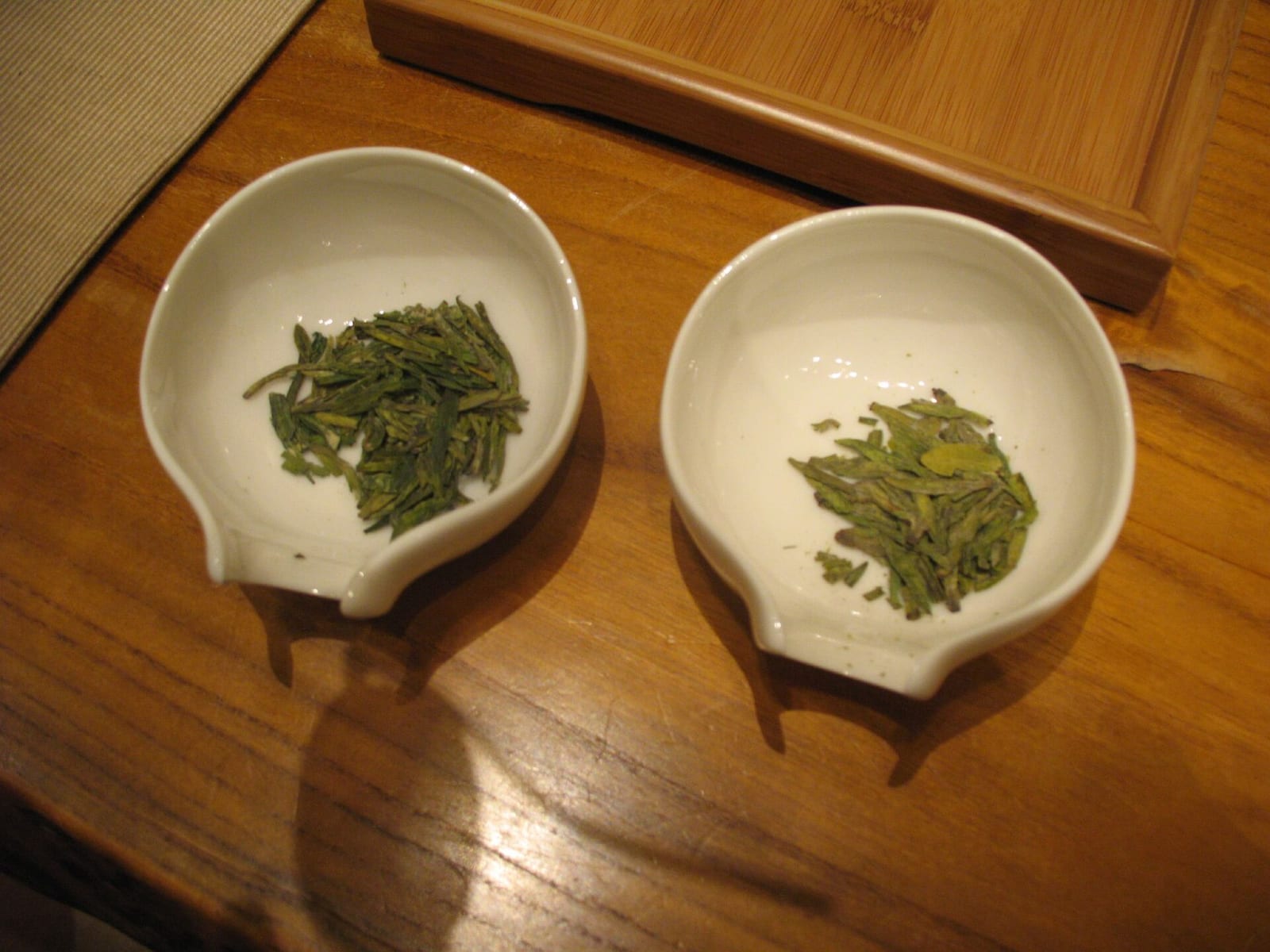
Within one garden, cultivars differ in bud size, leaf structure, sprouting time and the volatile compounds available to the finished tea. Longjing population cultivar, Longjing 43, Wuniuzao and Yingshuang can all be processed as Longjing, but their aroma profiles and picking rhythms are not identical.
Zhu Yin and colleagues compared the aroma constituents of Longjing tea made from six germplasms. The number and composition of the main aroma compounds differed between cultivars; the population cultivar was relatively rich in esters, while Longjing 43 was relatively rich in aldehydes. The study is evidence that cultivar shifts the direction of aroma. It measured aroma compounds, not the full sensory impression of texture, sweetness, bitterness and endurance. A table of volatiles is not a complete cultivar ranking.
It is more accurate to say that a cultivar sets a range of possibilities. It makes certain aromas more likely, certain shapes easier to achieve, and certain sprouting dates earlier or later. Site and processing then decide which of those possibilities are amplified and which are suppressed.
Craft steers the material
The temperature and method of fixation, the length of spreading, the degree of shaking or bruising, the amount of yellowing, the pressure of rolling, the extent of oxidation or pile fermentation, the roast and the drying method all change the final expression. The same fresh leaf can be pushed toward a greener, brighter, more floral result, or toward a rounder, deeper, sweeter one. Blaming the entire flavour on “the mountain” often erases the maker’s choices.
GB/T 30766-2014 classifies basic tea types primarily by processing technology and product characteristics, not by colour or place name. That classification logic is a useful correction: craft is not an accessory to the origin story. It is one of the main axes through which tea becomes what it is.
Longjing is a useful example. GB/T 18650-2008 defines the geographical indication, its protected range and product requirements. But “inside the protected range” does not automatically mean “delicious”. Within the same region, cultivar, picking tenderness, firing technique, the weather that day and storage all pull the result in different directions. A standard can establish identity and a baseline. It cannot make the sensory judgment for you.
How to read a producing region
Read a region page in five descending layers:
- Boundary. Where exactly is the region? A county, a mountain range, a watershed, or a much smaller garden? Is the boundary defined by a standard, by historical description, or by current market usage?
- Environment. What can be checked about altitude, slope, aspect, soil, rainfall and cloud? Which details are measured, and which are literary atmosphere?
- Cultivar. Which cultivars dominate? What is the place of population cultivars, clonal selections and recently planted material? How do sprouting dates and picking standards differ?
- Craft. Which steps are decisive? Who does the fixing, shaking, roasting or pile fermentation? Which stages are hand-worked, and which are machine-worked?
- Narrative. What evidence supports the stories of tribute tea, prizes, intangible heritage and tourism? Has today’s price been projected backwards into an “ancient” origin?
A useful region page does not consist only of “cloud-wrapped peaks and fertile soil”. It should name specific gardens, cultivars and processing differences, and separate standards, local gazetteers, memoirs and marketing.
One example: West Lake Longjing
Read the West Lake region together with Longjing tea. Begin with the protected range in the geographical indication standard, then look at the difference between the population cultivar and Longjing 43, then at how pan-firing movements shape the flat shape and aroma.
West Lake is only a regional name. The questions that reach the cup are still concrete: which garden, which cultivar, picked on which day, spread for how long, fired by whom, and drunk before when. The region supplies the background, the craft supplies the actions, and the cultivar supplies the material. Only together do they approach a particular tea.
Sources and status
This page uses GB/T 18650-2008 for the geographical indication boundary and product specification of Longjing tea, the aroma study for cultivar differences, and GB/T 30766-2014 for the place of processing in classification. Each source answers a different question and none substitutes for the others. All migrated pages are currently marked reviewed, but sources and wording will continue to be revised.