
Thai tea sits in the northern mountains: gardens in Chiang Rai, Chiang Mai and Mae Hong Son, a miang chewing-tea tradition, Yunnanese migrants and royal projects — a young tea region.
The short answer
Thai tea concentrates in the north and north-east highlands — Chiang Rai, Chiang Mai, Mae Hong Son and Nan — at 800–1,600 metres, under monsoon influence. Oolong, green and black tea dominate, with a northern miang (fermented chewing tea) tradition. In the late twentieth century, Yunnanese migrants, royal projects and Taiwanese technique drove garden expansion. Read Thailand by separating highland ethnic tea customs from modern estates.
Geography and growing conditions
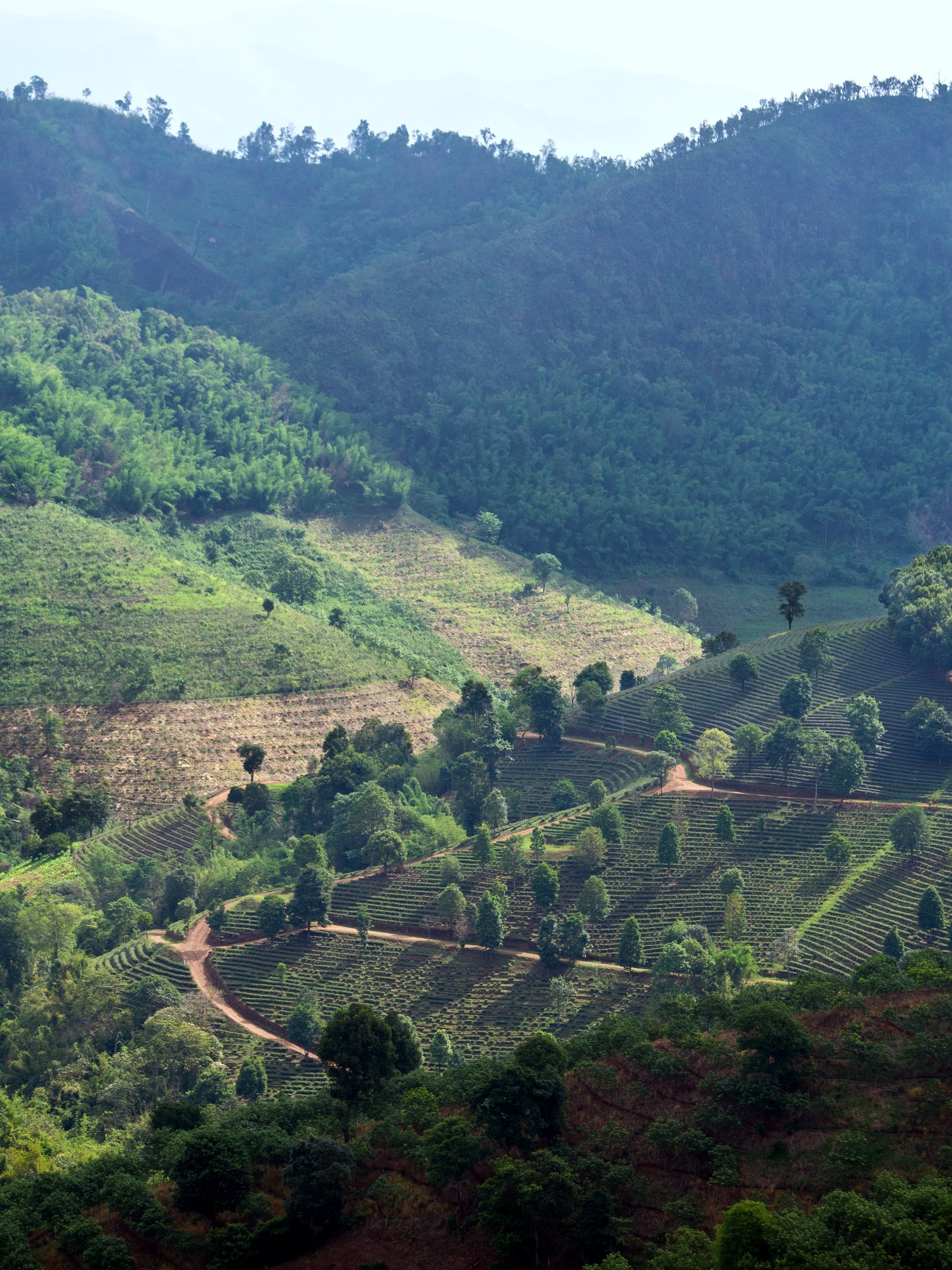
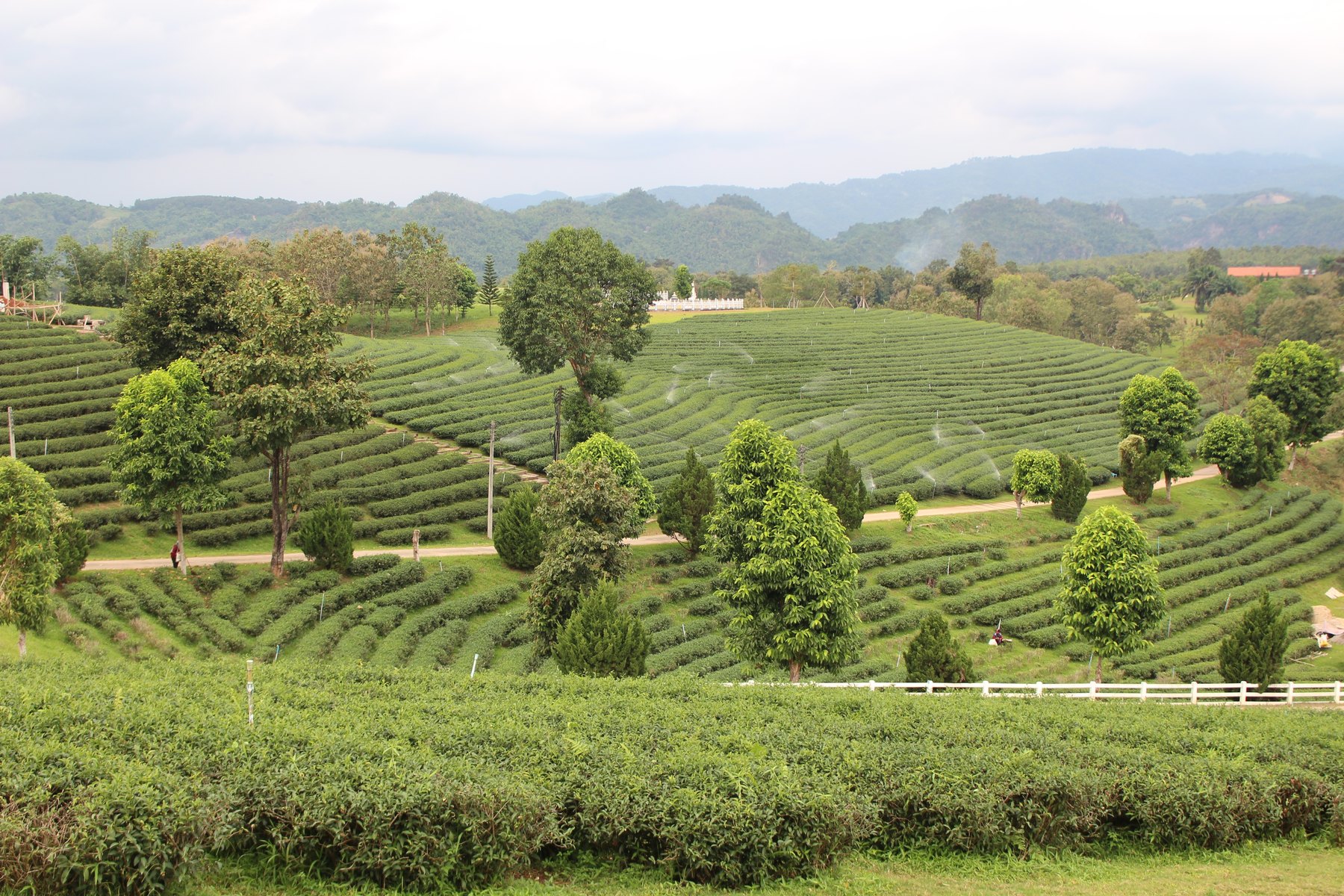
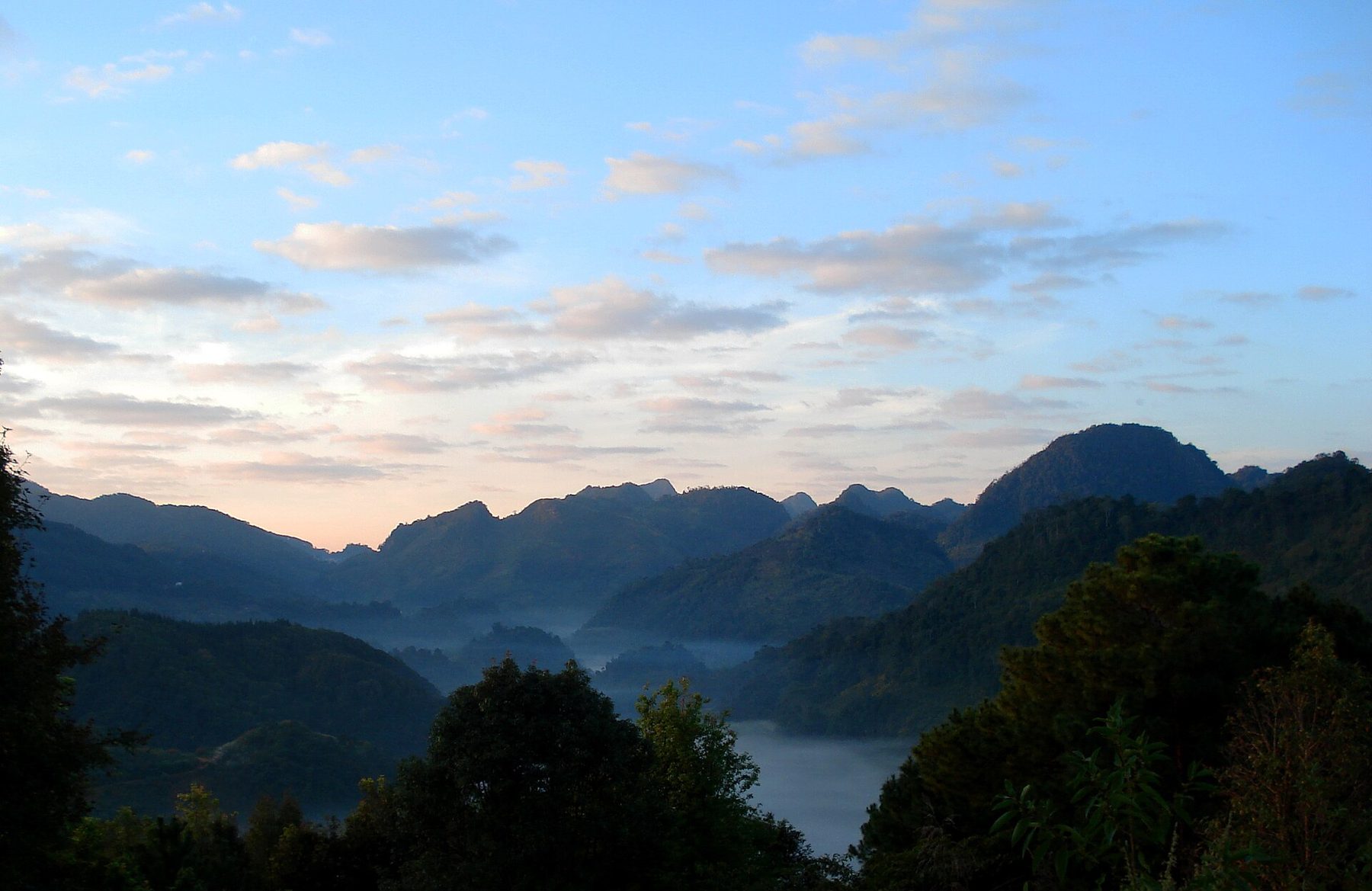
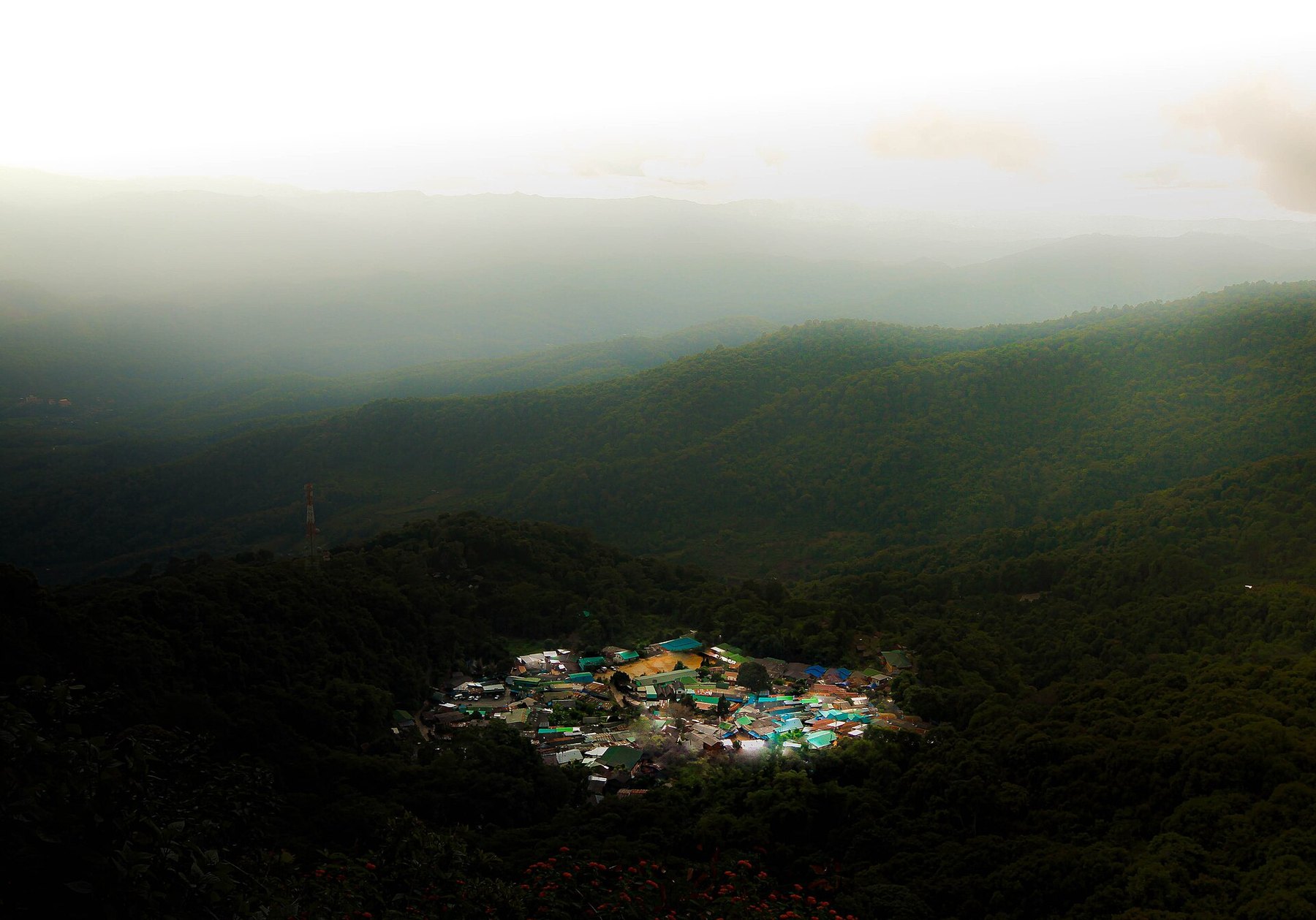
The northern hills rise 800–1,600 metres, with 1,200–2,000 mm of rain, a clear dry season and strong diurnal range. Doi Mae Salong and Doi Tung in Chiang Rai, Doi Ang Khang and Doi Pui in Chiang Mai are the main areas; acid soils and steep slopes make erosion control important. The drier north-east plateau has less tea.
Terroir and craft
Thai tea is concentrated in the northern and northeastern hills: Chiang Rai, Chiang Mai, Mae Hong Son and Loei. Assam, China and Taiwan introductions are made into green, oolong, black and CTC. The Chinese-descended villages of Doi Mae Salong and the royal Doi Tung project are two important threads.
History and industry
Highland communities long grew tea and made miang, steaming and fermenting leaf for chewing. In the 1960s, remnants of Yunnanese Kuomintang forces settled at Doi Mae Salong and brought Yunnan seed and processing; in the 1970s–80s, royal projects at Doi Ang Khang and Doi Tung promoted substitute crops, and Taiwanese technique introduced oolong. Thai tea modernised, but remains smaller than coffee.
Tea types and everyday drinking
Thai oolong, especially four-season and Jin Xuan at Doi Mae Salong, is aromatic and light-bodied; green and black tea serve local and tourist markets; miang is a northern tradition of steamed, fermented leaf wrapped in small balls and chewed, not brewed tea. Thais also drink sweet milk tea and iced tea, and urban tea chains are strong.
Industry and market
Thailand produces a moderate volume. Northern highland tea serves domestic specialty and tourism, while CTC in the south and centre supplies milk tea and tea bags. Thai tea (cha yen), strong black tea with condensed and evaporated milk, is the national drink. Specialty oolong and green are growing in Chiang Rai and Chiang Mai, with limited export.
The cup and brewing
Northern Thai oolong is golden, with flower, milk and fruit. Green tea is fresher, with bean and grass; CTC is strong and forms the base of Thai milk tea. Brew oolong at 90°C and fast; green at 80–85°C; CTC at 95°C with condensed milk. Visit Chiang Rai from November to February, allowing for wet-season roads.
Buying and boundaries
For Thai tea, check origin, elevation and cultivar; Doi Mae Salong oolong is for plain drinking, Doi Tung and royal-project tea have clear brands. Brew green at 80–85°C, oolong at 90–95°C. Miang is chewed, not brewed — read the type. Tourist packaging is common; estate and year matter more.
Myths and boundaries
“Thailand only has Thai milk tea” ignores northern highland oolong and green tea. Cha yen is the national drink, but Chiang Rai and Chiang Mai specialty gardens make a different style. Nor does “royal project” stand for all Thai tea.
Mae Salong and Doi Tung
Northern Thailand has two modern starting points. After 1961, remnant Kuomintang communities were settled at Doi Mae Salong and brought Yunnan seed and Taiwanese oolong cultivars; assamica and oolong populations still dominate. In the 1980s the Mae Fah Luang Foundation promoted tea at Doi Tung as a replacement for opium, building a factory and a brand. Today the highlands of Chiang Rai and Chiang Mai, at 1,200–1,600 m, make oolong, black and green tea, with mountain communities and royal projects still the main organisers. Thai daily drinking, by contrast, runs on sweet iced tea and milk tea.
Mae Salong and Doi Tung both offer picking, processing and homestay experiences and anchor Chiang Rai’s tea tourism. Domestic output cannot meet Thai demand, so large volumes of black and green tea are still imported.
Chiang Rai’s tea season runs from November to April, with the dry season concentrating aroma.
Teas in this region
- Choui Fong Oolong
- Doi Ang Khang Green Tea (Royal Project Organic Green Tea)
- Cha DoiChang Oolong Green Tea
- Doi Mae Salong Oolong
- Doi Pui Herbal Tea
- Doi Tung Oolong
Further reading
Source boundary
The tea area is in the northern hills, not nationwide; miang is a chewing tea, not Camellia infusion. Thai tea is young and small; this page does not inflate it into a Southeast Asian tea power.

