
Korean tea sits in Boseong, Hadong, Jeju and Jirisan: green tea, powdered tea and tea rites, in a region shaped by a green-tea tradition, colonial rupture and 1970s revival.
The short answer
Korean tea concentrates in the south and south-west: Boseong in Jeolla, Hadong in Gyeongsang, Jeju island and the Jirisan area, at 200–800 metres, maritime and wet in summer. Green tea (nokcha) dominates, with yellow tea (hwangcha), oxidised tea (balhyocha) and powdered tea (malcha); tea rites (darye) are central. Read Korea through green-tea tradition, colonial rupture and 1970s revival.
Geography and growing conditions
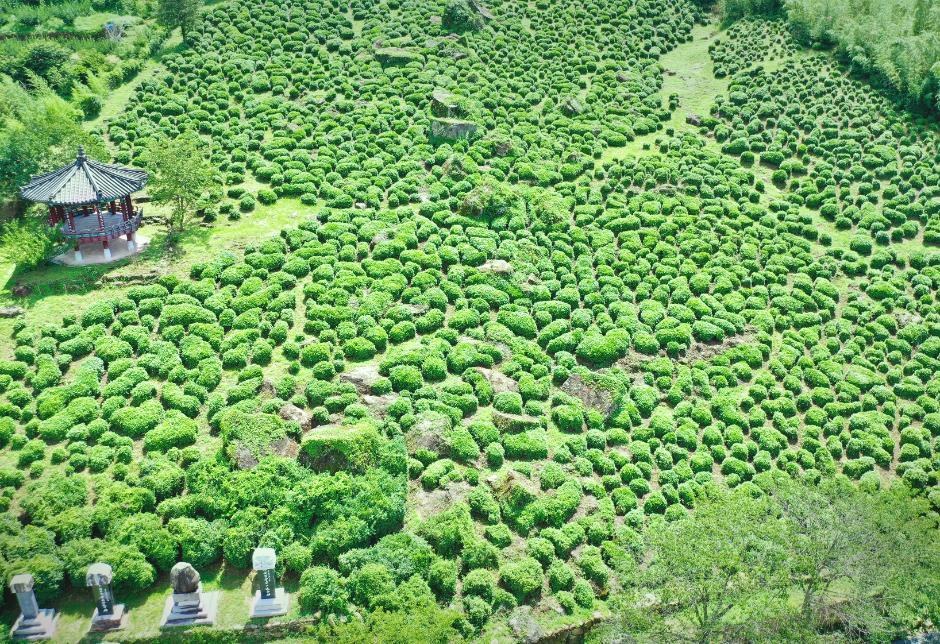
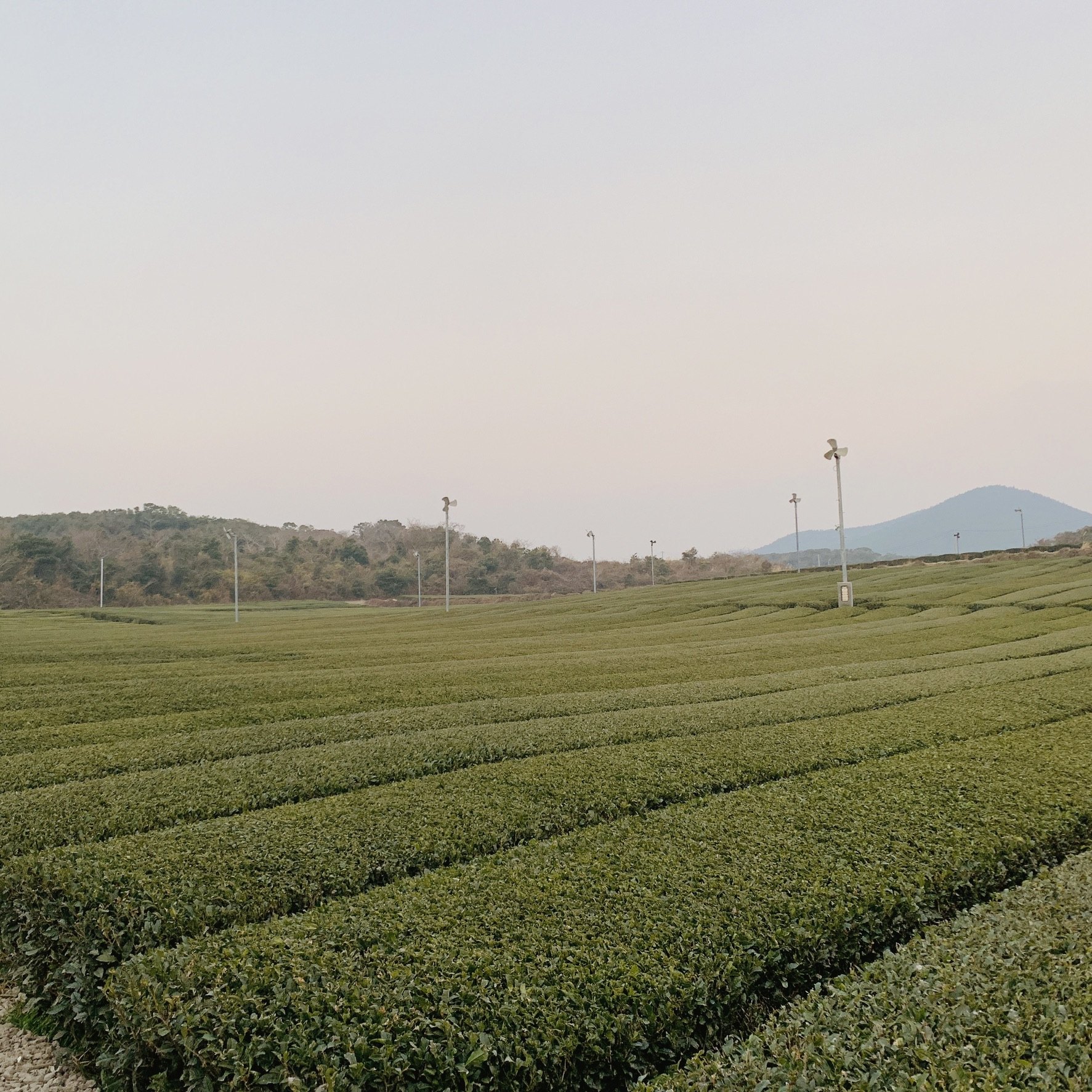
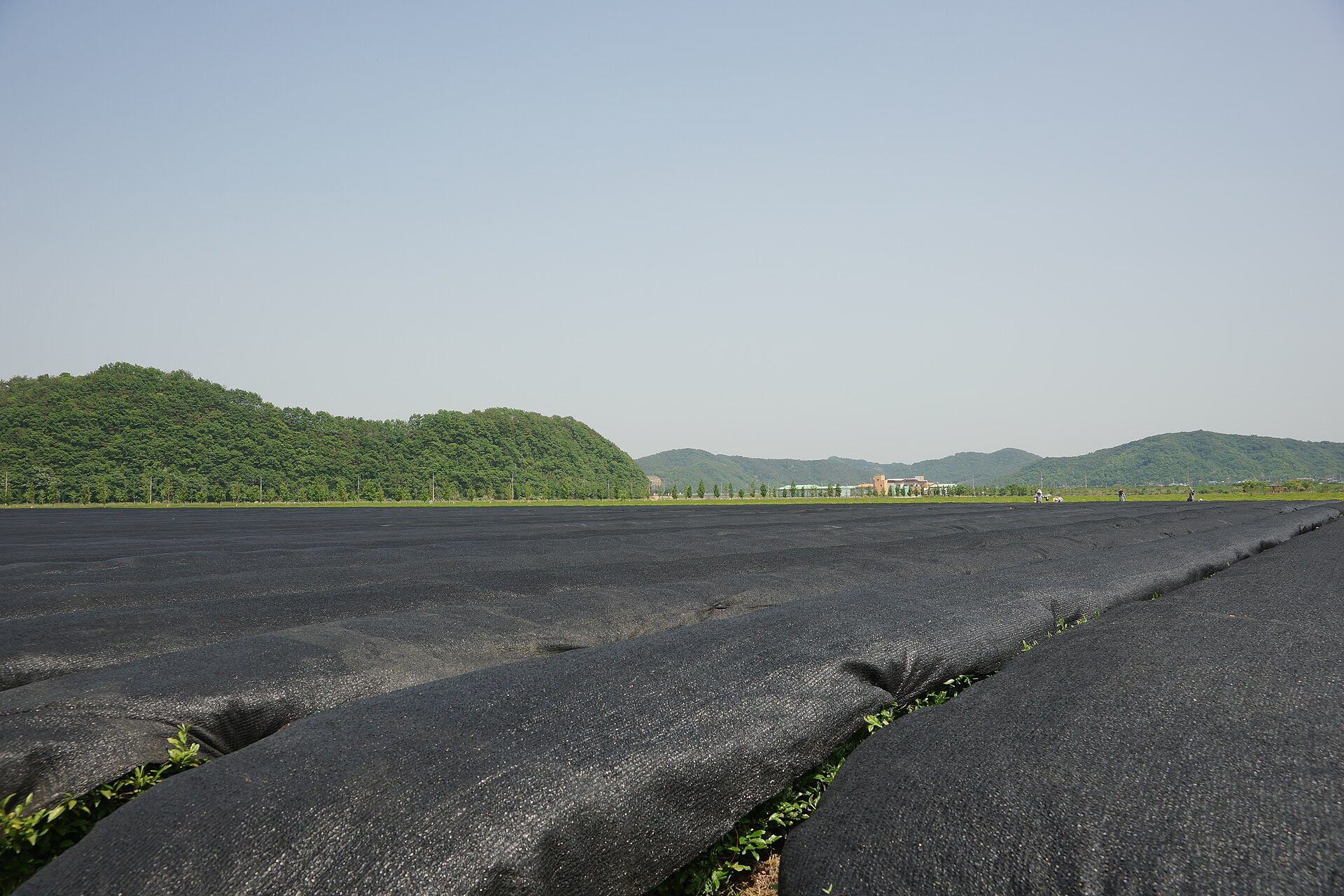
The southern coast and islands are maritime, mild in winter and hot and humid in summer, with 1,200–1,500 mm of rain. Boseong gardens sit on hills and around lakes; Hadong has wild and semi-wild gardens; Jeju has volcanic soils and organic farms. The spring picking window is short, and monsoon rain and typhoons are risks; the north is too cold for commercial tea.
Terroir and craft
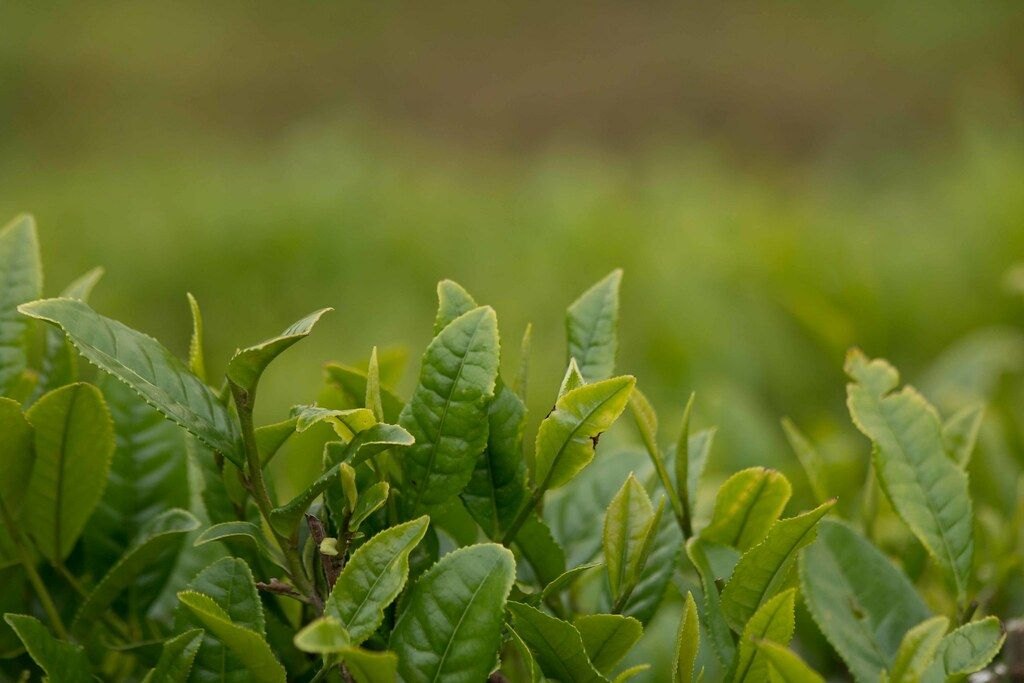
Korean tea is concentrated in the south and southwest: Boseong in Jeollanam-do, Hadong in Gyeongsangnam-do and Jeju Island. Local and introduced cultivars are made mainly into steamed or pan-fired green tea, with small black, oolong and fermented lines. Hadong’s wild gardens and Boseong’s terraces offer two different landscapes.
History and industry
Korean tea goes back to the Three Kingdoms and Unified Silla, entering from China and drunk in temples and courts; Goryeo developed tea rites and vessels, while Joseon moved toward a plainer style. Under Japanese colonisation (1910–1945), Japanese owners established gardens and factories in Boseong and elsewhere; after independence the industry declined, and from the 1970s state and local promotion drove a revival, with Boseong at the centre.
Tea types and everyday drinking
Korean green tea is graded by picking and fixation, bright with bean and seaweed notes; malcha is powdered tea for rites and whisking; hwangcha is heavily fixed and yellowed, with a yellow liquor; balhyocha is partly oxidised, close to oolong. Korean tea rites emphasise order, vessels and water temperature, distinct from Japanese chanoyu and Chinese gongfu.
Industry and market
The domestic market centres on local green tea, with Boseong and Hadong as the two main origin brands and Jeju adding early spring and organic tea. Volume is small and prices high; gifting and tea ceremony matter, while imports fill everyday tea bags and milk tea. Cooperatives and local governments promote closely.
The cup and brewing
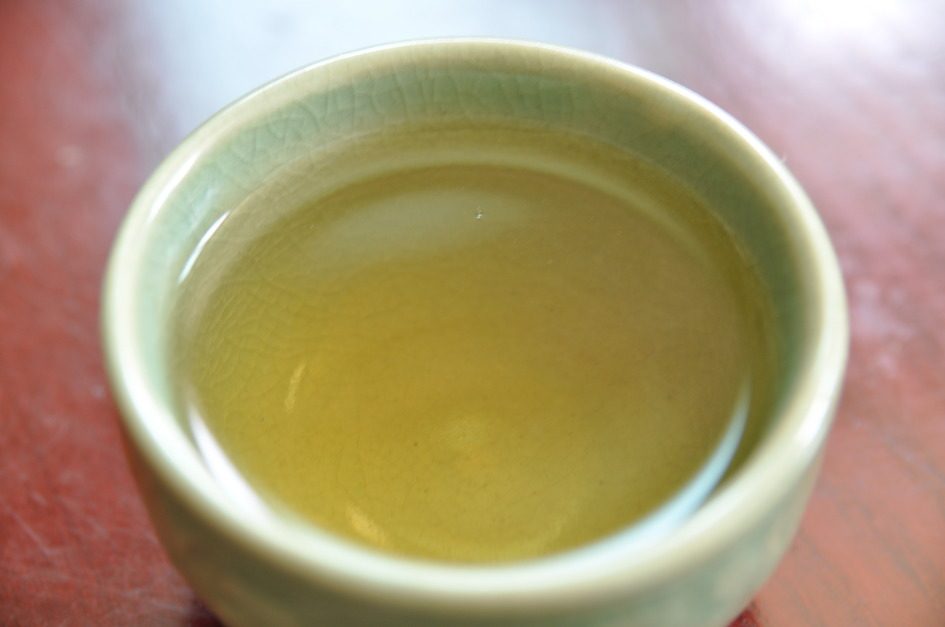
Korean green tea is pale yellow-green, with bean, seaweed, chestnut and fresh sweetness. Hadong wild tea is more rugged and layered; Boseong is cleaner and more regular. Brew green at 70–80°C and short; black at about 90°C. Boseong offers terraces and a tea museum; Hadong suits spring wild-tea visits.
Buying and boundaries
For Korean tea, check origin, picking season and process; Boseong, Hadong and Jeju differ. Brew green at 70–80°C and lightly to avoid bitterness; whisk malcha with a chasen; brew hwangcha and balhyocha at 85–90°C. Packaging is refined but output small; garden and year matter more than “Korean tea” as a label.
Myths and boundaries
“Korea only makes green tea” ignores small black, oolong and fermented output. Green tea dominates, but Jeju and Boseong also experiment with black tea. Nor is it a “Japanese matcha substitute”: Korean green tea is mostly leaf tea, steamed or pan-fired, not tencha for milling.
Boseong, Hadong and the picking calendar
Korean tea is concentrated in Boseong, Hadong and Jeju in South Jeolla, with some mountain plots in North Gyeongsang. Gardens sit on sunny slopes at 200–500 m, and picking is graded before rain, at grain-rain and at the start of summer. Boseong makes steamed green tea, Hadong makes oolong and black tea, and Jeju makes green tea and matcha. Korean tea ceremony and temple tea provide the cultural base, while specialty tea now competes with coffee shops for urban drinkers.
Teas in this region
- Gimhae Janggun-cha (Janggun Tea)
- Hadong Green Tea
- Hwangcha (Korean Partially Oxidised Tea)
- Jeju Green Tea
- Korean Matcha
Further reading
Source boundary
The tea area is in the south and Jeju, not nationwide; Japanese colonial gardens and today's Korean brands are not the same system. Output is small and prices high; this page does not inflate Korea into an East Asian tea power.

