
The USA is not a traditional tea origin, but a laboratory of modern tea consumption: iced tea, tea bags, bottled tea, specialty tea and coffee culture collide here. Charleston Tea Garden and Hawaii are the few commercial gardens; most “American tea” is brand, blend and setting.
The short answer
The USA has no large traditional tea region. Commercial leaf comes mainly from Charleston Tea Garden in South Carolina, Hawaii and a few trial gardens; almost all tea is imported. Iced tea, tea bags, bottled tea, milk tea and specialty tea define consumption, with coffee as the main competitor. Read the USA by separating domestic growing from imported brands, then southern iced tea, specialty tea and coffee culture.
Geography and growing conditions
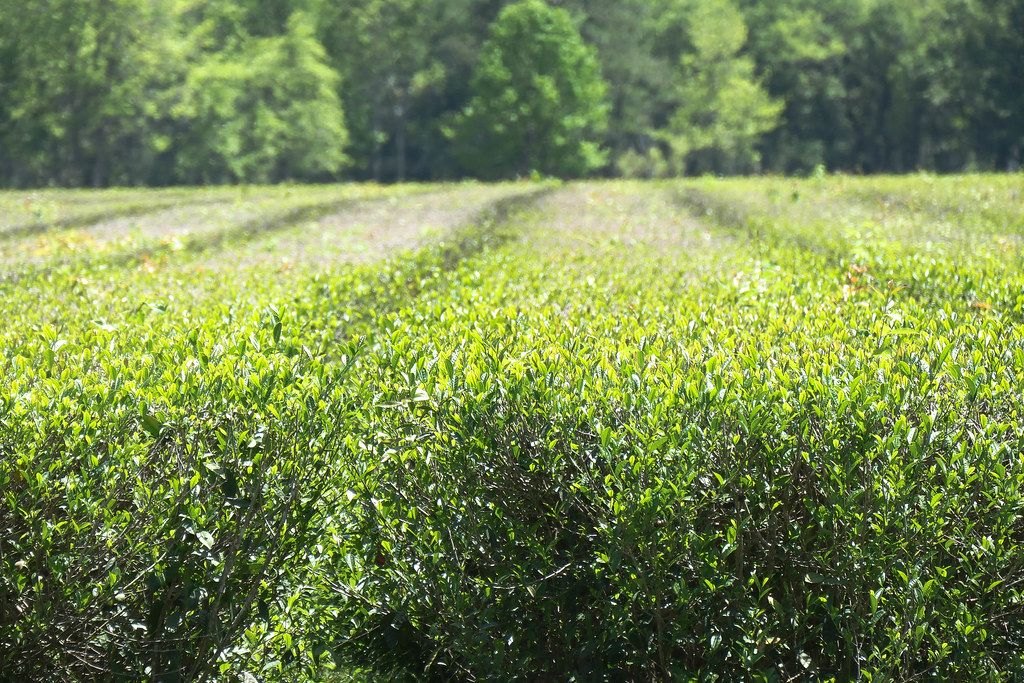
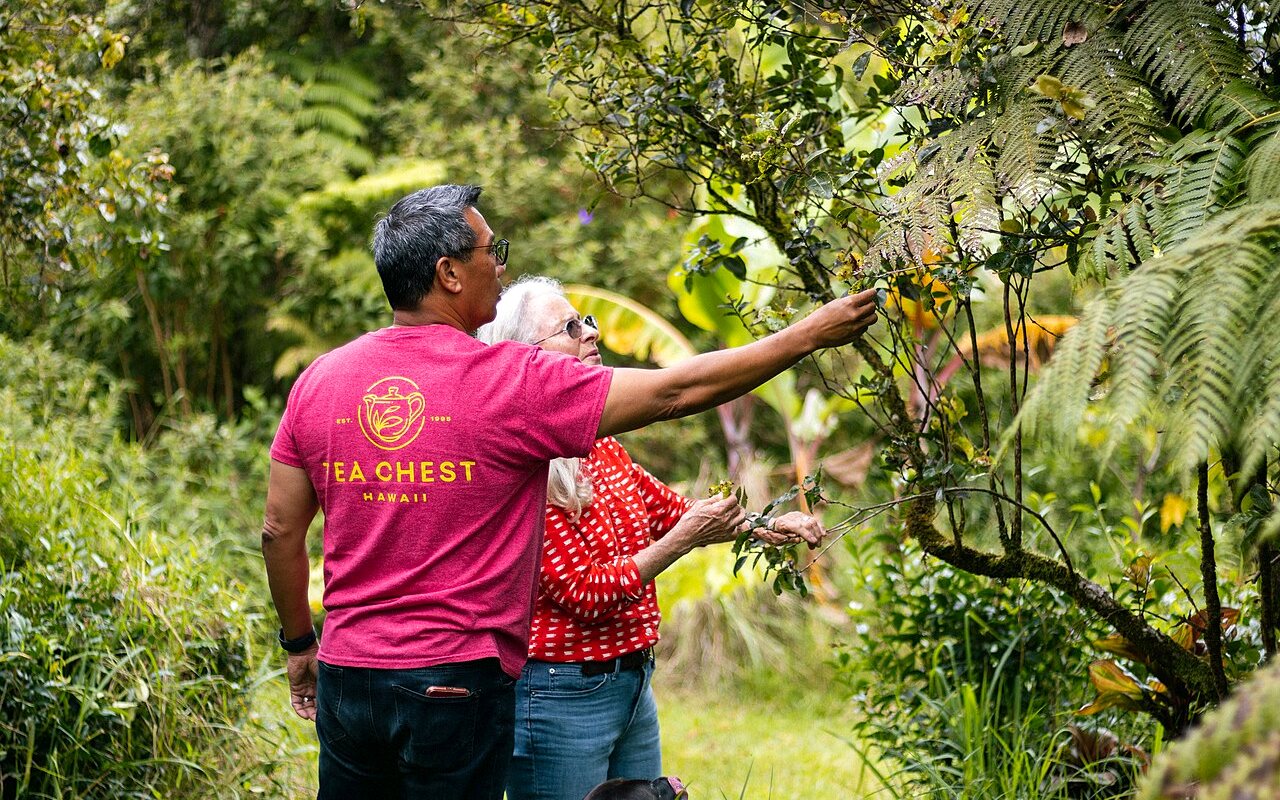
The USA spans many climates, but commercial tea growing is limited: Charleston in South Carolina has a historic garden and factory, Hawaii has volcanic-soil gardens, and California, Oregon and Washington have trials. Southern heat and humidity, Hawaiian volcanic soil and altitude, and California’s Mediterranean climate all have potential, but labour, land cost and processing scale limit commercial volume.
Consumption geography is clearer: southern iced tea is deep, the Northeast and West Coast have strong specialty tea, tea rooms and Asian tea communities, and the Midwest leans on coffee and tea bags. US geography explains settings more than a tea-origin map.
History and industry
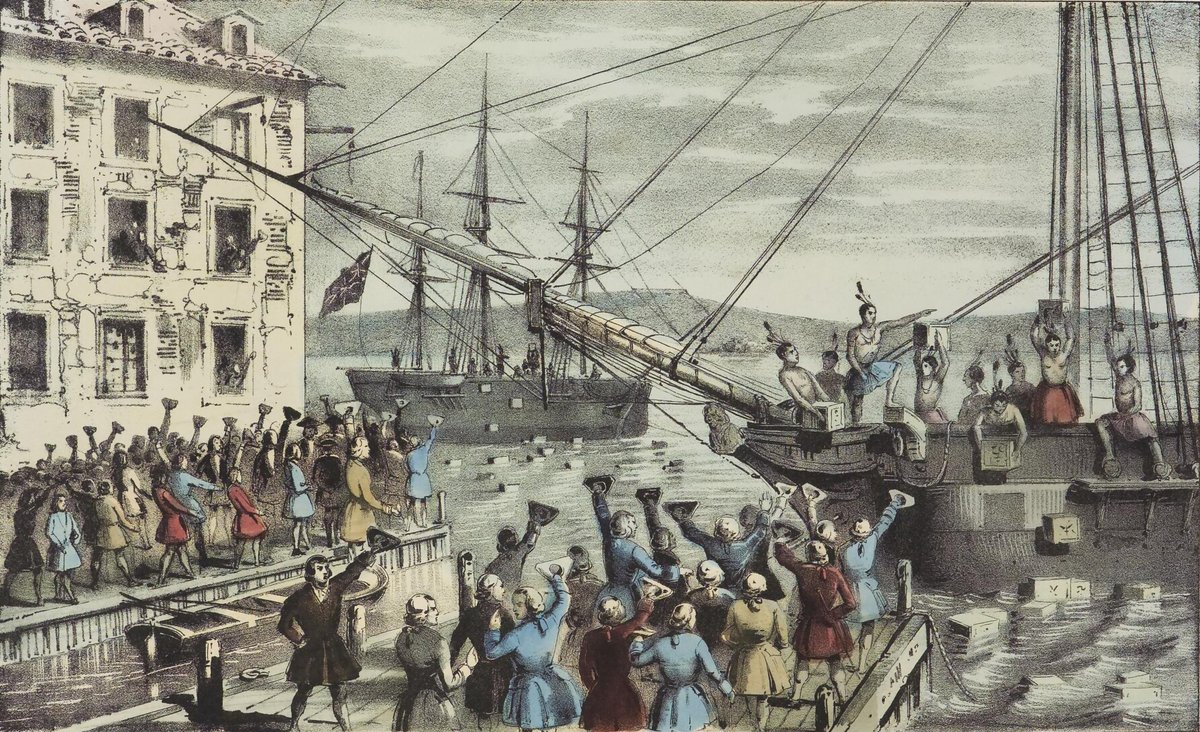
Tea arrived with British colonists in the seventeenth century; the Boston Tea Party of 1773 became a symbol of independence. Nineteenth-century US merchants traded directly with China and Japan, building import and blending systems. Iced tea spread after the 1904 St. Louis World’s Fair, and tea bags, bottled tea and fast food shaped the twentieth century.
Domestic commercial gardens were tried in the late nineteenth century; Charleston Tea Garden is a rare survivor, and Hawaii developed in the twenty-first. Today almost all leaf is imported, with brands, specialty shops, milk tea and bottled tea forming the market. Coffee is strong; tea serves health, convenience and niche settings.
Tea types and flavour
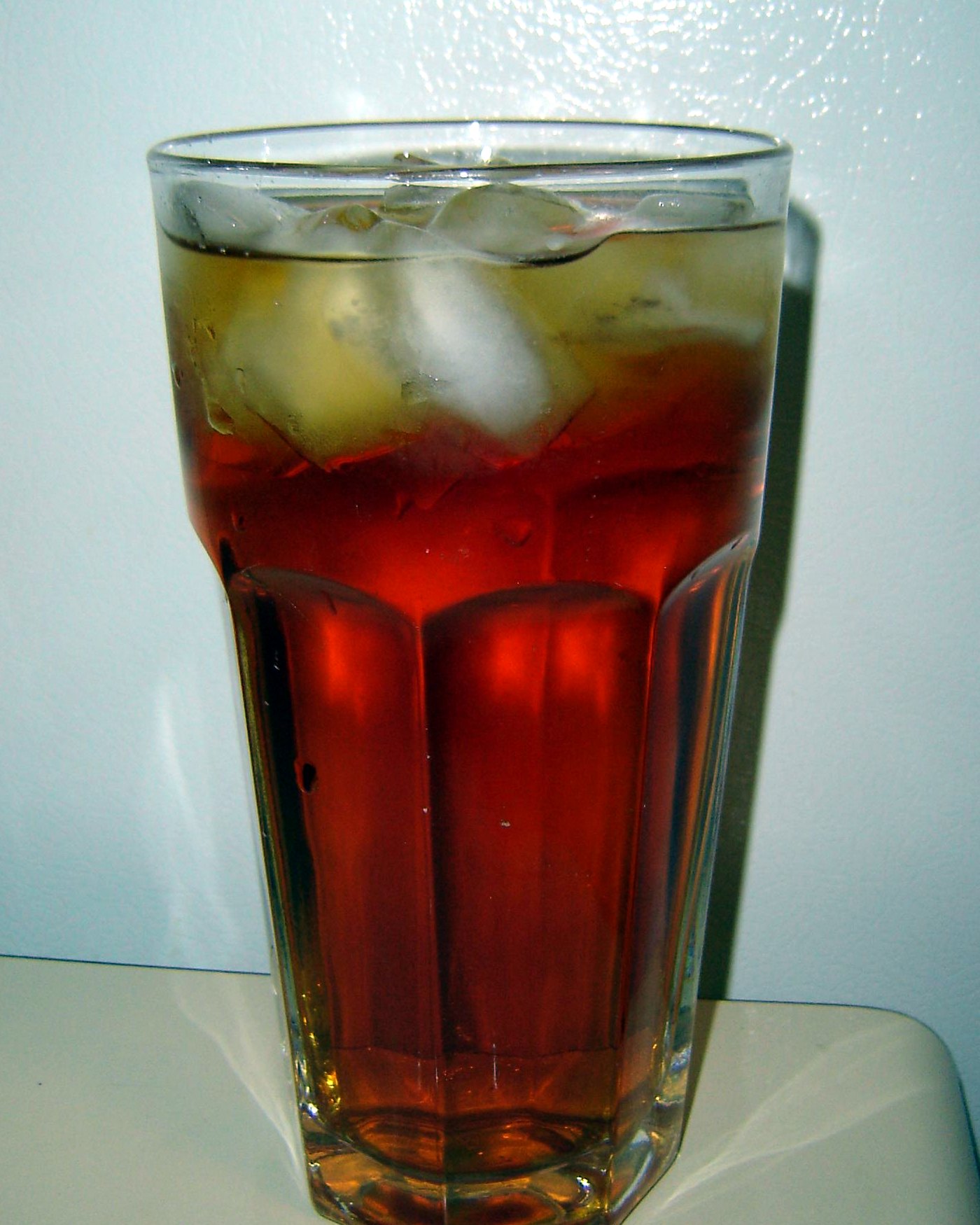
US tea is led by black tea bags and iced tea, with green, herbal, oolong, white and puer growing in specialty. Southern iced tea is sweet with lemon, cool and refreshing; milk tea and matcha are popular with younger buyers. Specialty tea emphasises single origin, brewing and tea-room experience.
US iced tea is usually strong-brewed, chilled and sweetened with lemon; tea bags take boiling water for three to five minutes; specialty green at 80°C, oolong at 90–95°C. The range is wide; “American tea” is not one flavour.
Cultivars and craft
Domestic gardens use Chinese and Assam introductions; Charleston makes black and green tea from Camellia sinensis, Hawaii makes green, oolong and black. Processing is small, partly hand and partly machine; imported tea relies on source-country craft and blending.
The other half of US craft is blending, bagging, bottling and cold brewing: brands design by flavour, price and convenience, with iced and bottled tea prioritising stability and sweetness. Check source, blend and sugar, not just the US brand.
Market and grades
The market is led by tea bags, iced tea, bottled tea and milk tea, with specialty tea, tea rooms and single origins growing. Prices range from supermarket bags to specialty gifts. Coffee chains and energy drinks compete; tea serves health, caffeine-free and afternoon settings. The USA is also an import and brand-incubation market.
Buy fresh bags and iced tea for daily use; single-origin and clear craft for specialty; green by freshness, oolong by roast, black by strength. Brand and source matter more than the “USA” label.
The cup and brewing
Iced tea: strong-brew black tea at 95°C for five minutes, sweeten with lemon, chill; cold brew is softer. Tea bags at 95°C for three to five minutes; green at 80°C; oolong at 90–95°C. Southern sweet tea is high in sugar; specialty tea rooms lean plain. Visit Charleston for the garden and factory, book Hawaii gardens, and find specialty tea rooms in New York and San Francisco.
Myths and boundaries
“The USA grows no tea” is inaccurate: Charleston and Hawaii have commercial gardens, but volume is tiny. “American tea equals iced tea” ignores specialty and bags. “Iced tea is low-end” ignores cold brew and specialty iced tea. “American tea equals British tea” ignores immigrant and Asian tea communities.
The US tea area is not a national region; administrative borders differ from gardens, and brand or source country cannot replace batch. This page gives structure; tea pages and brand information carry specifics.
Teas in this region
Explore US tea by iced tea, tea bags, specialty tea and domestic gardens; check source and craft before brand and setting.
Further reading
Source boundary
This page is edited from public US tea-industry material, consumption culture and domestic garden information. Specific brands, prices and garden opening times change; use current official information. The USA is not a traditional origin, and this page avoids a “national garden” narrative or treating advertising as origin fact.

