
Vietnamese tea runs from Thái Nguyên and Tuyên Quang to Sơn La and Lâm Đồng: Shan old trees, green tea, oolong and export black tea — a Southeast Asian region where green tea is daily and export is bulk.
The short answer
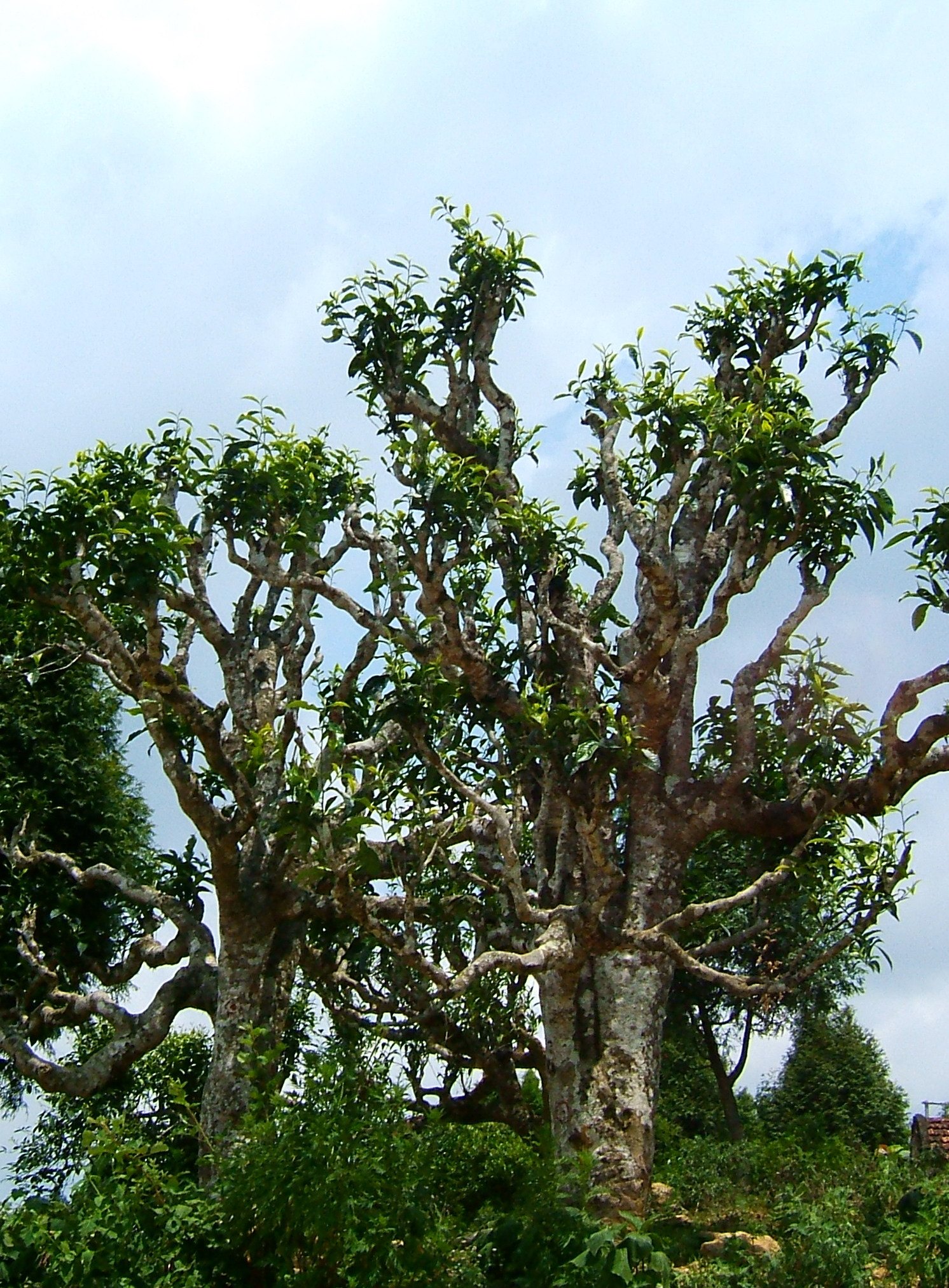
Vietnam spans several tea areas: the northern mountains of Thái Nguyên, Tuyên Quang, Hà Giang and Sơn La make green tea, Shan old-tree tea and oolong; the central highlands of Lâm Đồng make black, oolong and export tea. Green tea is the daily drink; oolong and black serve export and urban markets. Read Vietnam by separating northern old-tree and green-tea tradition from southern highland commodity tea.
Geography and growing conditions
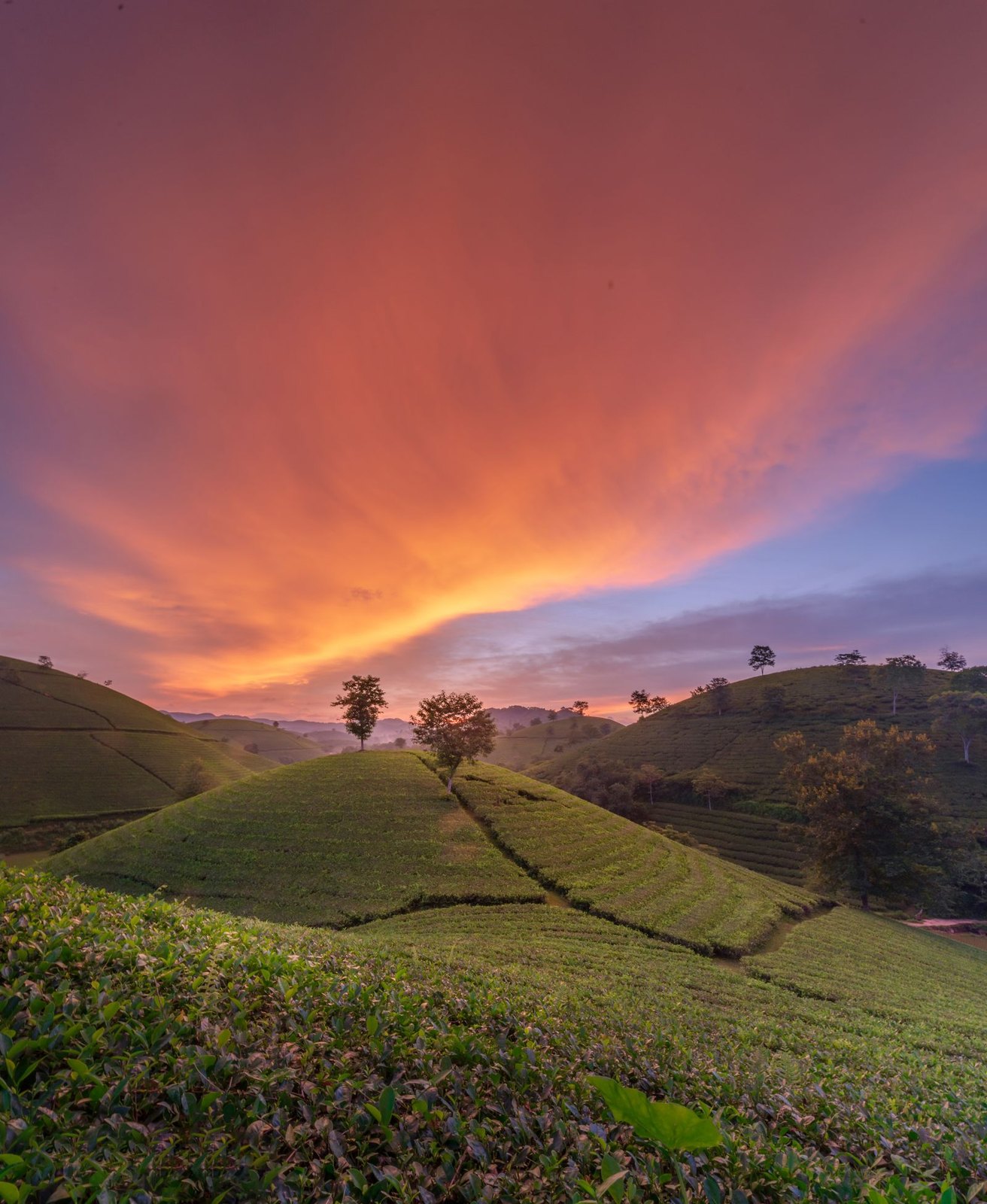
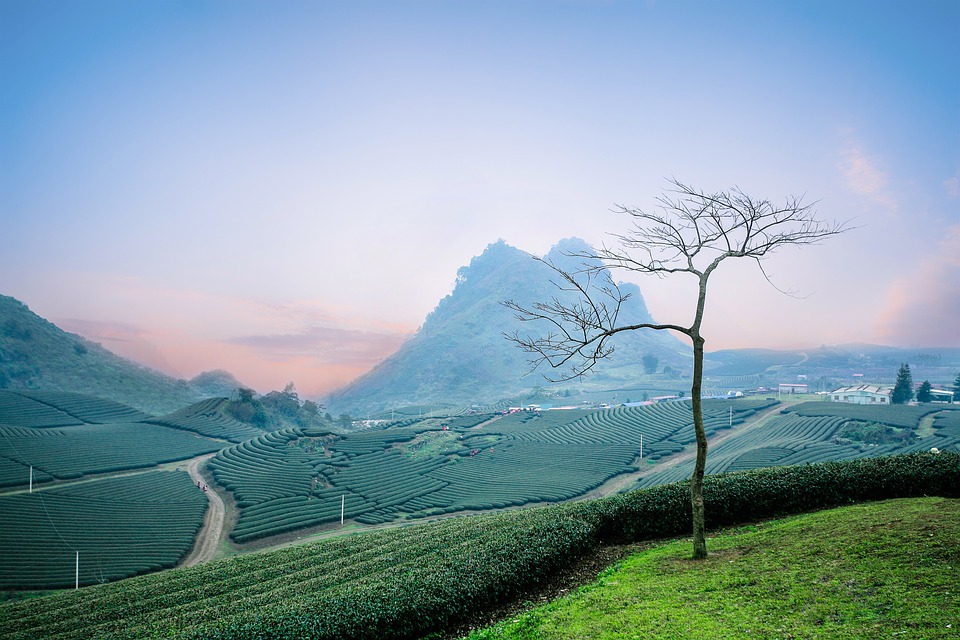
Northern mountains rise 600–1,600 metres, subtropical monsoon with winter cold, suited to Shan large-leaf tea and green tea; the Mộc Châu plateau in Sơn La and the Suoi Giang old-tree area in Hà Giang are representative. Lâm Đồng sits at 1,000–1,500 metres, mild and suited to oolong and black tea. The southern plains are too hot for tea.
Terroir and craft
Vietnamese tea spans the north and south: Thai Nguyen, Tuyen Quang, Yen Bai and Ha Giang in the north make green, sun-dried and ancient-tree tea; Lam Dong in the centre-south makes green, oolong and black. China-type, Assam hybrid and local Shan Tuyet populations are processed from hand methods to modern factories.
History and industry
Vietnamese tea history interweaves China, French colonisation and socialist state farms. The French established gardens in the north and centre in the nineteenth century; state farms and cooperatives expanded in the twentieth, exporting to the Soviet Union and Eastern Europe. After Đổi Mới, private and foreign investment entered, and green, oolong and black tea developed in parallel. Vietnam is now a major exporter, but prices and brands remain weak.
Tea types and everyday drinking
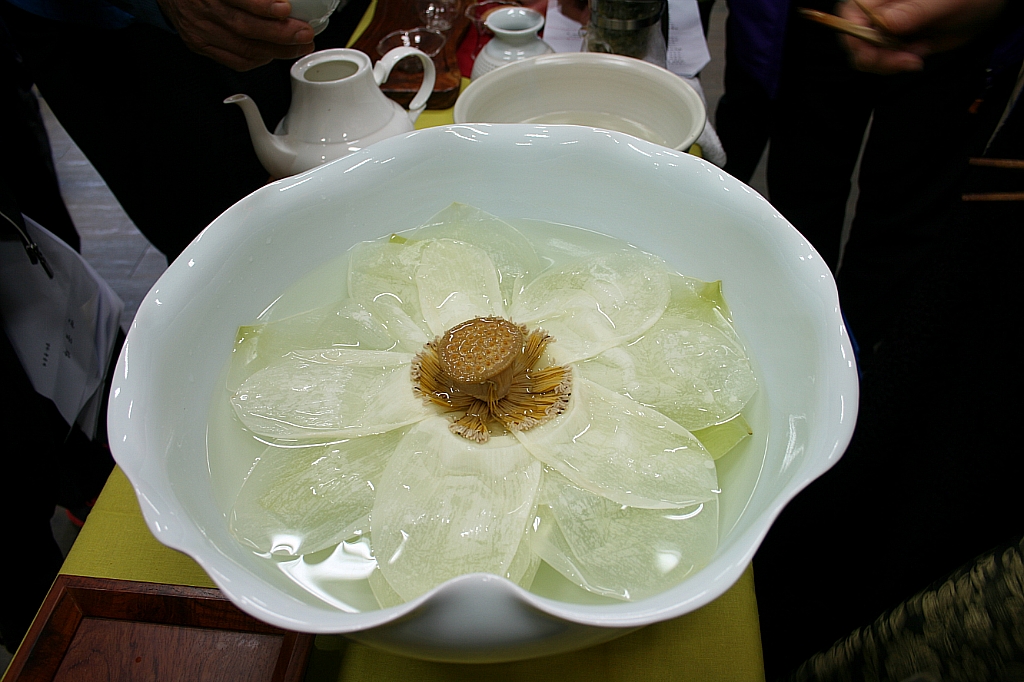
Vietnamese green tea (chè xanh) is the daily staple, yellow-green and fresh; northern Shan old-tree tea is made into green, black and pu-erh-style tea; Lâm Đồng makes oolong, black and export CTC. Lotus tea (sen) scents green tea with lotus stamens, a Hanoi specialty. Urban coffee culture is strong, and tea shops and iced tea coexist.
Industry and market
Vietnam is a major producer and exporter, with green and black tea in international bulk trade and Thai Nguyen green and Shan Tuyet reaching specialty. Domestic drinking is green-tea led, while oolong and milk tea grow among younger buyers. Brands are many, specialty share small, and prices wide.
The cup and brewing
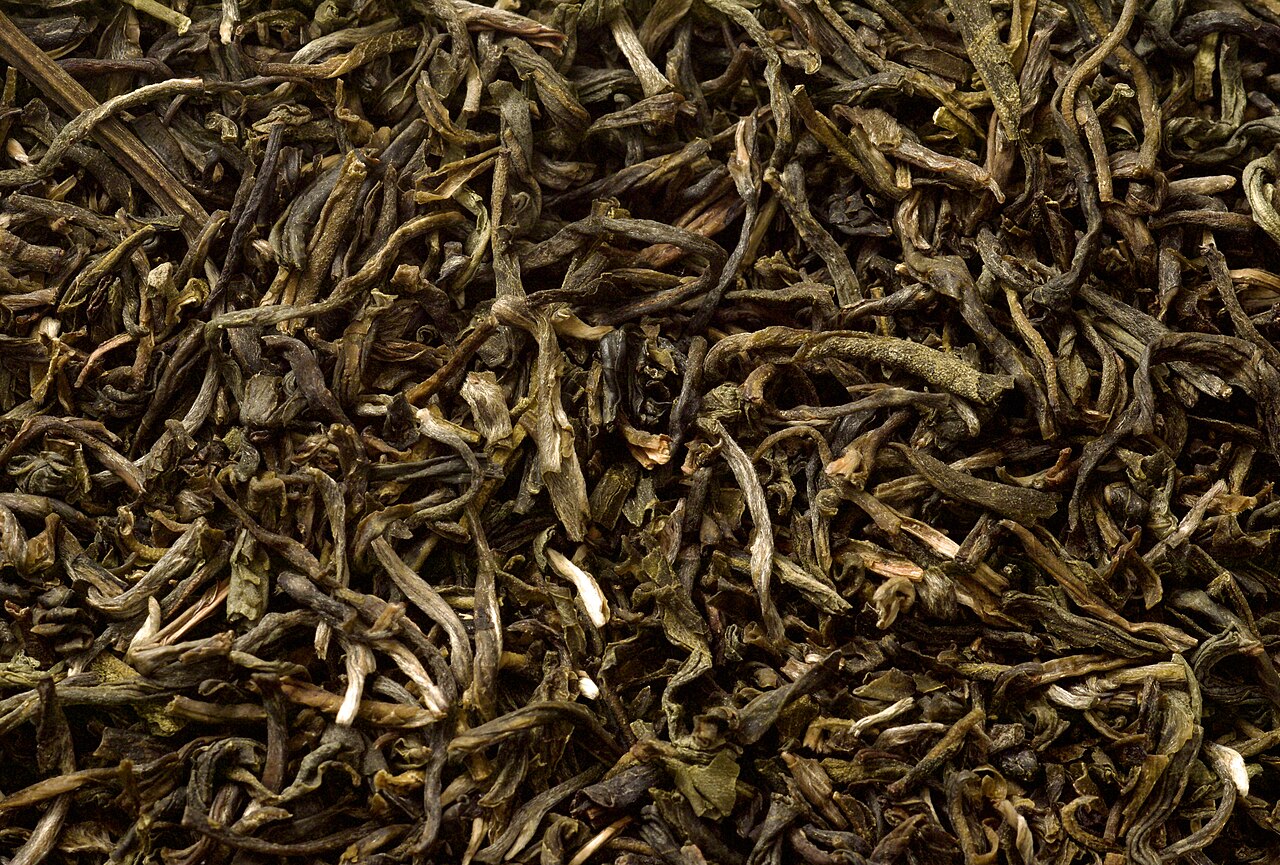
Thai Nguyen green tea is yellow-green, with bean, chestnut and fresh sweetness. Shan Tuyet ancient-tree green is wilder, with flower, forest and a long finish. Oolong is floral and black tea fuller. Brew green at 80–85°C and fast; oolong at 90°C; black at 90–95°C. Visit the north in March–May or September–November.
Buying and boundaries
For Vietnamese tea, check origin, cultivar and process; Thái Nguyên green, Mộc Châu oolong and Suoi Giang old-tree tea differ. Brew green at 80–85°C; oolong at 90–95°C; black at 90–95°C. Export tea and specialty tea are different systems; estate and batch matter more than the label “Vietnamese tea”.
Myths and boundaries
“Vietnam only makes green tea” ignores oolong, black and ancient-tree tea. Green tea dominates, but Lam Dong oolong, northern black tea and Shan Tuyet all matter. Nor is every “ancient tree” automatically high-value.
Thai Nguyen, Lam Dong and the colonial legacy
Vietnamese tea runs from Thai Nguyen, Tuyen Quang and Son La in the north to the Lam Dong plateau in the centre. French colonists built gardens and black-tea factories in the 1920s–30s, and state farms continued after independence. After the 1986 doi moi reforms, smallholders and private processors expanded, with green tea for the home market and black tea for export. The midlands of Thai Nguyen and the 1,000–1,500 m highlands of Lam Dong differ sharply in picking season and flavour. Vietnam is also one of the world’s major tea exporters.
Domestic green-tea demand centres on Thai Nguyen and Hanoi, while export black tea moves to the Middle East and South Asia. Lam Dong’s highland oolong and black tea have gained attention through Dalat tourism.
Lam Dong picks from March to November and stops in the rainy season.
Teas in this region
- Bao Loc Oolong Tea
- Vietnamese Lotus Tea
- Mộc Châu Oolong
- Phú Thọ Black Tea
- Suoi Giang Ancient Tea
- Vietnamese Jasmine Tea
Further reading
Source boundary
Vietnamese tea spans the northern mountains and central highlands, not nationwide; Shan old-tree, green, oolong and export CTC are not one quality system. Output is large but brands weak; this page does not sell Vietnam as “the next Yunnan”.

