
The UK grows no commercial tea, yet it turned tea into a modern global consumption system: the East India Company, afternoon tea, tea bags, blends, brands and tea rooms. Read the UK not by gardens but by trade, blending, setting and brand.
The short answer
The UK has no commercial tea gardens; almost all leaf is imported. It has nonetheless been a long-standing centre of tea trade, blending, branding and consumption culture. Black tea bags and blends dominate: breakfast tea, Earl Grey, afternoon tea, milk tea and tea rooms. India, Sri Lanka, Kenya and China are the main sources; Twinings, PG Tips, Yorkshire Tea and Fortnum & Mason cover different price bands. Read the UK by separating origin from blend, then setting and brand.
Geography and growing conditions
The UK lies at 50°–58° north with a temperate maritime climate, short winters and cool summers; commercial tea growing is marginal. Cornwall, Scotland and Wales have small trial gardens, but not commercial volume. The UK’s value is in ports, auctions, blending and consumption: London, Liverpool and Bristol were tea-trade hubs.
UK water is often hard and affects liquor; tea bags and blends were designed for stable daily results. Afternoon tea, tea rooms, hotels and offices create different brewing and pairing systems. Do not treat “UK” as an origin; treat it as a consumption and brand system.
History and industry
Tea entered Britain in the seventeenth century via the Dutch and the East India Company, first as a luxury for aristocrats and coffee houses; by the eighteenth century it was national, with East India Company monopoly, the opium trade and smuggling intertwined. In the nineteenth century, Assam and Ceylon gardens expanded, British brands and auctions matured, and clipper races became a speed-marketing symbol.
In the twentieth century, tea bags, blends and supermarket brands made tea everyday; after the war, coffee competition, bag convenience and the decline of tea rooms shifted consumption to home and office. The UK remains a major European consumer and re-export market, with specialty tea, tea rooms and afternoon-tea tourism growing, while tea bags still dominate.
Tea types and flavour
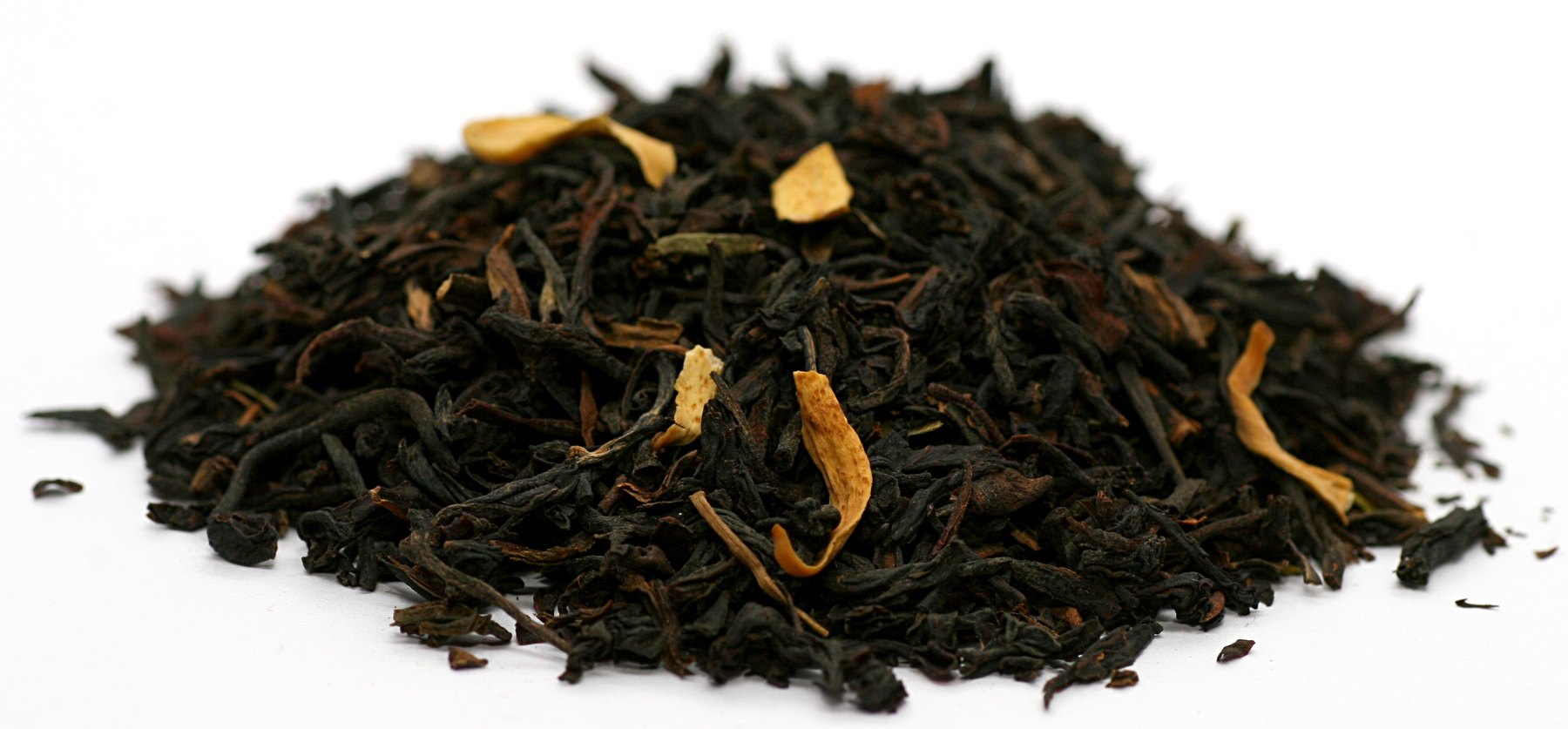
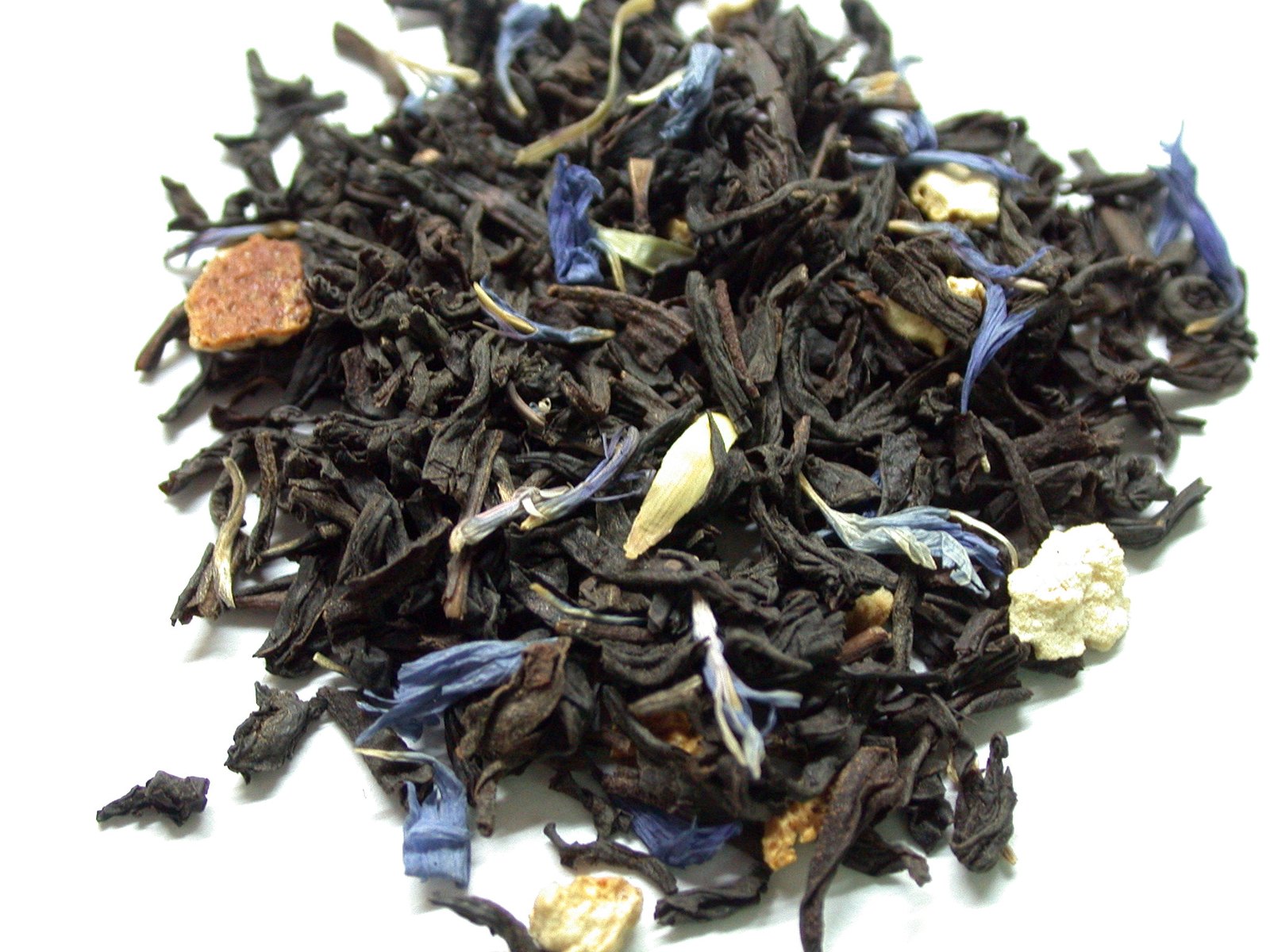
British tea is mainly black: breakfast tea (Assam, Ceylon and Kenya blends, strong and milky), Earl Grey (black tea with bergamot), afternoon tea (Darjeeling, Ceylon and Assam blends, light to medium), milk tea and tea bags. Green, herbal, oolong and puer grow in specialty but remain small.
British black tea values strength, brightness and milk tolerance: deep red, malt and wood, still structured with milk. Earl Grey’s bergamot is flavouring, not origin; afternoon tea is more about setting and pastry than one tea type.
Cultivars and craft
The UK does not grow tea, so cultivar and craft happen in source countries and blending rooms: Assam gives strength, Ceylon brightness and flower, Kenya strength and price, Darjeeling aroma, China specialty flavour. Blenders combine by flavour, price, season and water, then test sensory and chemical quality.
Tea-bag craft shapes the cup: CTC brews fast for bags; orthodox keeps leaf for loose tea and specialty. British brands usually separate origin and blend on the pack; check source and proportion, not just the “British” label.
Market and grades
The UK market is led by supermarket tea bags with concentrated brands; specialty tea, tea rooms, hotels and tourism are segmented. Prices range from everyday bags to Fortnum & Mason and Harrods gift boxes; afternoon-tea prices reflect setting and service more than leaf. The UK is also a re-export and brand-incubation market.
Buy fresh bags and breakfast blends for daily use; single-origin or high-grade orthodox for plain drinking; light-to-medium black tea for afternoon tea; Earl Grey with natural bergamot. Brand and blend matter more than the “UK” label.
The cup and brewing
The British standard: black tea at 95–100°C for three to five minutes, warm the pot, then add milk (milk-first or tea-first is debated); breakfast strong, afternoon lighter. Earl Grey at 90–95°C for three minutes, avoiding a perfumed edge. Green at 80°C; herbal at 95°C. Afternoon tea moves from light to strong, usually plain first, then milk and sugar.
Visit London for the Twinings shop, Fortnum & Mason, Harrods tea rooms and hotel afternoon tea; booking and dress codes vary. British tea culture is setting-led; do not confuse afternoon tea with an everyday tea bag.
Myths and boundaries
“The UK grows tea” is a misunderstanding: there are no commercial gardens. “British tea equals black tea” fits the mainstream, but specialty includes green, oolong and herbal. “Afternoon tea equals premium tea” is setting premium; the leaf may be ordinary. “Earl Grey is an origin” is wrong: it is a flavoured blend.
The UK is a consumption and brand system, not an origin; source country, blend, bag craft and setting decide the cup. This page gives structure; tea pages and brand information carry specifics.
Teas in this region
Explore UK tea by breakfast, Earl Grey, afternoon tea and tea rooms; check source and blend before brand and setting.
Further reading
Source boundary
This page is edited from public UK tea-industry material, trade history and consumption culture. Specific brands, prices and afternoon-tea packages change; use current official information. The UK is not an origin, and this page avoids garden storytelling or treating advertising as origin fact.

