TEA ENCYCLOPEDIAA little closer to the world of tea.
TEA ENCYCLOPEDIA / Teas

Teas.

From green to dark tea, find a tea by type, origin or name.

109entriesPage 3 of 3
Sorted by name
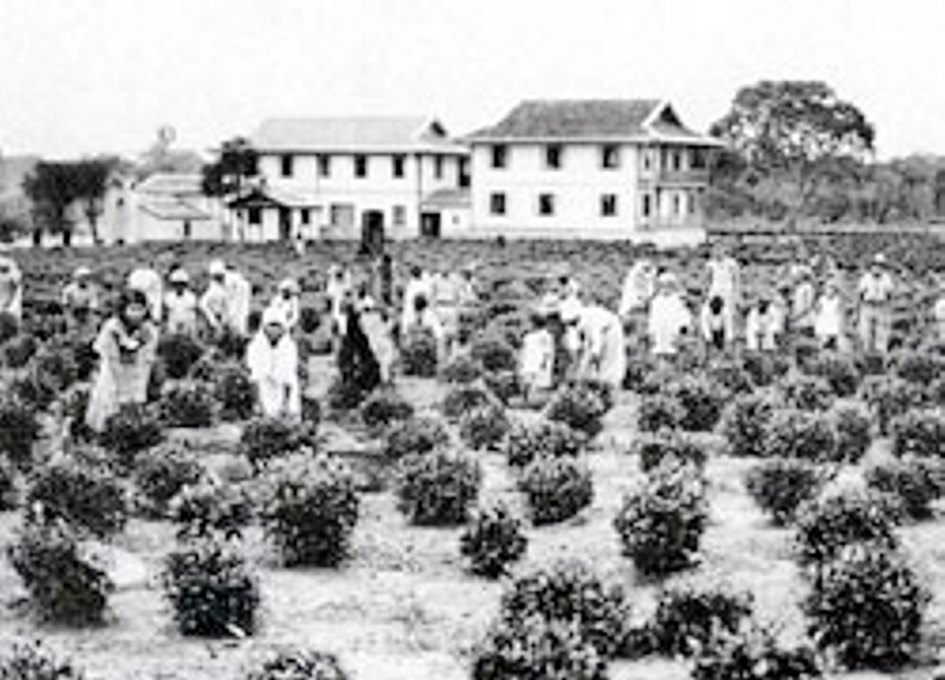
TeaHistorical photograph of Japanese immigrants picking tea near Registro, Vale do Ribeira, circa 1930Unknown author / Museu Histórico da Imigração Japonesa / Wikimedia Commons · Public domain
Brazil

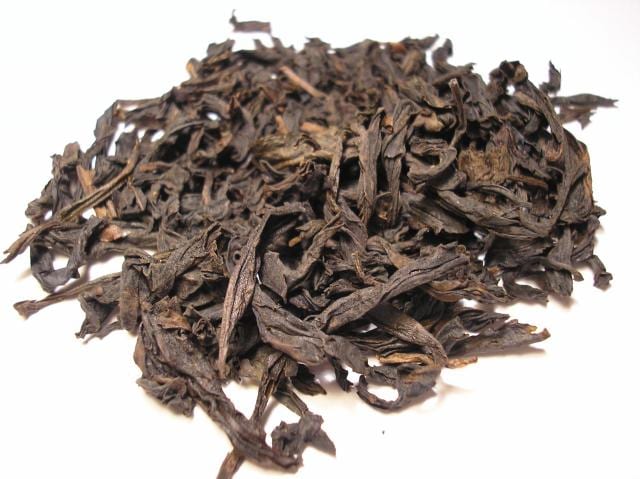
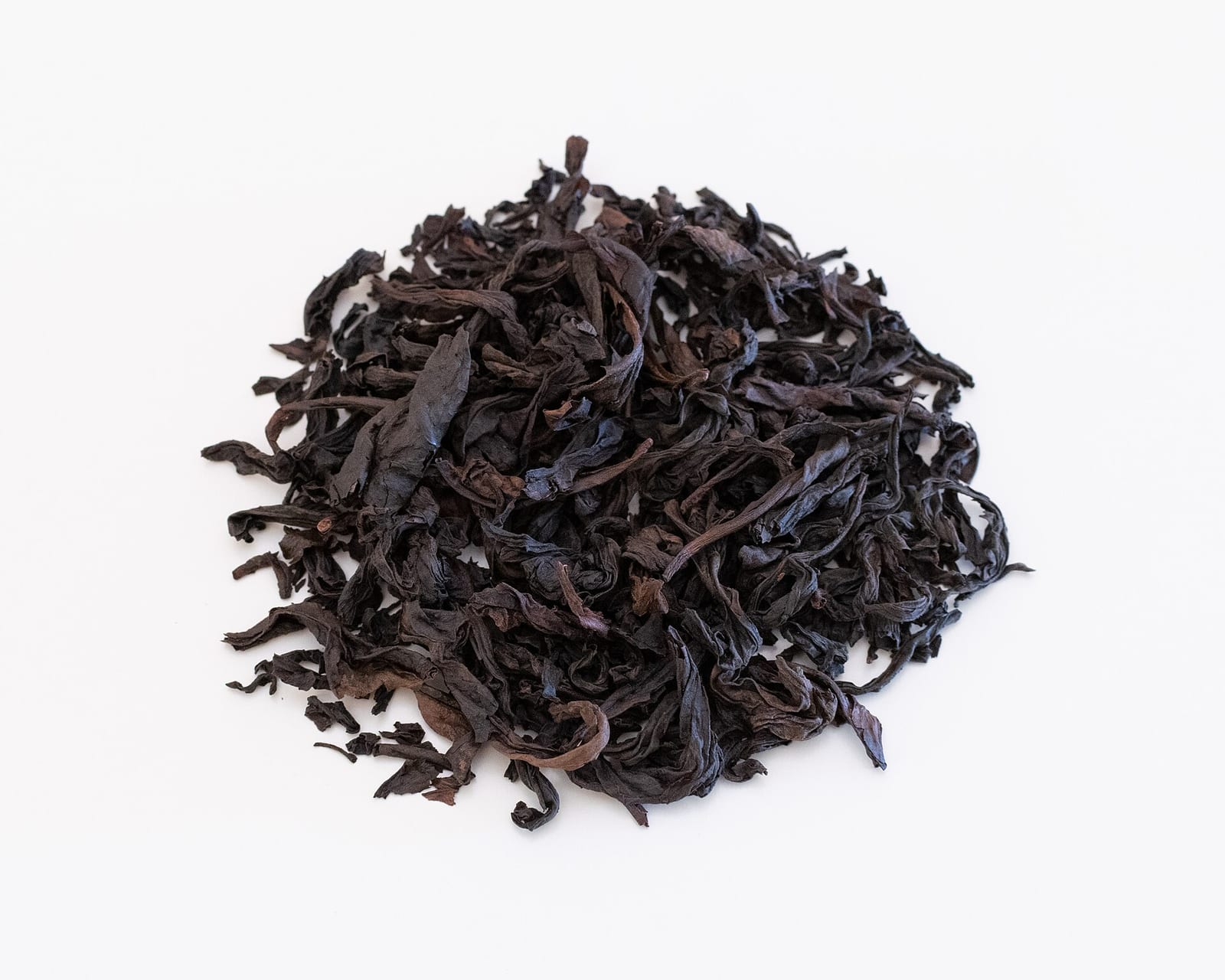
Vale do Ribeira Black Tea

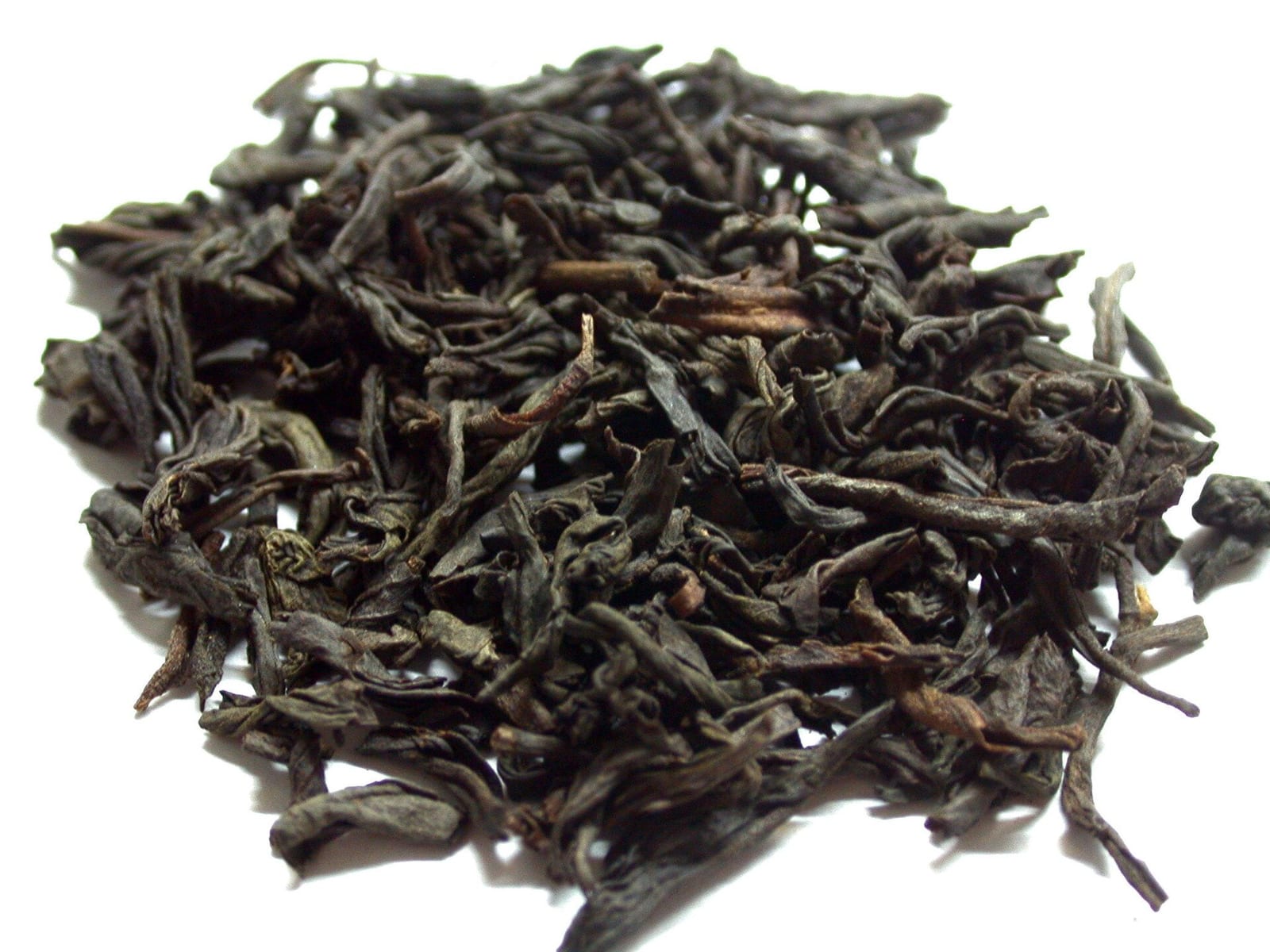
Vale do Ribeira black tea is a regional black-tea tradition in southern São Paulo state, centred on Registro, Pariquera-Açu and Sete Barras. It is not a single brand, cultivar or standardized process. In 1913 Torazo Okamoto brought Assam seedlings from Sri Lanka; in the 1930s Japanese immigrant growers expanded the valley to about 5,000 ha, 600 producers and 40 factories, with roughly 90% exported. The 1980s crisis closed many factories. A 1984 state law gave Registro the title “State Tea Capital”, and the city exported more than US$68 million of tea between 1997 and 2023. Three current cases are Amaya's non-orthodox, export-oriented production; Sítio Shimada's organic handmade black tea; and Sítio Yamamaru's agroforestry smallholding. Public sources do not give one regional cultivar, process or sensory standard, so “CTC strong liquor” is not a safe description of the whole valley.

Black tea
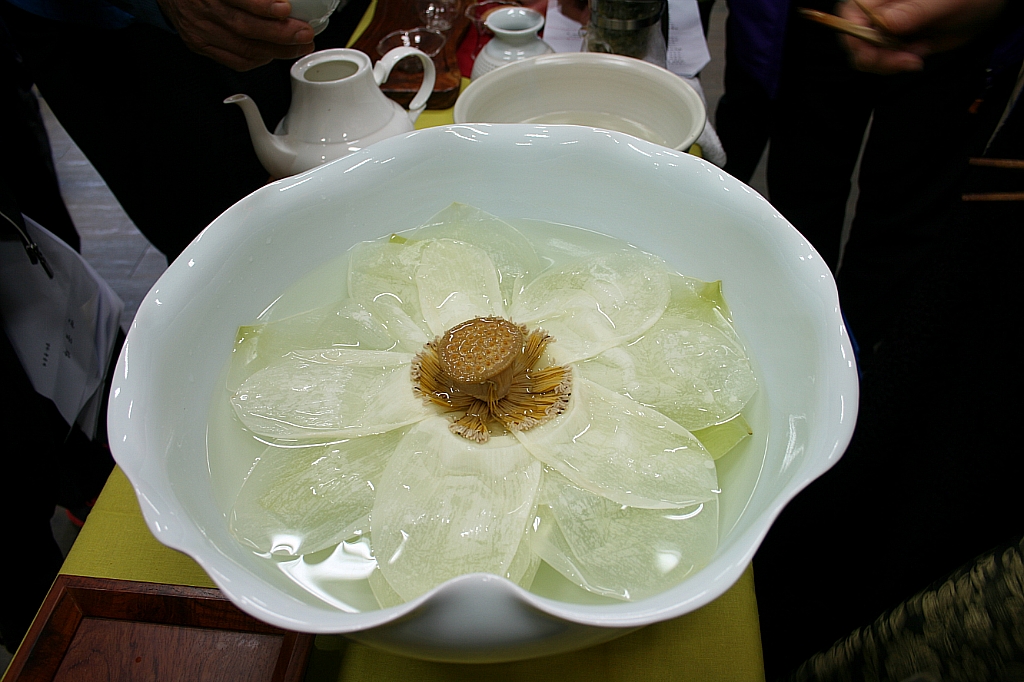
TeaLotus flower tea활빈당 · CC BY 2.0 kr
Vietnam

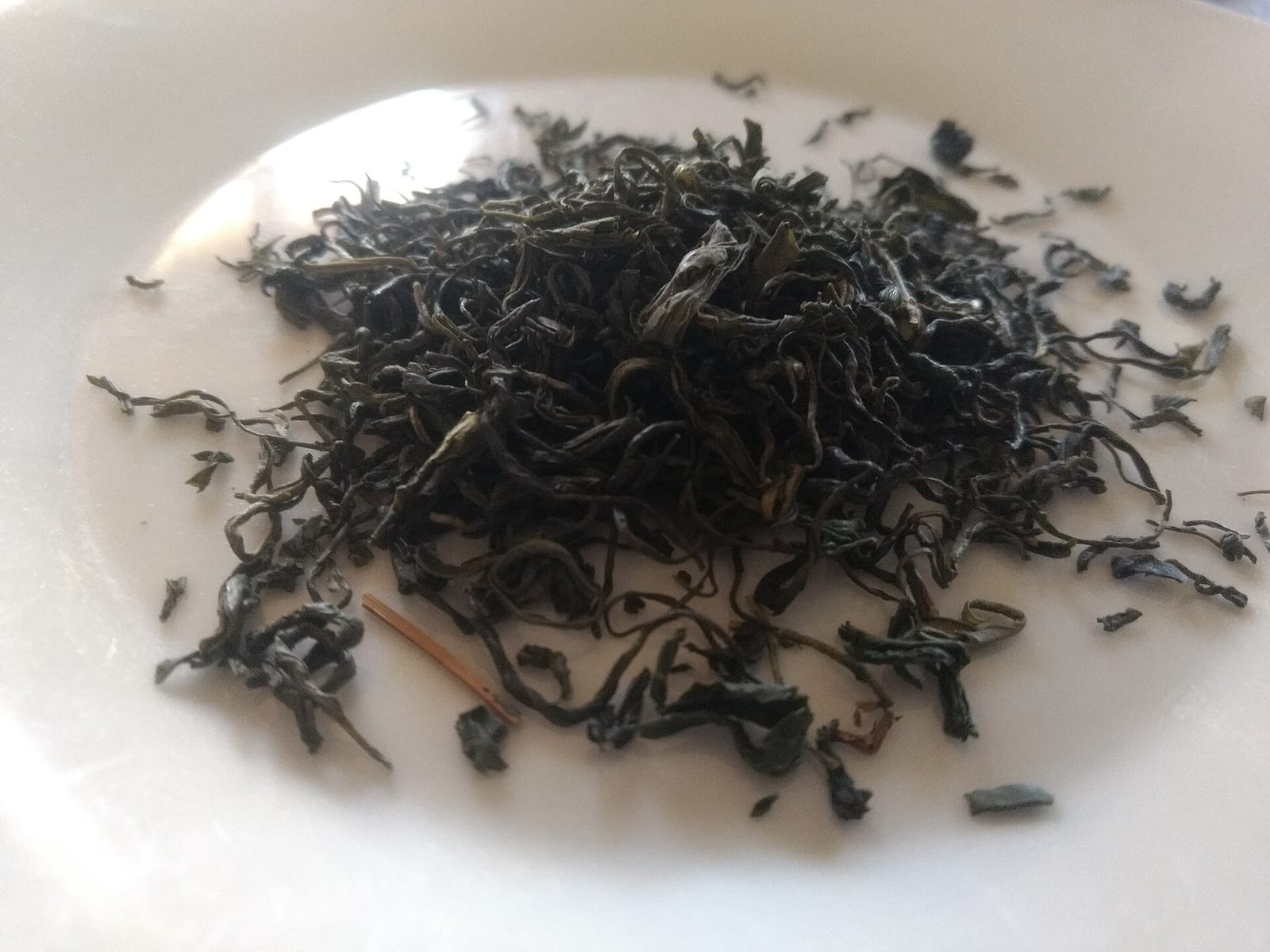
Vietnamese Lotus Tea

Vietnamese lotus tea is green tea scented with lotus. The traditional centre is Quảng An village on Hanoi’s West Lake, where makers use the hundred-petal Bach Diep lotus. The high-aroma method gathers the flower anthers, layers them with Thái Nguyên green tea and repeats scenting and drying for roughly 15–21 days; a simpler method stuffs tea into a fresh lotus overnight. The best cups are lightly astringent, sweet at the finish and cleanly floral.

Scented tea
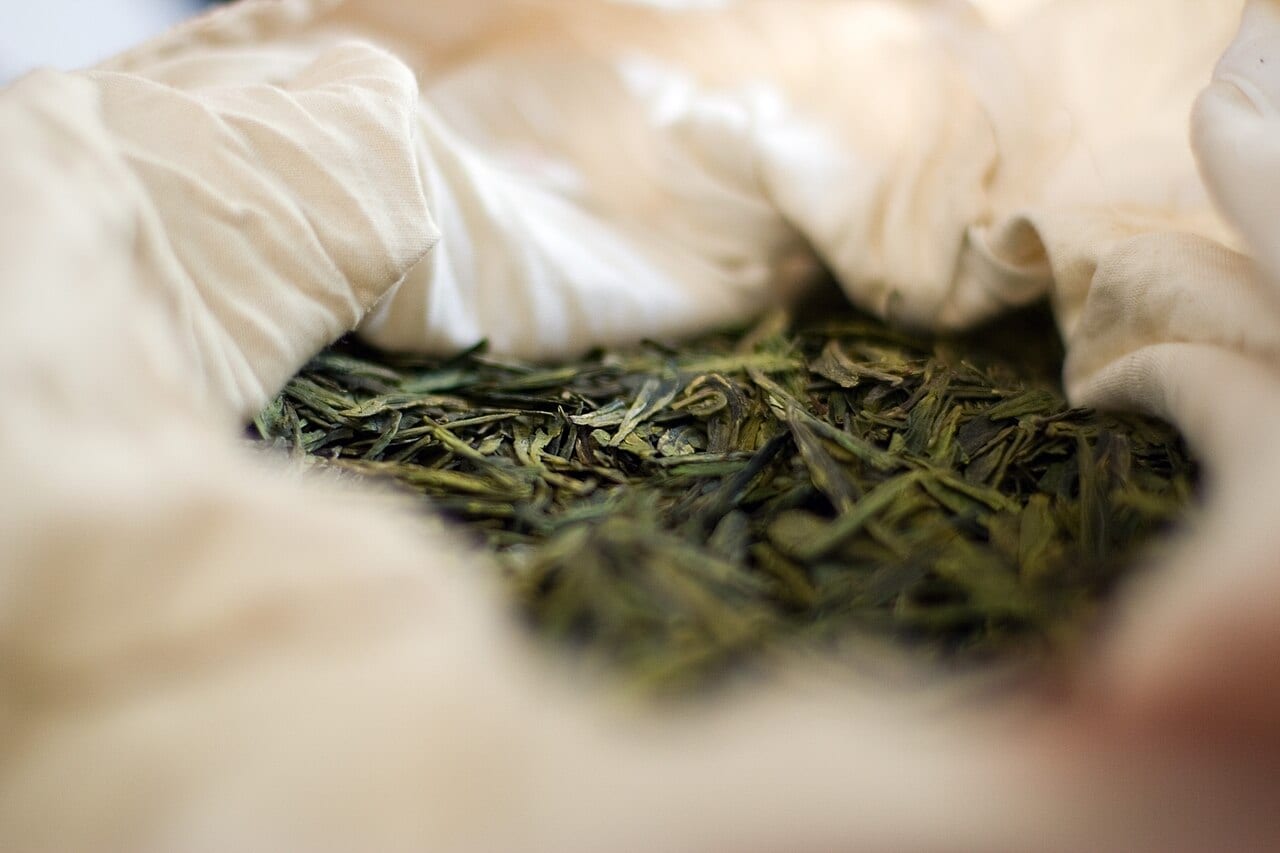
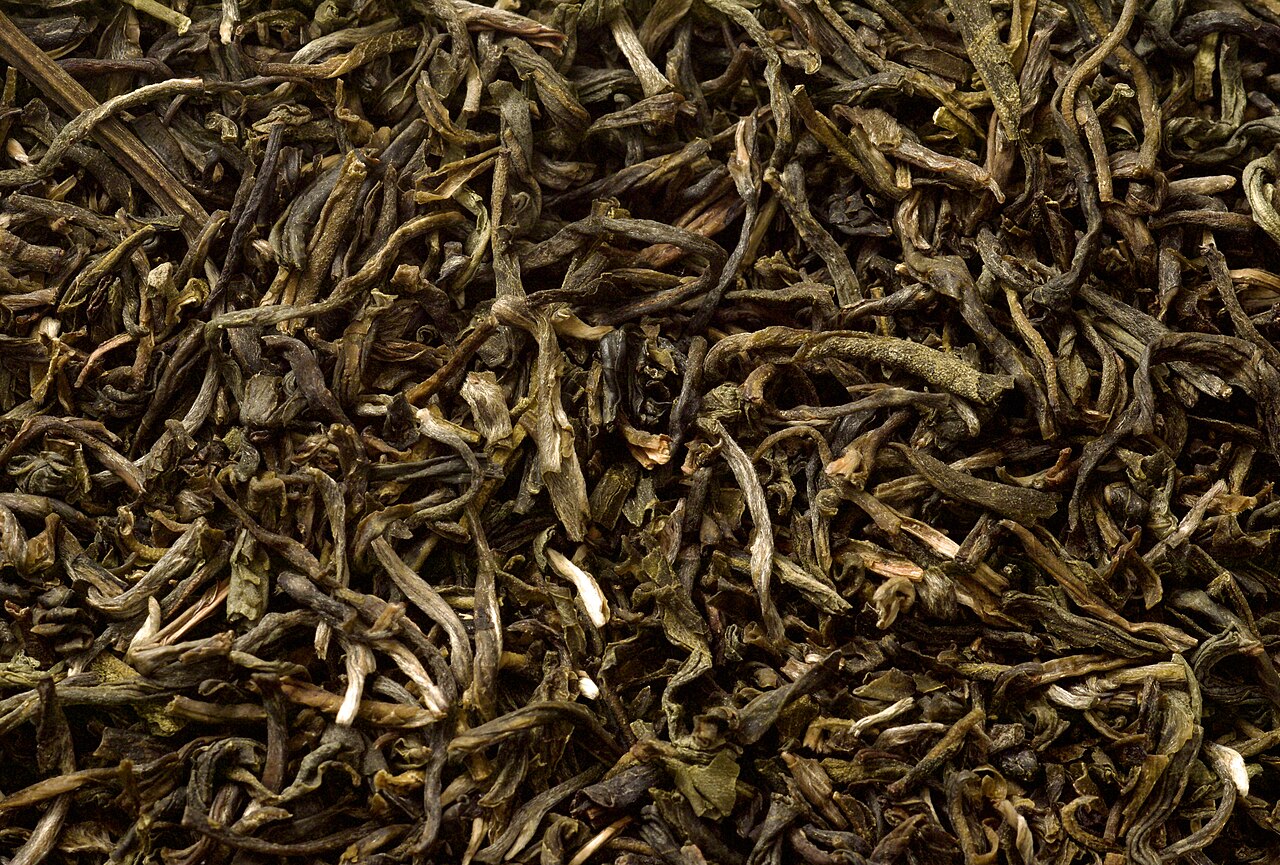
TeaA reference photograph of flat green tea leaves, using Longjing as the sample; not a product photograph of Xixiang Wuzi XianhaoRomain Guy / Wikimedia Commons · CC BY-SA 2.0
China · Shaanxi

Xixiang Wuzi Xianhao

Wuzi Xianhao is a strip-shaped green tea from Xixiang County, Shaanxi, standardised in 1985 and named by tea scholar Chen Chuan. Xixiang officials often call it a predecessor of Hanzhong Xianhao, but it is not a separate geographical indication today: Hanzhong began consolidating local tea brands in 2005, and the geographical indication approved in 2007 is “Hanzhong Xianhao”. In 2024 the county's tea-industry figures were 360,000 mu of tea gardens, 20,100 tonnes of dry maocha and CNY 2.946 billion in output value; the county statistical communiqué gives 343,500 mu and 16,780 tonnes. The two sets of figures use different reporting systems and should not be mixed.

Green tea
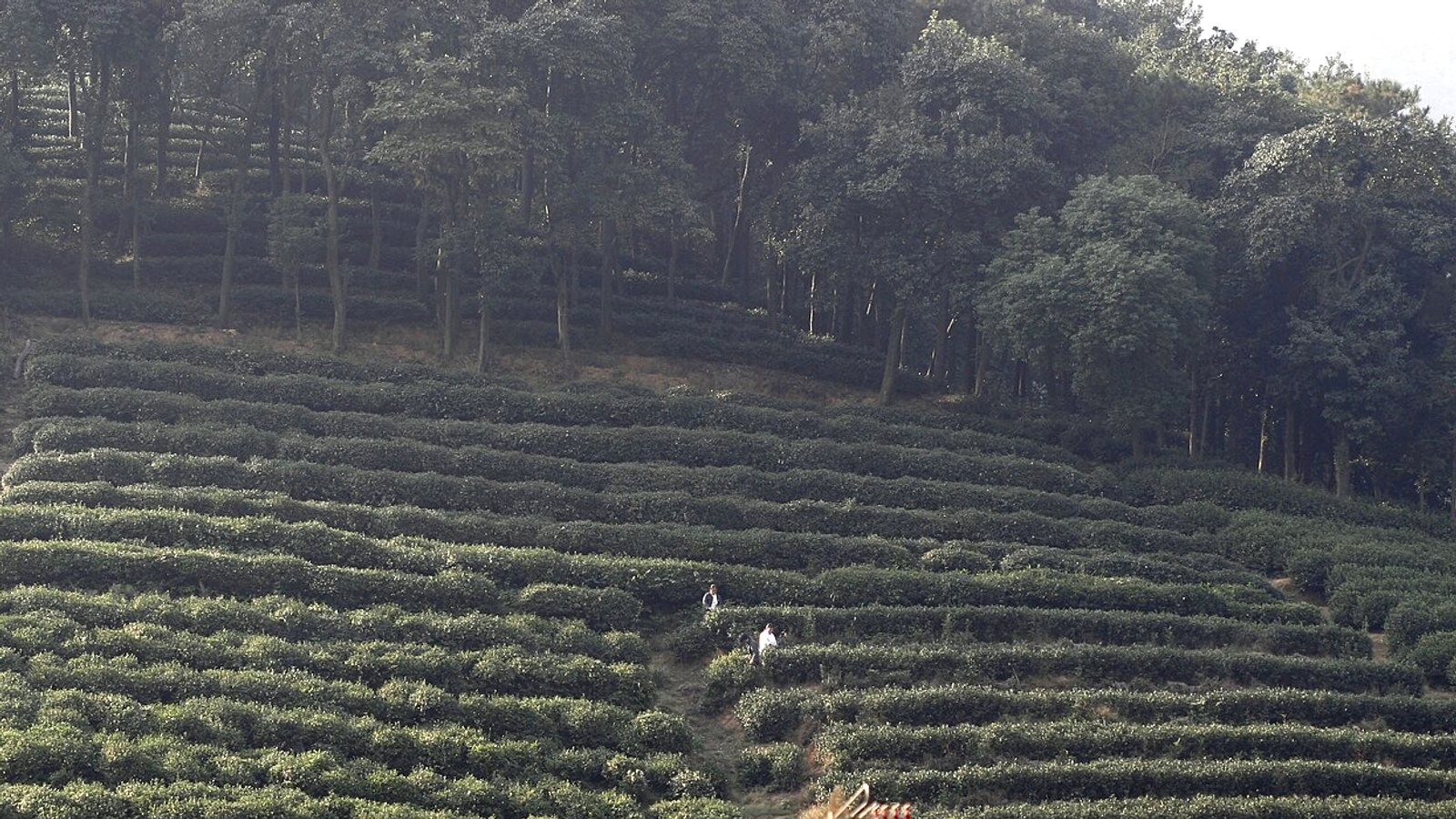
TeaA reference photograph of a terraced tea garden in Hangzhou; not a Ziyang tea garden or a product photograph of Ziyang MaojianArmin Kübelbeck / Wikimedia Commons · CC BY-SA 3.0
China · Shaanxi

Ziyang Maojian

Ziyang Maojian is a traditional famous tea from Ziyang County, Shaanxi, and a registered geographical-indication certification trademark. Today it usually appears as a green-tea product under the regional public brand “Ziyang Selenium-Rich Tea”; the 2004 protected product and the 2023 protection upgrade cover “Ziyang Selenium-Rich Tea”, not the four characters “Ziyang Maojian”. In 2024 the county reported 260,000 mu of tea gardens, 12,800 tonnes of tea, CNY 3.55 billion in output value and CNY 7 billion in composite output. These are industry figures, not statistical-communiqué figures.

Green tea

Explore the world of tea

ESC
Search in

Type a word. Let curiosity lead the way.

Open the full search page →
See all results