
Japan is led by sencha, not matcha. Shizuoka, Kagoshima, Uji, Fukuoka and Kumamoto turn the same leaf into sencha, gyokuro, matcha, hojicha, genmaicha and black tea through shading, steaming, rolling, roasting and milling.
The short answer
Japanese tea is concentrated along the Pacific coast and southern islands. Shizuoka is the largest region, Kagoshima the fastest-growing, Uji the home of matcha and gyokuro, with Fukuoka, Kumamoto, Mie and Saitama also important. Green tea dominates; sencha is about seventy percent. Matcha, gyokuro, hojicha, genmaicha, kamairicha and black tea each have their own craft and market. Read Japan by tea type first, then region and tea ceremony; do not treat matcha as all of Japanese tea.
Geography and growing conditions
The main belt runs roughly 31°–35° north on the Pacific side. Shizuoka is warm and wet with moderate day–night range, its gardens on hills and below Fuji. Kagoshima has volcanic soils and strong sun, high volume and early spring. Uji sits in a basin where river mist and shading suit gyokuro and matcha. Fukuoka, Kumamoto, Mie and Saitama grow on mountains and valleys. Annual rain is 1,500–2,500 mm; plum rain and typhoons affect plucking, and winter frost limits northern gardens.
Most Japanese gardens are smallholders working through cooperatives and shared factories. Steep fields resist mechanisation, and labour shortage and abandonment are long-term problems. Organic, shading and labour-saving methods are responses, but costs are high. Altitude is not the only variable; shading, cultivar, season and steaming time shape the cup more directly.
History and industry
Tea reached Japan from China in the ninth century and was first used in temples and courts. Eisai brought seeds and whisked-tea methods in the twelfth century, and Uji gradually became a centre. Sen no Rikyu shaped wabi tea ceremony in the sixteenth century; sencha and popular tea spread in the Edo period. After the Meiji era, mechanisation and export grew, with Shizuoka becoming the largest region. Late twentieth-century bottled tea and matcha desserts expanded the market, while household loose-leaf consumption fell.
Today the industry centres on Shizuoka, Kagoshima, Kyoto, Fukuoka, Kumamoto and Mie, with growers, cooperatives, factories and brands layered. Domestic demand is ageing and competing with coffee and bottled drinks; matcha and export are growth areas, with Uji matcha famous in global desserts and drinks. Labour shortage, climate extremes and price pressure push contract farming and direct sales.
Tea types and flavour
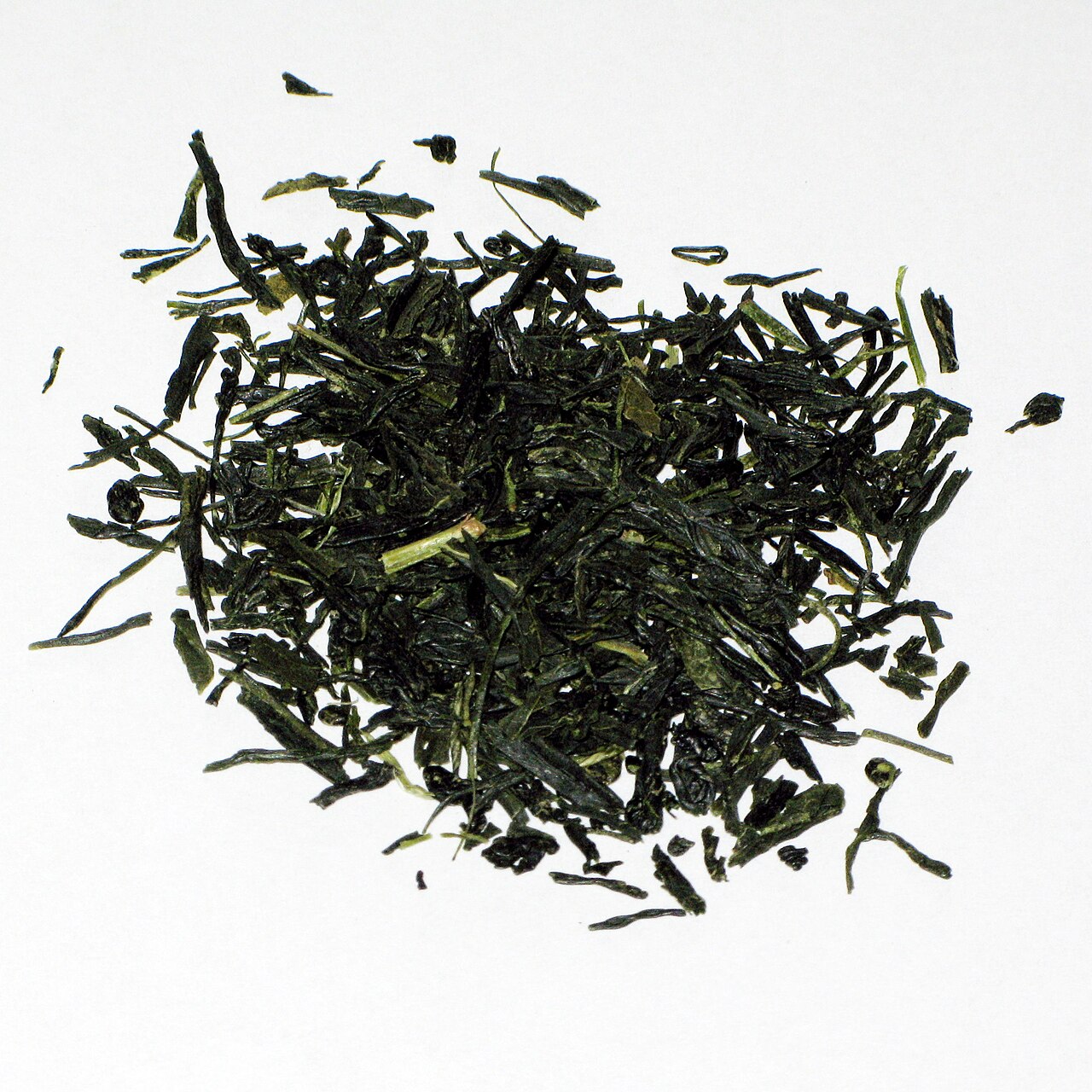
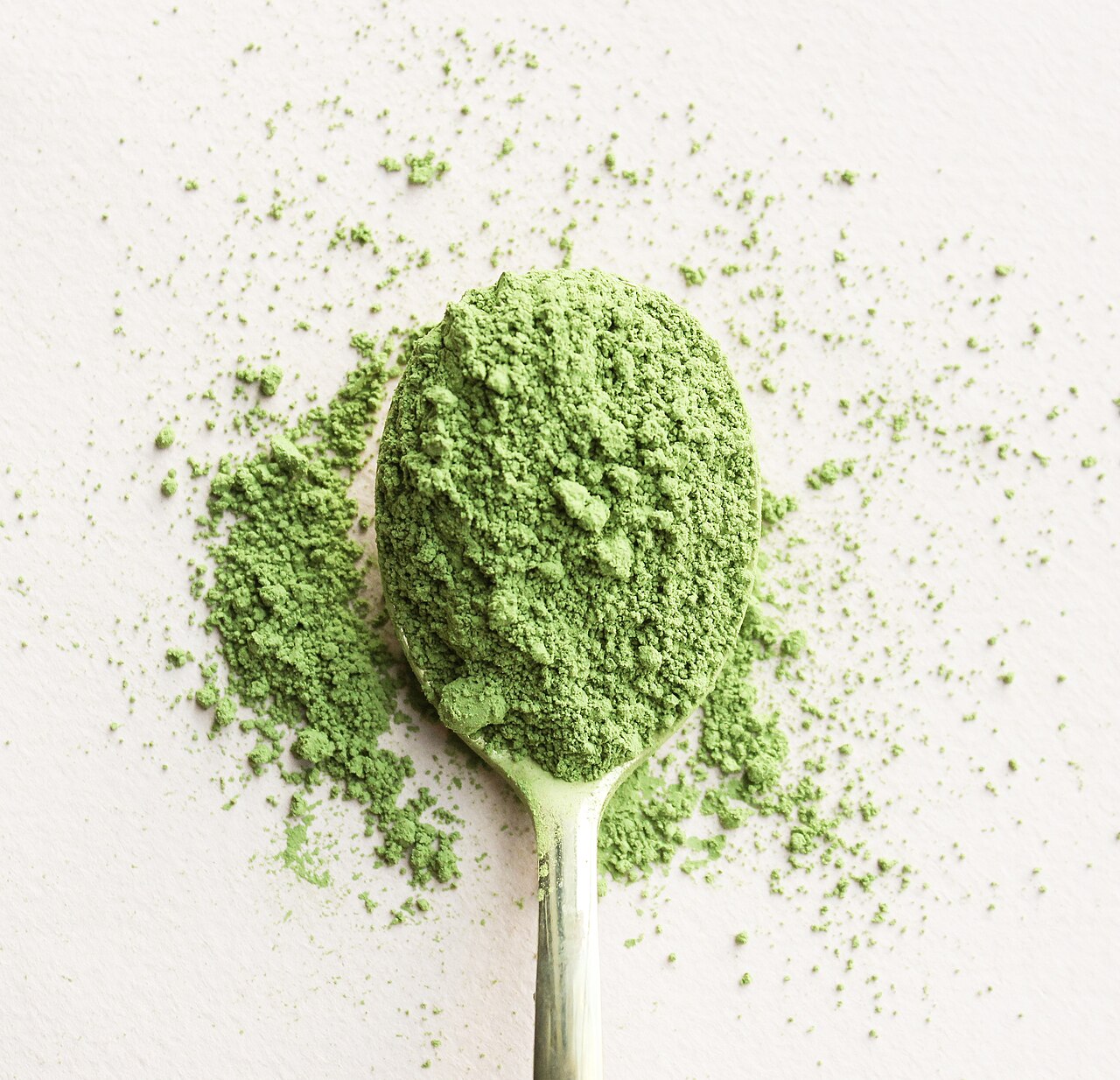
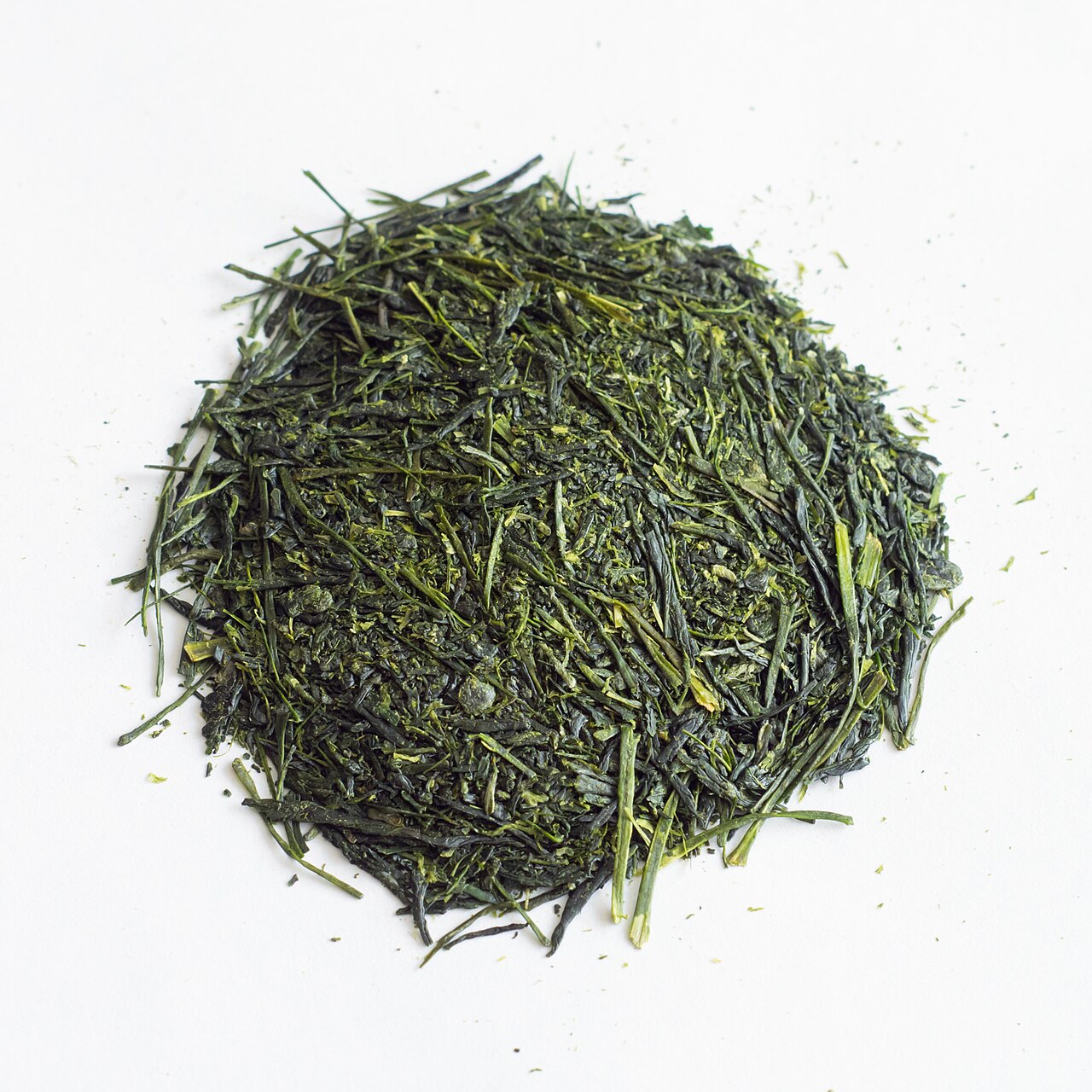
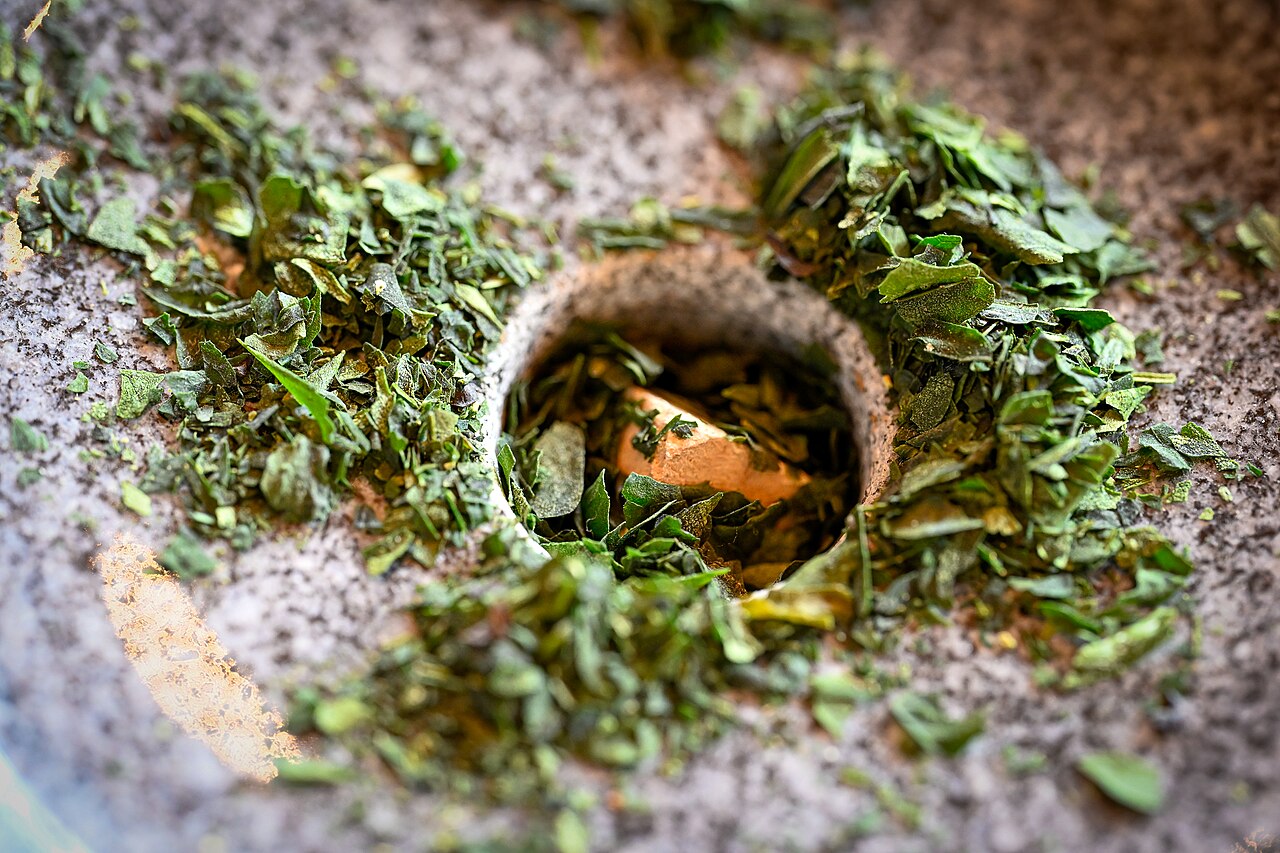
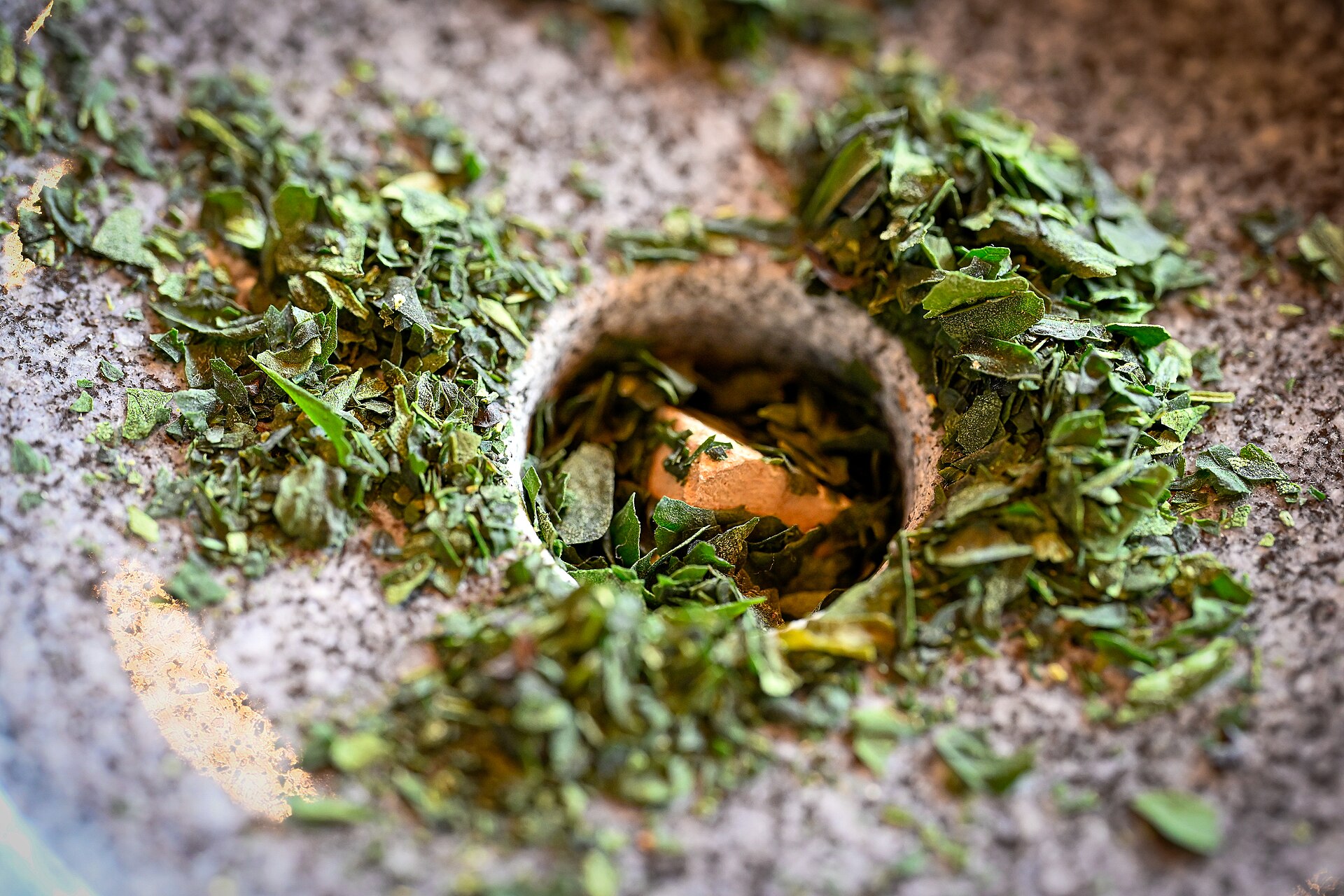
Sencha is the core: steamed, rolled and dried, yellow-green with seaweed, bean, chestnut and fresh sweetness. Fukamushi sencha is steamed longer, greener, more powdery and fuller. Gyokuro is shaded for twenty days or more before plucking, high in amino acids and low in astringency, pale green with intense umami and seaweed. Matcha uses shaded tencha, de-veined and stone-milled; whisked, it gives fine foam, umami and depth.
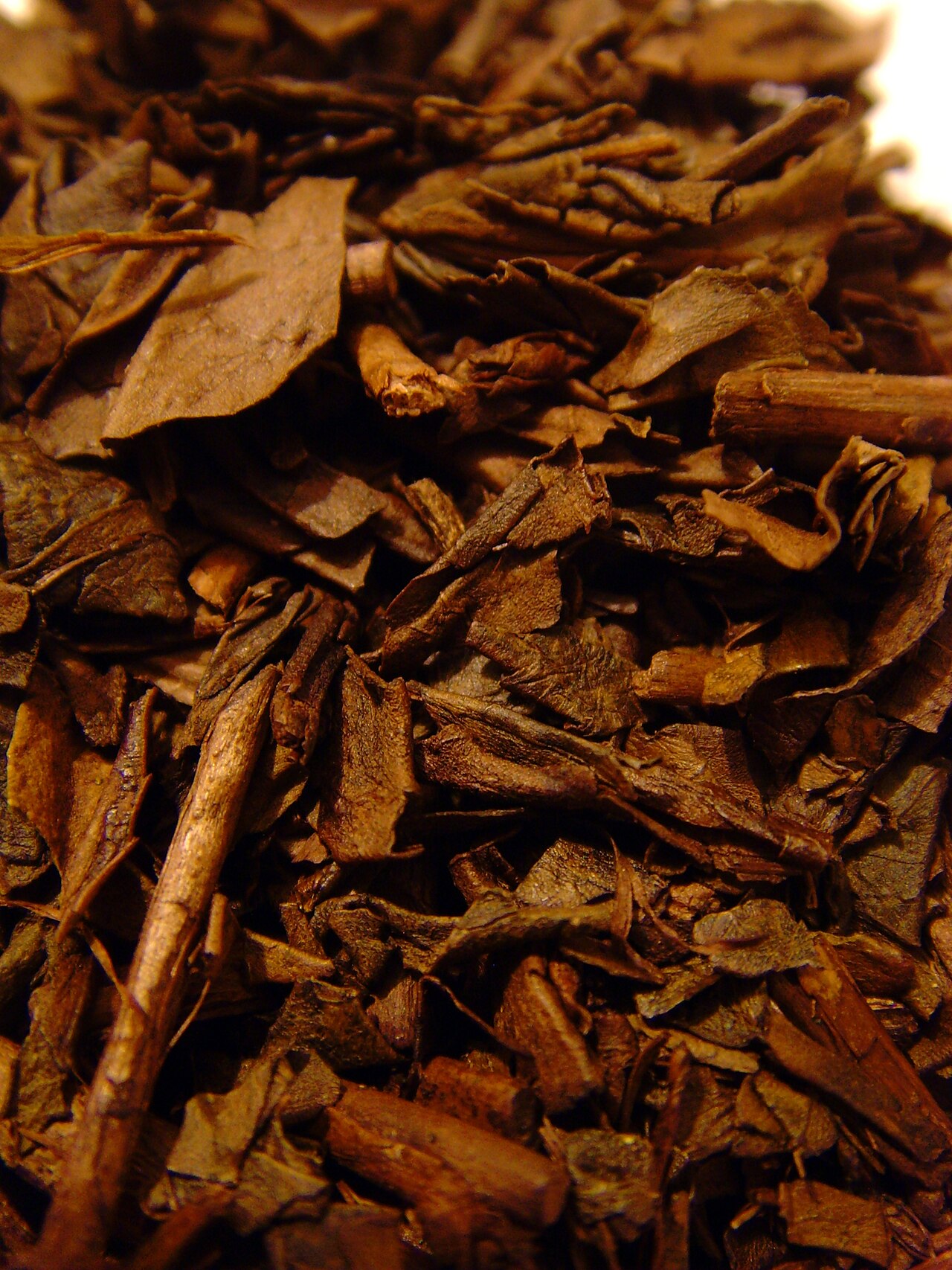
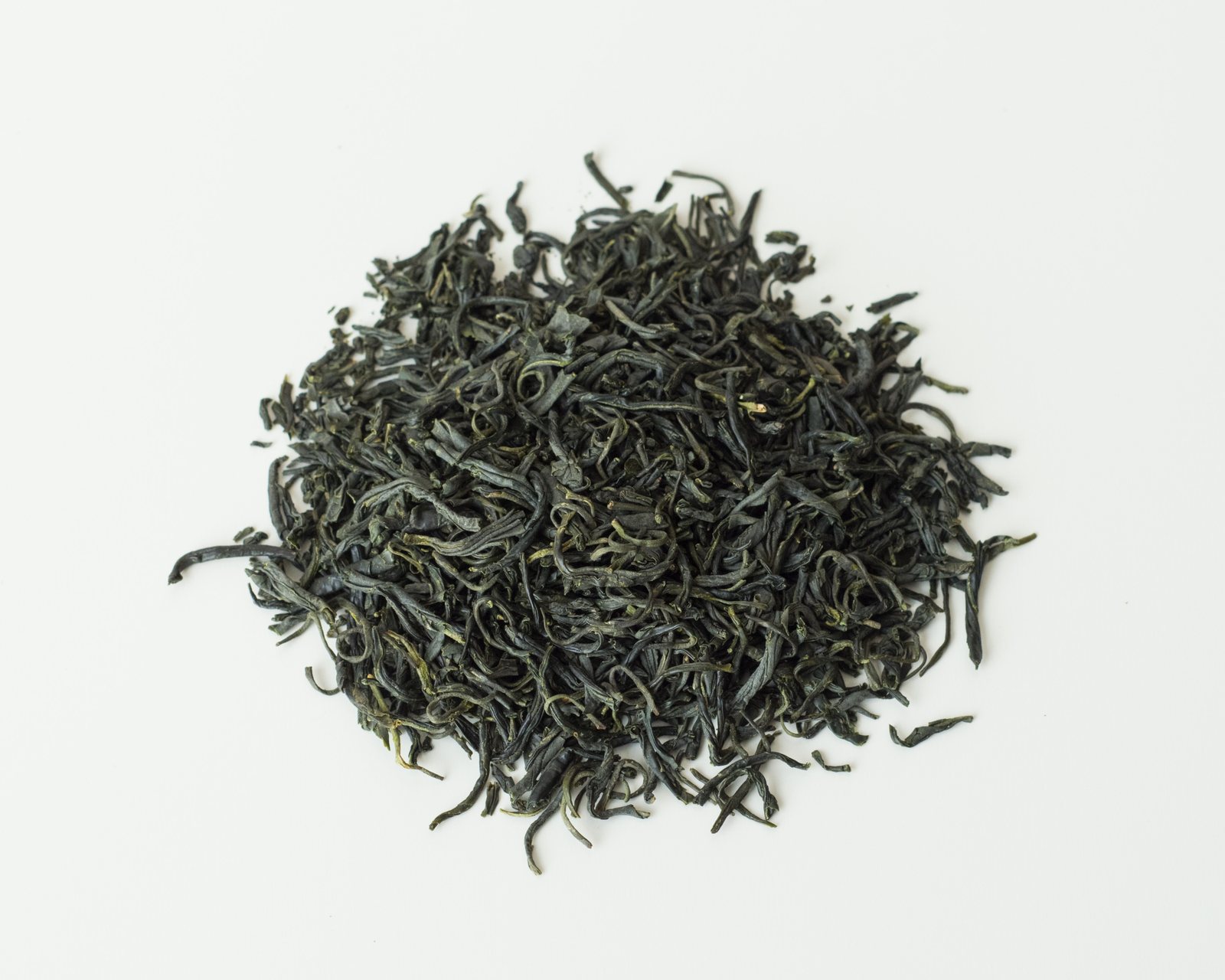
Hojicha is high-temperature roasted, lower in caffeine, with caramel and wood. Genmaicha blends green tea with roasted rice for rice and nut aroma. Kamairicha is pan-fired for a more roasted, cleaner profile. Japanese black tea is small in volume, soft and floral. Bancha, kukicha, konacha and mecha are grades from plucking and sorting, each with a price band.
Cultivars and craft
Yabukita dominates at about seventy percent; Saemidori is early and sweet; Asahi suits gyokuro and matcha; Okumidori, Yamakai and Toyoka have their own adaptation. Shading, steaming, rolling and drying are the base: sencha steams for 30–60 seconds, fukamushi for 60–120; gyokuro and matcha are shaded for twenty days or more. Matcha fineness directly affects the foam.
Roasting and blending are the other axis: hojicha uses high heat for caramel and wood; genmaicha ratio sets the rice aroma; matcha blends gardens and cultivars for colour, umami and bitterness. Japanese tea also uses hiire, a final firing for aroma and storage. Finished tea is low in moisture and must be kept dark and dry after opening.
Market and grades
The market is mainly domestic. Shizuoka, Kagoshima and Uji are core brands; prices range from everyday sencha to competition tea, gyokuro and matcha gift boxes. The matcha boom drives export and dessert supply, but high-grade matcha is limited; sencha consumption falls while bottled tea and tea bags fill daily demand. Grade depends on origin, cultivar, season, steaming and shaping, with first flush and competition tea at a premium.
Buy by use: sencha for daily plain drinking; gyokuro for umami and depth; matcha for whisked tea; hojicha for low caffeine and roast; genmaicha for rice aroma. Distinguish culinary from ceremonial matcha; colour is not the only standard. Uji is a regional brand, not a guarantee that every matcha comes from Uji.
The cup and brewing
Brew sencha at 70–80°C for 60–90 seconds; hotter water turns it bitter. Fukamushi needs cooler, shorter water. Gyokuro takes 50–60°C for 90–120 seconds with little water and a slow pour. Matcha is sifted, whisked with about 80°C water into fine foam; thin and thick tea use different powder amounts. Hojicha and genmaicha can take 90°C; Japanese black tea 90–95°C. Kyusu, tea bowls and chasen are the main vessels; soft water helps.
Chanoyu is the ceremonial whisking of matcha, not everyday sencha brewing. Homes and offices more often use kyusu, tea bags and bottled tea. Do not treat tea ceremony as the brewing standard for all Japanese tea, and do not reduce the range to “light and clean”.
Myths and boundaries
“Japanese tea is matcha” ignores the dominance of sencha. “Tea ceremony is everyday brewing” confuses chanoyu with household tea. “Japanese tea is always light” ignores hojicha, genmaicha and strong tea. “The greener the matcha, the better” is marketing: colour depends on shading, cultivar and processing, not quality alone. “Uji matcha” is a regional brand, not a guarantee that all matcha is from Uji.
Regions are not administrative borders: Shizuoka, Kagoshima, Uji and Fukuoka have their own GIs and brands, and within a region altitude, cultivar, shading and steaming vary greatly. This page gives structure and boundaries; specific grade, year and price belong to tea pages and producers.
Teas in this region
Explore Japanese tea by sencha, gyokuro, matcha, hojicha, genmaicha and black tea; confirm tea type and craft before origin and brand.
Further reading
Source boundary
This page is edited from public Japanese tea-industry material, regional geography and craft knowledge. Specific origin, grade, year and price claims belong to individual tea pages and producers. Japan’s tea area is limited, but its craft divisions are extensive, and this page does not exhaust every tea type.

