
India is one of the world’s most important tea producers and consumers. Assam’s strength, Darjeeling’s muscatel, Nilgiri’s brightness and West Bengal’s range let India support both CTC bulk and orthodox specialty systems.
The short answer
Indian tea is concentrated in Assam, West Bengal (Darjeeling, Dooars, Terai), the Nilgiri and Kerala/Tamil Nadu highlands. CTC black tea dominates volume; orthodox is smaller but high-value, and Darjeeling has a GI and spring/second-flush system. India is also one of the world’s largest tea consumers, with huge domestic chai and tea-bag demand. Read India by CTC versus orthodox first, then region, season and auction.
Geography and growing conditions
Assam sits in the Brahmaputra valley, low, hot, humid and wet, one of the world’s largest black-tea regions; spring rain and floods, summer heat and humidity build strength. Darjeeling lies on the Himalayan foothills at 1,000–2,000 metres, where cloud, coolness and slopes give fine spring aroma. Dooars and Terai are hot and wet below the Himalaya, with high volume. Nilgiri in the southern Blue Mountains at 1,500–2,000 metres has monsoon and day–night range for a bright cup; Kerala and Tamil Nadu lowlands are hotter.
Monsoon shapes India: Assam first and second flush differ greatly; Darjeeling spring, second and autumn flush each have a style; Nilgiri crops through the year, with monsoon tea stronger. Climate change brings drought, intense rain and pests, and labour and community issues are long-standing.
History and industry
Tea was found wild in Assam by British colonists in the 1830s and commercialised; the Assam Company formed in 1839. Darjeeling planted in the 1840s–50s, Nilgiri expanded later in the nineteenth century. Colonial estates, factories and auctions were built; after independence, nationalisation and privatisation alternated, and small growers increased.
India is a major producer: Assam largest, West Bengal and Nilgiri next. CTC dominates, with orthodox and Darjeeling at the high-value end. Domestic demand is chai with milk, sugar and spices; exports go to Russia, the UAE, the UK and Pakistan. Auctions, minimum wages, climate and pests are core issues.
Tea types and flavour
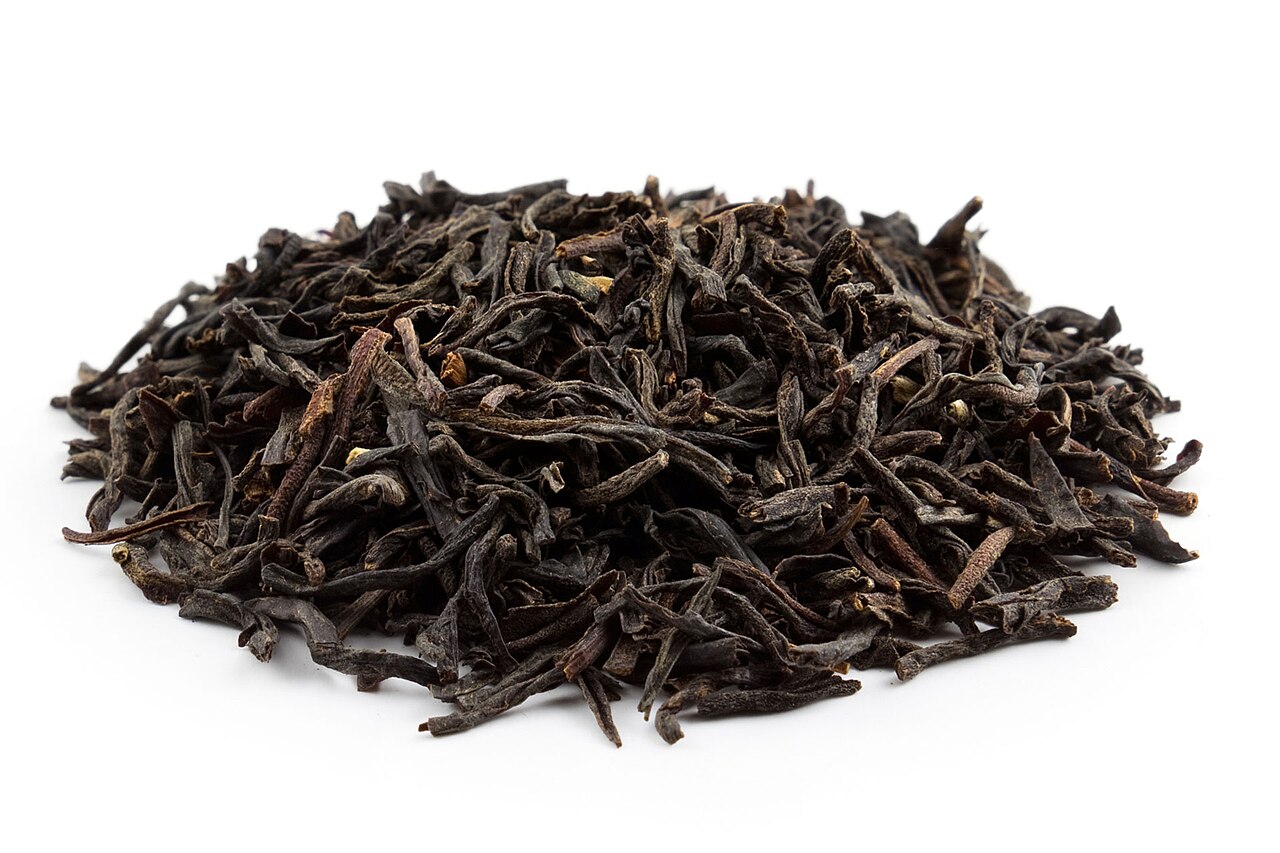
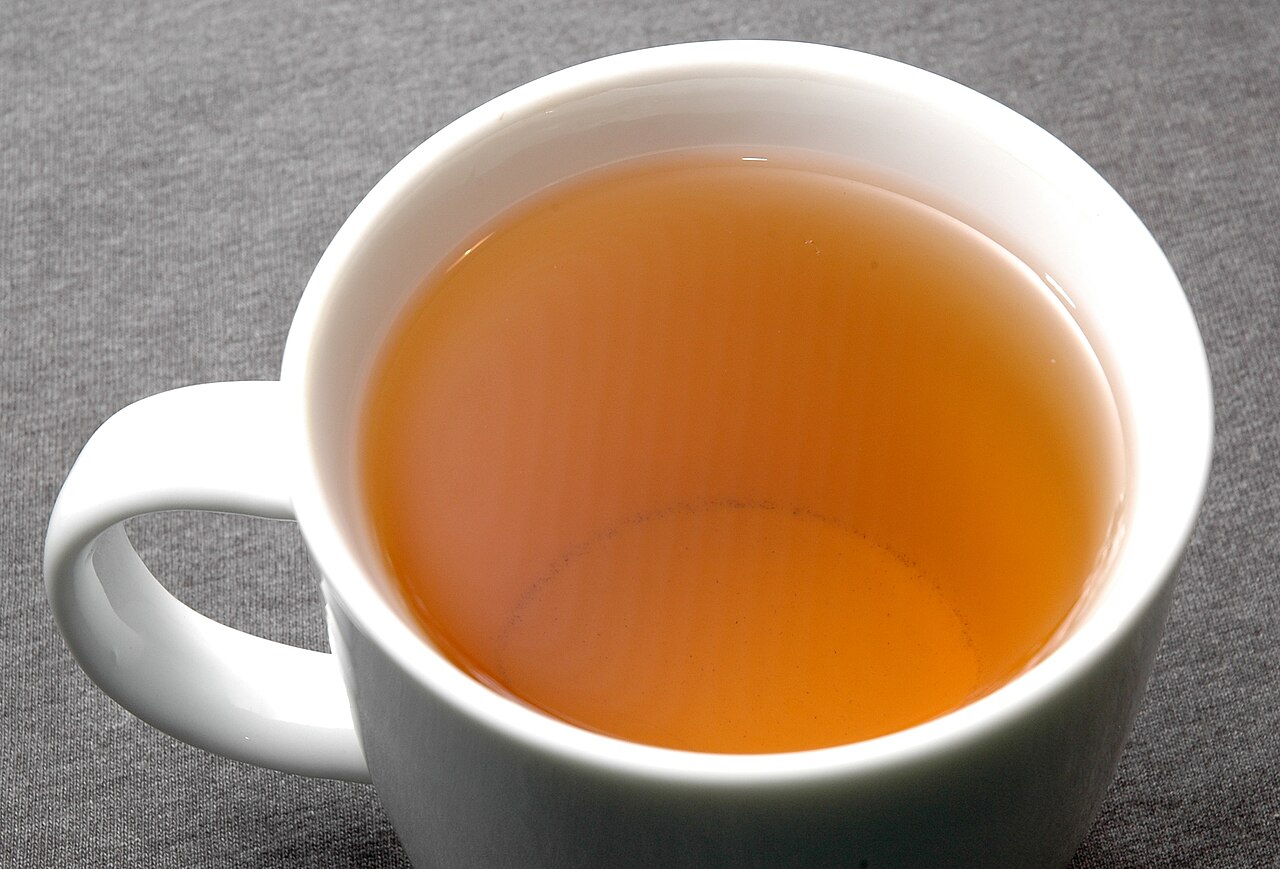
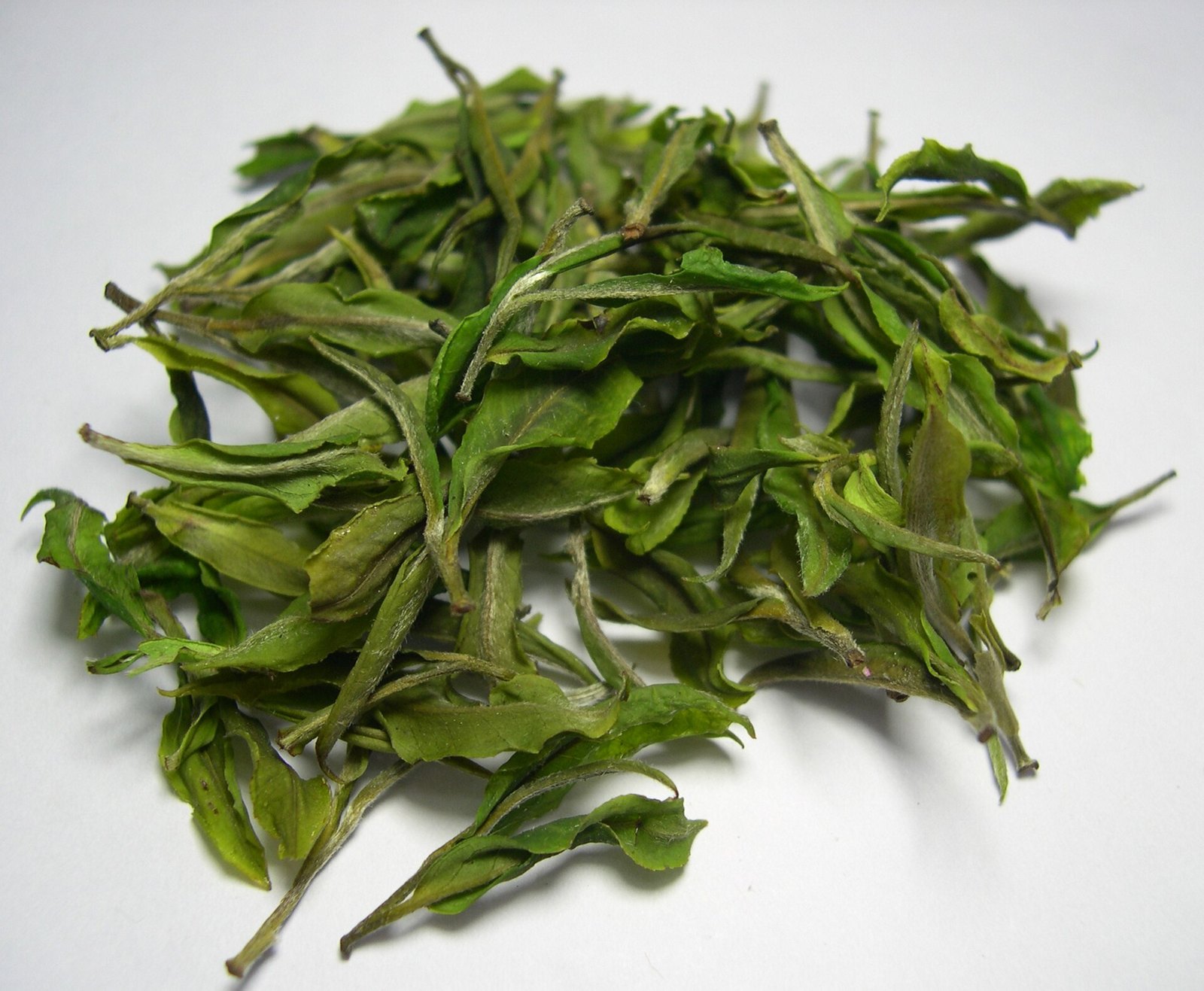
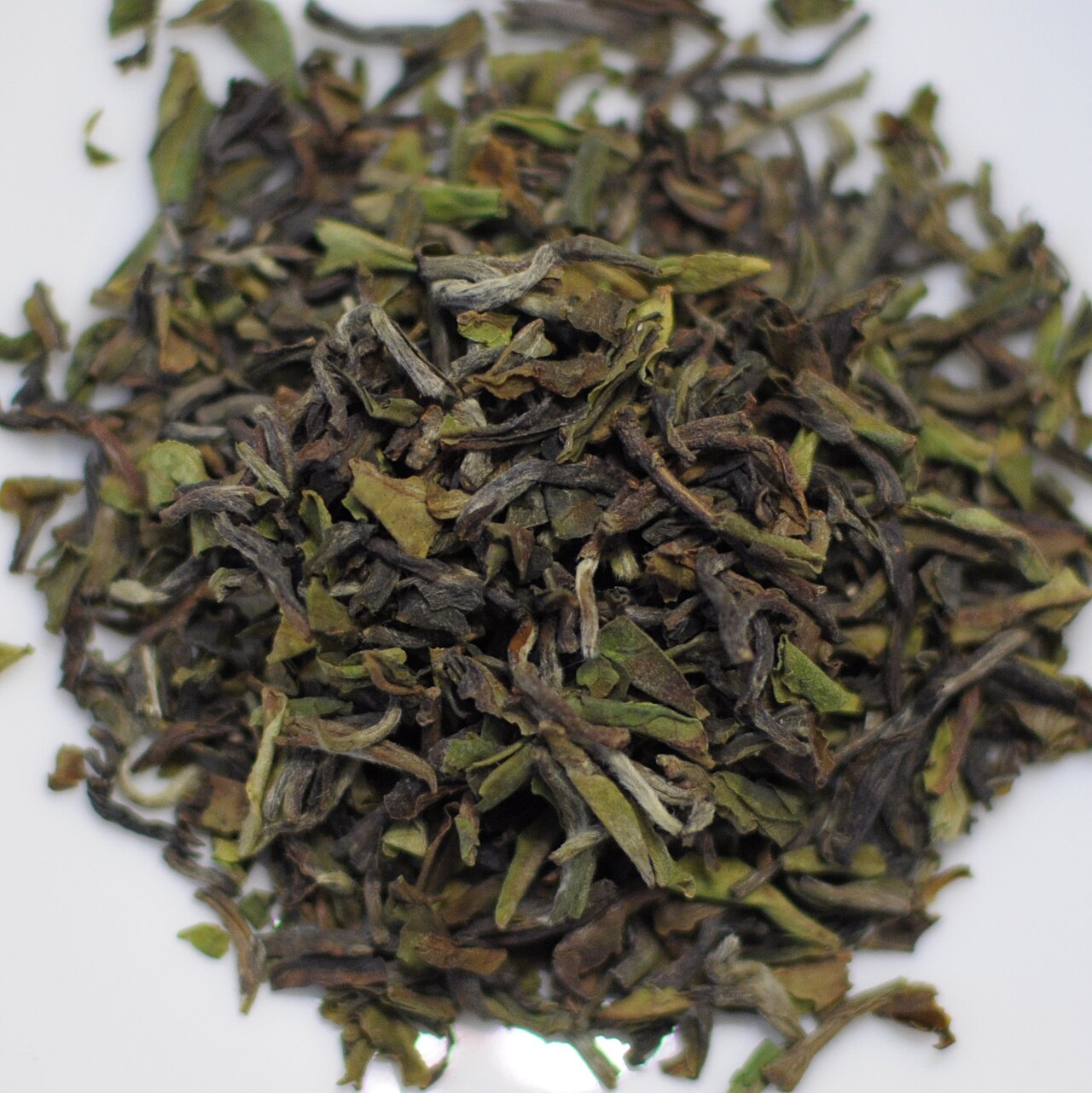
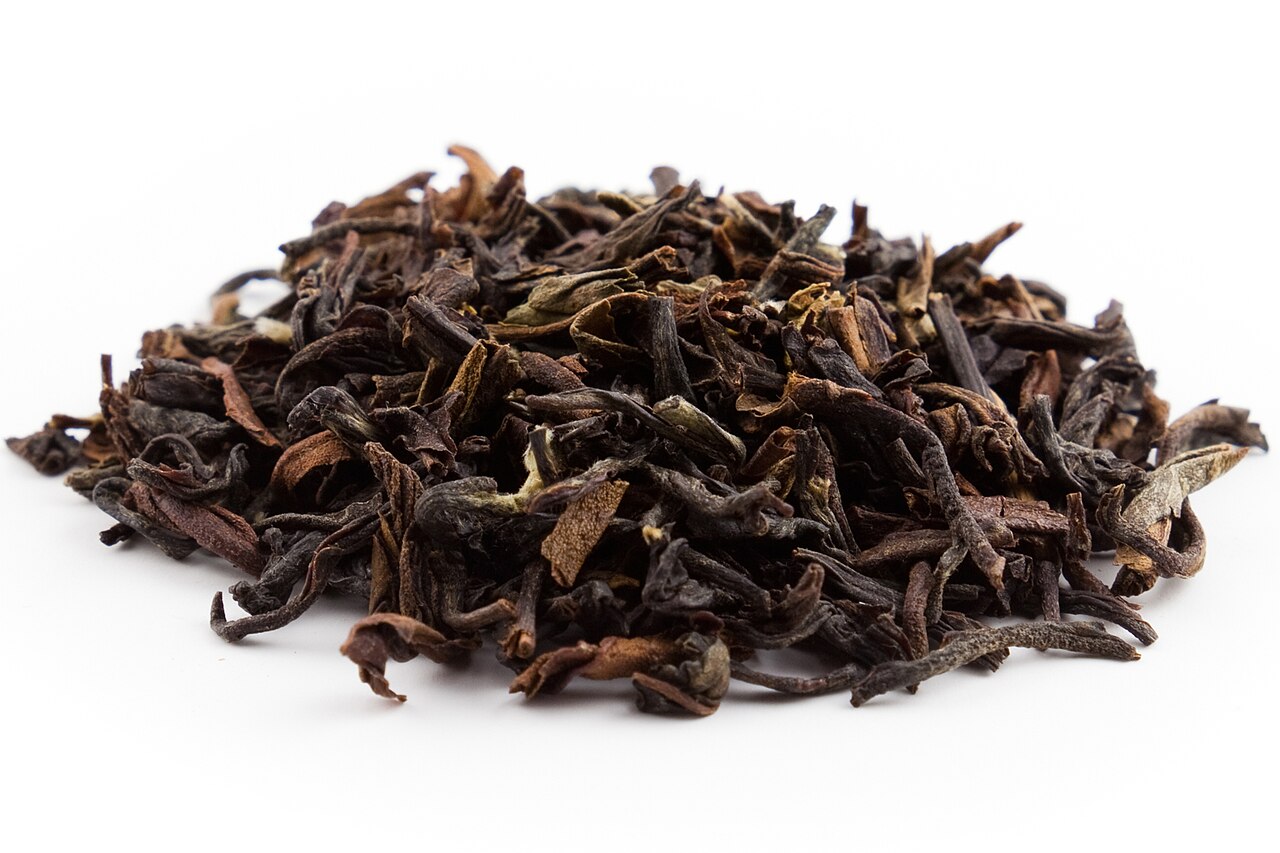
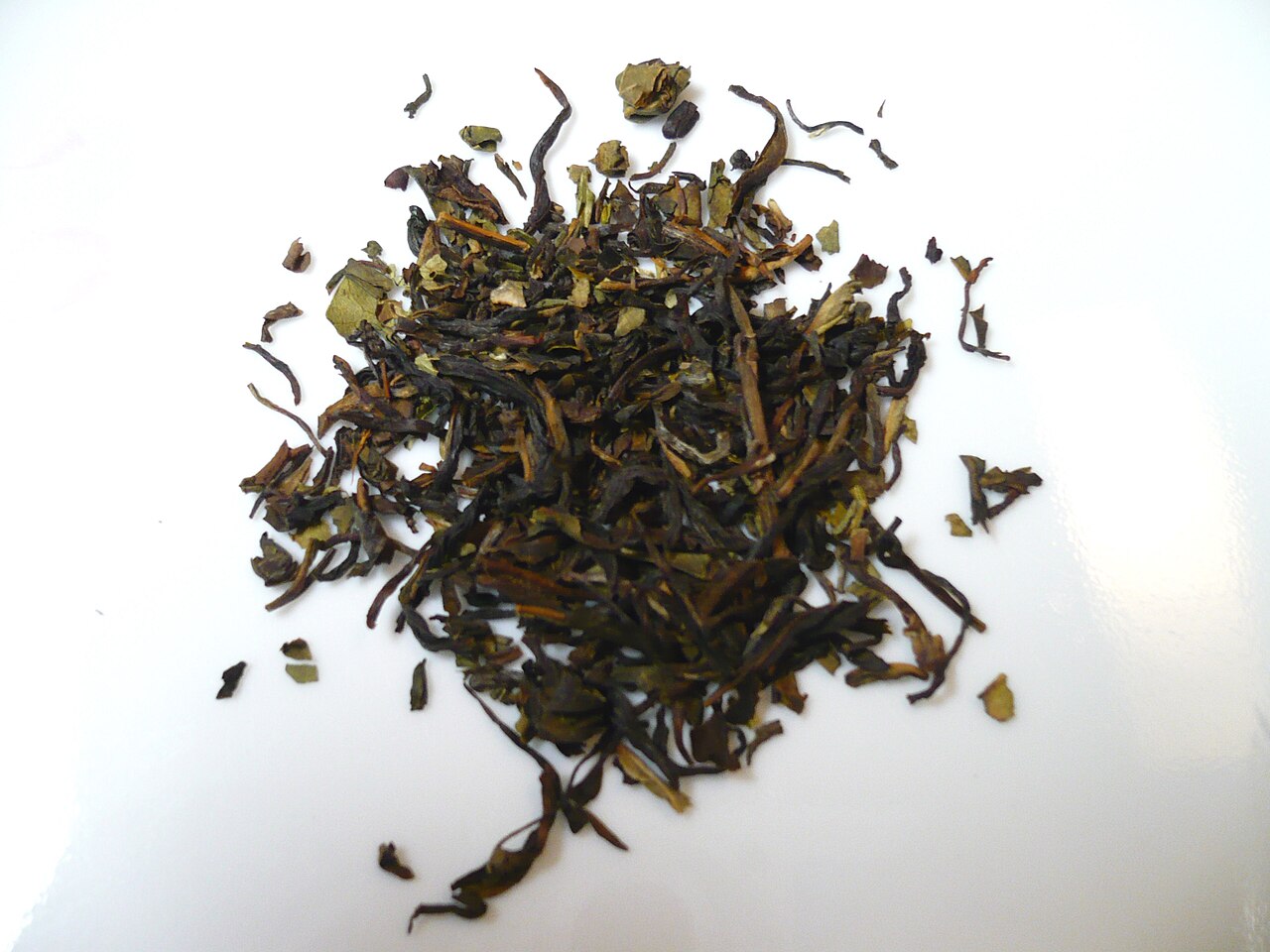
Assam CTC is deep red and strong, with malt and wood, suited to breakfast and milk tea; Assam orthodox is cleaner, with malt, flower, fruit and honey. Darjeeling spring is pale and aromatic, with muscatel, flower and citrus, light astringency; second flush is fuller and riper; autumn is nuttier. Nilgiri is bright and floral, good plain or in blends; Dooars/Terai is strong for milk tea.
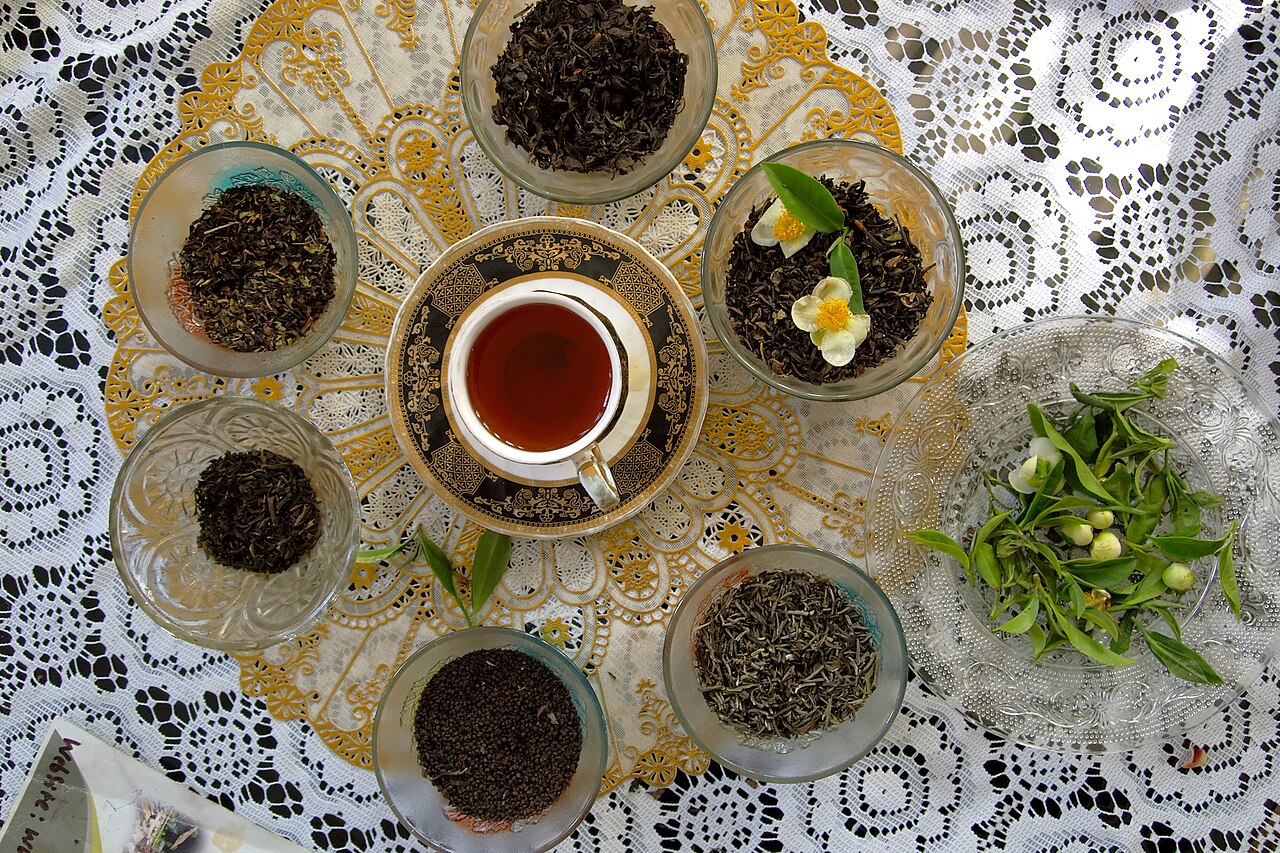
Indian grading is complex: CTC uses BP1, PF, PD and fannings; orthodox uses FTGFOP, TGFOP, OP and BOP; Darjeeling adds flush and estate. Buy by region, season, estate and grade.
Cultivars and craft
India plants Assamica, Sinensis and hybrids: Assam mostly Assamica, Darjeeling mostly Sinensis and hybrids, Nilgiri both; TRI and UPASI selections are promoted. CTC runs withering, maceration, fermentation, drying and sorting; orthodox keeps leaf for specialty.
Darjeeling spring is lightly fermented and aroma-led; Assam CTC is heavily fermented and strength-led; Nilgiri orthodox is light and bright. Craft and season together define style; “Indian tea” alone says little.
Market and grades
The market is mainly domestic, with huge chai and tea-bag demand; export runs through auctions and direct trade, with Assam, Darjeeling and Nilgiri at different price levels. Darjeeling has a GI and estate brands, with expensive spring lots; Assam CTC bulk follows auction and cost. Domestic brands and loose tea coexist, with specialty growing.
Buy by CTC/orthodox first, then region and season: Darjeeling by estate and flush, Assam by strength and malt, Nilgiri by brightness and flower. Brand and auction batch matter more than the “India” label.
The cup and brewing
Assam CTC takes 95–100°C for three to four minutes with milk and sugar; Assam orthodox 90–95°C for three minutes, plain, for malt and flower. Darjeeling spring takes 85–90°C for two to three minutes to protect aroma; second flush 90°C for three. Nilgiri at 90°C for three. Indian chai adds milk, sugar, ginger, cardamom and clove and boils for a strong cup.
Visit Assam in March–May or October–November; Darjeeling in March–May for spring and October–November for autumn; Nilgiri year-round. Estate visits need booking; auctions run in Kolkata and Guwahati.
Myths and boundaries
“Indian tea equals Darjeeling” ignores Assam’s volume and CTC dominance. “Darjeeling is always high-aroma” ignores estate, season and batch. “Indian tea is always spiced” ignores plain orthodox. “CTC is low-end” ignores its role as the backbone of Indian milk tea and domestic demand.
India’s tea areas span the northeast, south and West Bengal, not one region; administrative, GI and estate borders differ, and brand or auction cannot replace batch. This page gives structure; tea pages and producers carry specifics.
Teas in this region
Explore Indian tea by Assam, Darjeeling, Nilgiri, Dooars/Terai and CTC/orthodox; confirm region and season before estate and grade.
Further reading
Source boundary
This page is edited from public Indian tea-industry material and auction/regional geography knowledge. Output, price and auction data change over time; use current official and auction sources. India’s tea area is large and complex, and this page does not exhaust every estate.

