
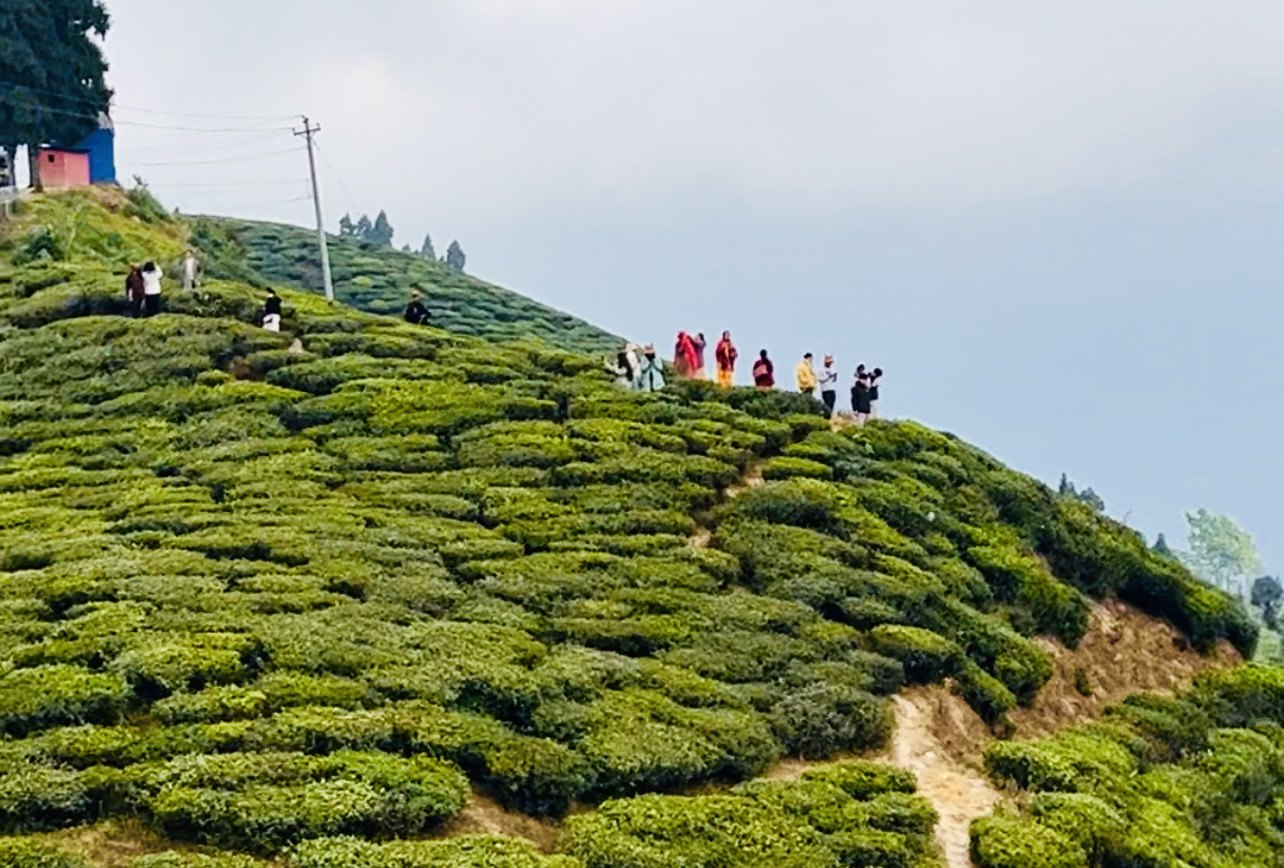
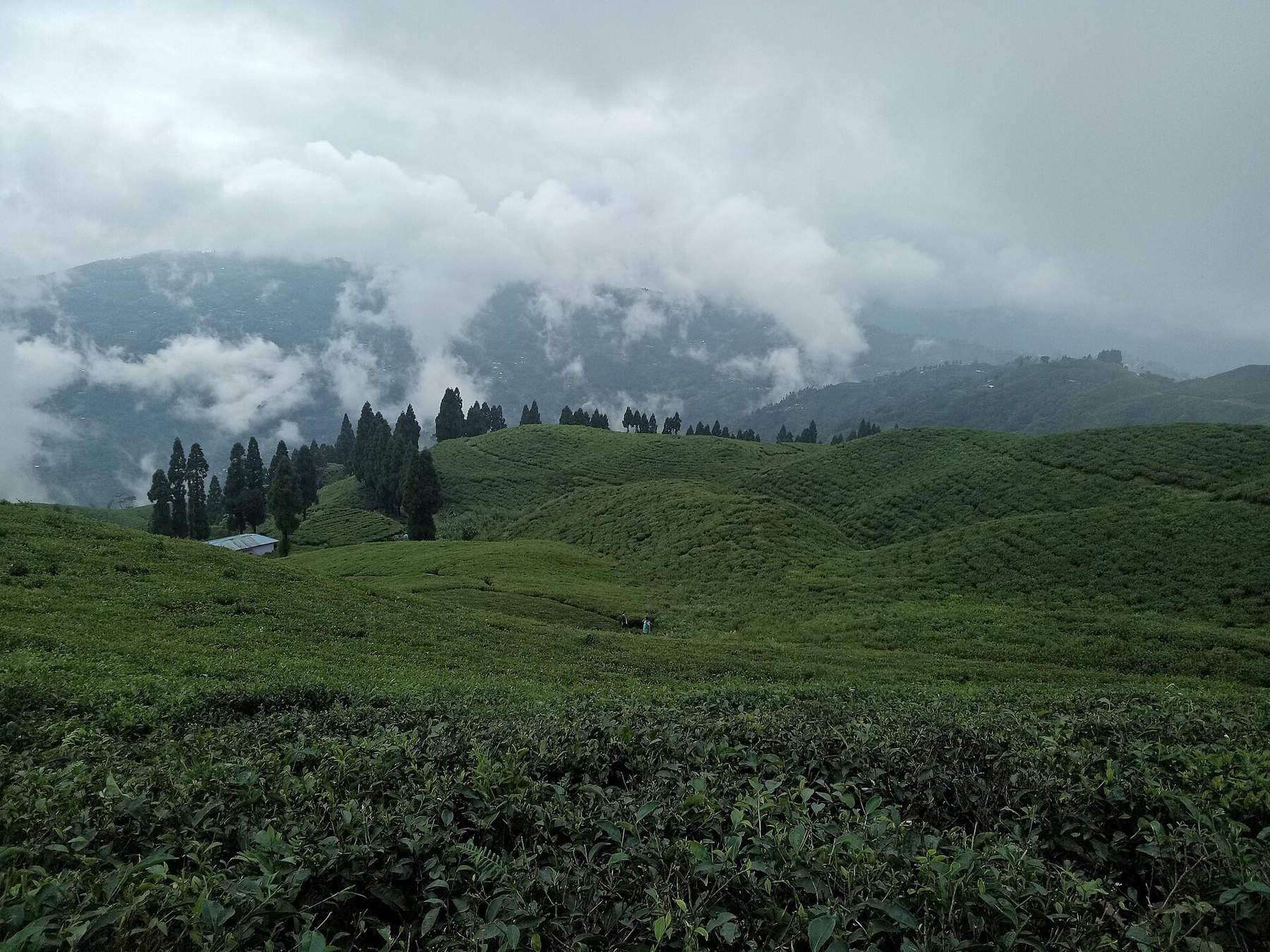
Nepalese tea sits in the eastern foothills: the high gardens of Ilam, Dhankuta and Panchthar, one ridge away from Darjeeling, making orthodox black, green and white tea.
The short answer
Nepal's tea area concentrates in the eastern foothills — Ilam, Dhankuta, Panchthar and Terhathum — at 1,000–2,200 metres, shaped by monsoon and mountain cloud. Nepal makes mainly orthodox black tea, with green, white and oolong; CTC sits in the southern plains. It neighbours Darjeeling and shares some flavour, but the origin, institutions and brands are different.
Geography and growing conditions
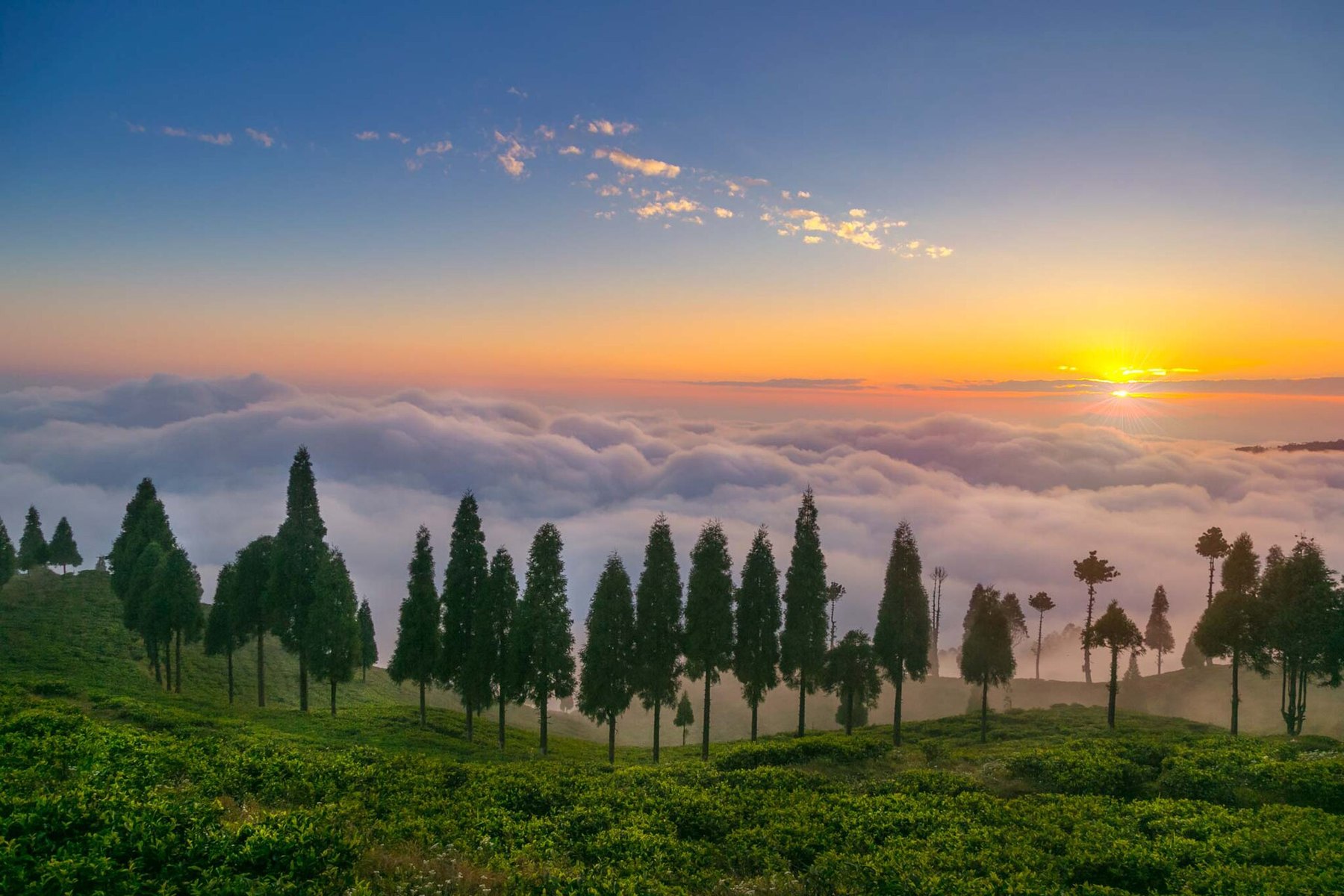
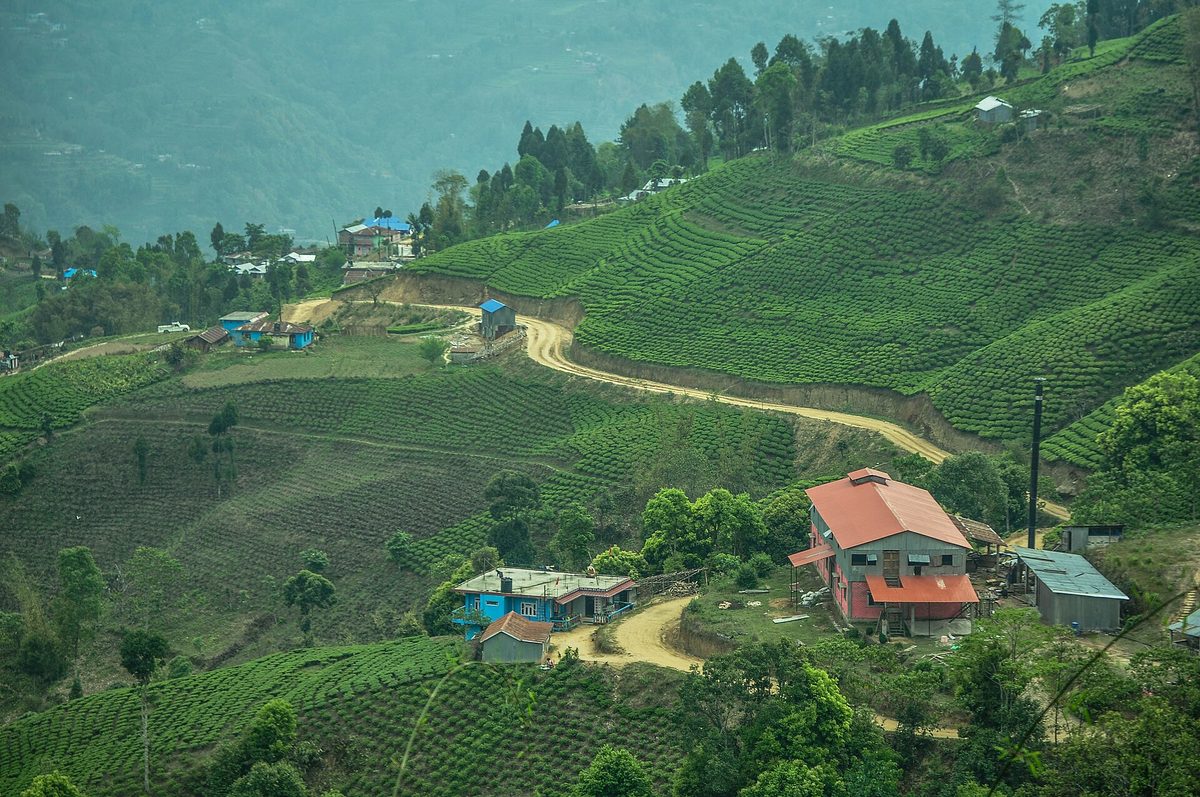
The eastern foothills rise from the plains to above 2,000 metres on the southern slopes of the Himalaya, with 1,500–2,500 mm of rain, spring cloud and strong diurnal range. Gardens sit on east-facing slopes and valleys, on acid soils with good drainage; landslides, storms and transport are the main risks. Western Nepal has scattered gardens, but scale is small.
Terroir and craft
The eastern foothills of Ilam, Dhankuta, Panchthar and Terhathum sit at roughly 1,000–2,200 metres, planted with China, Assam hybrid and local selections. Highland gardens make mainly orthodox black, green, white and oolong; CTC is concentrated on the Jhapa plains. Spring leaf is aromatic, summer leaf fuller.
History and industry
Nepalese tea is usually traced to the first garden in Ilam in 1863, promoted by Prime Minister Jung Bahadur Rana with seed from China and India. In the late twentieth century, smallholder gardens and orthodox processing expanded, and the Nepal Tea Development Board took on promotion and quality. In the 2020s Nepal secured geographical indication protection, stressing Ilam and other origins.
Tea types and everyday drinking
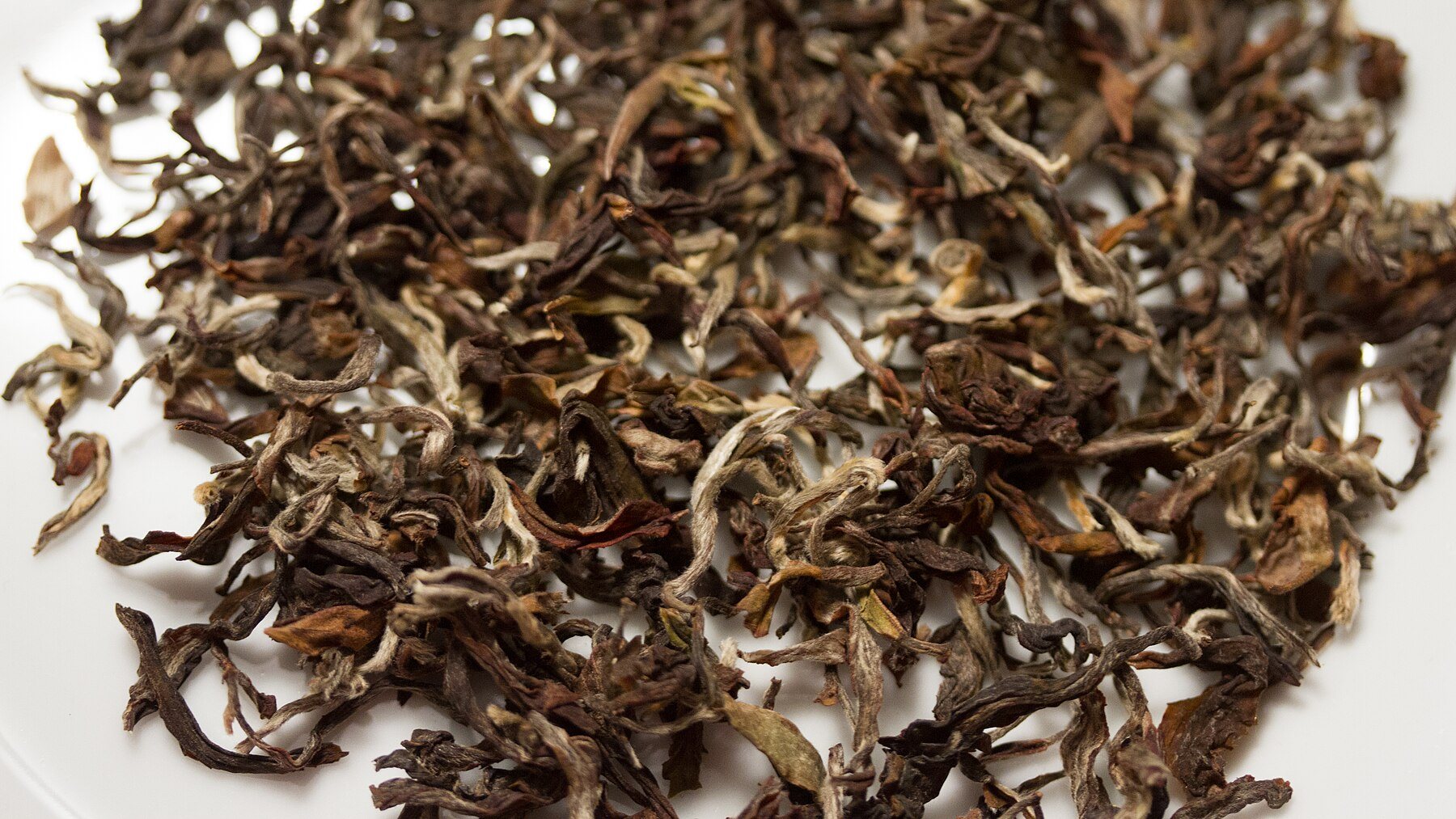
Orthodox black tea dominates, spring leaf bright and aromatic, summer leaf fuller; green, white and oolong are smaller. CTC in Jhapa and other plains supplies local milk tea and South Asian markets. Nepalis also drink sweet milk tea (chiya), close to Indian chai, while high-grown orthodox is drunk plain, closer to Darjeeling.
Industry and market
Nepal combines estates and smallholders. NTDB handles promotion and quality, and a geographical indication in the 2020s emphasises eastern origins such as Ilam. Export channels are limited and brands fragmented. Spring orthodox reaches specialty buyers; CTC serves local milk tea and South Asian markets.
The cup and brewing
Nepalese highland spring orthodox is pale red and bright, with flower, citrus, muscatel and a clear finish; summer leaf is fuller and suits milk. Brew green at 85°C and fast; black at 90–95°C. Visit Ilam and Dhankuta in March–May or September–November, allowing for mountain roads.
Buying and boundaries
For Nepalese tea, check origin, season and garden; Ilam spring orthodox is for plain drinking, summer leaf for milk. Brew green at 85°C with quick pours; black at 90–95°C. Brands are many and export channels limited; garden and batch matter more than the label “Nepal tea”.
Myths and boundaries
“Nepal is a second Darjeeling” is an oversimplification. The regions are adjacent and share some style, but origins, cultivars, estate systems and brands differ. Nepalese volume is small and market visibility low; it is not a direct Darjeeling substitute.
The Ilam beginning
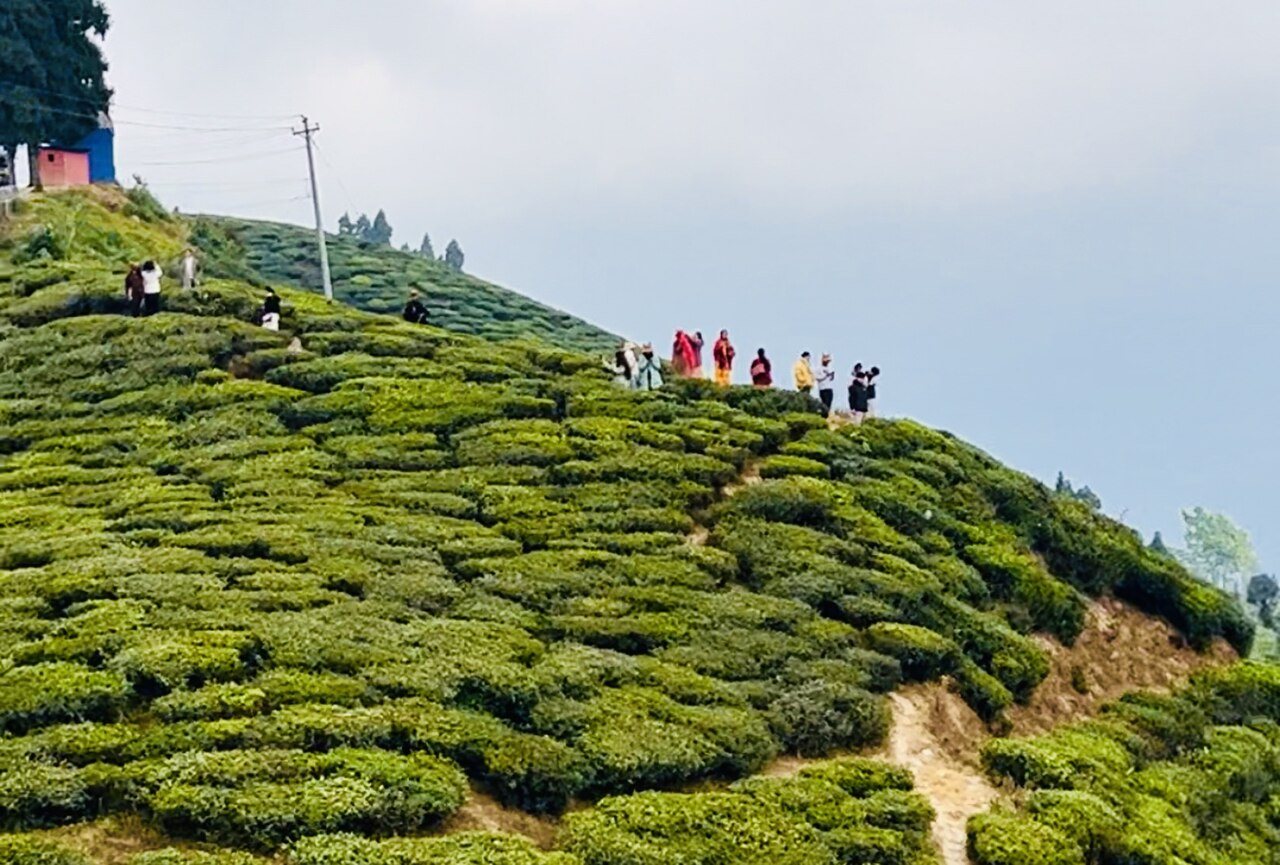
Commercial tea in Nepal began in 1863, when the Ilam official Gajraj Singh Thapa brought plants back from Darjeeling and established gardens in Ilam and Dhankuta. The main districts remain Ilam, Dhankuta, Panchthar and Terhathum, producing mainly orthodox green and black tea. Smallholders and cooperatives expanded in the 2010s, and Nepali tea began to export on a Himalayan and near-Darjeeling story, but volumes are small and certification and brands are still being built.
Ilam gardens are mostly smallholder-held, with leaf sold to cooperatives or private factories and prices fluctuating. Nepali tea shares the Himalayan flavour of Darjeeling but remains little known abroad.
Ilam picks from March to November.
Teas in this region
- Guranse Tea Estate (Hile, Dhankuta)
- Jun Chiyabari (Moon-lit Tea Garden)
- Kanyam Tea Estate
- Nepal Golden Tips
- Kanchanjangha Verde
- Nepal Oolong Tea
- Nepal White Tea
Further reading
Source boundary
The tea area is in the eastern foothills, not nationwide; sharing a border with Darjeeling does not make it the same origin. Nepalese output is small and visibility low; this page does not sell it as a “second Darjeeling”.

