
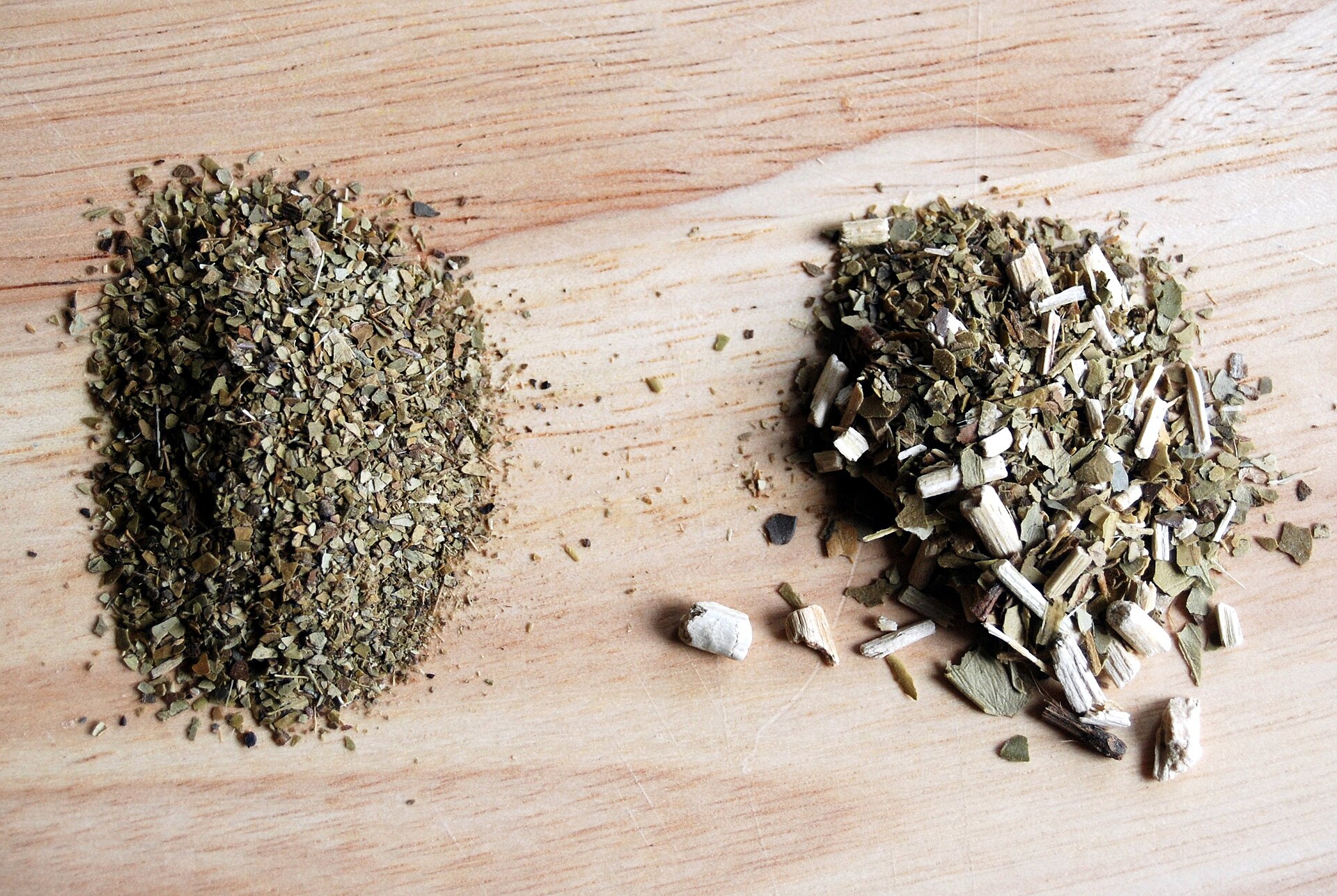
Argentine tea sits in Misiones and Corrientes: small gardens on subtropical red soil, coexisting with the national drink yerba mate — a South American case where tea is small and mate is large.
The short answer
Argentina is not a traditional tea power. Commercial gardens concentrate in the north-east provinces of Misiones and Corrientes, subtropical with acid red soils. Tea arrived with European migrants in the early twentieth century and stayed small, mainly black, green and blending material. The national drink is yerba mate, not Camellia tea; read Argentina by keeping the two apart.
Geography and growing conditions
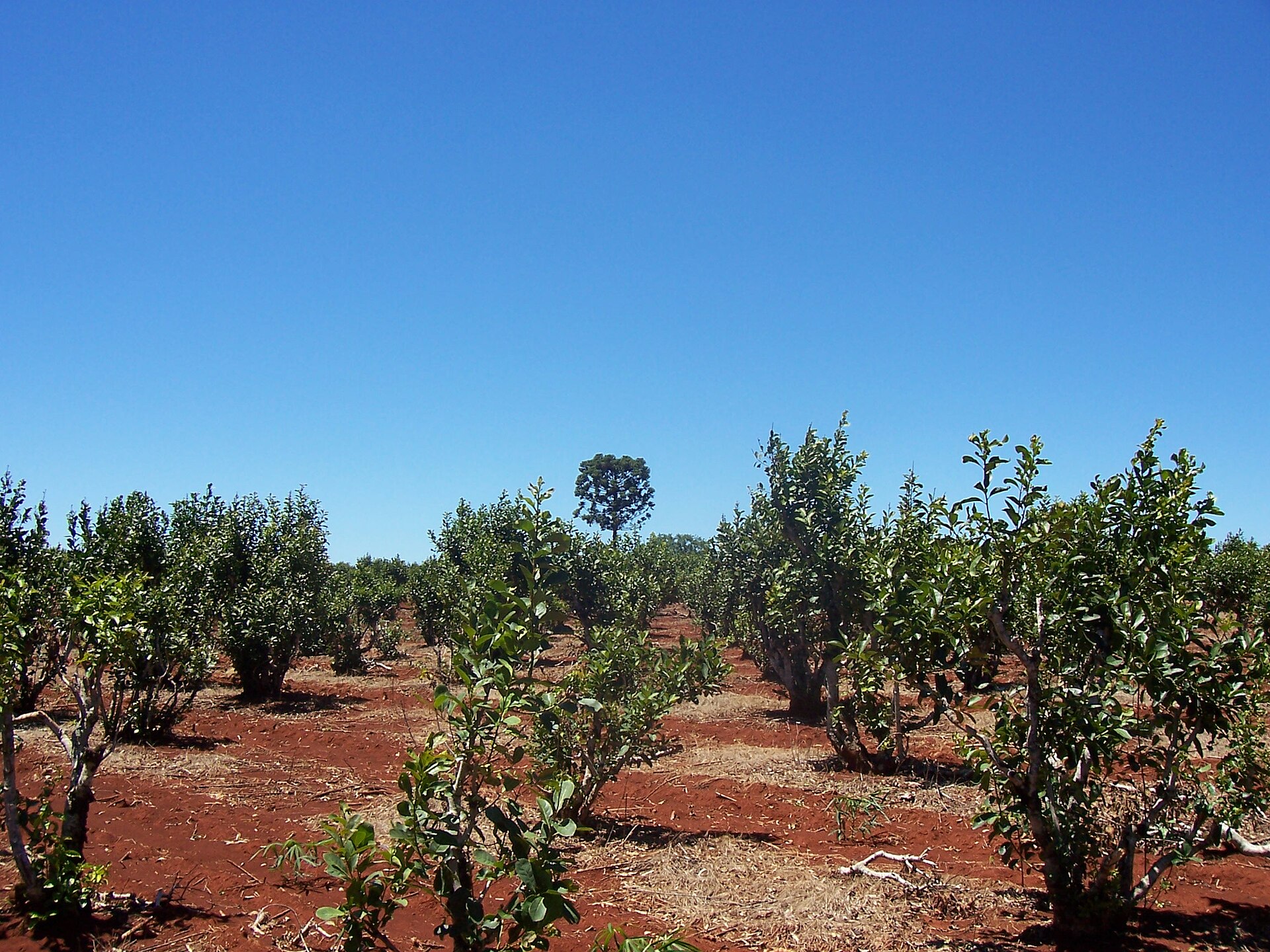
Misiones and Corrientes lie in the Paraná basin at 100–700 metres, with 1,500–2,000 mm of rain and iron-rich red soils. Gardens sit on gentle hills and among trees, where shade and erosion control matter; frost is rare, but storms, pests and labour costs are risks. Patagonia is too cold for tea.
Terroir and craft
Argentine tea is concentrated in Misiones and Corrientes in the northeast, at roughly 300–800 metres, introduced by European and Japanese immigrants in the twentieth century. Assam hybrids and local selections go mainly to CTC and orthodox black tea, with some green. Subtropical red soils, rain and heat push fast growth and tight plucking and fermentation schedules.
History and industry
Tea was introduced by European migrants in the early twentieth century and became a small commercial crop in Misiones by the mid-century. It never became an export pillar, supplying domestic blends, tea bags and a little specialty. Yerba mate, by contrast, became a regional and national drink from the Jesuit reductions onward, now managed by INYM. Outsiders often confuse the two.
Tea types and everyday drinking
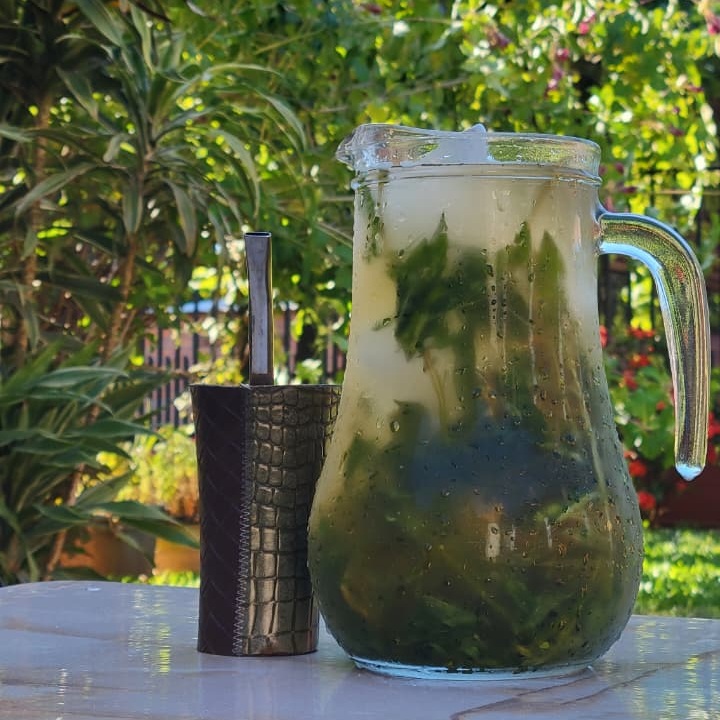
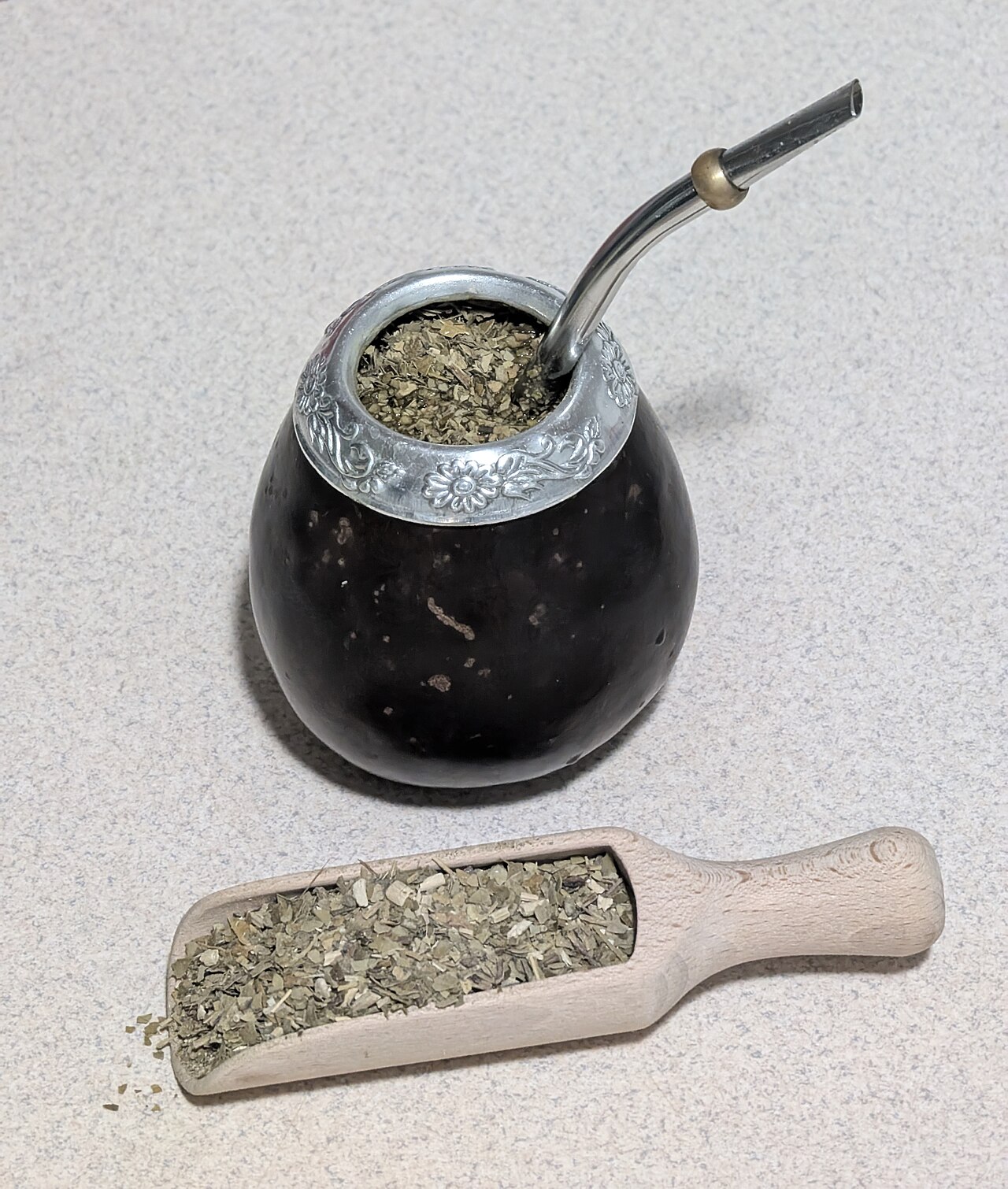
Argentine tea is mainly black and green, with small amounts of oolong and flavoured tea; bright and low-volume. Yerba mate is Ilex paraguariensis, drunk from a gourd with a bombilla, hot or cold, and differs from Camellia tea in plant, process and ritual. Argentine tea culture is more migrant and urban tea-shop than ancient local tradition.
Industry and market
Argentine tea mostly serves domestic and South American markets. Brands such as Taragüí are strong, and tea bags and sweet tea dominate; a little orthodox reaches specialty. Yerba mate is the national drink and a separate industry, with far larger volume and consumption than tea.
The cup and brewing
Argentine CTC is deep red and strong, with malt and wood, a daily breakfast tea with milk. Orthodox is cleaner, with flower, fruit and honey. Brew CTC at 95–100°C with milk; orthodox at 90–95°C and plain. Visit Misiones from October to April, allowing for wet-season roads.
Buying and boundaries
Output is small and packaging simple; for Misiones garden tea, check estate, year and process. Brew black at 90–95°C, plain or with milk; green at 80–85°C. Yerba mate is not tea and should be brewed as mate, not with green-tea parameters.
Myths and boundaries
“Argentine tea means mate” is a confusion. Mate is Ilex paraguariensis, not tea. Argentina does have Camellia sinensis gardens and a black-tea industry, but international visibility is low and most output is sold at home.
Misiones and Corrientes
Argentine tea grows in the northeastern provinces of Misiones and Corrientes: subtropical red soils and heavy rain, with plants introduced by Japanese and European settlers in the 1920s–30s and mainly made into black and green tea. Output is small today and supplies the home market plus a little export. Yerba mate is the national drink; tea is a migrant and British habit. Misiones gardens sit on red slopes at 200–600 m and pick from October to April.
Misiones’ tea season overlaps with yerba mate, and labour is often drawn to mate.
Most Argentine tea is sold in bags, with loose leaf rare.
Teas in this region
Further reading
Source boundary
The tea area is only in north-eastern Misiones and Corrientes, not nationwide; yerba mate is not Camellia tea. Tea is small and should not be conflated with the mate industry; this page does not inflate Argentina into a South American tea power.

