In one sentence
Organic yerba mate is not a new plant or a premium grade. It is Ilex paraguariensis grown, harvested, processed and packed under a certified organic system. What you buy is a documented production chain, not a different species.
What “organic” actually requires
Argentina regulates organic production under Law 25.127. The rules cover the field, not just the final packet:
- no synthetic fertilisers, pesticides or other toxic chemical inputs;
- soil fertility and biodiversity maintained through rotation, compost, green manure and biological control;
- buffer strips between organic and conventional plots to prevent spray drift;
- records from planting through harvest, processing, packing and distribution;
- a conversion period before a product can be sold as organic.
“Organic”, “ecological” and “biological” are legally protected terms in this framework. A brand cannot simply print them because the tea looks natural.
Who certifies it
SENASA, the national food safety and quality service, is the competent authority. It does not certify every farm itself; it authorises and audits independent certifiers. OIA names four: OIA, Argencert, Food Safety and Letis.
A certifier checks the field, the processing facility and the paper trail: banned inputs, buffer zones, separation from conventional lots, label claims and certificate numbers. The “Orgánico Argentina” seal should be traceable to a certifier and a certificate. “Natural”, “green” or “no additives” on its own is not organic certification.
Why Misiones matters
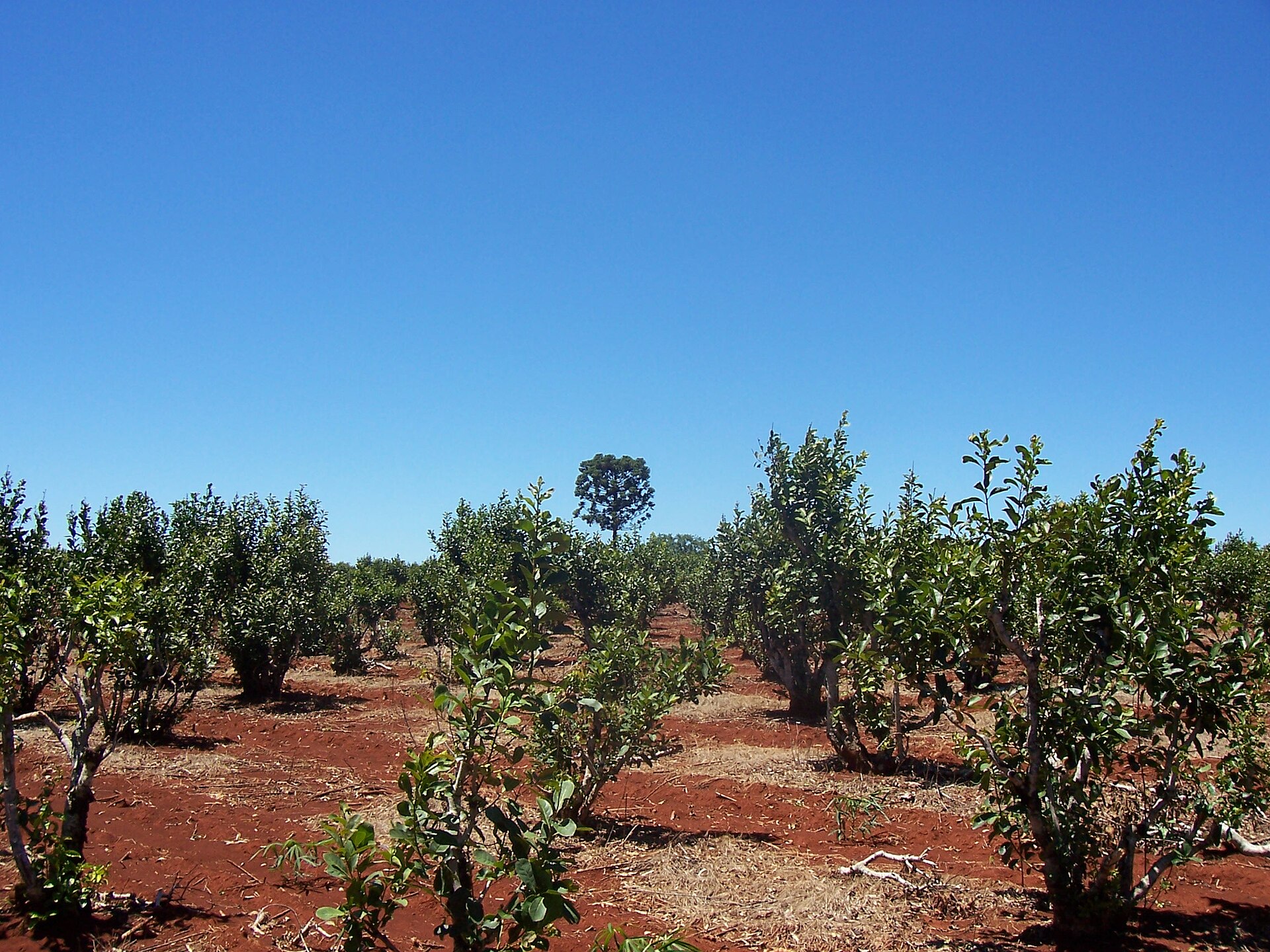
Misiones is the core of Argentine yerba production and a major organic zone. The provincial agriculture ministry reported in 2021 that organic mate in the province was being certified from crop to packing and distribution, and that the province was building an organic production council and platform.
The subtropical climate helps and complicates organic growing: heat and humidity favour the plant but also fungi and insects. Without synthetic pesticides, growers lean more on shade, intercropping, sanitation and biological control. Organic is not neglect; it is a more demanding field regime.
Flavour
Certification does not rewrite the flavour logic. Variety, province, harvest, drying, stem content and smoke still decide the cup.
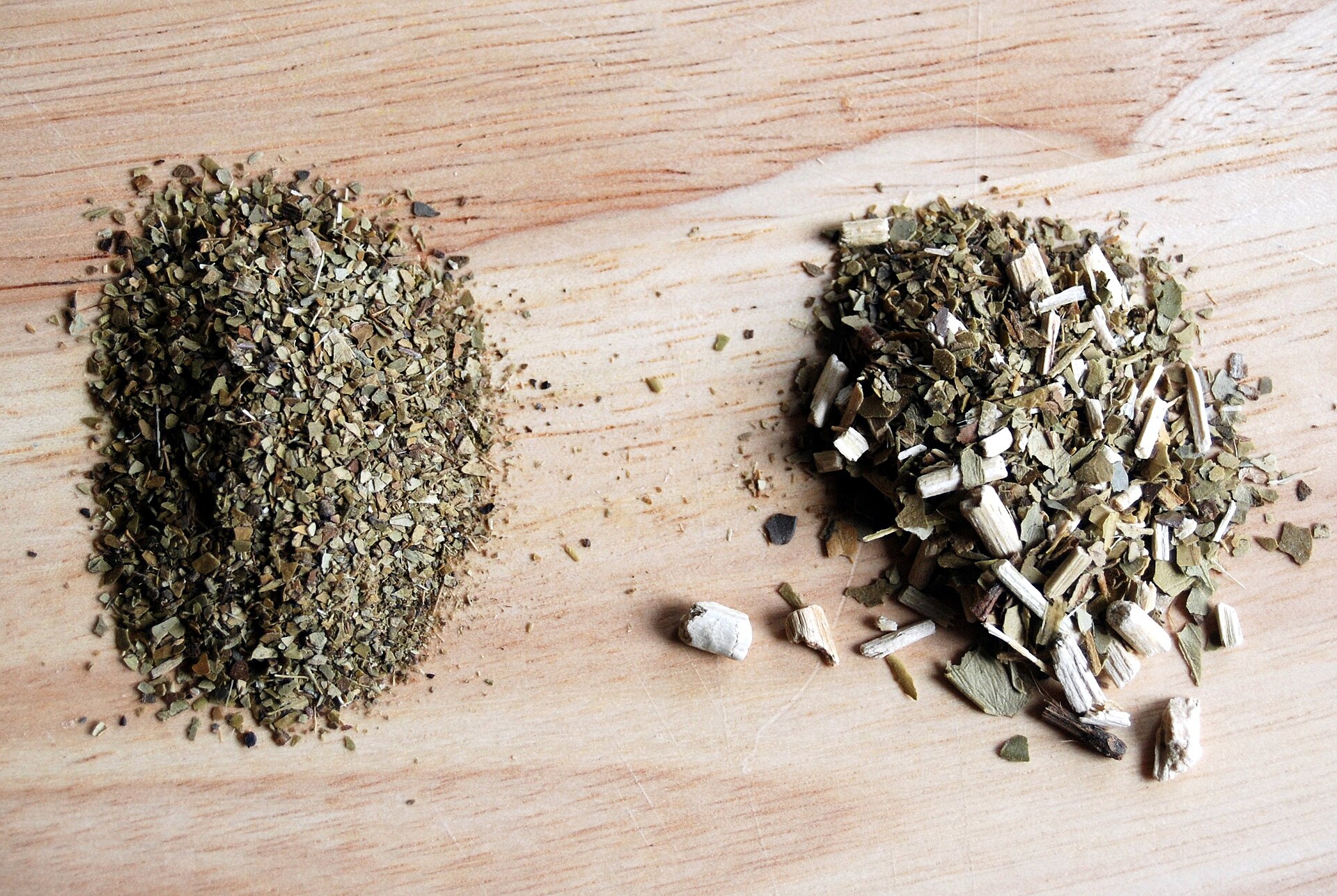
- With stems: rounder, sweeter, less aggressive.
- Stem-free: denser, more bitter, more “leaf-only”.
- Light smoke: grassy and gently smoky.
- Heavy smoke: stronger, closer to the traditional northeastern style.
Organic leaf may taste cleaner, but it can also carry more natural insect damage because certain sprays are off the table. Taste the tea; do not buy the word.
Brewing
Organic mate brews like any other mate:
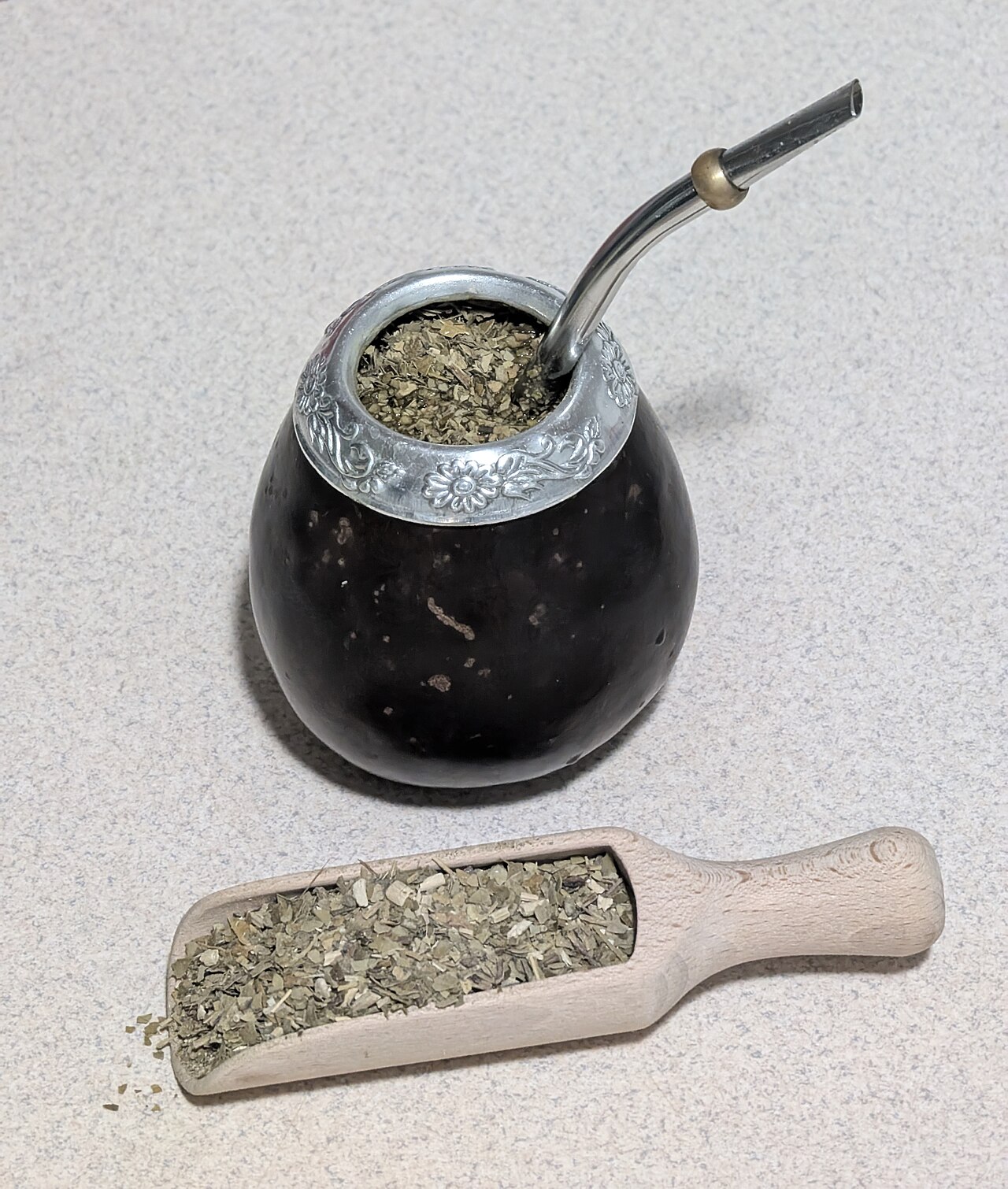
- Hot: 70–95°C, 25–50 g, gourd and bombilla.
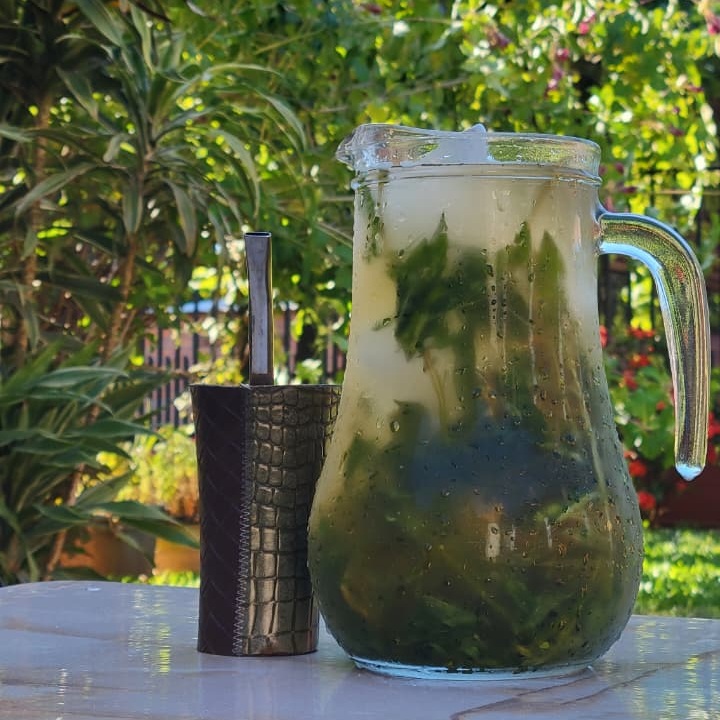
- Tereré: 5–8°C water, ice, coarse cut.
- Mate cocido: boiling water off the heat, 3–5 minutes, then strain.
Organic certification does not change caffeine content. If you are sensitive, start small and avoid a large gourd late in the day.
Buying checklist
- Seal: “Orgánico Argentina” or a recognised certifier mark.
- Certificate: certifier name, certificate number and packer details should be present.
- Origin: Misiones or Corrientes; farm-level information is a plus.
- Style: stemmed or stem-free, smoke level, plain or flavoured.
- Date and storage: sealed, dark and dry; use within a reasonable time after opening.
- Price: certification adds cost, but a high price is not proof of quality.
Organic vs conventional
| Dimension | Conventional | Organic |
|---|---|---|
| Plant | Ilex paraguariensis | Same species |
| Growing | Synthetic inputs allowed | Synthetic fertilisers and pesticides banned |
| Certification | Not required | Required, through a SENASA-authorised body |
| Traceability | Company records | Chain-of-custody from field to pack |
| Flavour | Variety, process and origin | Same drivers; no guaranteed advantage |
| Cost | Lower | Usually higher |
Sources and status
The entry draws on the Misiones provincial release for Law 25.127, SENASA’s role and chain certification, and on OIA for the four certifiers, the banned inputs and label reading. Old claims that organic is “healthier”, “sweeter” or automatically “premium” have been removed. The page is reviewed for structure and sourcing, not as a medical or nutritional endorsement.