
Indonesia is Southeast Asia's largest tea producer: West Java, Sumatra and a few highland gardens supply black, green and jasmine tea to domestic and export markets.
The short answer
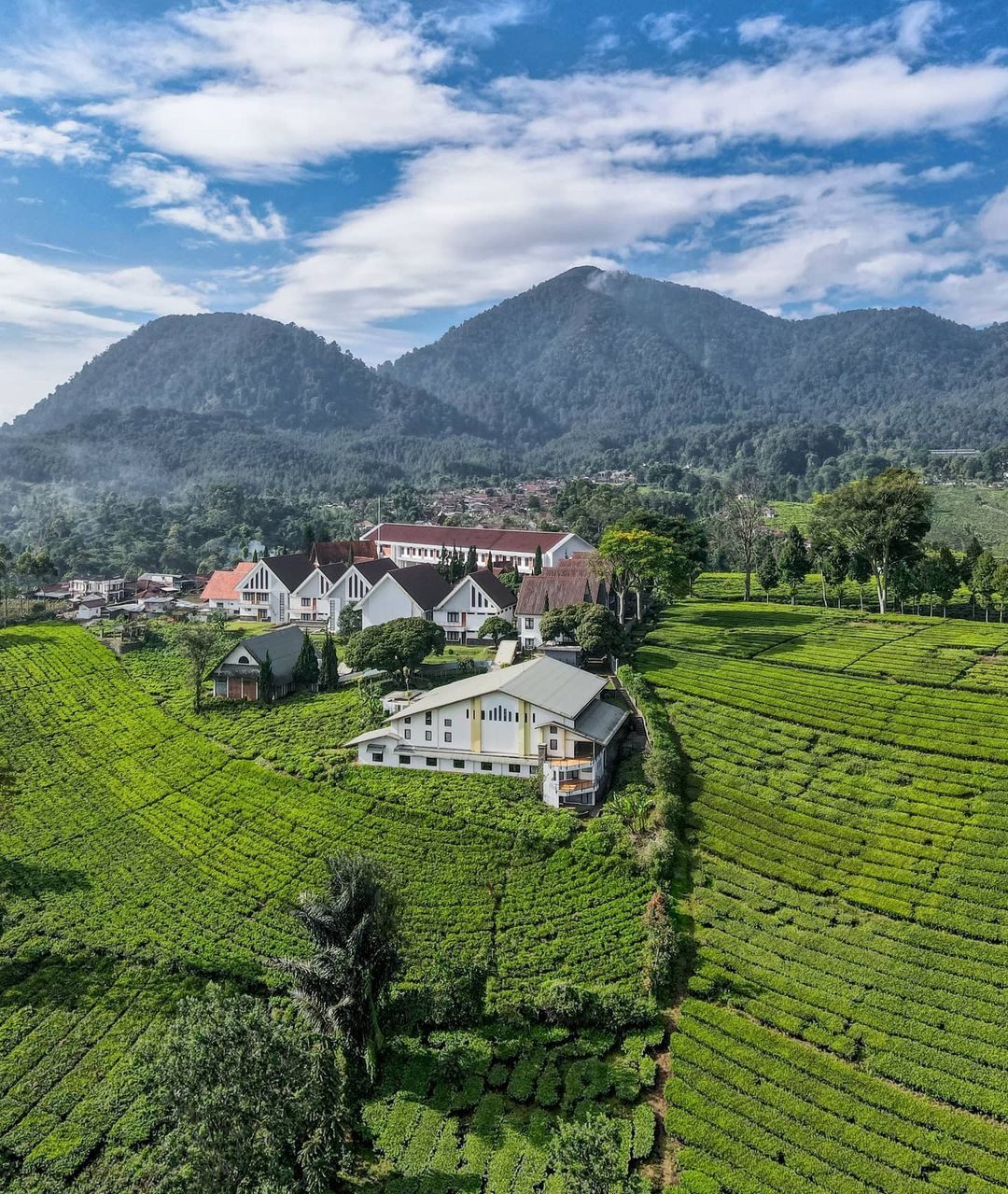
Indonesian tea concentrates in West Java — Puncak, Bandung, Sukabumi — and Sumatra around Medan and Simalungun. Many Java gardens date to the Dutch colonial period. Black tea is the bulk, with green, jasmine and a little oolong; domestic drinking leans sweet and iced. Read Indonesia through three layers: colonial estate legacy, smallholders and factories, and domestic brands.
Geography and growing conditions
Java's volcanic belt has fertile soils; gardens mostly sit at 800–1,500 metres, cooler and wet. North Sumatra's highlands are lower and more humid. On the equator, tea can be picked year-round, but the wet season shapes plucking and withering. Volcanic ash, steep slopes and erosion are long-term issues.
Terroir and craft
Indonesian tea is concentrated in West Java around Puncak, Bandung and Sukabumi, and in Sumatra around Medan and Kerinci, at roughly 800–1,500 metres. Assam and local clones were planted under Dutch rule, and CTC coexists with orthodox. Heat and humidity push leaf fast; fermentation control and factory equipment determine cleanliness.
History and industry
The modern industry is a three-layer build. In 1684 the German botanist Andreas Cleyer brought tea seed from Japan to Batavia for ornamental and trial plots. In 1828 Governor-General Van den Bosch folded tea into the Cultivation System, and commercial gardens appeared in Java. In 1877 Rudolf Kerkhoven brought assamica seed from Ceylon; it gradually replaced China-type bushes and became the base of today’s strong CTC tea. By the early 20th century the Dutch East Indies was one of the largest tea exporters outside India and Ceylon. The Japanese occupation of 1942–45 converted gardens to food crops and output collapsed. After independence, Dutch estates were nationalised, and by 1965 exports were only 53% of pre-war volume. Prices have long been set by auctions and export contracts, leaving smallholders with weak bargaining power; domestic jasmine-tea blending supports part of the green-tea capacity. Today output is about 120,000 t, eighth in the world in 2023, mostly from West Java; smallholders hold the largest area, CTC dominates, and green tea supplies local jasmine blends.
Tea types and everyday drinking
Black tea dominates, both CTC and orthodox, deep and strong for tea bags and milk tea; green is mostly domestic; jasmine is a major category; small amounts of oolong and white appear in the highlands. Everyday drinking is sweet: iced tea, sweetened black tea, jasmine. Single-garden premium tea is weak.
Industry and market
Indonesia is a significant producer. CTC serves domestic tea bags and milk tea, while orthodox enters international blends and specialty. Auction and export systems are established, but single-garden specialty is a small share. Sweet black tea dominates domestic drinking, and estate tourism is growing in West Java and Sumatra.
The cup and brewing
Indonesian CTC is deep red and strong, with malt and wood, well suited to milk. Orthodox is cleaner, with flower, fruit and honey. Brew CTC at 95–100°C with milk; orthodox at 90–95°C and plain. West Java visits are best from May to September; Sumatra roads slow in the rains.
Buying and boundaries
For Indonesian black tea, check origin (Java or Sumatra), CTC versus orthodox and year. Sumatra is often stronger and earthier; Java highlands are brighter. For jasmine, check natural flower aroma and fresh base. Brew CTC at 95–100°C with milk and sugar; green at 85°C. Watch for mould in tropical storage.
Myths and boundaries
“Indonesia only has coffee” ignores a century-old tea industry. Indonesia was a major Dutch colonial tea producer, and West Java and Sumatra still have commercial gardens. International brand visibility is low and CTC dominates volume.
Teas in this region
- Gambung Green Tea (Gamboeng Peko Super)
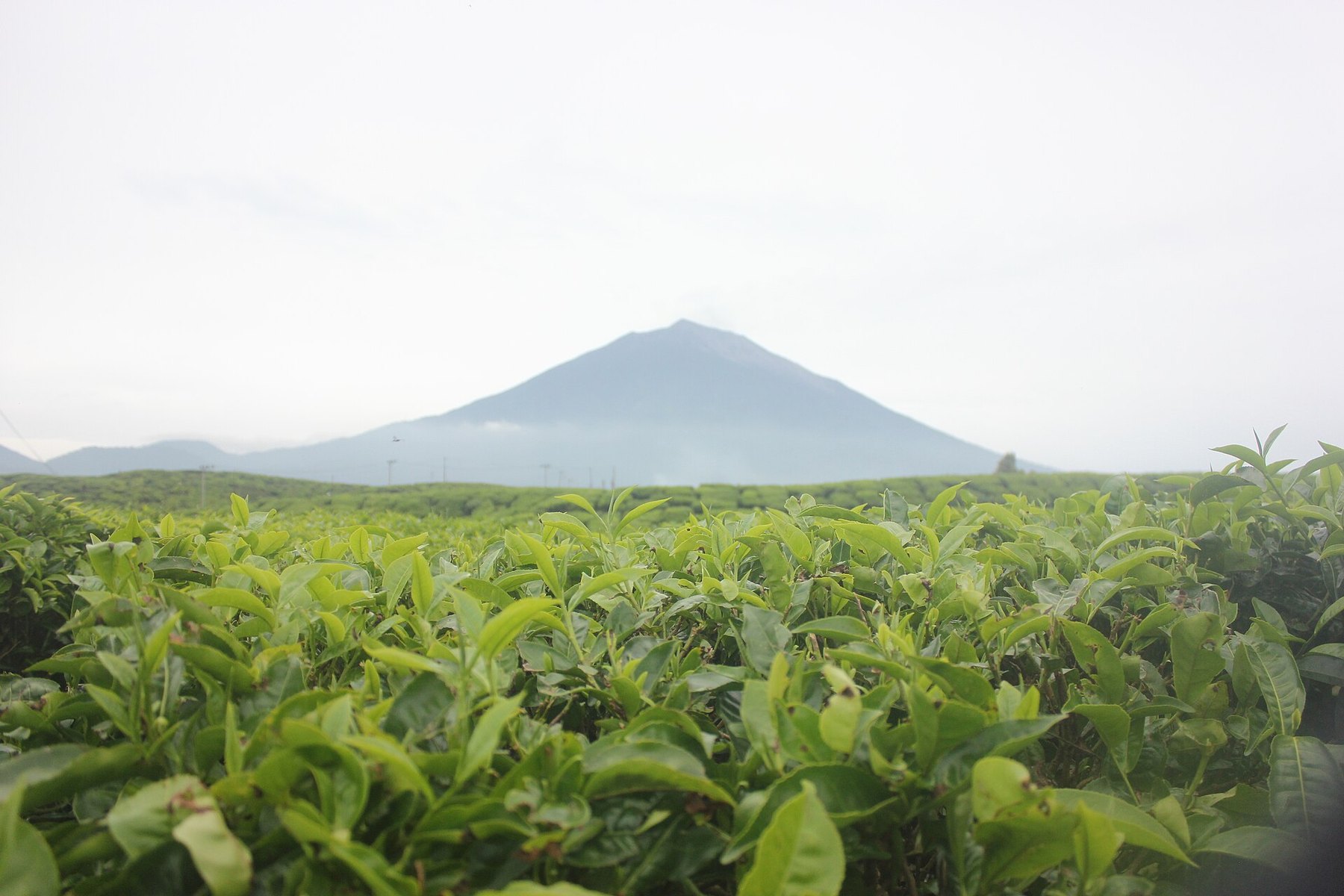
- Kerinci Tea (Kayu Aro Black Tea)
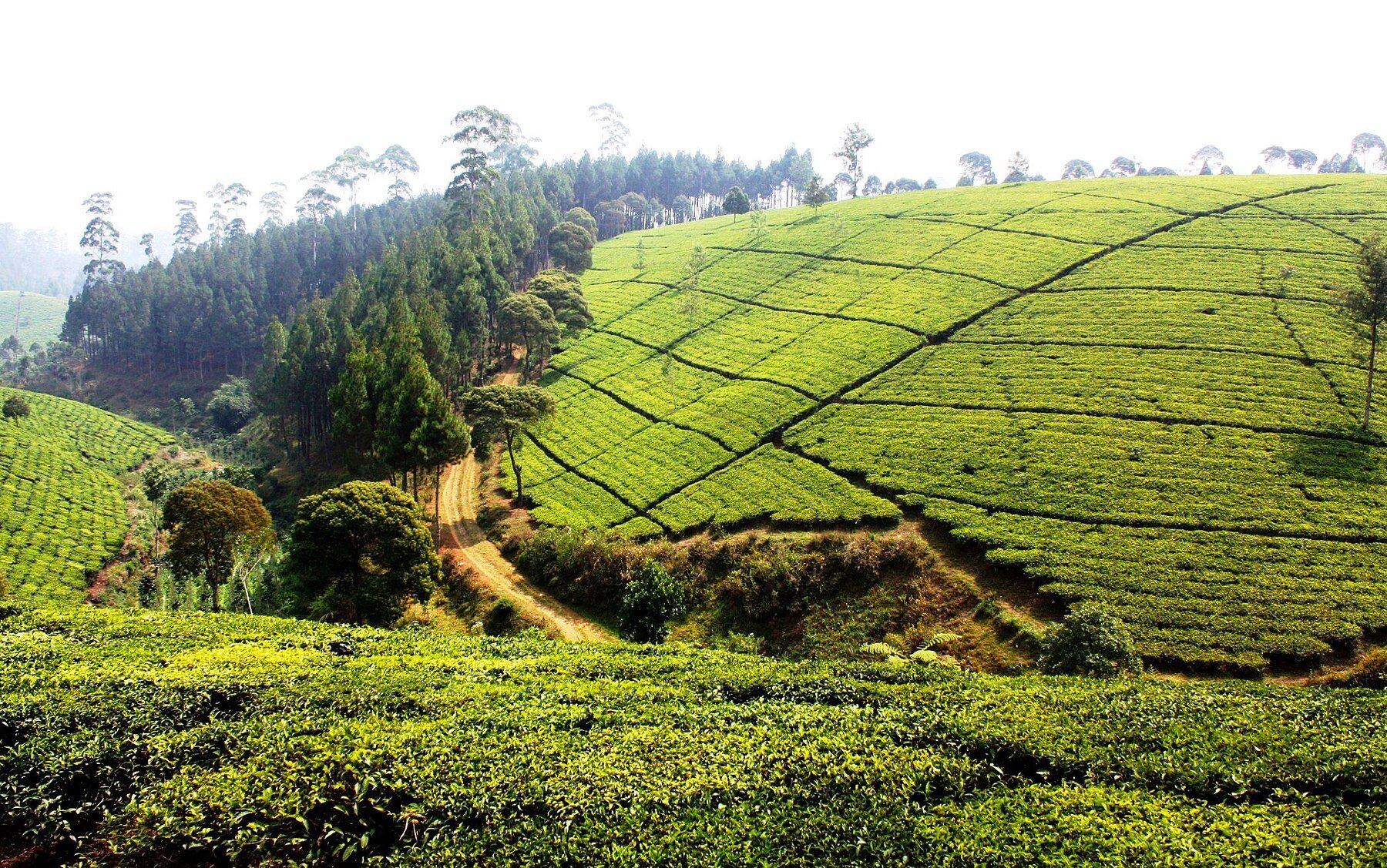
- Malabar Tea Estate (Pangalengan, West Java)
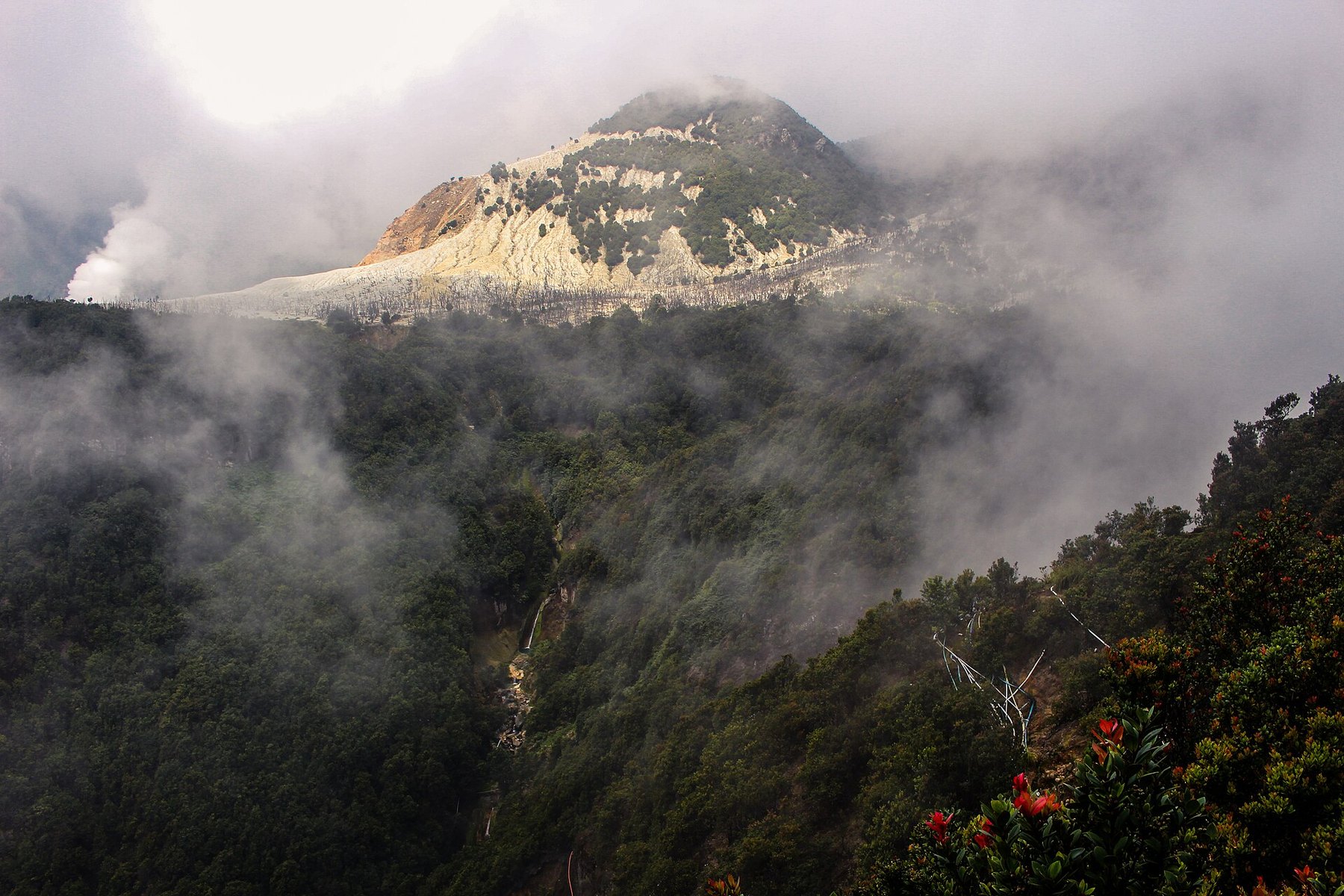
- Papandayan White Tea (Garut Highland White Tea)
Further reading
Source boundary
Indonesia is a major producer but less internationally visible than India or Sri Lanka; its strength is commodity black tea and jasmine. Java and Sumatra differ, so “Indonesian tea” is not one flavour. Colonial estate history and today's smallholder structure should be read separately.

