What this page is — and is not
This page uses “Papandayan white tea” as a regional search label for white tea from the Garut highlands around Mount Papandayan, West Java. It is not a registered geographical indication, not a protected appellation and not a single-estate brand.
That label needs a warning because “Papandayan” already belongs to something else in the tea world: PTPN VIII Kebun Papandayan, a state-owned tea estate in Garut. A UPI thesis identifies that estate as a black-tea producer. The white tea documented by ANTARA is a separate Garut highland product, made by a small producer. The two are not the same business.
The old draft collapsed them into one “only white-tea micro-estate on the southern slope at 1,600–1,800 m,” with an invented founder, a Fuding cultivar, a Silver Needle grade and awards. None of that appears in the sources reviewed. This page keeps the regional definition and drops the invented estate.
| Verified | Not verified |
|---|---|
| Garut highlands produce white tea | A fixed white-tea garden at 1,600–1,800 m on Papandayan’s south slope |
| Producer: Dasep Badrusalam / Mooi Tea House | “The only white-tea estate in Indonesia” |
| Buds picked 05:30–07:30 | “A dozens-of-hectares white-tea micro-estate” |
| PTPN VIII Kebun Papandayan exists and makes black tea | The old draft’s founder, cultivar, awards and Silver Needle grade |
| Garut is a highland tea district in West Java | White tea necessarily coming from the PTPN VIII estate |
Two things called Papandayan
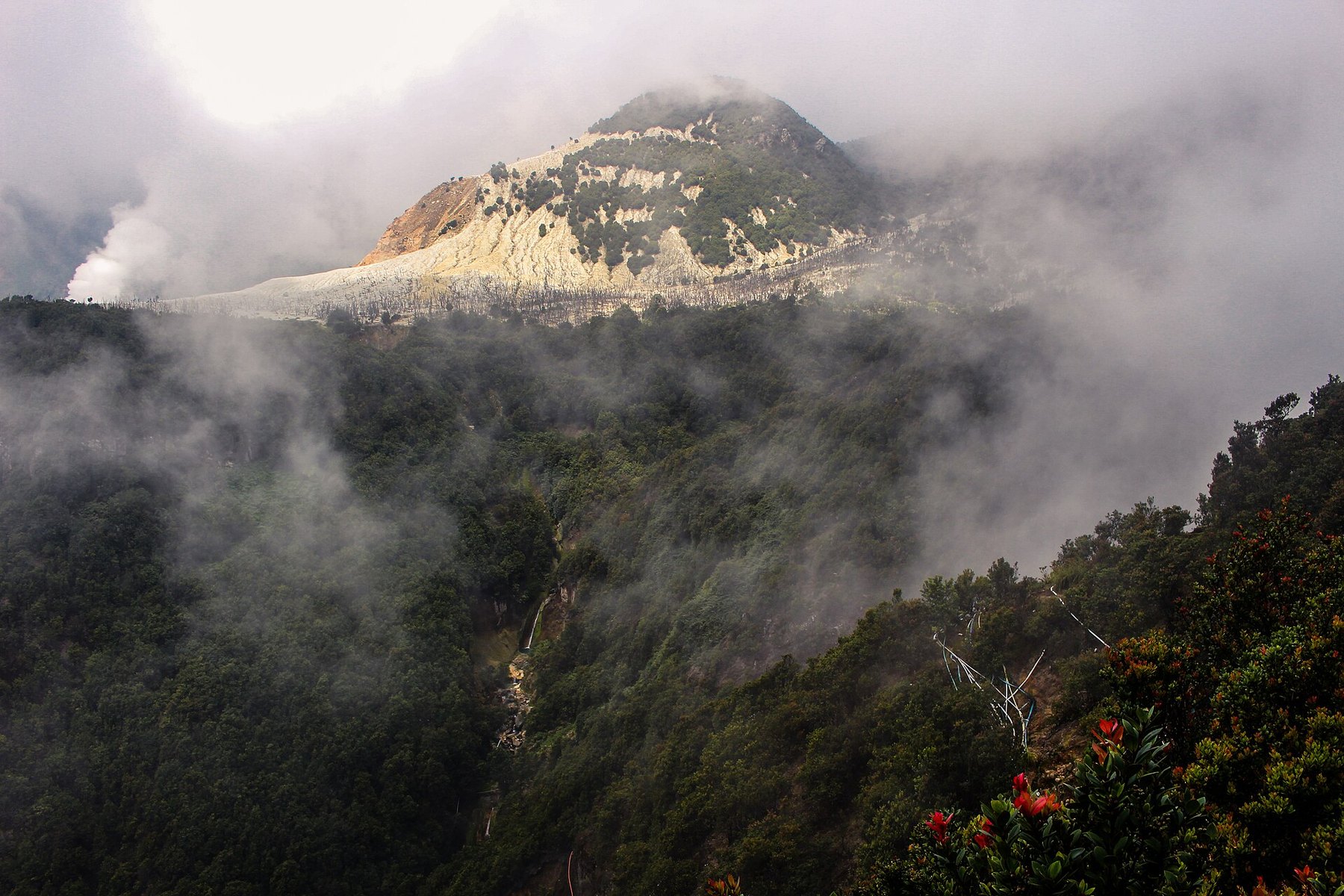
The first is Mount Papandayan, a volcanic complex above Cisurupan in Garut. The second is PTPN VIII Kebun Papandayan, a tea estate in the same district. The mountain is a place name; the estate is a business unit. Neither is a white-tea brand.
The white tea report adds a third thing: a small Garut highland producer, Dasep Badrusalam, who runs Teh Nyaneut and Kedai Mooi Tea House. ANTARA describes his white tea as a Garut highland product, picked only in the early morning, sold first in the local market and presented as ready for export. The report does not say the garden is on Papandayan, and it does not give an altitude or a hectare count.
That is why this page calls the tea “Garut highland white tea” first and “Papandayan white tea” second. The mountain name is useful for search; it is not evidence of a single estate.
What can be verified
The verifiable core is narrow but real:
- Garut is a highland tea district in West Java with several tea estates and small producers.
- A Garut producer, Dasep Badrusalam, made white tea in 2019.
- The picking window was 05:30–07:30, and only buds were taken.
- The tea was sold locally first, with export ambitions.
- The 2019 price was about IDR 2.5 million per kilogram, with small tins at IDR 75,000 and a brewed cup from IDR 8,000.
- PTPN VIII’s Papandayan estate exists and produces black tea.
Those facts describe a small, premium, hand-picked product. They do not describe a large white-tea plantation.
What cannot be verified
The old draft went far beyond the record. It claimed:
- a fixed garden at 1,600–1,800 m on the southern slope;
- a “micro-estate” of dozens of hectares;
- a founder named Dewi Anggraini;
- a Fuding Da Bai cultivar;
- a Silver Needle grade;
- a 2008 or 2011 founding date;
- “the only white-tea estate in Indonesia.”
None of these appear in the ANTARA report, the UPI thesis or the IPB thesis. Some may be true of a particular producer, but without a document they are not publishable facts. The page therefore treats them as unverified and does not repeat them as history.
Why Garut
Garut sits in the southern highlands of West Java, where the land rises from the city basin toward volcanic slopes. The altitude, cooler air and mist slow tea growth and favour light, slow oxidation. That is a reasonable environment for white tea, but “reasonable environment” is not the same as “a dedicated white-tea estate.”
White tea in Garut looks like a small-batch product: a short picking window, hand selection, low volume and a high price. The 2019 price structure supports that reading. It is not a mass-market commodity.
Processing: only the picking window is documented
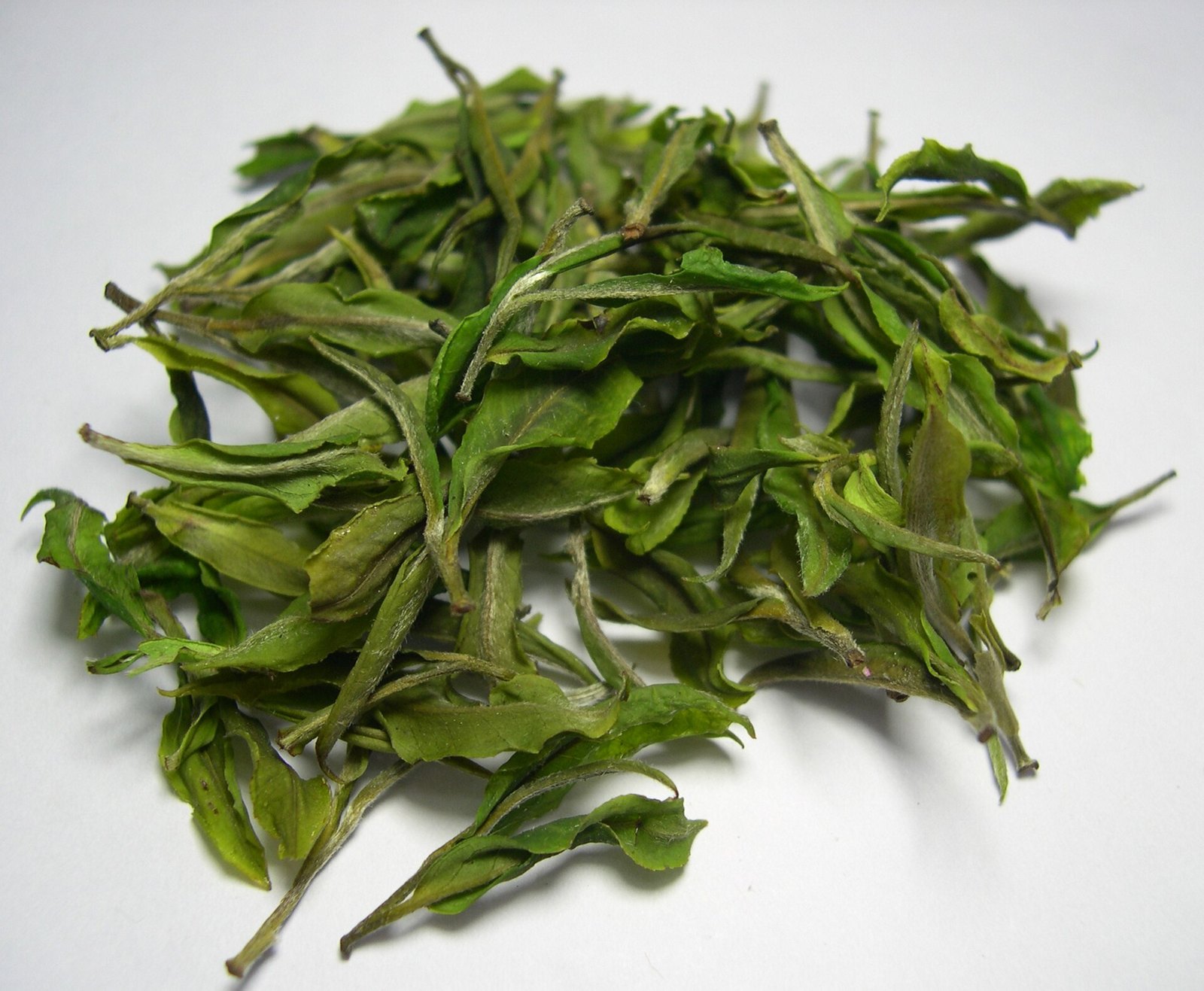
White tea is normally withered and dried, without fixing or rolling, or with only very light rolling. Different origins use different plucking standards: single bud, one bud and one leaf, or a bud and two leaves.
For Garut, the public report confirms only the early-morning bud picking. It does not publish:
- whether the standard is single bud or bud plus leaf;
- which cultivar is used;
- withering time and method;
- drying temperature;
- whether the product is graded as Silver Needle.
So this page does not present “Fuding Da Bai,” “48-hour indoor withering” or “Silver Needle” as facts. They may belong to a specific maker, but they are not in the verified record.
Flavour
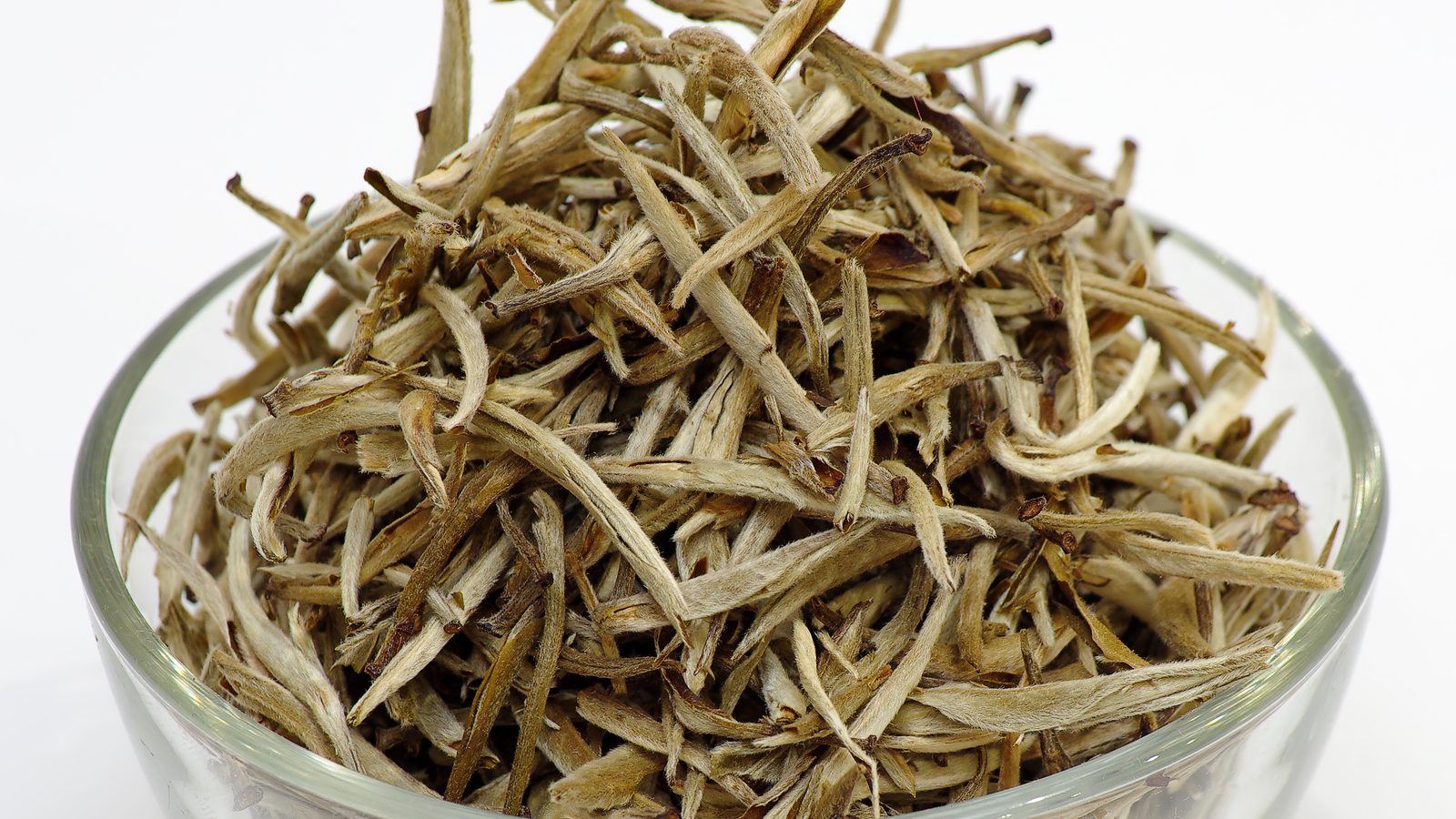
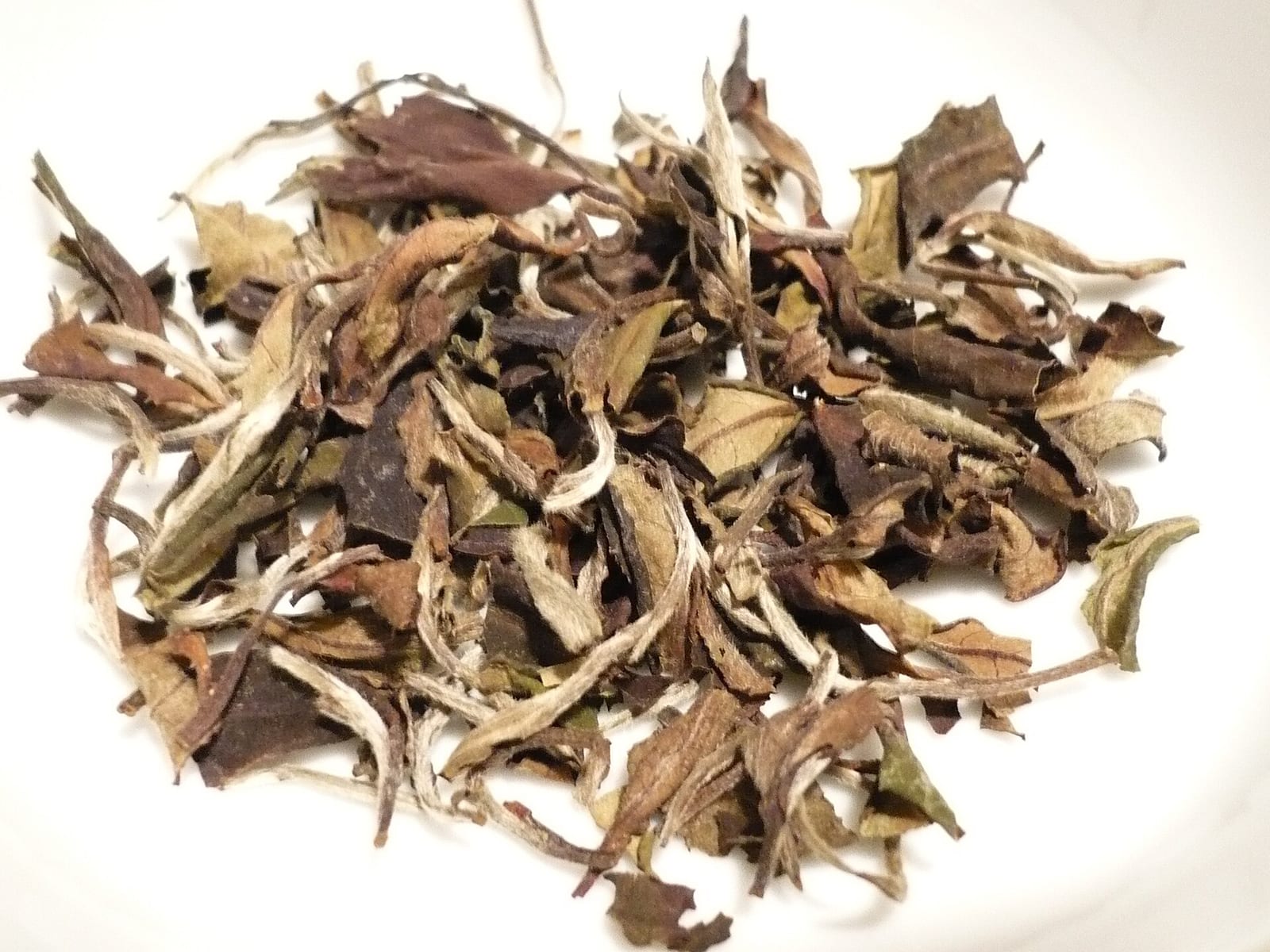
Garut highland white tea is best described in general white-tea terms: light, sweet and aromatic, with white hair, hay, honey and a pale floral note. The liquor is usually pale apricot to light gold, the body is light and the finish is slow and sweet.
The exact profile depends on plucking standard, cultivar, withering and drying. A bud-only tea will be softer and more delicate; a leafier tea will have more body and a stronger hay note. Do not assume “Silver Needle” just because the packaging says “white tea.”
How to brew it
- Gaiwan: 3–4 g tea to 150 ml water, 80–85°C.
- Time: 2–3 minutes for the first steep, then add 30–60 seconds per infusion.
- Temperature: 80–85°C for bud tea; 85–90°C for leafier tea.
- Do not stew it: white tea turns dull and woody when held at high heat.
- Cold brew: 3 g tea to 500 ml cold water, refrigerate 4–6 hours.
If the liquor is thin, add more leaf before raising the temperature. If it is bitter, lower the temperature and shorten the steep.
How to buy it
- Ask who made it. Is it from a Garut small producer such as Dasep Badrusalam / Mooi Tea House, or from PTPN VIII’s black-tea estate? They are different products.
- Ask where the garden is. Which village or estate in the Garut highlands? “Papandayan” alone is not enough.
- Ask the plucking standard. Single bud, one bud and one leaf, or bud and two leaves. This drives grade and price.
- Ask cultivar and processing. Cultivar, withering method, drying method and production date.
- Buy a small sample. Small-batch white tea varies; 50 g is a safer test than a full tin.
- Do not pay for “the only white-tea estate in Indonesia.” That claim has no source and conflicts with the fact that Garut has more than one tea system.
Myths to drop
“Papandayan is a white-tea estate.”
Papandayan is a mountain name and a PTPN VIII black-tea estate. Garut white tea is a separate small-producer line.
“All Garut white tea comes from Papandayan’s southern slope.”
The report says “Garut highlands,” without a fixed slope, altitude or estate boundary.
“It is the only white-tea estate in Indonesia.”
No source supports this. Indonesia has other white-tea producers, and Garut itself has more than one tea system.
“Garut white tea is Silver Needle.”
Silver Needle is a plucking grade and product name, not a legal grade for Garut white tea. The report does not confirm it.
“Higher altitude always means better white tea.”
Altitude is one variable. Plucking standard, cultivar, withering and drying decide the cup.
One-line definition
Papandayan white tea is a regional label for Garut highland white tea: a real small-producer white tea, documented in 2019, but not a single estate and not “the only white-tea estate in Indonesia.” The mountain name and the PTPN VIII black-tea estate are separate facts, and this page keeps them separate.