



Qimen is the origin of Keemun: the Qimen cultivar, humid Huangshan foothills and fine fermentation created one of the world's most distinctive black-tea aromas.
The short answer
Qimen County lies in southwestern Huangshan, Anhui, between the Huangshan range and Guniujiang. It is the core of Keemun black tea. Keemun was created around 1875 and entered the world black-tea map with “Keemun aroma” — a composite of flower, fruit and honey. Read Qimen by separating Keemun from the county's green tea and Ancha, and by separating core villages from the wider Keemun market.
Geography and growing conditions
Qimen is mid-subtropical, mostly hill and mountain, with gardens at 300–800 metres. Yellow and red soils are acidic and forest cover is high. Rain and cloud are abundant in spring and summer, with moderate diurnal range that supports aroma formation. The Qimen cultivar has medium leaves and rich inner matter, the varietal base of Keemun aroma. Core townships include Shanli, Ruokeng, Likou, Pingli and Fufeng, with subtle valley differences.
Terroir and craft
Qimen sits in Qimen County, Huangshan, Anhui, between the Huangshan range and Guniujiang, at roughly 300–800 metres. Local Qimen populations (Zhu Ye), Huangshan and improved cultivars are planted. Keemun black tea is mainly congou: withered, rolled, fermented, dried and refined into fine strips with rose, cocoa and fruit aroma. Green tea and An tea also exist.
History and industry
Qimen made tea in the Tang, but Keemun black tea begins in the late Qing. Around 1875, Yu Ganchen, a Qimen native who had served in Fujian, returned and trial-made black tea in Zhide (today Dongzhi), later spreading to Qimen; another account credits Hu Yuanlong in southern Qimen. Keemun was exported in volume from the late nineteenth to early twentieth century and won a 1915 Panama Exposition award, standing alongside Darjeeling and Uva as a high-aroma black tea. State factories and export systems continued its position after 1949.
Tea types and everyday drinking
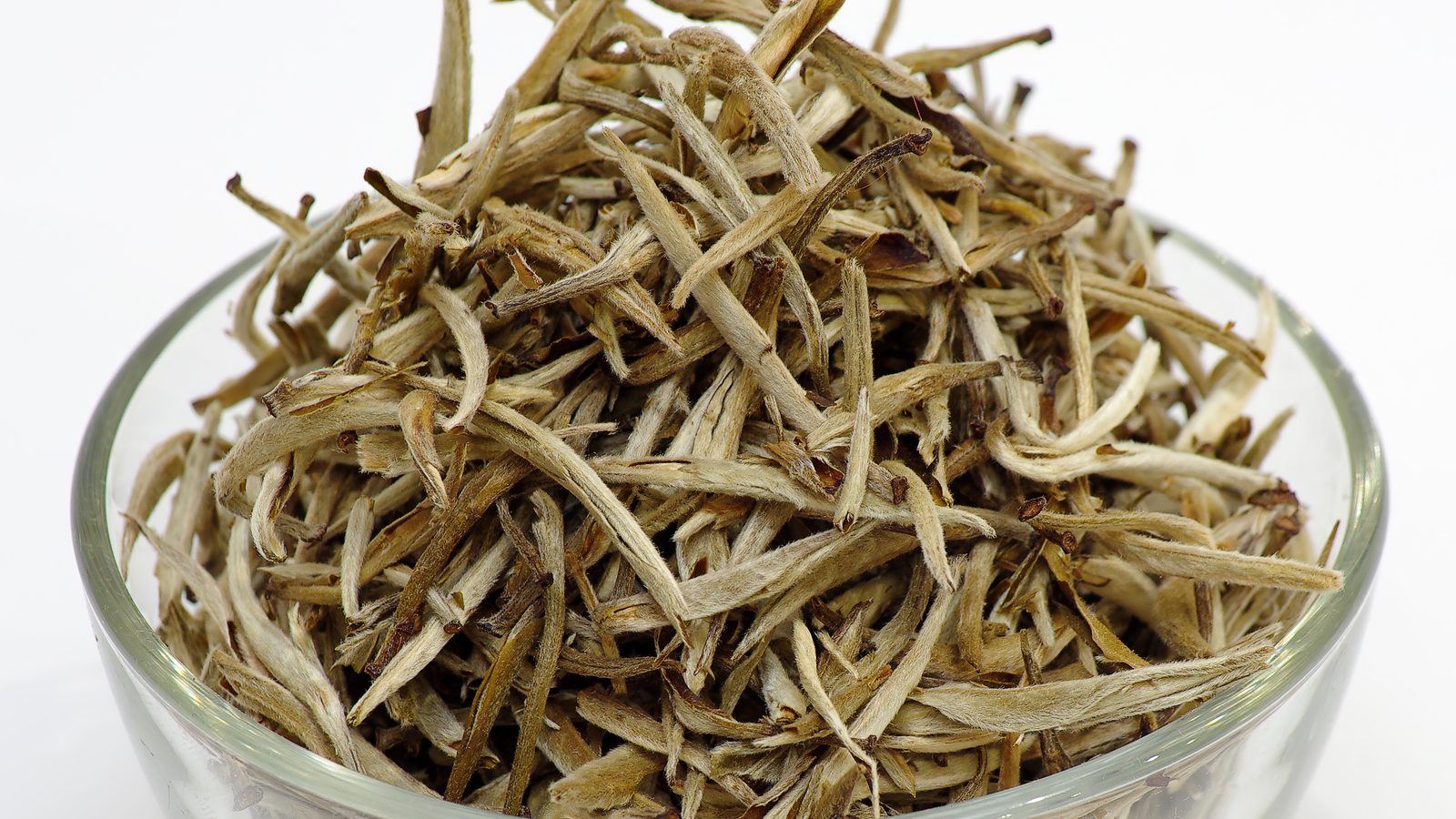
Traditional Keemun is a gongfu black tea: fine tight strips, dark glossy colour, red liquor, rich aroma and a mellow body. New shapes include Keemun Xiangluo, Keemun Maofeng and needle-like Jinzhen. Qimen also makes green tea such as Qimen Maofeng and Ancha, a post-fermented dark tea historically exported through Guangdong. Keemun is good plain or with milk; brew premium leaf at 90–95°C and avoid long closed steeps.
Industry and market
Keemun is a core Anhui famous tea and a historic export brand, sold as domestic gifts, in tea houses and overseas. Prices range from everyday tea to handmade core-origin lots. “Keemun aroma” is used broadly; origin, season and refinement grade set the price, and brand and batch vary widely.
The cup and brewing
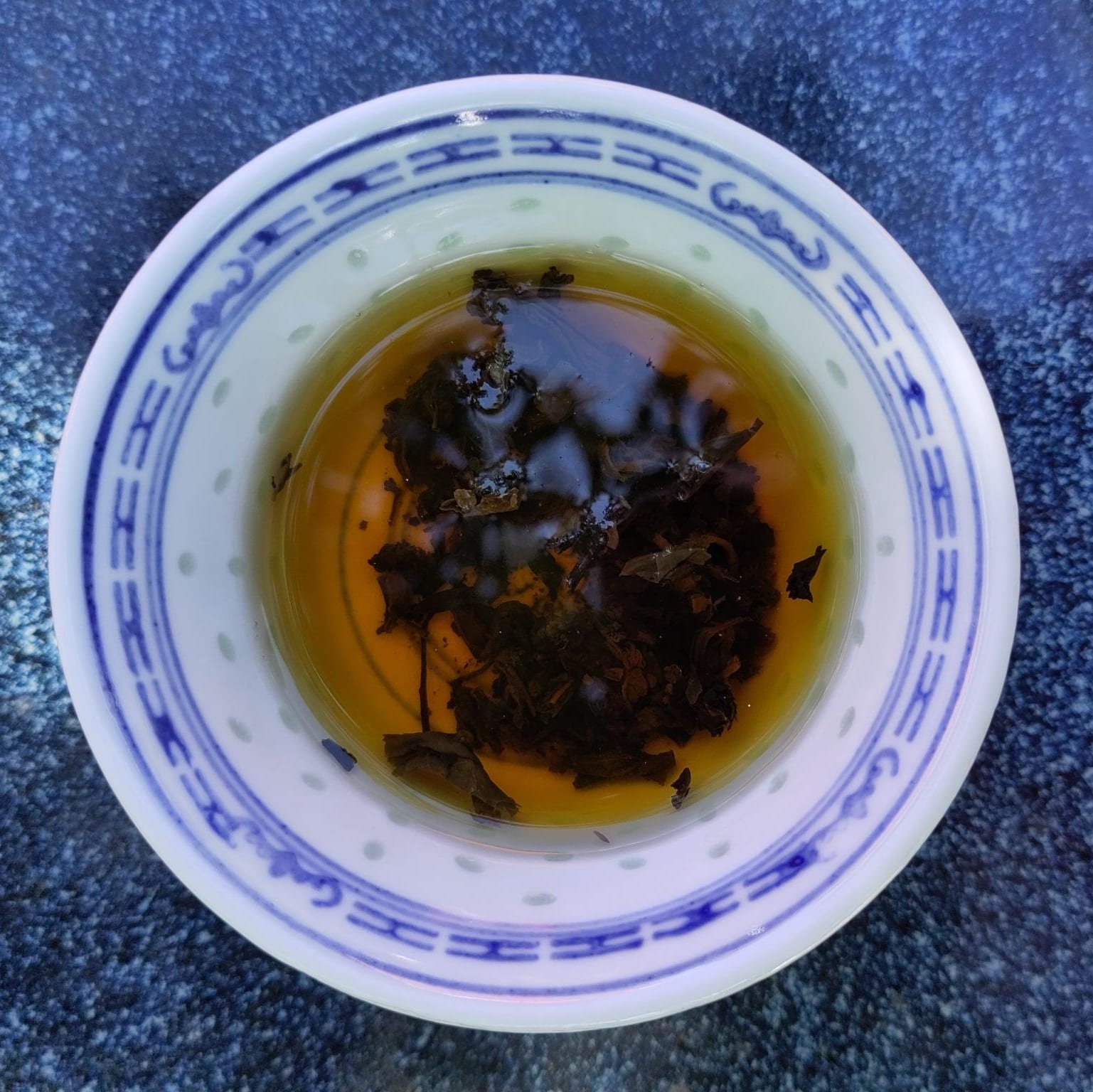
Keemun is bright red, with rose, cocoa, honey and fruit, a soft body and long finish. It keeps aroma with milk and is a classic congou. Brew at 90–95°C for three minutes and use a white porcelain cup to read the colour. Visit Qimen in April–May for gardens and black-tea factories.
Buying and boundaries
For Keemun, check the core township, grade, pluck season and fermentation. The aroma should be naturally composite, not just sweet-potato or flavouring. “Broken” leaf is not automatically bad — traditional gongfu has specified筛号 — but excess dust and cloudy liquor are warnings. Ancha is not Keemun; read the process. Brew Keemun at 90–95°C in a gaiwan with quick pours; make it slightly stronger for milk.
Myths and boundaries
“Keemun equals Keemun aroma” is a simplification. The aroma is a composite of cultivar, terroir and refinement, not one flower note. Nor is every Keemun high-aroma: summer-autumn and rough lots differ greatly.
Teas in this region
Further reading
Source boundary
The Keemun geographical indication covers more than Qimen County; other Anhui counties also sell “Keemun”. Core and wider areas differ sharply. The 1875 creation story has variants, so this page presents the common accounts without a single assertion. Keemun aroma is a sensory tradition, not a chemical test result.
