
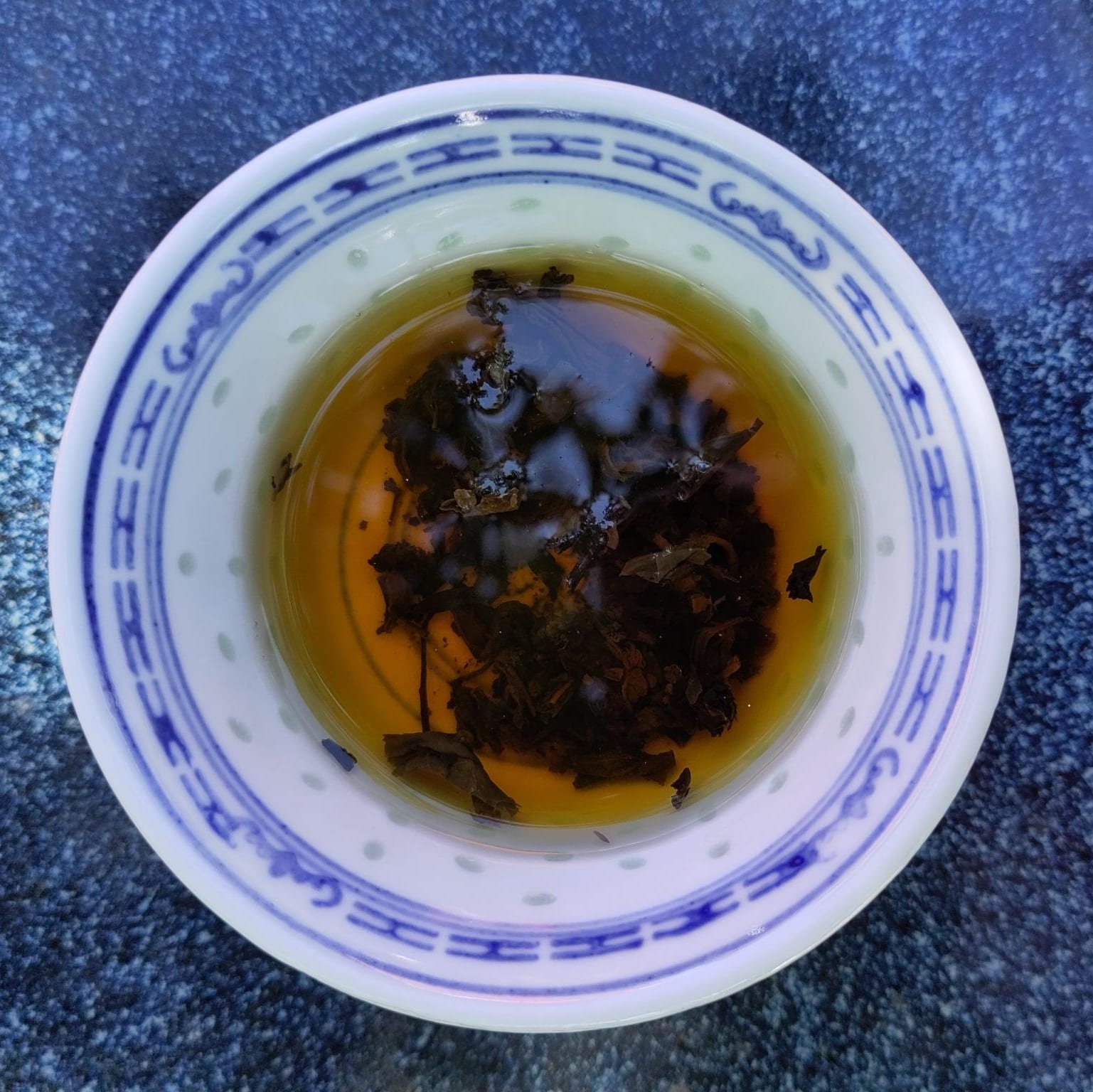



China is the home of the tea plant and the world's largest tea producer. To read Chinese tea well, do not memorise a “top ten” list; place green, yellow, white, oolong, black, dark and scented teas back into their regions, cultivars, crafts and markets.
The short answer
Chinese tea spans roughly 18°–53° north, from tropical lowlands in Hainan to cold valleys on the Tibetan edge, and from the eastern coast to the southwestern mountains. The country produces millions of tonnes a year, about sixty percent green tea, with black, oolong, dark, white, yellow and reprocessed teas each having core regions. Read China by tea family first, then region, then cultivar, craft and batch. Administrative borders are not geographical indications, and a famous name is not automatically a good tea.
Geography and growing conditions
Chinese tea can be grouped into four broad zones. The Jiangnan zone covers Zhejiang, Hunan, Jiangxi, southern Anhui and southern Jiangsu, where hills and plum rain shape Longjing, Biluochun, Huangshan Maofeng and Keemun. The Jiangbei zone covers Henan, southern Shaanxi, Shandong and Longnan in Gansu: northern latitude and a short spring give fresh green tea. The Southwest covers Yunnan, Sichuan, Guizhou and Chongqing, where low-latitude highlands and vertical climate support large-leaf tea, ancient trees and early spring flushes. The South covers Fujian, Guangdong, Guangxi, Taiwan and Hainan, where heat, humidity and monsoon shape oolong, white tea, jasmine tea and early green tea.
Temperature, rainfall, soil and altitude set the plant’s limits. Chinese gardens mostly sit on acid red, yellow or mountain brown soils with good drainage. Annual rain ranges from about 600 mm in the northwest to over 2,000 mm in the southeast, and its seasonality sets the plucking window. Altitude alone does not make good tea; cloud, diurnal range, light and soil together shape aroma and body.
Tea families and examples
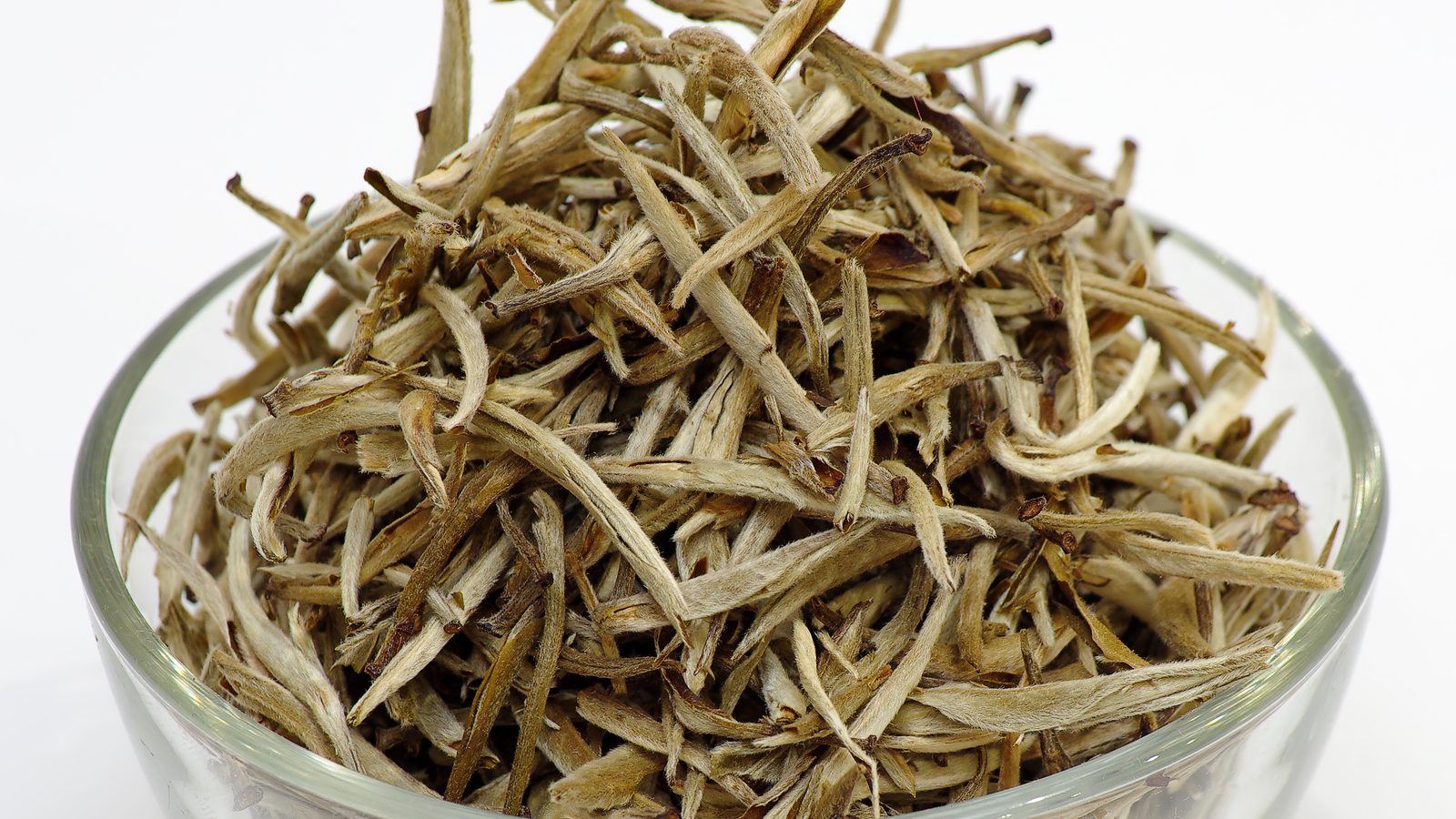
Green tea is unoxidised: fixed, rolled and dried. Examples include West Lake Longjing, Biluochun, Huangshan Maofeng, Xinyang Maojian, Enshi Yulu, Lushan Yunwu, Lu’an Guapian, Taiping Houkui and Anji Baicha (a pale-leaf cultivar made as green tea). Yellow tea adds a menhuang or sealed-yellow step: Junshan Yinzhen, Mengding Huangya, Huoshan Huangya and Weishan Maojian. White tea relies on withering and drying: Fuding Silver Needle, White Peony, Gongmei and Shoumei, plus Zhenghe white tea.
Oolong is semi-oxidised: Wuyi rock tea in northern Fujian, Anxi Tieguanyin in southern Fujian, Fenghuang Dancong in Guangdong, and Alishan and Dongding in Taiwan each have their own oxidation and roast. Black tea is fully oxidised: Keemun, Dianhong, Yihong, Lapsang Souchong, Jinjunmei, Yingde black and Jiuqu Hongmei. Dark tea is post-fermented: Yunnan puer, Hunan Anhua, Guangxi Liubao, Hubei Qingzhuan and Sichuan Tibetan brick tea each have aging and product systems. Reprocessed tea is led by jasmine: Hengxian, Fuzhou, Suzhou and Qianwei are key origins.
History and industry
The tea plant originated in the southwestern mountains. Drinking evolved from medicine and soup to clear infusion through the Han and Tang. Lu Yu’s Classic of Tea in the Tang systematised regions, plucking, processing and brewing; Song tea competitions and whisked tea linked to Jian and Jizhou bowls; the Ming shift from compressed to loose leaf enabled pan-fired green tea and gongfu brewing; Qing export through Guangzhou, Kyakhta and the maritime silk road built brands such as Keemun, Wuyi and Ninghong.
Modern China combines household gardens, cooperatives, leading companies and regional public brands. West Lake Longjing, Anxi Tieguanyin, Wuyi rock tea, Yunnan puer and Fuding white tea carry high brand value, but brand premium and actual quality do not always match. The domestic market is green-tea led, with black, oolong, white, dark and herbal tea segments; exports are mainly green, black and specialty tea to Morocco, Uzbekistan, Russia, Africa and Southeast Asia.
Cultivars and craft
China’s tea plant resources are exceptionally rich: Yunnan large-leaf, Fuding Dabai, Zhenghe Dabai, Huangshan population, Qimen Zhu Ye, West Lake Longjing population, Tieguanyin, Huangyan, Fenghuang Shuixian, Qingxin oolong and Jinxuan are suited to different tea families. Clonal cultivars raise yield and consistency, while old populations and landraces retain distinct flavours. Plucking standards run from single bud to one bud and two or three leaves, setting grade and price.
Craft is the core variable. Green tea fixation may be pan-fired, steamed, baked or sun-dried; oolong oxidation decides flower and body; black tea fermentation sets the ratio of theaflavins and thearubigins; dark tea pile-fermentation and aging shape microbes and mouthfeel; white tea withering decides downy aroma and sweetness. Hand and machine are not simply good and bad; they are choices of style and scale. The same cultivar and site can produce entirely different cups through craft.
Market and grades
The Chinese market is stratified: everyday tea, regional public brands, estate/single-bush/competition tea, gifts and collection tea coexist. Price reflects origin, cultivar, season, craft, brand and channel. Famous mountains, ancient trees and core origins carry premiums, along with fakes and excessive packaging. Wholesale markets in Guangzhou Fangcun, Beijing Maliandao, Jinan and Shanghai, together with e-commerce, livestreaming and tea houses, form the distribution system.
Buy by tea family and use first, then origin and craft, then batch and price. Green tea is best fresh; oolong is judged by aroma and roast; black tea by sweetness and strength; white tea can be young or aged; dark tea depends on storage and aging. Do not buy on “famous”, “ancient tree” or “core origin” labels alone; ask for a verifiable producer, year, grade and brewing performance.
The cup and brewing
Chinese brewing is varied. Green tea often uses a glass or gaiwan at 80–85°C, rinsing first to highlight freshness. Oolong uses a gaiwan or Yixing pot at 95–100°C with fast pours, emphasising aroma and finish. Black tea uses white porcelain or a gaiwan at 90–95°C. Young white tea takes 85–90°C; aged white can be boiled. Dark tea takes 95–100°C or boiling, for body and aged aroma. Soft water is preferred, and leaf-to-water ratios range from 1:50 to 1:20 by tea.
Gongfu tea is the core tradition of southern Fujian, Chaozhou and Taiwan: small pot or gaiwan, boiling water, fast pours, layered aroma and many infusions. Offices and daily life more often use glasses, easy brewing cups and tea bags. There is no single correct method, only parameters suited to tea and setting.
Myths and boundaries
“China only has green tea” ignores black, oolong, dark, white, yellow and scented tea. “Famous means good” ignores batch, craft and storage. “Ancient tree means better” ignores cultivar, craft and brewing. “The older, the better” applies only to dark and white teas that suit aging, and only with correct storage. “Green tea hurts the stomach” ignores strength, temperature and individual response. China’s greatest strength is diversity; its greatest trap is summarising a region with one label.
Administrative borders are not geographical indications, and a GI does not guarantee every batch. West Lake Longjing, puer, Anxi Tieguanyin and Wuyi rock tea all have protected ranges and craft requirements, but distribution is complex. Buy with a named producer, batch and traceable information.
Teas in this region
Chinese tea entries are numerous; published teas can be explored by family and region. Start with the six tea families and place-and-craft guides, then move into individual tea pages. Do not expect one “China tea” page to answer everything.
Further reading
Source boundary
This page is an overview of Chinese tea, edited from public tea-industry material, regional geography and craft knowledge. Specific origin, grade, year and price claims belong to individual tea pages and producer information. China’s tea area is too large to exhaust here, and administrative borders are not treated as GI boundaries.
