



Chongqing is not a one-famous-tea region: it is a southwestern tea landscape of mountain green tea, needle-shaped teas and compressed tuocha.
The short answer
Chongqing sits on the upper Yangtze, at the eastern edge of the Sichuan Basin. Its tea gardens are scattered across Yongchuan, Nanchuan, Ba'nan and Jiangjin. The region matters less for volume than for the coexistence of early-spring green tea, fine needle tea and tuocha made for border and export markets. Read Chongqing tea by separating the premium green-tea line from the compressed-tea line.
Geography and growing conditions
The city has a subtropical monsoon climate, frequent cloud and high humidity, with purple and yellow soils. Gardens mostly sit between 300 and 1,000 metres. Spring flush arrives early, which gives a freshness advantage, but the hot, humid summer compresses the picking window and raises disease pressure. Yongchuan and Nanchuan connect to the Sichuan Basin edge; Ba'nan and Jiangjin sit closer to the urban market, so micro-terroir differences are real even within one municipality.
Terroir and craft
Chongqing tea sits in the hills of Yongchuan, Nanchuan, Banan, Jiangjin and Wanzhou, roughly 500–1,200 metres, planted with local populations, Fuding and Bayu Tezao. Green tea dominates: Yongchuan Xiuya is a fine needle, while Nanchuan large-tree tea and Banan Yinzhen have their own styles. Black tea, Tuo tea and scented tea also exist.
History and industry
Modern Chongqing tea is tied to the mid-twentieth-century state factory system. Chongqing tuocha was produced at scale in the second half of the century: sun-dried maocha was steamed and pressed into a bowl shape for southwestern border trade and some export channels. After reform, premium green tea rose: Yongchuan Xiuya and Ba'nan Yinzhen became urban gift teas, while ancient tea populations in Nanchuan drew attention to mountain ecology and old cultivars.
Tea types and everyday drinking
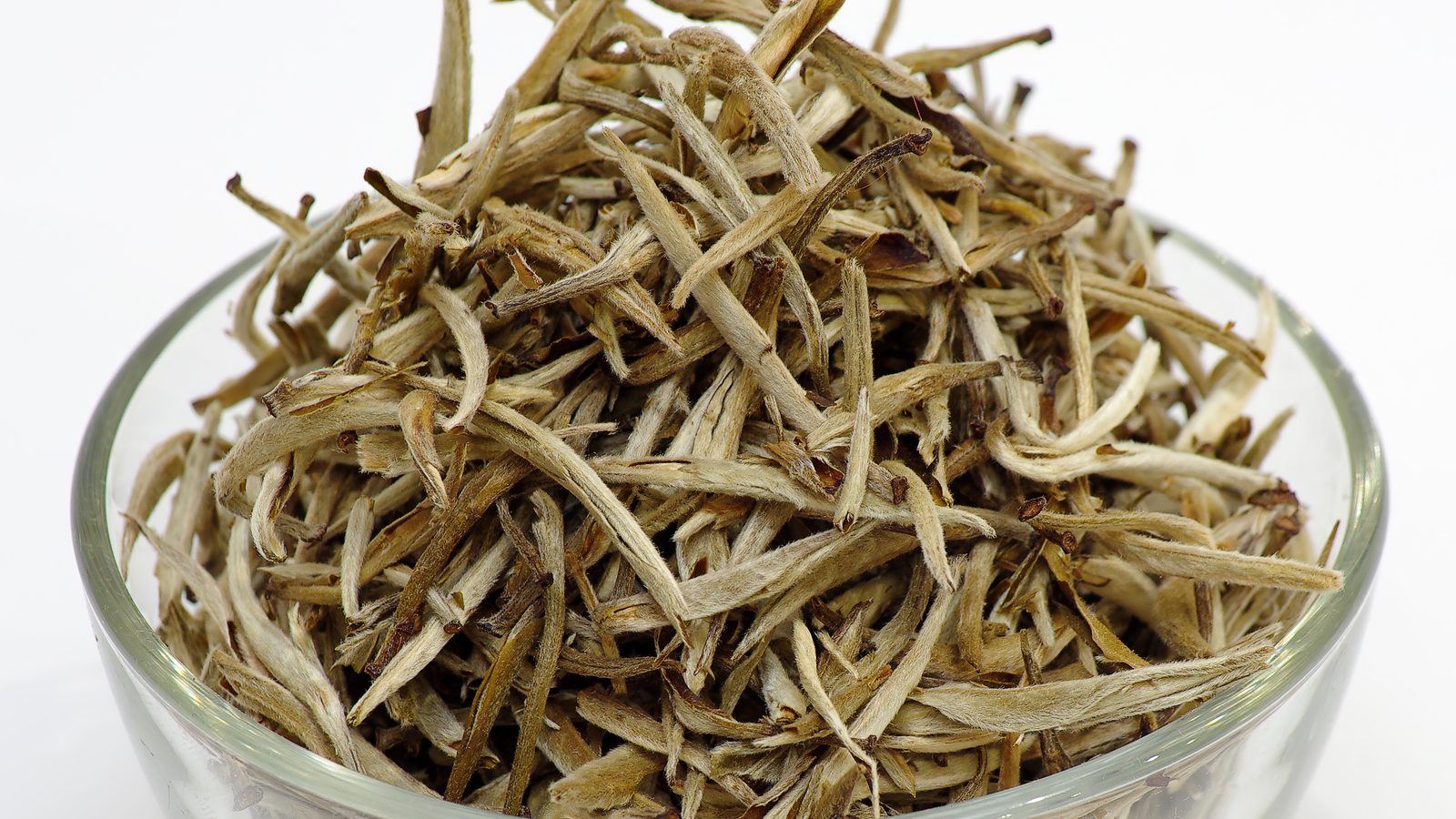
Green tea dominates: Yongchuan Xiuya is fine, tight and downy; Ba'nan Yinzhen uses single buds and a fresh aroma. Black tea and jasmine tea exist but are smaller. Tuocha is the most recognisable compressed type: bowl-shaped, orange-yellow liquor, suited to long storage and boiling. Everyday drinking is practical — large cups or gaiwan refills in teahouses — rather than the minute-by-minute gongfu choreography of southern Fujian or Chaozhou.
Industry and market
Chongqing produces a moderate volume. Yongchuan Xiuya is the core brand for the city, national gifts and tea houses; Nanchuan, Banan and Jiangjin have smaller origins. Prices range from everyday green to handmade spring tea. Chongqing is also a tea-drinking city where tea houses meet hotpot culture, with demand for tea bags and scented tea.
The cup and brewing
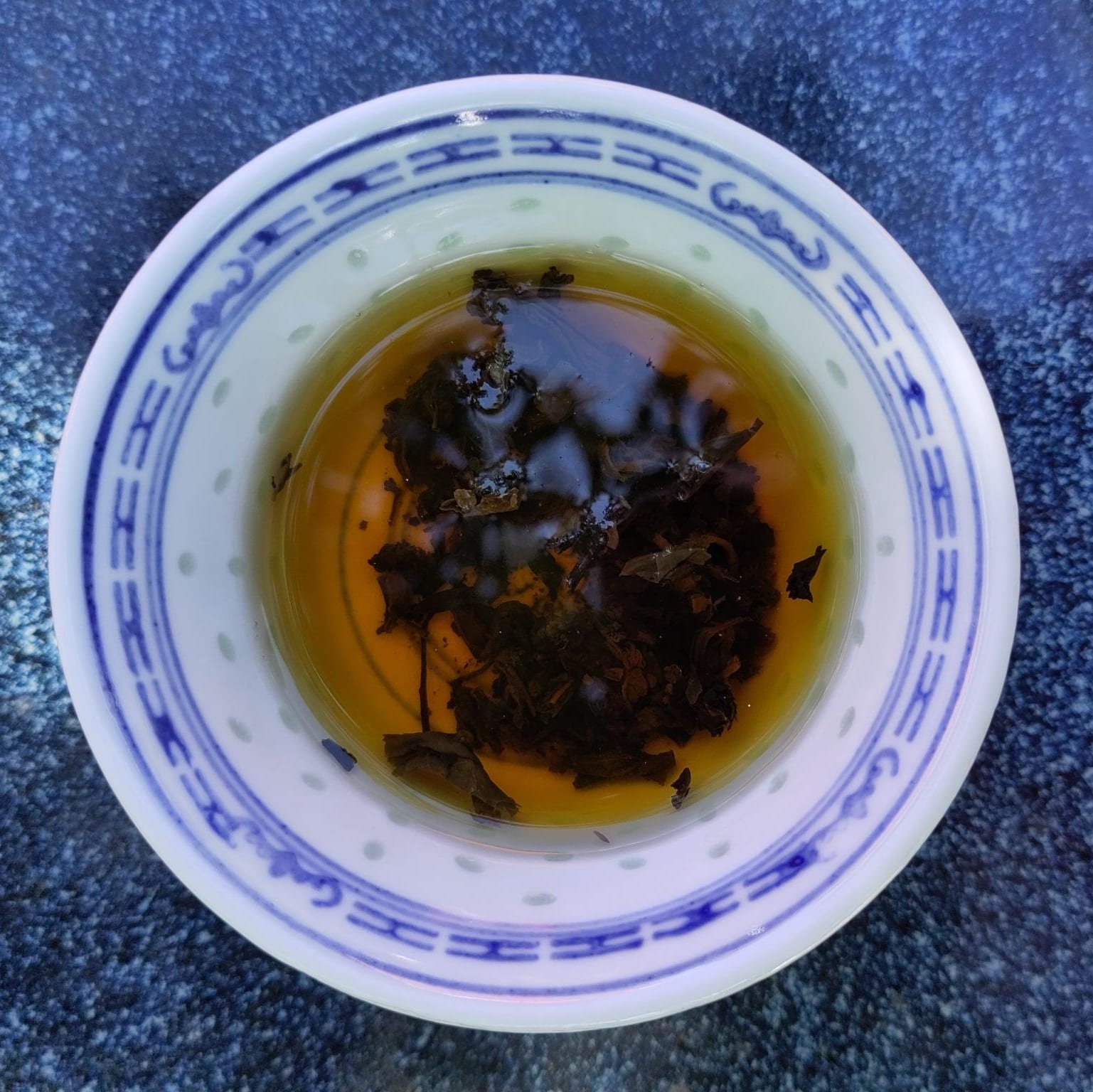
Yongchuan Xiuya is tender green, with chestnut, bean and fresh sweetness, a refreshing body. Nanchuan large-tree tea is fuller, with flower and wood; Tuo tea is stronger and suited to boiling. Brew green at 80–85°C in glass; black at about 90°C. Visit Yongchuan in March–April for Chashan Zhuhai and Xiuya gardens.
Buying and boundaries
For green tea, check pluck date, bud-leaf integrity and a named origin; do not accept “high mountain” or “old tree” without a location. For tuocha, inspect compression, mould and storage off-odours. Aged does not automatically mean better: a clean, traceable store matters more than a year count. Brew green tea at about 85°C in glass or gaiwan with quick pours; use boiling water for tuocha, rinse once, then lengthen each infusion.
Myths and boundaries
“Chongqing has hotpot, not tea” ignores the Yongchuan, Nanchuan and Banan tea sector. Chongqing has commercial gardens and famous green tea, but brands are fragmented and international visibility low. Nor is it an appendage of Sichuan tea: Bayu tea has its own style.
Teas in this region
No independent tea entry from this area has passed the public gate yet. Start with the six tea families, then return to the tea catalogue and filter by region.
Further reading
Source boundary
Chongqing is administratively large, but its contiguous tea gardens sit in a few districts and counties. “Chongqing” is not a single quality label. Tuocha history and recipes differ by factory and period; this page stays at the level of region and category.
