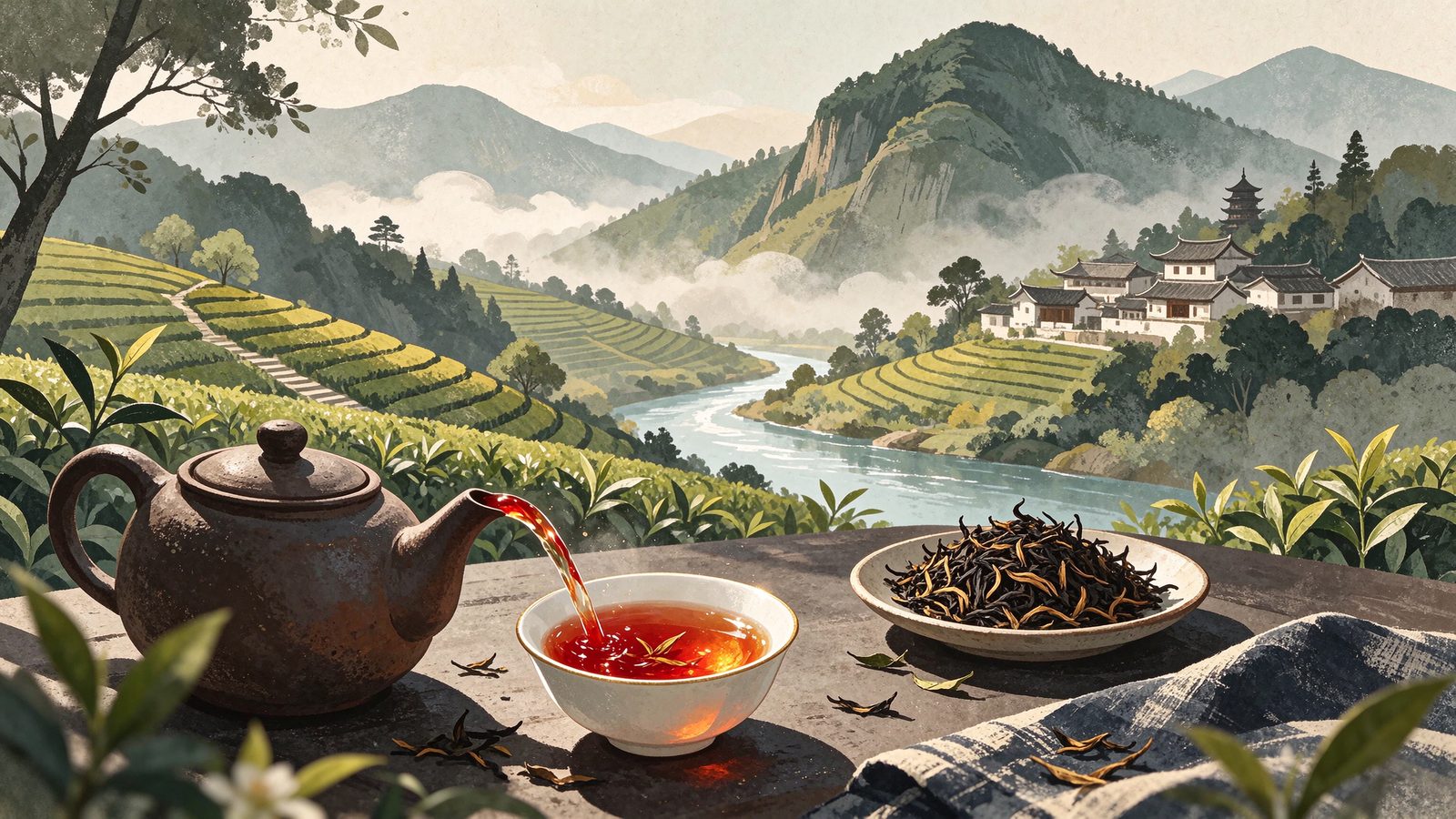
Zunyi Hong is a gongfu black tea from the Zunyi area of Guizhou and the black-tea member of Guizhou's “three greens and one red” brand group. The name is not a generic term for every black tea in Zunyi. It has a protected origin, a provincial standard and a defined sensory profile: “tender sweet aroma, fresh brisk taste.”
Origin and identity
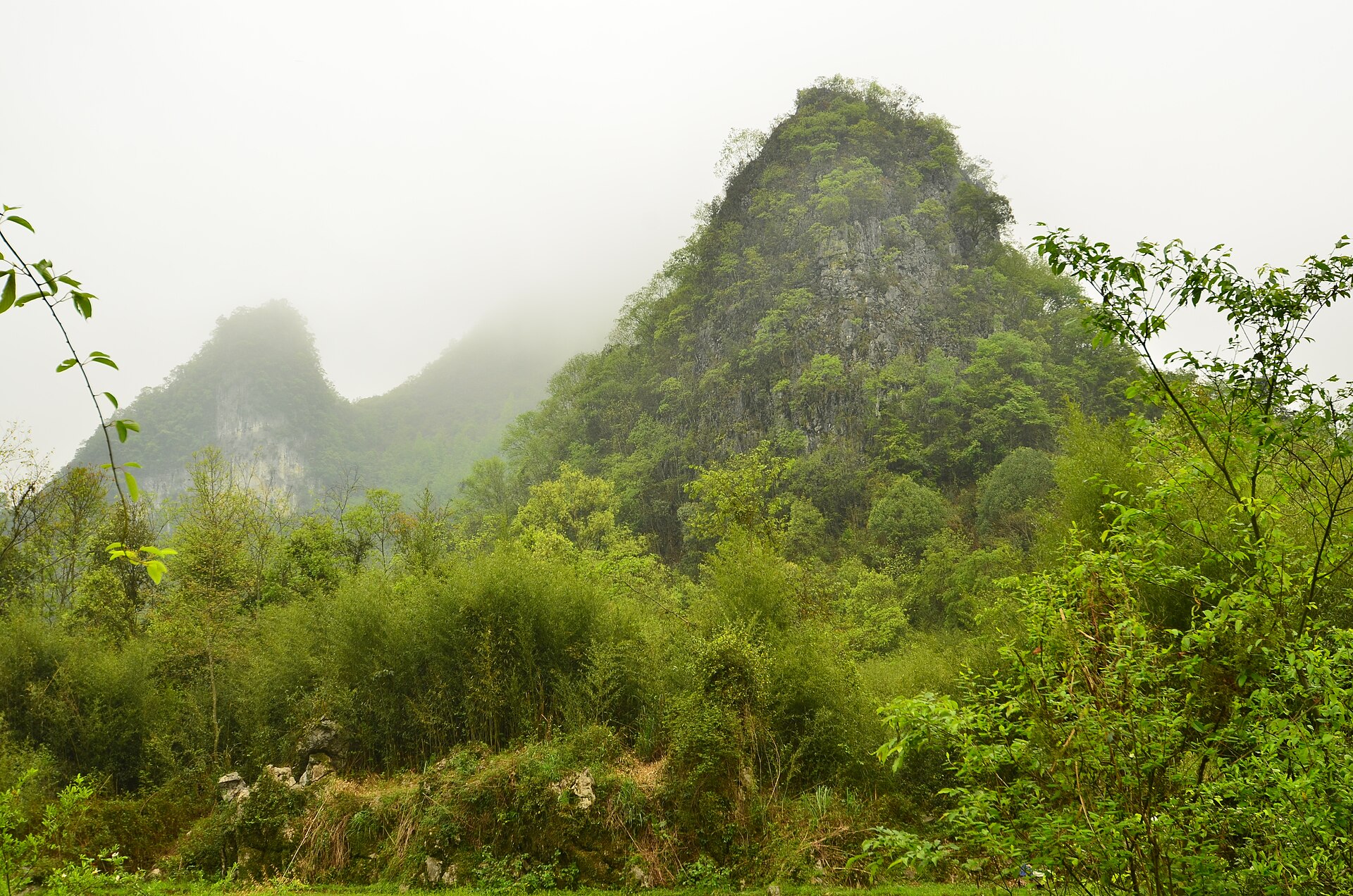
The protected area covers Meitan, Fenggang, Yuqing, Zheng'an, Daozhen, Wuchuan and Xishui in Zunyi. The core Meitan area sits around 920 m, with an annual mean near 15°C, more than 1,100 mm of rain, about 284 frost-free days and roughly 66% forest cover. The standard requires 700–1,600 m, yellow or yellow-brown soil, pH 4.5–6.5, at least 1.0% organic matter and a soil layer of at least 50 cm.
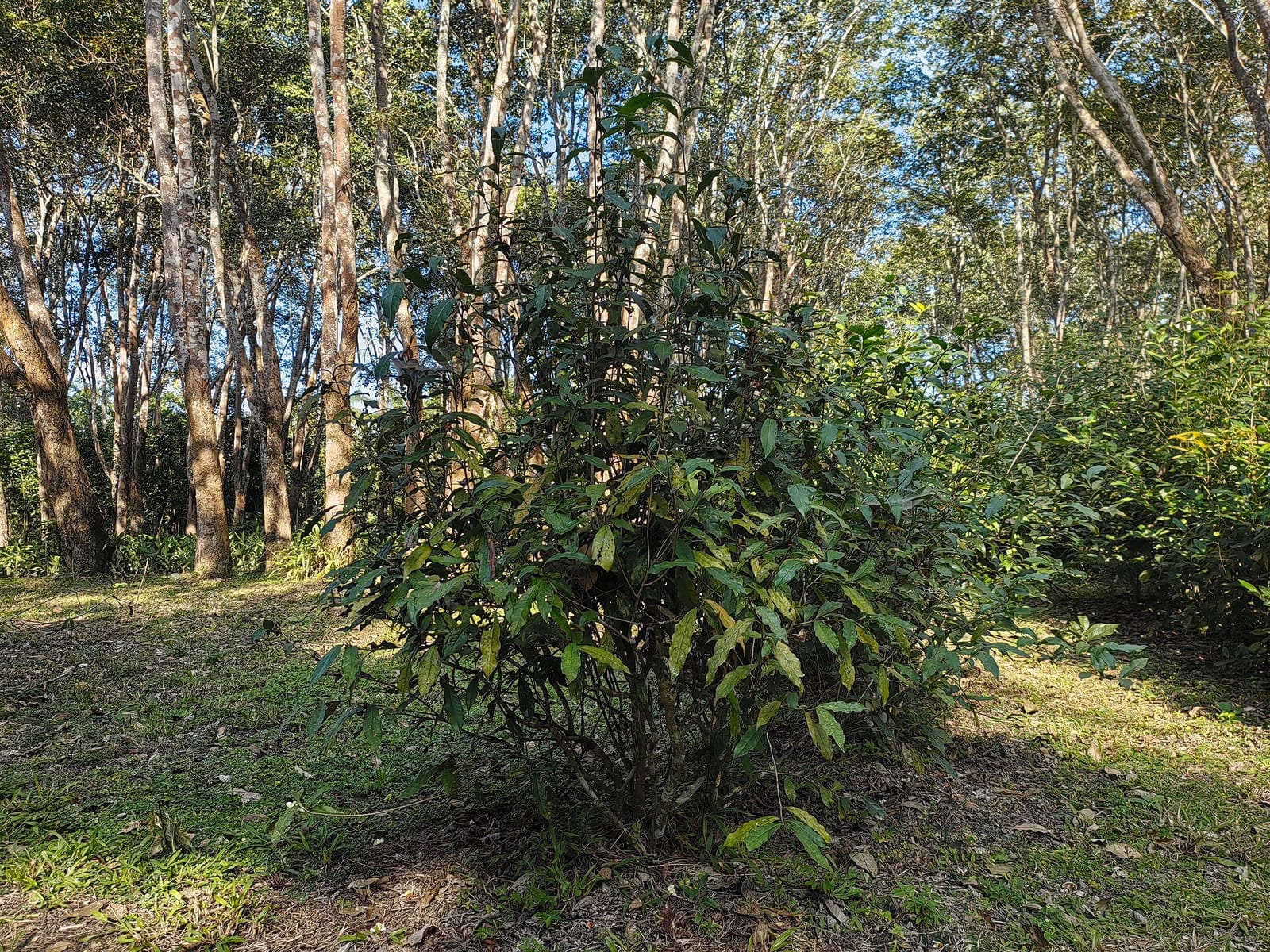
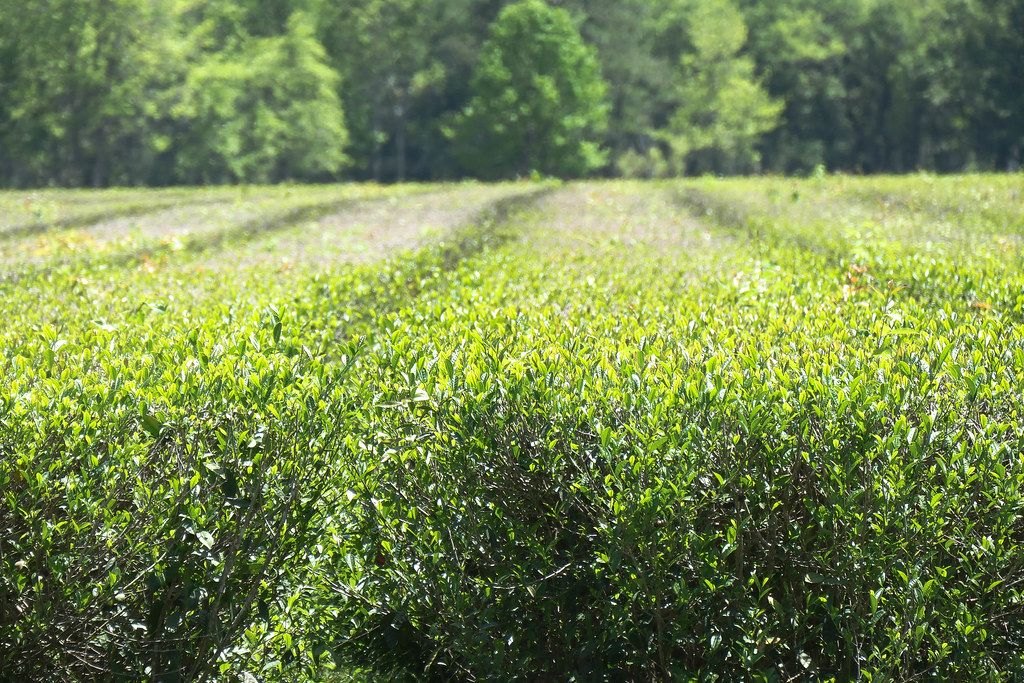
It is a black tea. The standard defines it as a black tea made from suitable cultivars such as the Qianmei series in Zunyi and similar nearby areas, processed to no more than 6% moisture, with a “tender sweet aroma and fresh brisk taste.” Products are divided by shape into curly, granular and straight-strip types, each with three grades.
History
Local sources trace black-tea making in Meitan to the late Ming and early Qing. In 1652, a retired official living near Damiaochang was recorded making black tea from nearby leaves; this is treated as the early form of the local craft. In the Qianlong period a farmer named Chen Tianlu opened tea gardens and sold black tea; in the Tongzhi period the Yang family continued the trade; in the early Republic, Yang Xiucai sold it in Zunyi. These are local historical accounts and the full lineage still needs archival checking, but they show a continuous black-tea tradition.
The modern turning point came in 1939–1940. The National Agricultural Experiment Station set up a tea station in Meitan in 1939; Zhejiang University moved inland in 1940. In April 1940 the station produced “Meihong,” an important modern gongfu black tea and the predecessor of Zunyi Hong. After 1949 the local industry passed through Qianhong, Meitan black tea and “China black tea” stages before settling on Zunyi Hong. It joined Guizhou's “three greens and one red” list in 2014; the craft entered provincial intangible heritage in 2015; geographical indication protection followed in 2017.
Craft and quality
The standard flow is withering, rolling, fermentation, drying and shaping, then aroma lifting. For the top grade: wither 3–8 cm thick for 14–16 hours; roll until more than 90% of leaf is in strips; ferment 8–12 cm thick at 26–33°C for 3–5 hours; first drying at 110–120°C to below 20% moisture; second drying at 100–110°C to below 12%; aroma lift at 80–120°C for 15–30 minutes to below 6%. Traditional accounts single out “turning the leaf” during withering and “high-temperature red fixing” after fermentation as local signatures.
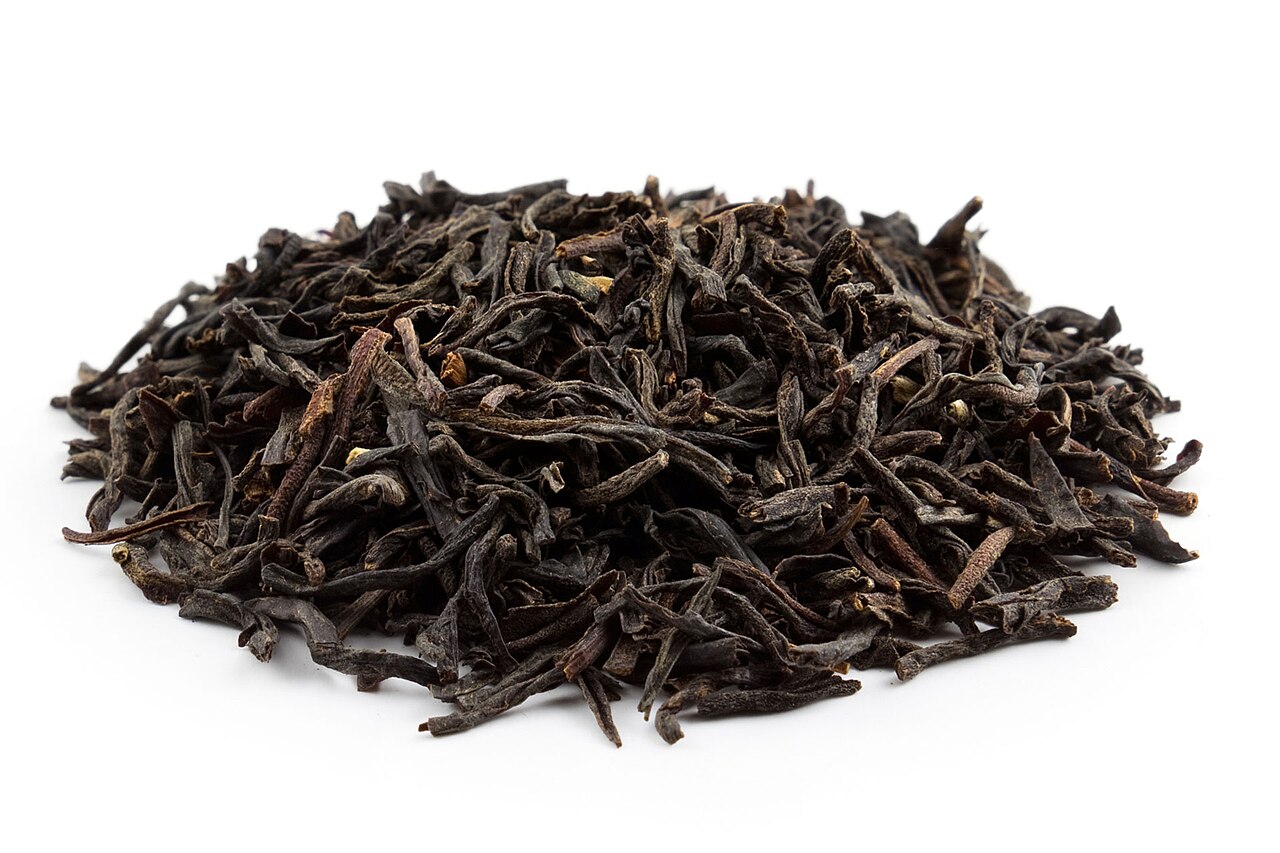
The curly top grade is tight, fine, brown and oily with golden tips; the liquor is bright red; the aroma is high sweet and lasting; the taste is fresh, brisk and mellow; the infused leaf is tender, even and red-bright. The granular type is round, heavy and even; the straight type is tight, upright and golden-tipped. All share a tender-sweet, fresh profile rather than the strong, malty punch of a CTC tea. Top-grade water extract is at least 34%, falling to 32% and 30% for lower grades, so concentration alone is not the target.
Brewing and boundaries
Use a porcelain gaiwan or teapot at 90–95°C, 4–5 g to 150 ml. Pour the first infusion after 8–10 seconds and add 3–5 seconds per round. The sweet aroma and freshness are strongest in the first three infusions; long steeping brings acidity and astringency. Drink it plain to taste the standard profile; milk and sugar are possible but mask the “fresh brisk” note. For milk tea, use 5 g, 95°C and a 3-minute steep rather than the short first infusion.
Check the GI and origin, whether the shape matches the declared curly, granular or straight type, and whether the aroma is naturally sweet. “World's only” or “only compressed” claims do not apply here. Golden tips are a sign of cultivar and tenderness, not the only grade marker.