Yibin Chuanhong Gongfu is a gongfu black tea from Yibin and Junlian in southern Sichuan. It is usually shortened to “Chuanhong.” The relationship between Chuanhong and Yibin is like the relationship between Longjing and West Lake Longjing: Chuanhong is the regional black-tea brand, Yibin and Junlian are core producing areas, and Chuanhong Gongfu is a defined product with a geographical indication and a processing standard. Not every Sichuan black tea can use the name.
Origin and identity
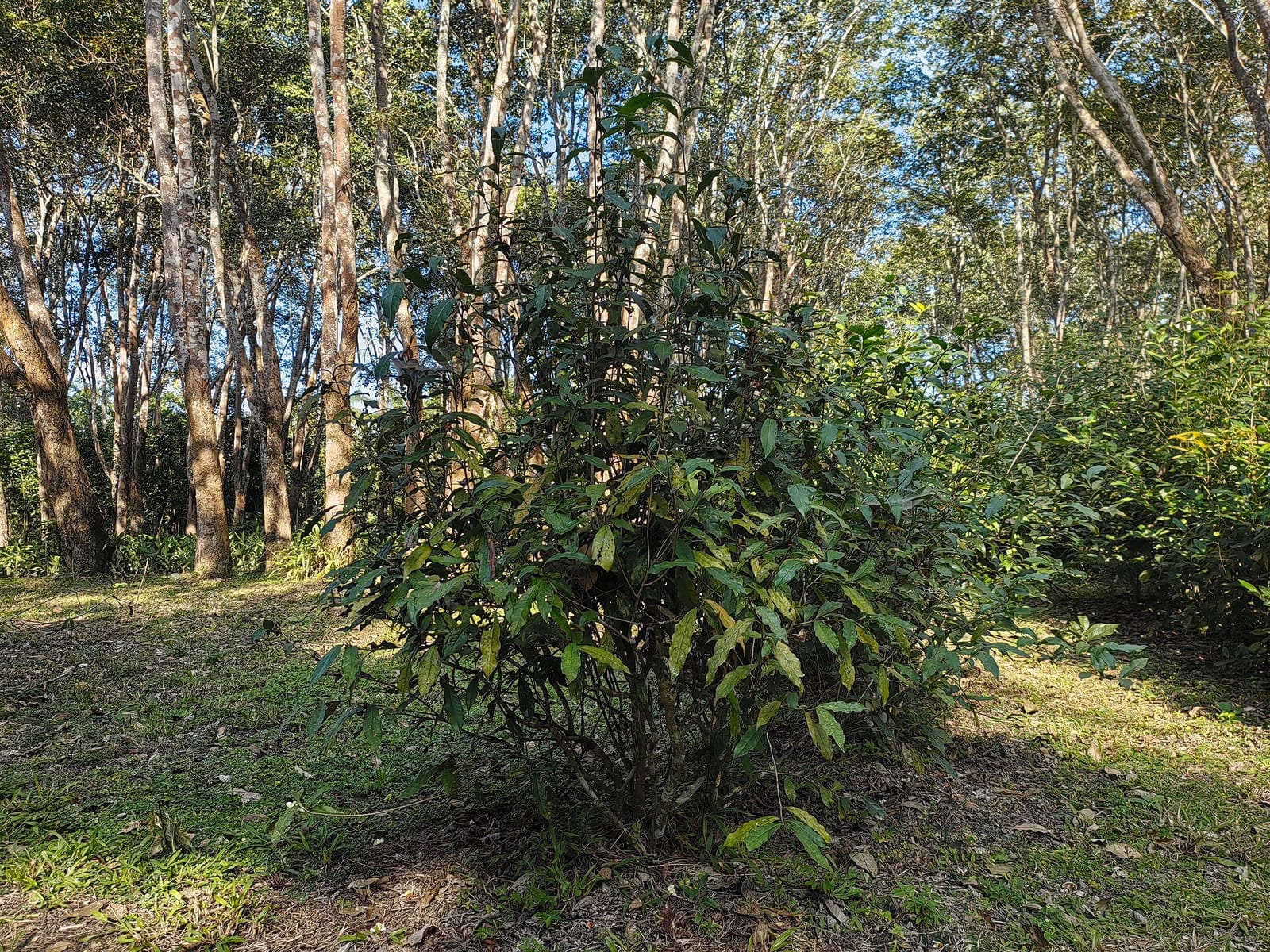
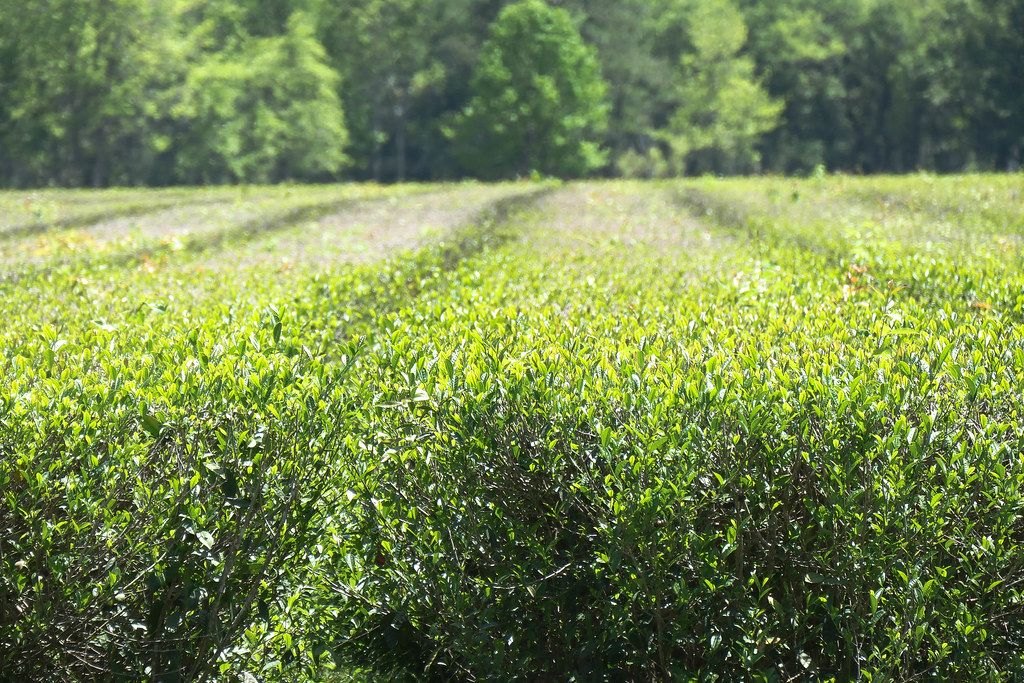
The core is Yibin, especially Junlian County. Junlian sits where southern Sichuan meets northeastern Yunnan and is officially called the “home of Chuanhong” and “Sichuan's No.1 black-tea county.” In 2023 it had 300,000 mu of tea gardens, 22,400 tonnes of dry tea, including 8,503 tonnes of black tea — the highest black-tea output in Sichuan — and 3 billion yuan of black-tea output value. In 2021 Yibin's Chuanhong Gongfu output reached 16,900 tonnes, 93.1% of Sichuan's black tea. These are industry figures, not a single shop's sales.
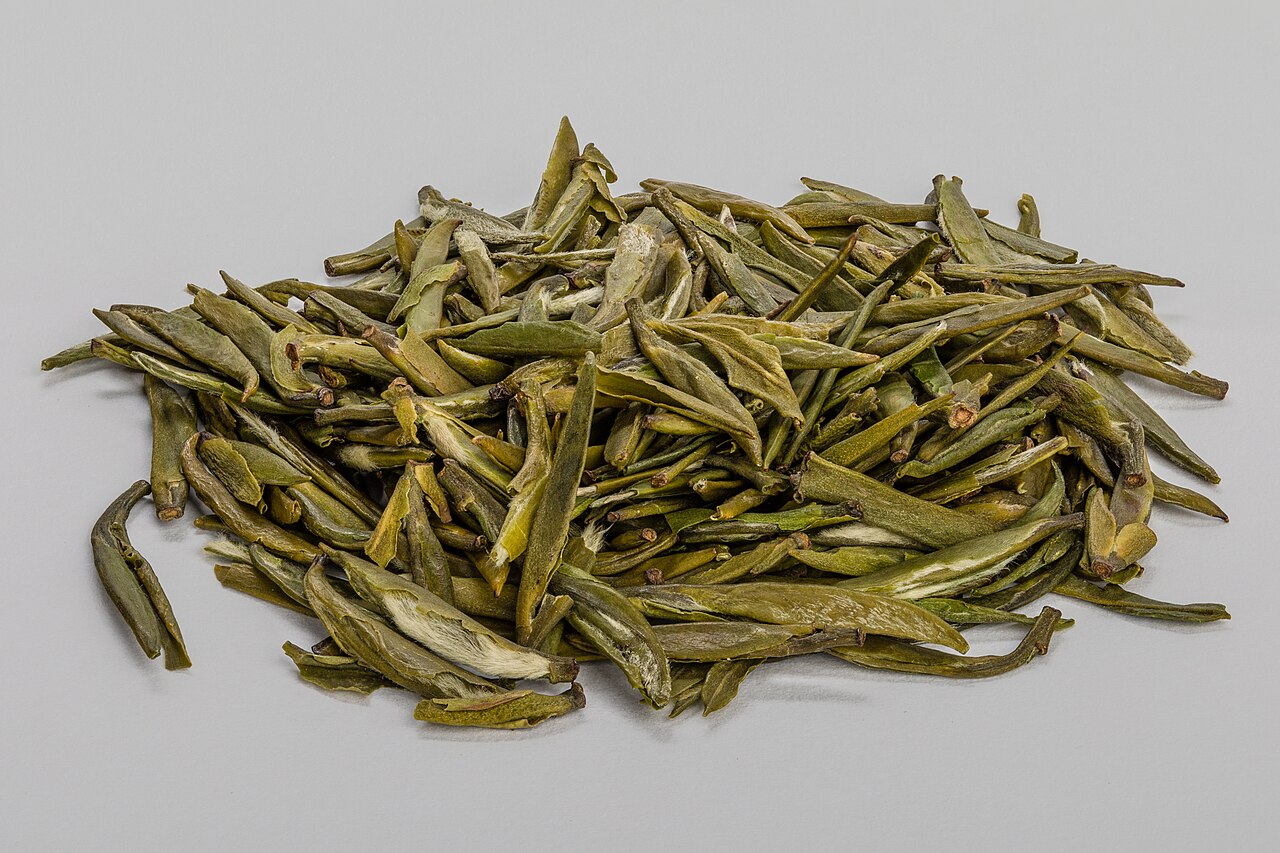
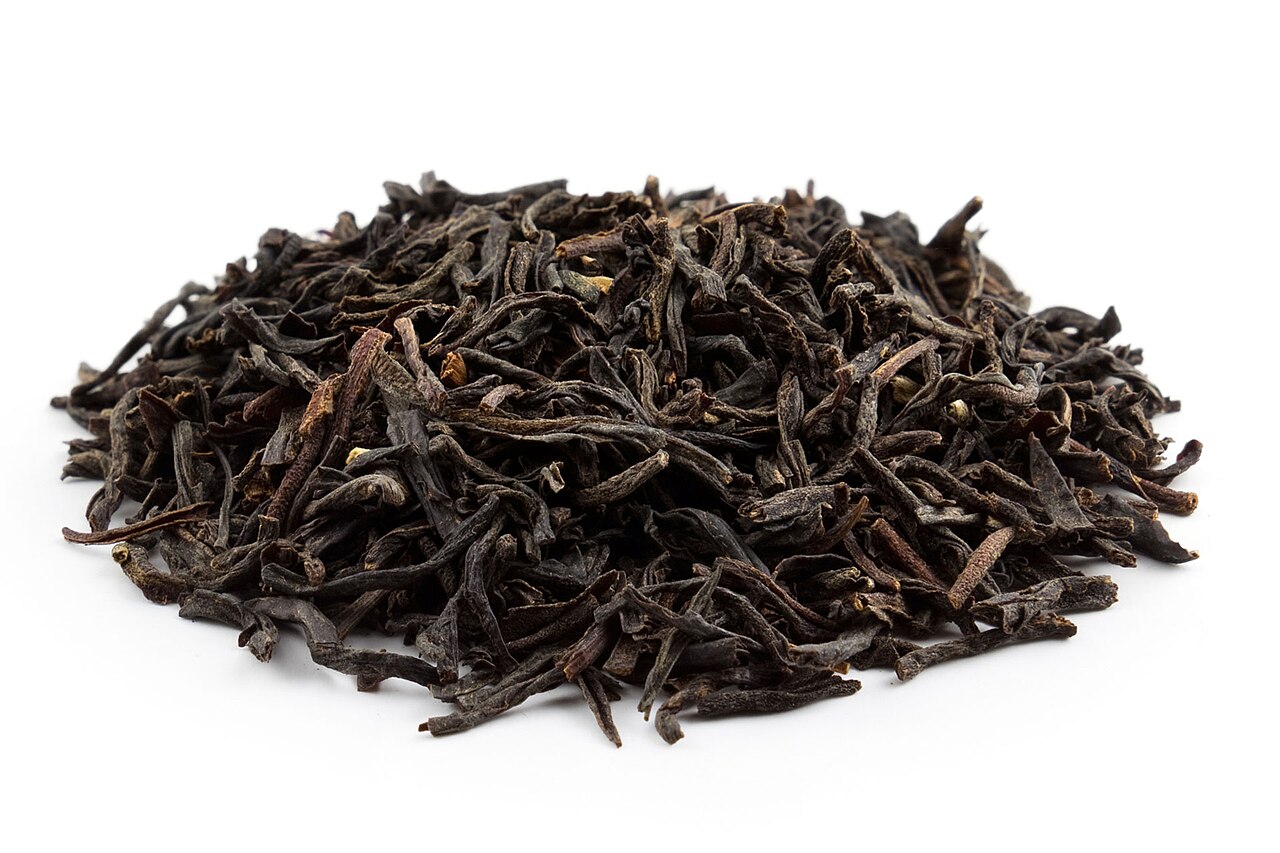
Chuanhong Gongfu is a gongfu black tea, not a broken or CTC tea. Gongfu tea emphasises whole strips, elegant shape, layered aroma and multiple infusions; CTC emphasises strength, fast extraction and milk compatibility. Chuanhong is tight and fine, dark glossy with golden tips, sweet-scented, mellow, bright red in the cup and even in the infused leaf. The Sichuan Agriculture Department describes it, together with Anhui Qihong and Yunnan Dianhong, as one of China's three great gongfu black teas. That is an official industry narrative, not a quality ranking.
History
Tea in Yibin and Junlian is traced locally to the Qin and Han periods, and Junlian was already a major Sichuan tea area in the Tang. The modern turning point came in 1951, when the first Chuanhong Gongfu technical extension station was set up in Junlian and systematic withering, rolling, fermentation and drying methods were spread across southern Sichuan. In 1959 Junlian's “Golden White Dew” was presented for the tenth anniversary of the PRC; in 1985 Junlian gongfu black tea won gold at the 24th Lisbon International Exposition. These dates come from the Yibin government's interview with the Junlian county head and are local official narratives.
The modern industry accelerated after 2014. Sichuan's provincial government made the Yibin-centred southern tea area the concentrated Chuanhong development zone and listed Chuanhong as one of the province's key differentiated tea products. A 2022 policy pushed specialised cultivars, standardised gardens, process upgrading and a regional public brand. In 2023 the provincial agriculture department led a provincial technical regulation for refined Sichuan Chuanhong Gongfu processing. In 2026 the geographical indication certification mark continued to be licensed to qualified producers, showing that brand management has moved into trademark authorisation.
Craft and quality
The flow is classic gongfu black tea: fresh leaf, withering, rolling, fermentation, drying and refining. Withering removes part of the water and makes the leaf pliable; rolling breaks cells, releases juice and starts the strip shape; fermentation is the oxidation core that sets colour and aroma; drying fixes quality and lowers moisture; refining sifts, sorts and blends into commercial grades.
Chuanhong is not “the darker and stronger the better.” The top grade is tight, fine, dark glossy and golden-tipped; the liquor is bright red; the aroma is sweet, rich and lasting; the taste is mellow, fresh and full; the infused leaf is tender, even and red-bright. Its sweetness is closer to honey, malt and fruit than to a simple sugar note. Brew at 90–95°C, 4 g to 150 ml in a gaiwan, 8–10 seconds for the first infusion and 10–15 seconds for the second. It is moderately durable, and later infusions can sit a little longer.
Buying and boundaries
First check origin and trademark authorisation. Yibin and Junlian are core areas, but “Yibin black tea” is not automatically “Chuanhong Gongfu,” and “Chuanhong” is not every Sichuan black tea. Second, look at shape and aroma: tight, dark, naturally golden-tipped and clean-sweet is positive; coarse, smoky or saccharine is negative. Third, golden tips are a sign of cultivar and tenderness, not the only grade. Fourth, Chuanhong works plain and in milk tea, but milk tea needs more leaf and a longer steep, not the short first infusion.
It does not suit long hot steeping or boiling water poured directly on tender buds. “Home of Chuanhong” is a regional narrative, not proof that every Yibin black tea reaches the top grade.