
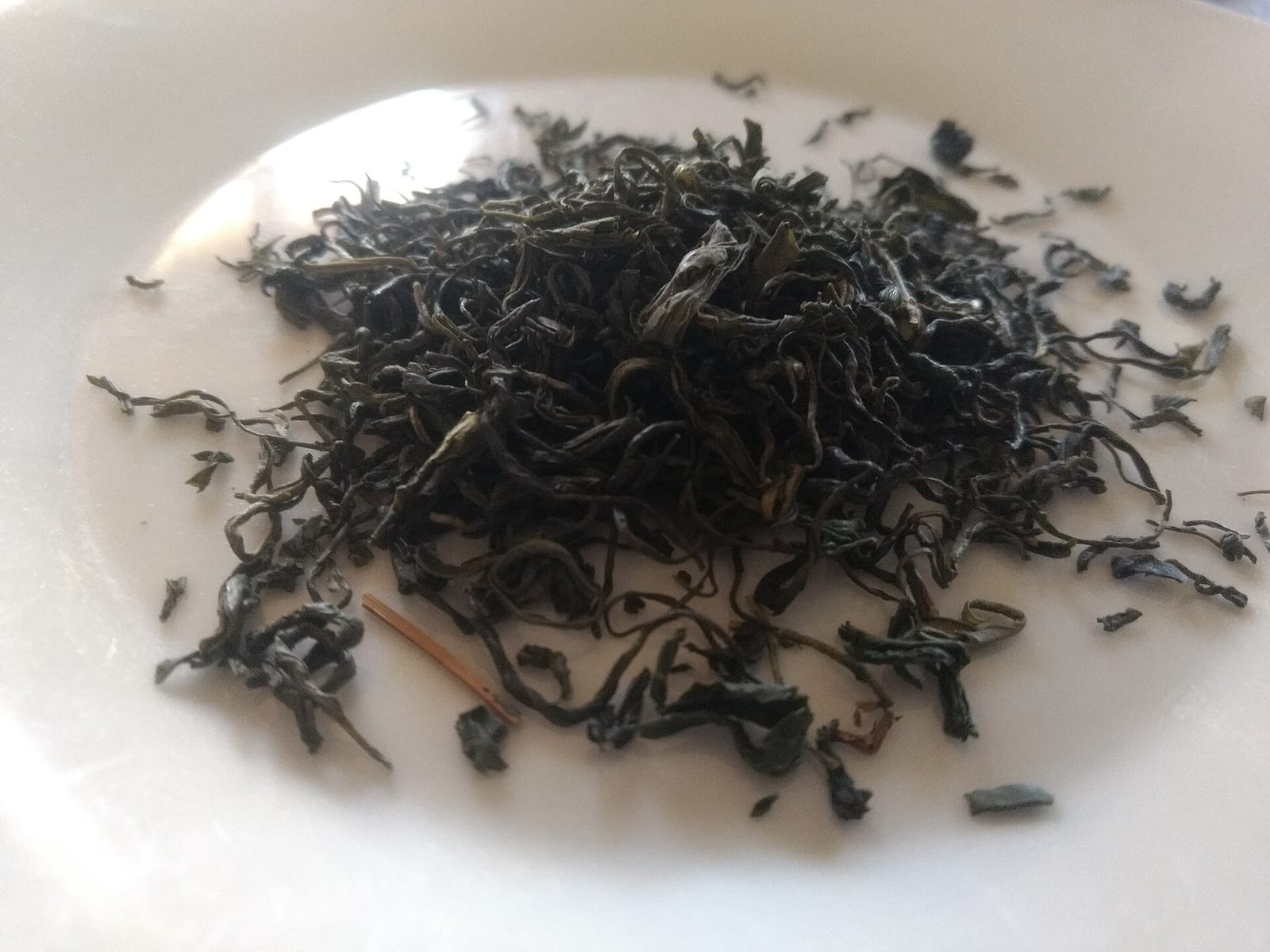
Henan is a major northern green-tea region, where Xinyang Maojian and Xinyang black tea bottle the spring of the Dabie Mountains' northern slope.
The short answer
Henan's tea area is concentrated in Xinyang, with smaller pockets in Nanyang and Zhumadian. Xinyang is one of China's northernmost premium green-tea regions: Xinyang Maojian is fine, round, glossy, straight and downy; Xinyang black tea was developed in the 2010s from local leaf. Read Henan through the late spring, strong body and brand concentration of a northern-edge region.
Geography and growing conditions
Xinyang sits on the upper Huai River, north of the Dabie Mountains. Gardens mostly lie at 300–800 metres. Mean temperature and rainfall are lower than Jiangnan, spring warms slowly and picking centres on mid-to-late April. The diurnal range and short growing season in a northern region build more inner matter, so the body often feels thicker than southern green tea of the same grade; winter freeze, spring drought and late cold snaps remain risks.
Terroir and craft
Henan tea is concentrated in Xinyang, Nanyang and Zhumadian, with Xinyang as the core, at roughly 300–800 metres. Local populations, Fuding and Longjing 43 are planted. Green tea dominates: Xinyang Maojian is a fine needle, while Nanyang and Zhumadian also make small black and white lots. A short northern spring narrows the picking window, and fixation and shaping decide aroma.
History and industry
Xinyang tea was recorded in the Tang and listed as tribute in the Song. The modern Maojian process took shape in the late Qing and early Republic; the 1915 Panama Exposition award story is widely repeated. In the second half of the twentieth century, Maojian became Henan's tea calling card. Around 2010, Xinyang black tea used summer and autumn leaf to diversify away from a spring-only product structure.
Tea types and everyday drinking
Xinyang Maojian is a curled green tea: tight, downy, high aroma and tender-green liquor. Xinyang black tea is tightly rolled with sweet, fruity notes and a direct body. Henan also has small amounts of white, dark and flower tea, but far less recognised. Local drinking is mostly plain: Maojian in glass or gaiwan, with water cool enough not to cook the tender buds.
Industry and market
Henan’s tea volume is modest. Xinyang Maojian is the dominant brand, sold across the province, to Beijing and as national gifts. Smaller origins in Nanyang and Zhumadian have weak brands, and prices range from everyday green tea to handmade core lots. Henan is also a large tea-drinking province with steady demand for tea bags and scented tea.
The cup and brewing
Henan green tea is tender green, with chestnut, bean and fresh sweetness, a refreshing body and light astringency. Xinyang Maojian is a fine needle; Nanyang tea is plainer. Brew at 80–85°C in glass, rinsing first; black tea at about 90°C. Visit Xinyang in April–May, or the Funiu and Tongbai hills in Nanyang and Zhumadian.
Buying and boundaries
For Maojian, check pluck date (pre-Qingming or pre-Grain Rain), bud-leaf grade, township and cold storage. Tea that is unnaturally green, smells of raw grass and tastes hollow may be under-fixed or over-tender. For Xinyang black tea, check even fermentation and absence of sourness. Brew Maojian at 80–85°C, adding tea after water or mid-way, with quick pours; brew black tea at about 90°C.
Myths and boundaries
“Henan only has Xinyang Maojian” ignores smaller Nanyang and Zhumadian origins and black/white trials. Green tea dominates, but Xinyang is not the only area. Nor is “northern tea” automatically strong and astringent: high-latitude spring leaf is often fresh.
Beyond Xinyang
Henan tea is concentrated in the Dabie and Tongbai mountains south of Xinyang, with Xinyang Maojian at the centre; Gushi, Shangcheng, Guangshan and Luoshan also make green tea, while Tongbai and Biyang trial black and white tea. The latitude is northern and spring arrives late, so picking starts in mid-April. Winter freezing and spring drought are the main risks, and gardens sit on sunny slopes at 300–800 m.
Teas in this region
Further reading
Source boundary
Not all Henan grows tea; outside Xinyang the area is small. Xinyang Maojian has a geographical indication and grade system, but blended outside leaf is common in the market. The 1915 award story has variants; this page stays at region and category level.

