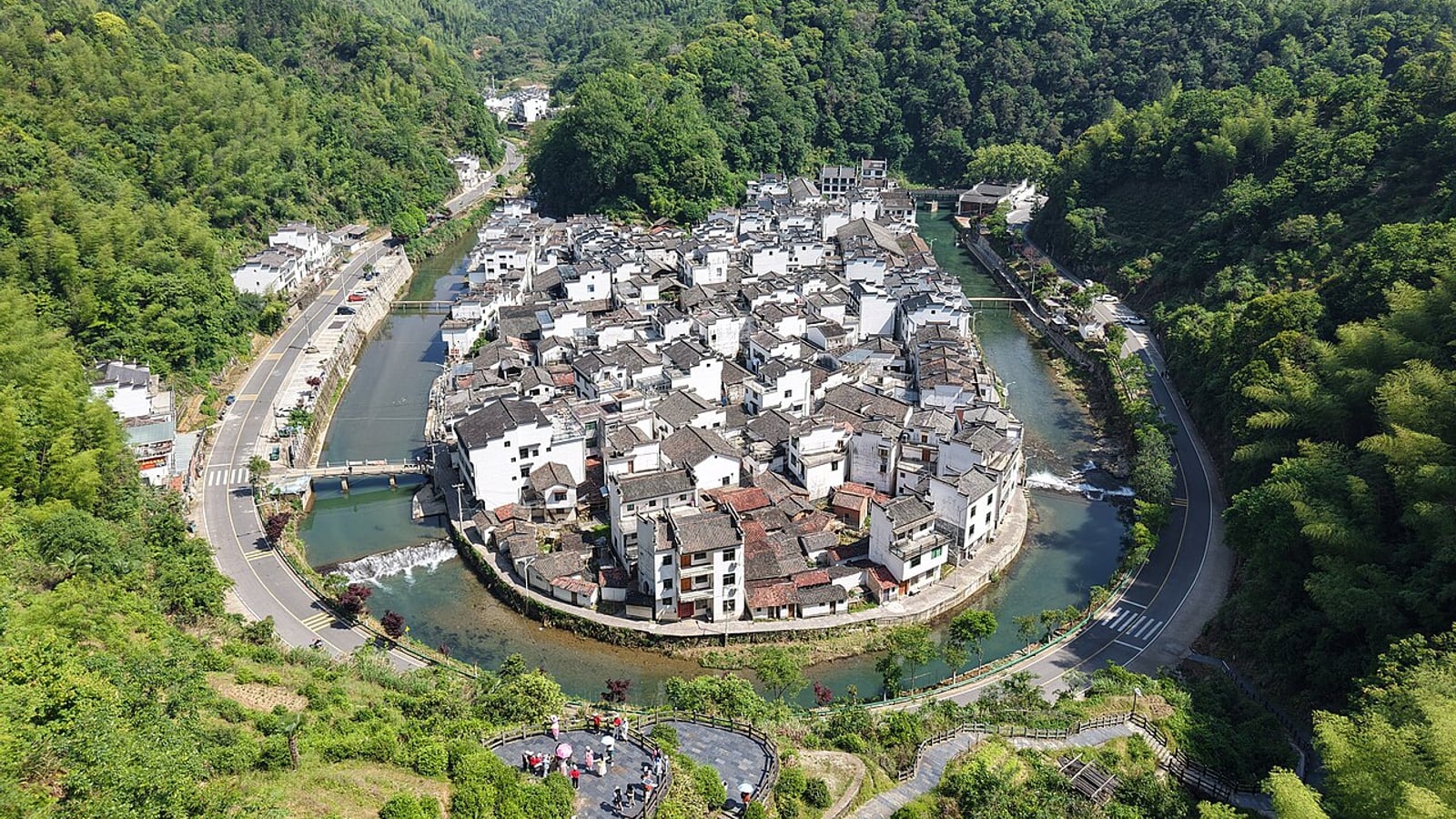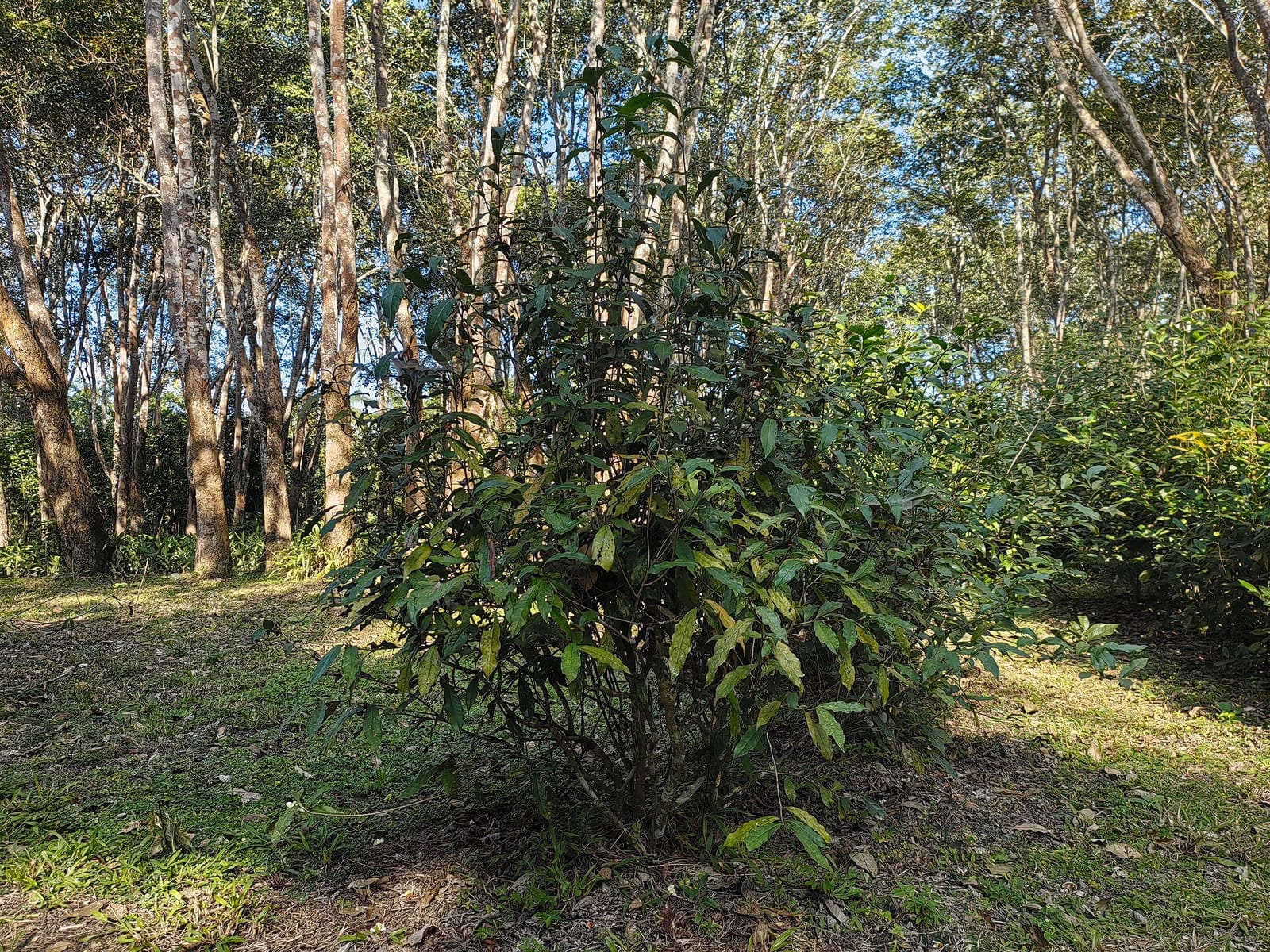
Gougulao is a strip-shaped green tea from Tanghu town in Suichuan, Jiangxi, named after Gougulao Mountain. It is a protected local tea with a defined origin, a distinctive “double fixing, double rolling” craft and a century-long award narrative. It is not a generic name for green tea from Jiangxi.
Origin and identity
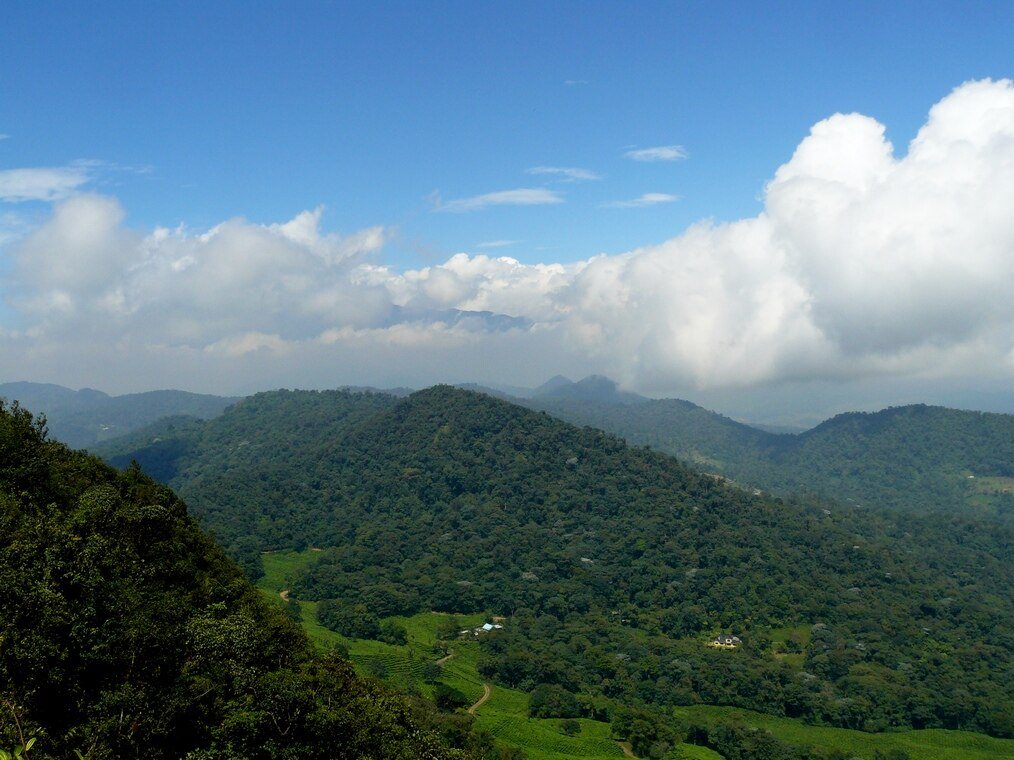
The core is Tanghu town in Suichuan County, Ji'an, at the southern foot of the Luoxiao Mountains. The area is mild, wet, cloudy and diffused-light, with forest cover around 78.9%. Official descriptions sum up the tea as tight in shape, tender green in color, clean in aroma, bright in liquor, sweet-mellow in taste and lively in infused leaf. It is a green tea, not a black tea, and not the “tea base” of Hakka lei cha.
The county industry is substantial. A 2025 Suichuan government page gives 282,000 mu of tea gardens, 8,700 tonnes a year and 2.17 billion yuan output value, with more than 60 tea companies, 27 sharing the Gougulao brand, and more than 130 cooperatives. These are county-level figures, not a single factory's output, and they do not translate directly into retail price.
History
There are two layers to the history. The first is a local tea tradition shaped by the tea-salt road and river transport. The second is the brand story: in the Jiaqing period (1796–1820), a timber merchant named Liang Weiyi lost his raft in a flood, was taken in by a Nanjing tea merchant named Yang, married Yang's daughter, returned to Gougulao Mountain and opened tea gardens. The couple developed the double fixing and double rolling method, which the Liang family passed down. This is a local oral history published by the county; family genealogies and archives could still refine the details.
In 1915, a local gentry member sent Gougulao tea to the Panama-Pacific International Exposition in San Francisco, where it won gold. It later won gold at Expo 2010 Shanghai and the 2015 Milan Expo. It received original-place product protection in 2004; the trademark was named a Chinese Time-honored Brand in 2011 and the craft entered Jiangxi's provincial intangible heritage list in 2011; it became a China Famous Trademark in 2013. A 1943 story about a fifth-generation maker stamping his wrapper to prevent fakes shows how early branding began.
Craft and quality
The key is not the mountain name but “double fixing, double rolling.” The first fixing stops oxidation and removes green notes; the first rolling starts shaping; a second fixing and second rolling tighten the strip, fix the shape and build a sweeter, mellower liquor. Compared with a standard one-fix, one-roll green tea, this method leaves less margin for error: under-fixing leaves red stems, over-fixing scorches the edge; over-rolling breaks the leaf, under-rolling leaves it loose.
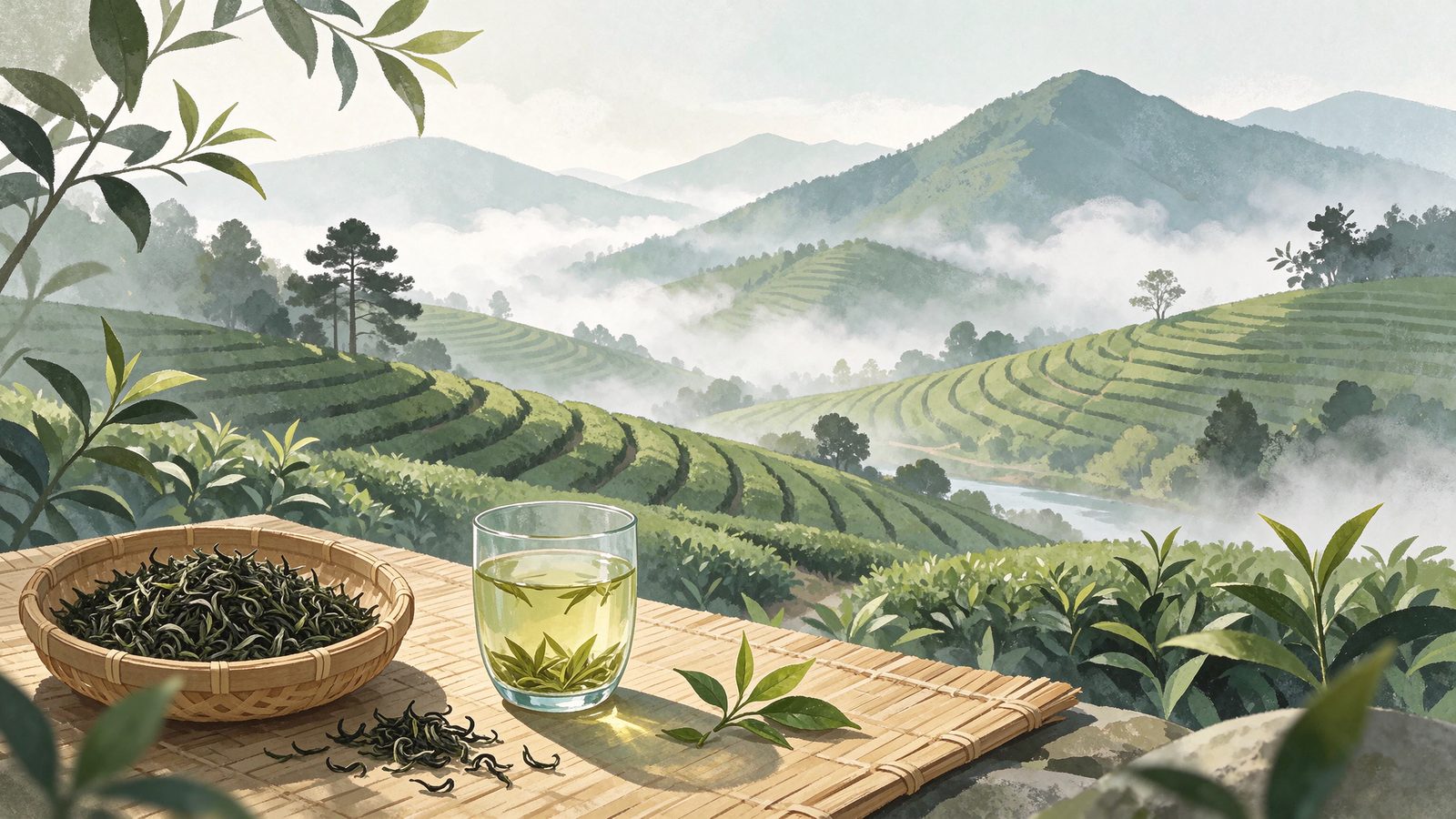
The finished tea is tight, tender green, clean-aromatic, bright and sweet-mellow, with a lively infused leaf. It is not a high-fire aromatic tea or a bitter, powerful tea. Brew at 80–85°C, 3 g to 150 ml in a glass or porcelain gaiwan, about one minute for the first infusion and 40–60 seconds for the second. Boiling water flattens the clean aroma and pulls out astringency.
Buying and boundaries
Check origin, picking date and strip shape. The leaf should be tight but not broken into dust; the color should be tender green but not unnaturally neon; the aroma should be clean, not perfume-like. The century of gold medals is a historical honor, not proof that every lot reaches that level. “Tribute tea” is a historical narrative, not a modern quality standard. Drink it plain; milk and sugar bury the clean aroma and do not suit its green-tea identity.