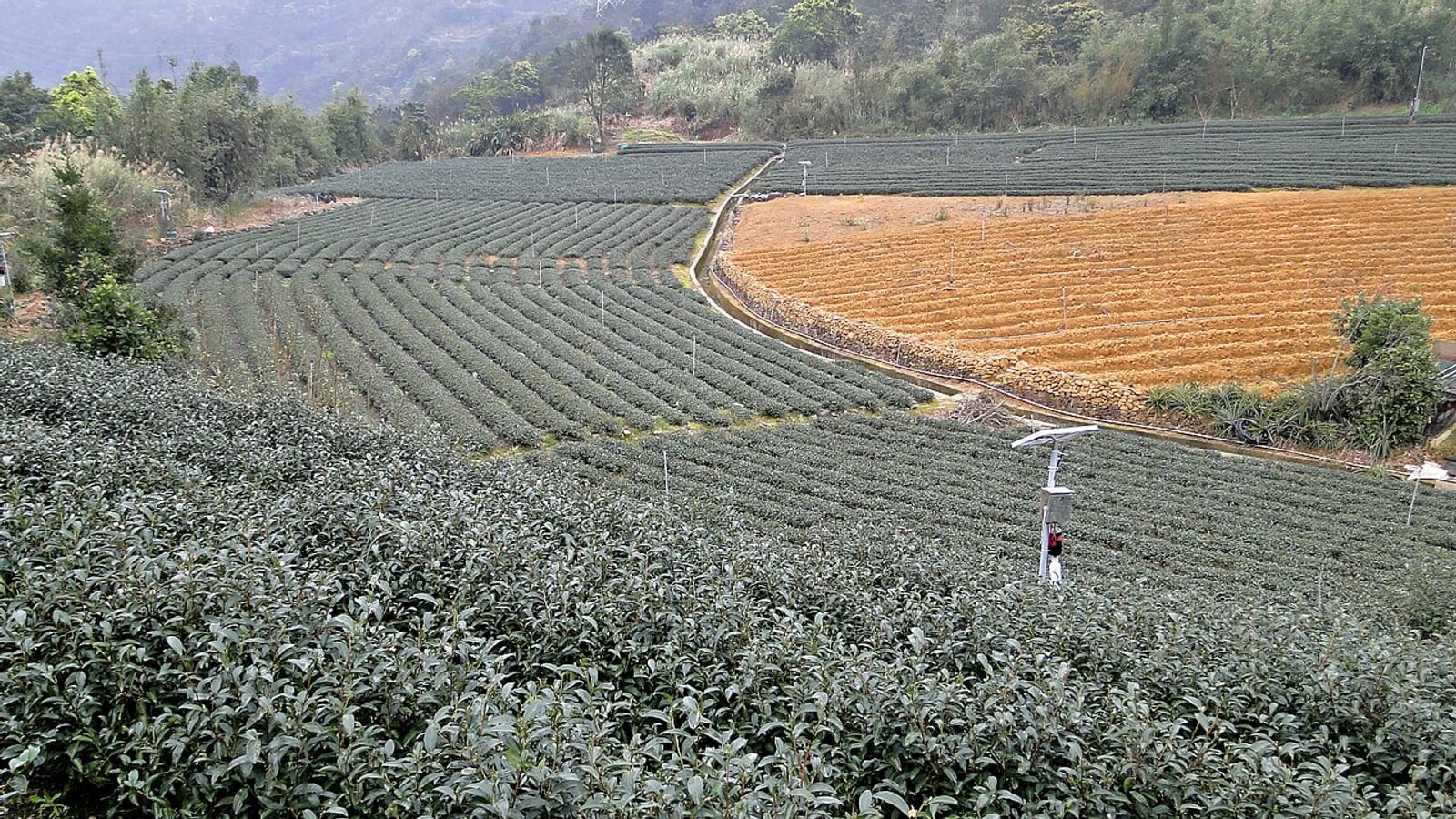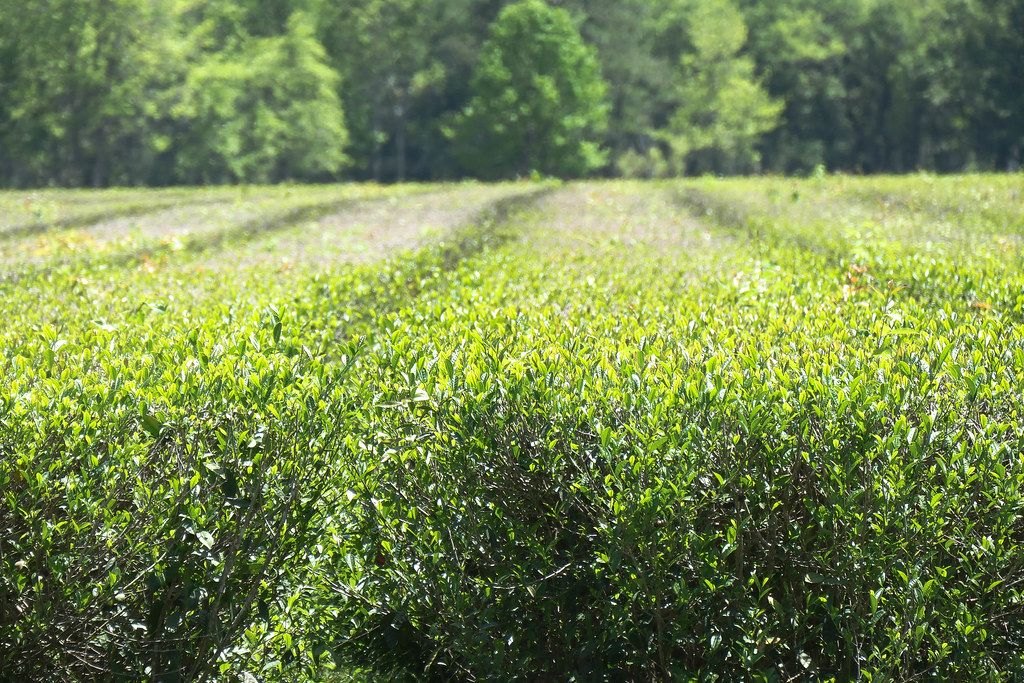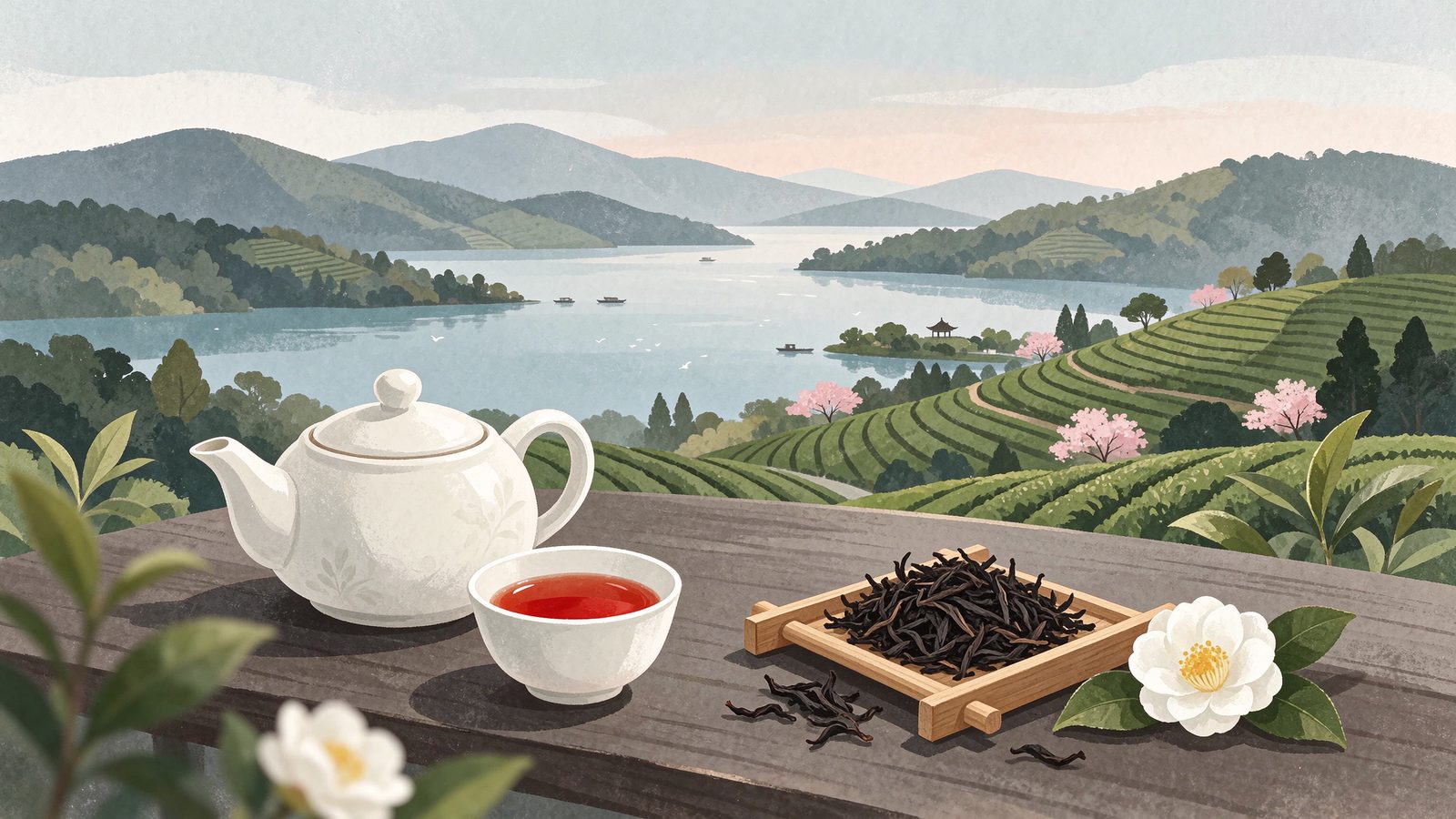
Riyuetan black tea is a regional name for black tea from the Yuchi area beside Sun Moon Lake in Nantou, Taiwan. It is not a single cultivar, and not every Yuchi black tea is “Ruby.” Sun Moon Lake is the place; Ruby (TTES No. 18) is a cultivar. Keeping the two apart prevents “Riyuetan black tea” from being treated as one fixed flavour.
Origin and identity
Yuchi sits in Nantou County. The lake's mist, water-mediated climate and hilly terrain suit black tea. Official sources describe Yuchi as one of Taiwan's earliest black-tea areas and a main producing region. During the Japanese colonial period the authorities introduced Assam from India and set up a tea research station at Maolan Mountain beside the lake; Yuchi and Puli became the island's black-tea centre. Historic factories such as the Sun Moon Lake Antique Assam Tea Factory still keep the old buildings, rolling machines, breaking machines, sifting machines and fermentation rooms.
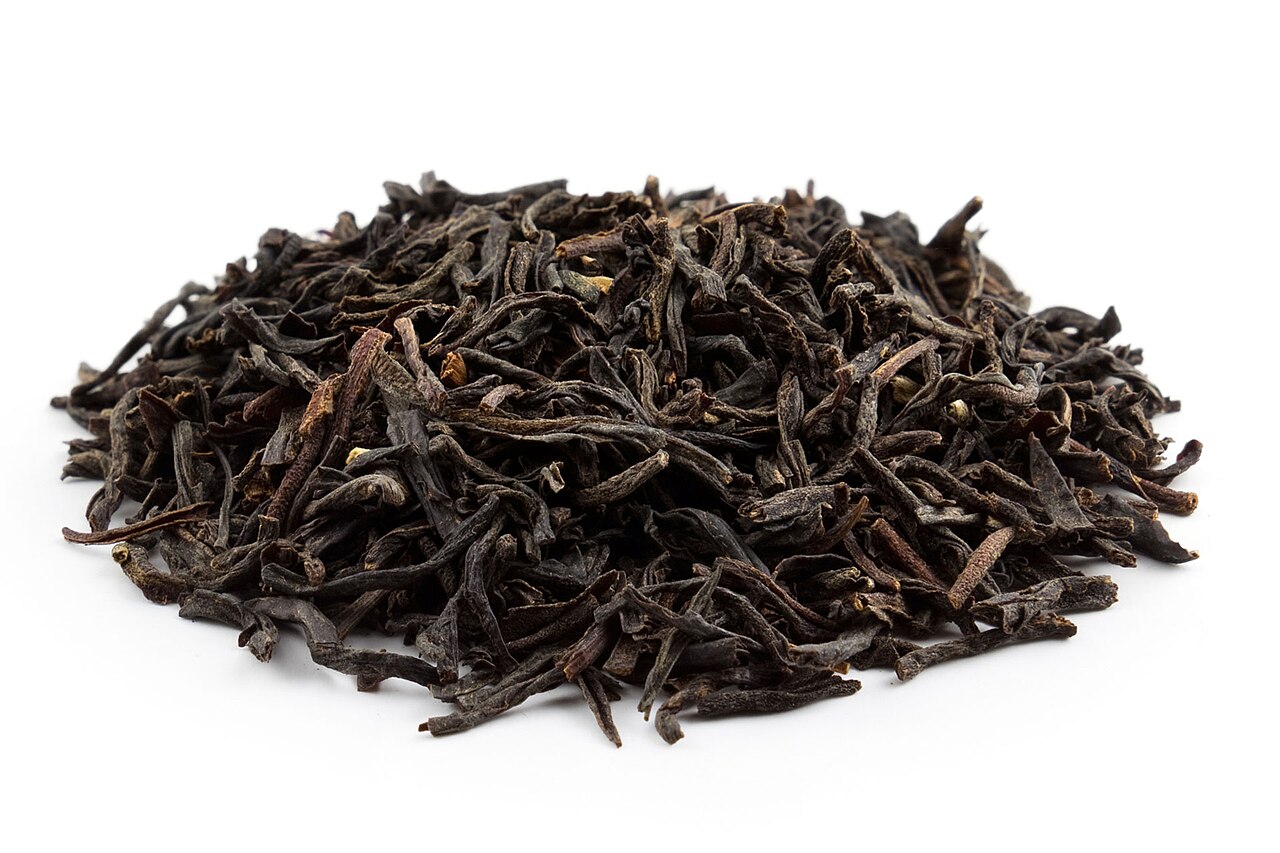
Riyuetan black tea is a fully fermented black tea, not an oolong. Products may be strip-shaped, broken or blended; the best-known premium representative is TTES No. 18 Ruby, alongside TTES No. 8 Assam and TTES No. 21 Rhythm. The cultivars differ: Assam is malty and full; Ruby has cinnamon and mint-like cooling notes; Rhythm leans toward pomelo flower, ripe fruit and honey.
History
One of the earliest written records of Taiwanese tea is the 1723 Taihai Shicha Lu, which mentions “Shuishalian tea” in the Sun Moon Lake area. In the Japanese period, after surveys, the authorities judged black tea to be the world's most consumed tea and introduced Assam from India to develop exports. Trial gardens and a research station followed at Sun Moon Lake, and Yuchi and Puli became the main black-tea region. After the 1940s the industry passed through export, decline and premium domestic phases; the old factory turned from industrial production into a tea-tourism site while keeping its Japanese-era buildings and equipment.
Ruby, TTES No. 18, was named and promoted by the Tea Research and Extension Station in 1999. It was selected from a cross between a wild Taiwanese tea and a large-leaf Burmese type. Its cinnamon and mint notes are formed by cultivar and fermentation, not added flavour. TTES No. 21 Rhythm is a separate cultivar with pomelo-flower and ripe-fruit notes. Local sources present these as representative varieties, but garden, lot and processing still create wide variation.
Craft and quality
Black tea follows picking, withering, rolling, fermentation, drying and refining. Riyuetan leaf is relatively large; rolling must break cells enough for oxidation without tearing the strip. Fermentation is the aroma key: temperature, humidity, leaf depth and time set colour and aroma type. Ruby's cinnamon-mint note forms during fermentation and drying; over-fermentation moves toward ripe fruit and fermented notes, under-fermentation leaves green notes.
Ruby is tight, dark and glossy; the liquor is orange-red and bright; the aroma has cinnamon, mint and a cooling menthol-like lift; the taste is sweet, full and returning. TTES No. 8 Assam is more malty and full, suited to milk; TTES No. 21 Rhythm is softer with pomelo-flower and honey-fruit notes. For Ruby, use about 85°C, 5 g to 90 ml in a gaiwan, 40 seconds for the first infusion and 30 seconds for the second. Boiling water amplifies astringency; too-cool water suppresses aroma.
Buying and boundaries
First, distinguish “Riyuetan producing area” from “Riyuetan brand.” The area is Yuchi and Puli, but many products use the name without origin proof. Second, identify the cultivar: Ruby is TTES No. 18, not every Riyuetan tea; Assam, Rhythm and blends have different profiles. Third, the aroma should be natural: cinnamon-mint is Ruby's varietal signature, but a perfume-like menthol blast is not. Fourth, price is not the only cultivar signal; old factories, competition awards and organic certification affect price but do not replace tasting.
Drink it plain. Ruby in particular does not suit milk, which buries the cinnamon-mint note; Assam can take milk. “Taiwan fragrance” and “world's only” are marketing language; the checkable statement is “Sun Moon Lake is one of Taiwan's core black-tea areas, and Ruby is a representative cultivar.”