Tieguanyin is a tea cultivar and a product name; “Guanyin rhythm” comes from cultivar, place, picking, oxidation and roast together, not from the name alone.
The short answer
Tieguanyin originates in Anxi, Fujian, and is a clonal cultivar traditionally described as red-hearted, skewed-tipped and peach-leaved: the leaf tip leans, the leaf is oval with wavy edges, and the new shoot carries red. It suits oolong, and the finished tea can be qingxiang, nongxiang or aged; those styles come mainly from oxidation and roasting, not from the bush producing three flavours. In the market “Tieguanyin” means both cultivar and product, so read the process and origin.
Plant characters
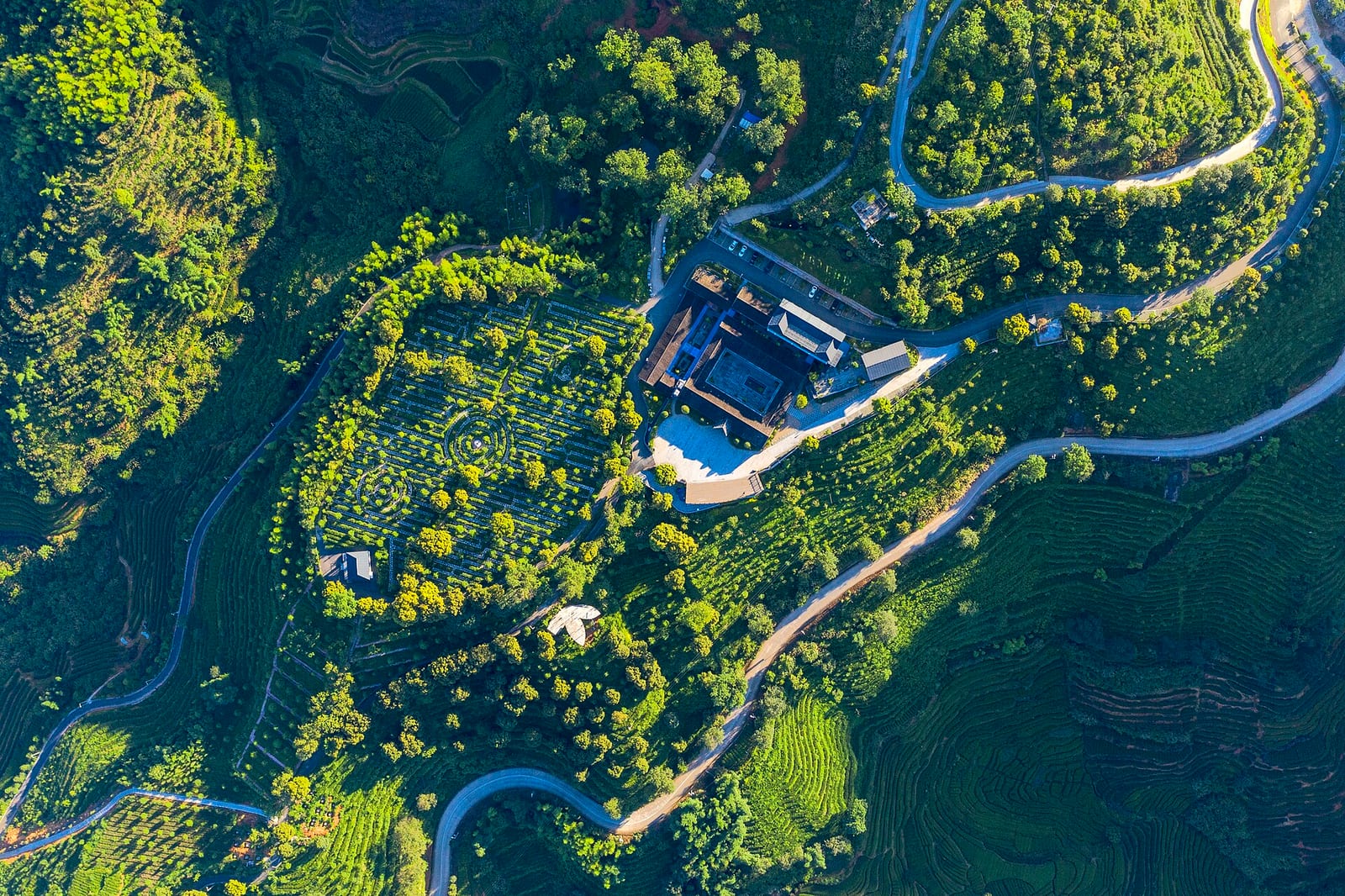
A shrub with medium leaves, an open frame and dense branching; leaves oval or obovate, wavy at the margin, skewed at the tip, green to dark green. Budbreak is medium, shoots are plump and tender. Clonal propagation preserves the type but narrows the gene pool. Altitude, slope and soil in Anxi change aroma and texture in the same cultivar.
Processing and styles
The traditional route is sun withering, indoor withering, shaking, fixation, rolling, cloth-ball rolling and drying; the shake decides aroma direction, the bake decides fire and mellow depth. Qingxiang is lightly oxidised and lightly baked: high flowers, pale liquor. Nongxiang is more baked: nuts, caramel and rice aroma. Aged Tieguanyin is stored and re-fired: deeper body and settled aroma. Calling all three simply “Tieguanyin” hides the craft.
Liquor and identification
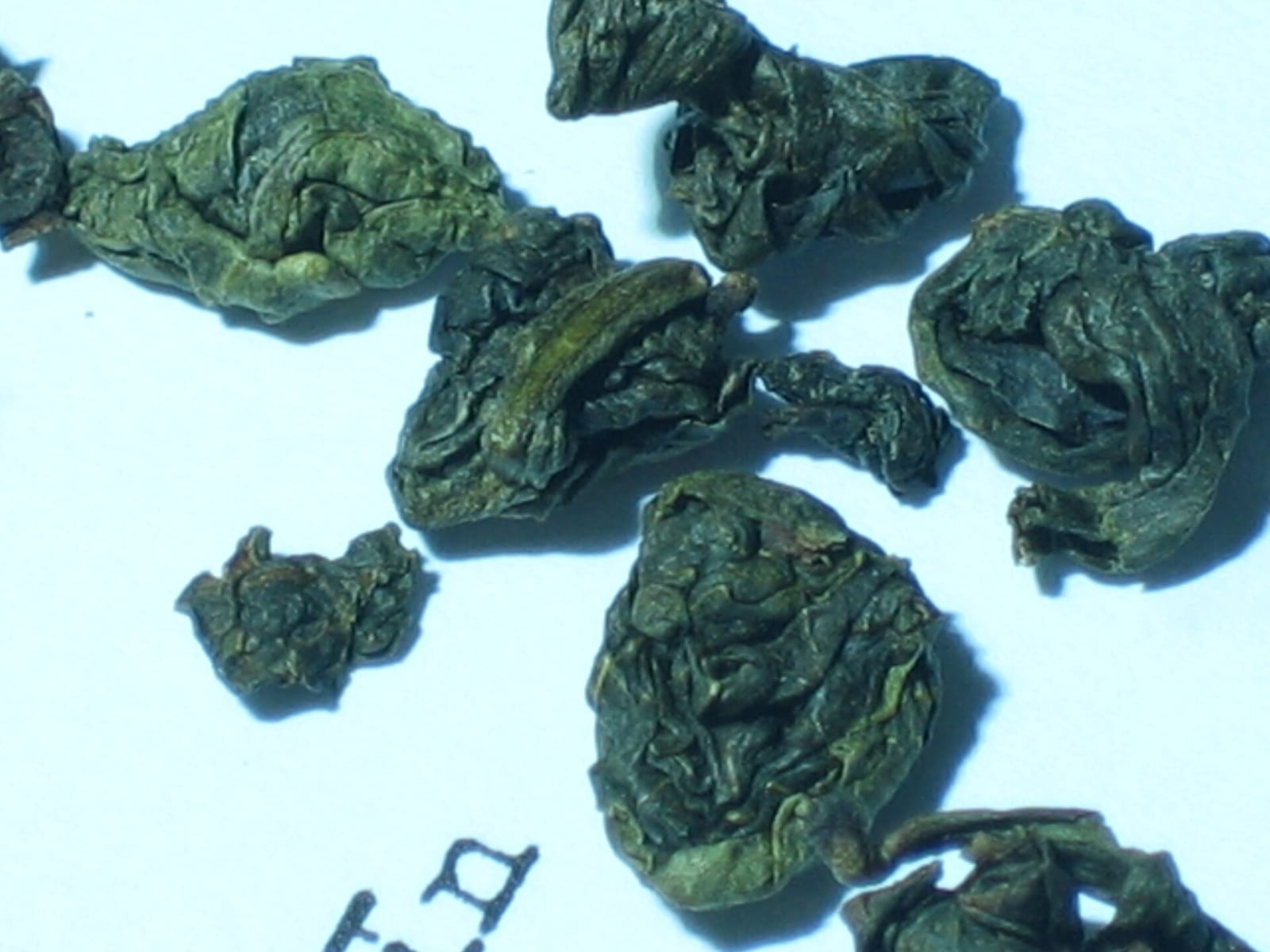
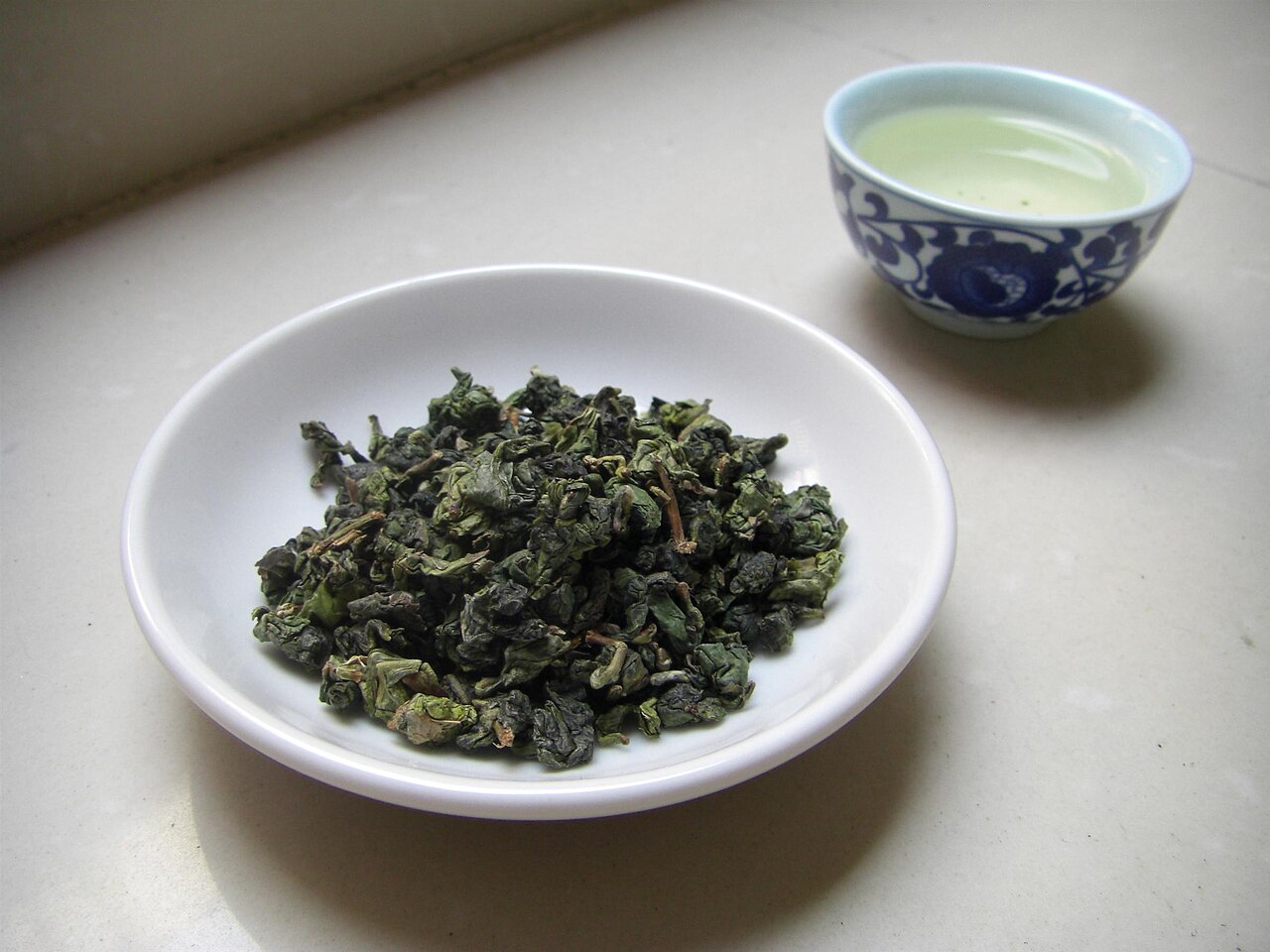
Good qingxiang has tight, sandy-green pellets, a golden-green liquor, clear orchid aroma, a fresh entry and a throat-like sweetness. Nongxiang is mellower and steadier, with fire and flower-fruit notes. Aromas that taste like flavouring, a hollow body or dead-green leaf suggest a problem in leaf or craft. The infused leaf should be soft and elastic with a moderate red edge, not scorched.
Market and limits
Anxi Tieguanyin has GI rules, but outside cultivars and blends also use the name. Prices span everyday to premium, and aged tea depends on year and storage. Check origin, style, roast level and lot rather than the words “orchid” and “Guanyin rhythm”.
Qingxiang, nongxiang or aged
Qingxiang is lightly oxidised and baked, with high orchid aroma and pale liquor, for those who like freshness. Nongxiang has more fire, with nuts, caramel and rice, a mellower body, good for meals or daily drinking. Aged Tieguanyin is stored and re-fired, with settled aroma and a thick body, for slow brewing. None is absolutely better; the difference is craft and occasion. Ask style and roast level before aroma words.
Cloth rolling and baking
The pellet shape comes from cloth-ball rolling: after rolling, the leaf is wrapped, tightened, loosened and rolled again until the strips curl tightly. Too little leaves a loose pellet and scattered aroma; too much damages the leaf and thins the body. Baking ranges from light to full: light keeps flowers, full develops rice, nuts and mellow depth. Much of the qingxiang-versus-nongxiang difference sits here, not in the cultivar alone.
Origin and cultivar are separate
Anxi Tieguanyin GI rules govern origin, process and quality. The cultivar can be planted elsewhere, but leaf from outside does not make the same “Guanyin rhythm”. Core and non-core districts differ in soil, altitude and shaking habits, and prices diverge. Read origin and style before cultivar; the three characters alone say neither Anxi nor qingxiang nor nongxiang.
Brewing
Qingxiang: 95°C, white gaiwan, 1:20–1:25, quick pours. Nongxiang: boiling water, zisha or gaiwan, 5–10 seconds at the start, then longer. Rinse the tight pellets once. Do not stuff and steep for minutes.
Misconceptions
Tieguanyin is not a green tea; not every Tieguanyin has orchid aroma; and the cultivar is not the same as GI Anxi Tieguanyin.