Fuding Dabaicha is one of the classic cultivar names behind white tea, but it is neither the white-tea category nor the same plant as Fuding Dahao; it is a clonal tea bush.
The short answer
Fuding Dabaicha originates in Fuding, Fujian, and was selected from the local population as a clone. It has plump buds, heavy pekoe and early budbreak, suits Silver Needle and Bai Mudan, and is also made as green tea. It is often confused with Fuding Dahao, a different clone with fatter buds and denser down, more often used for Silver Needle; Dabaicha tends to give a cleaner aroma and a finer bud shape. When a packet says “Dabaicha”, separate cultivar, product and shop shorthand.
Origin and spread
The cultivar has a long history around Fuding and spread vegetatively in the twentieth century to Fujian, Zhejiang, Anhui and Guizhou. Its adaptability and even bud set made it a backbone of white-tea districts. After moving, pekoe thickness, bud colour and aroma shift with climate and soil; the same clone in lowland Fuding and in a high mountain elsewhere does not make the same Silver Needle.
Plant characters
A shrub or small tree with medium leaves, plump buds, obvious white down, green leaves and a relatively open frame. Budbreak is early and picking is concentrated in spring; the buds stay tender and suit single-bud or one-bud-two-leaf plucking. Yield is steady, but clonal propagation narrows the gene pool and limits buffering against extreme weather or disease. Shade, fertility and plucking standard change down density and bud shape.
Making and suitability
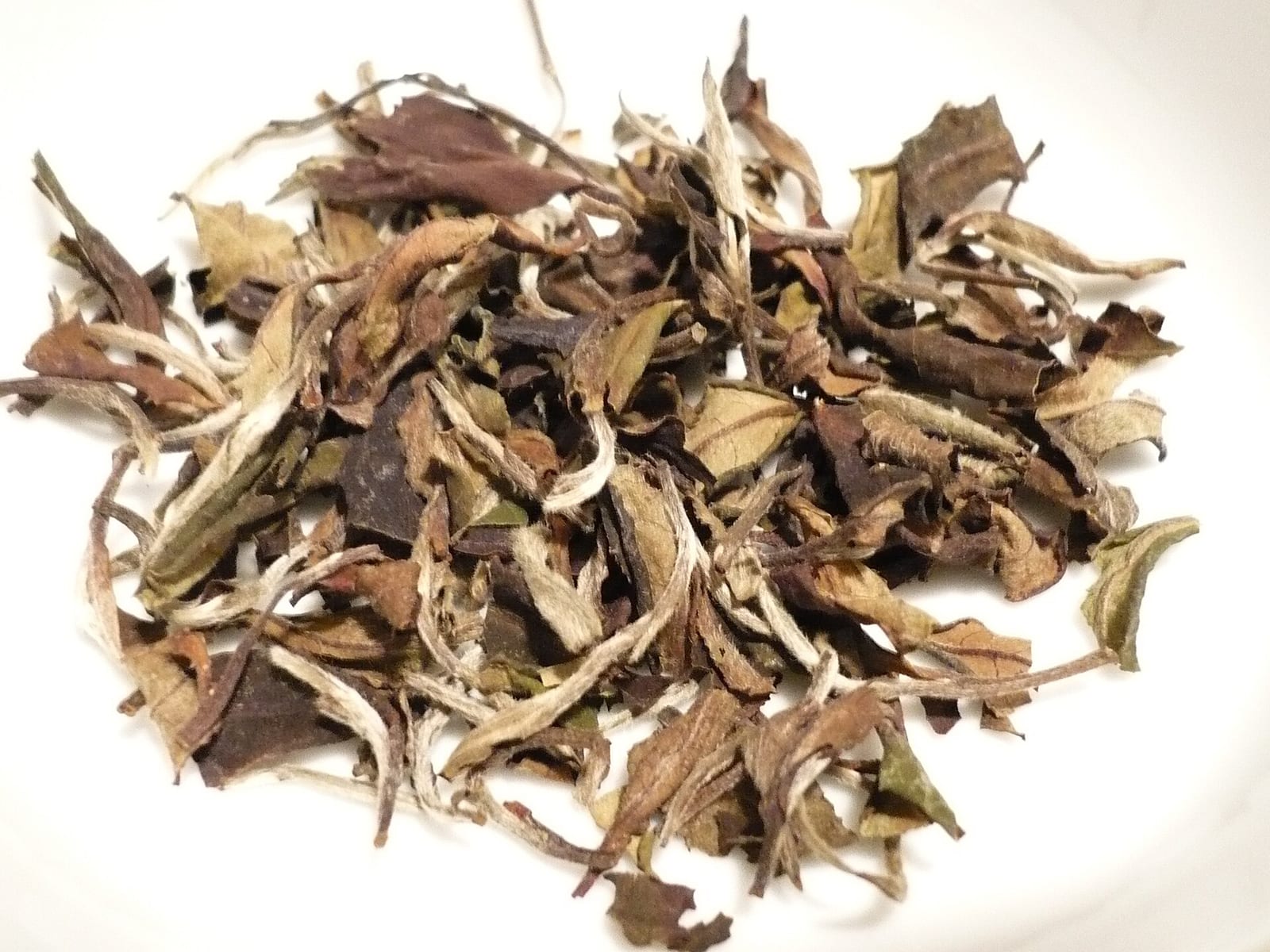
Silver Needle uses single buds, fat and silver; Bai Mudan uses one bud and one or two leaves, balancing downy bud and leaf. White tea is withered and dried, not fixed or rolled; temperature, humidity and airflow decide pekoe aroma, flowers and texture. Made as green tea, the same leaf is fixed, shaped and dried, turning toward young chestnut and clean freshness rather than white-tea honey and down.
Liquor and identification
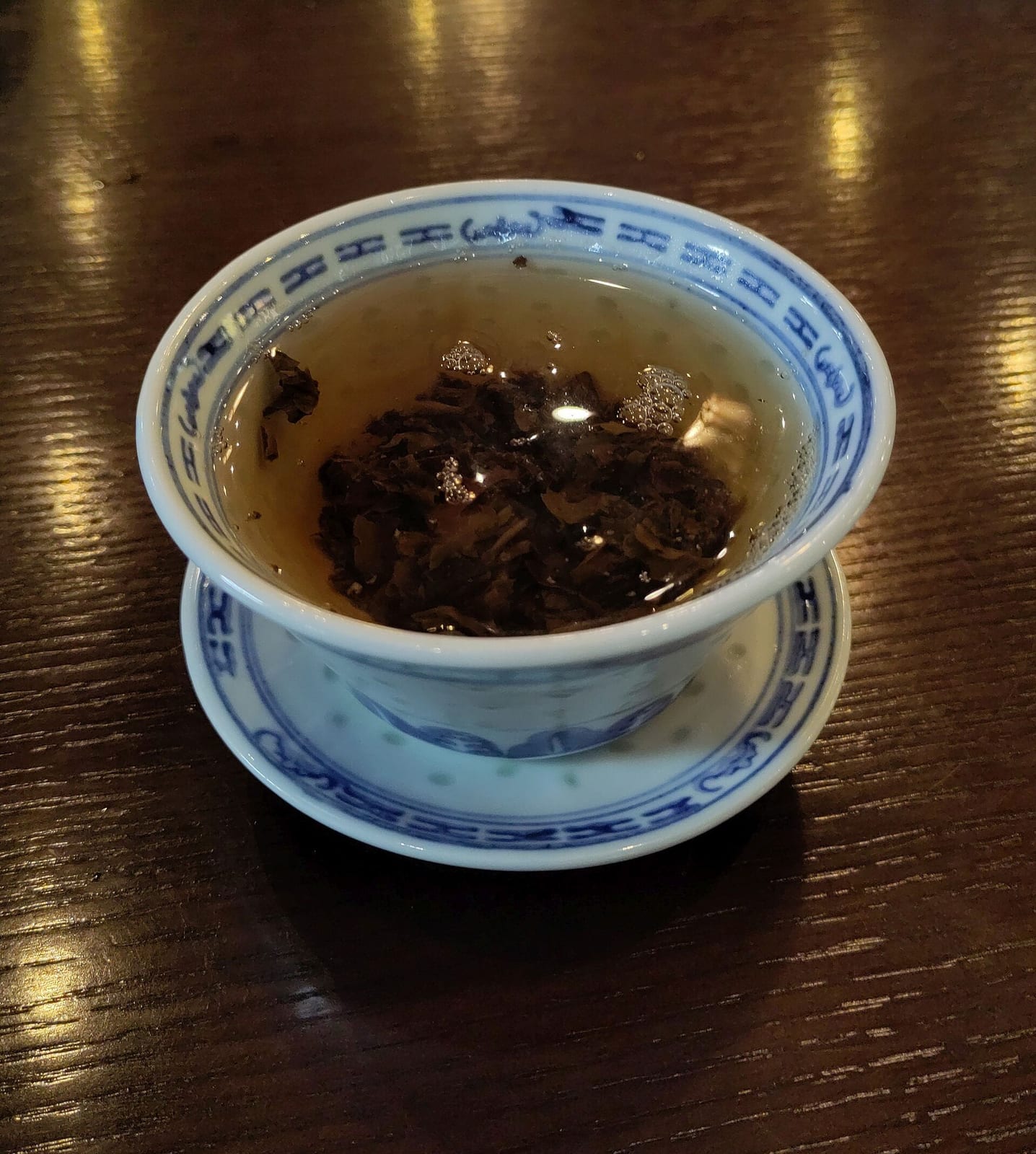
Good Silver Needle is pale apricot, with clear pekoe aroma, a sweet, supple entry and even bud sets. Bai Mudan adds flowers and leaf freshness. Thin buds, sparse down, a reddish liquor or bitterness may mean the wrong grade, or a problem in withering and drying. A name is not a grade: Silver Needle and Bai Mudan each have grades, and “Fuding Dabaicha” does not settle quality.
Market and limits
GI rules for Fuding white tea govern origin and process, not every bush called Dabaicha. The market mixes Dabaicha, Dahao and “Silver Needle”; read the product standard, picking grade and provenance. Aged white tea also depends on year, storage and brand; cultivar is only the starting point.
Dabaicha versus Dahao
Dahao has fatter buds and denser down, giving a sturdier Silver Needle; Dabaicha has a finer bud shape and a cleaner aroma. Both suit white tea, but grade, withering and finished style differ. The market often calls both “Dabaicha”; when buying Silver Needle, ask which cultivar and grade. Chasing only bud size misses pekoe aroma, texture and infused leaf.
Picking and withering
Silver Needle takes single buds, intact and without fish leaves; Bai Mudan takes one bud and one or two leaves still joined. Withering sets the style: sun withering is aromatic, indoor withering steadier, combined withering balances both. Thick spreads and high humidity bring reddening or stuffiness; incomplete drying brings later moisture. A good cultivar is only the start; withering and drying decide pekoe aroma and texture.
Brewing
Silver Needle: 85–90°C, porcelain gaiwan, 1:50, 1–1.5 minutes for the first infusion. Bai Mudan: 90°C, 1:50, 45–60 seconds. Rinse briefly with a little water; aged white tea can take hotter water and longer steeps. Do not boil tender buds for minutes.
Misconceptions
Fuding Dabaicha is not “white tea” as a category; it can be made into white or green tea. Bigger is not better: even buds and clean pekoe matter more. Dabaicha and Dahao are often used interchangeably but are different cultivars.