What it is
Liubao tea is a dark tea from Liubao town, Cangwu County, Wuzhou, Guangxi, known for pile fermentation, steaming/pressing and ageing. It is a dark tea, not Pu-erh: both are post-fermented and aged, but their origin, material, processing and standards differ. “Betel-nut aroma” is a sensory description, not added betel nut or flavouring.
Origin and area
The GI area is linked to Liubao town and neighbouring townships in Cangwu County; exact boundaries follow DB45/T 1114-2014 and GI announcements. Local “inner Liubao” and “outer Liubao” are customary production terms, not uniform grades. Dark tea is also produced outside Liubao, but not all can be called GI Liubao tea.
Processing
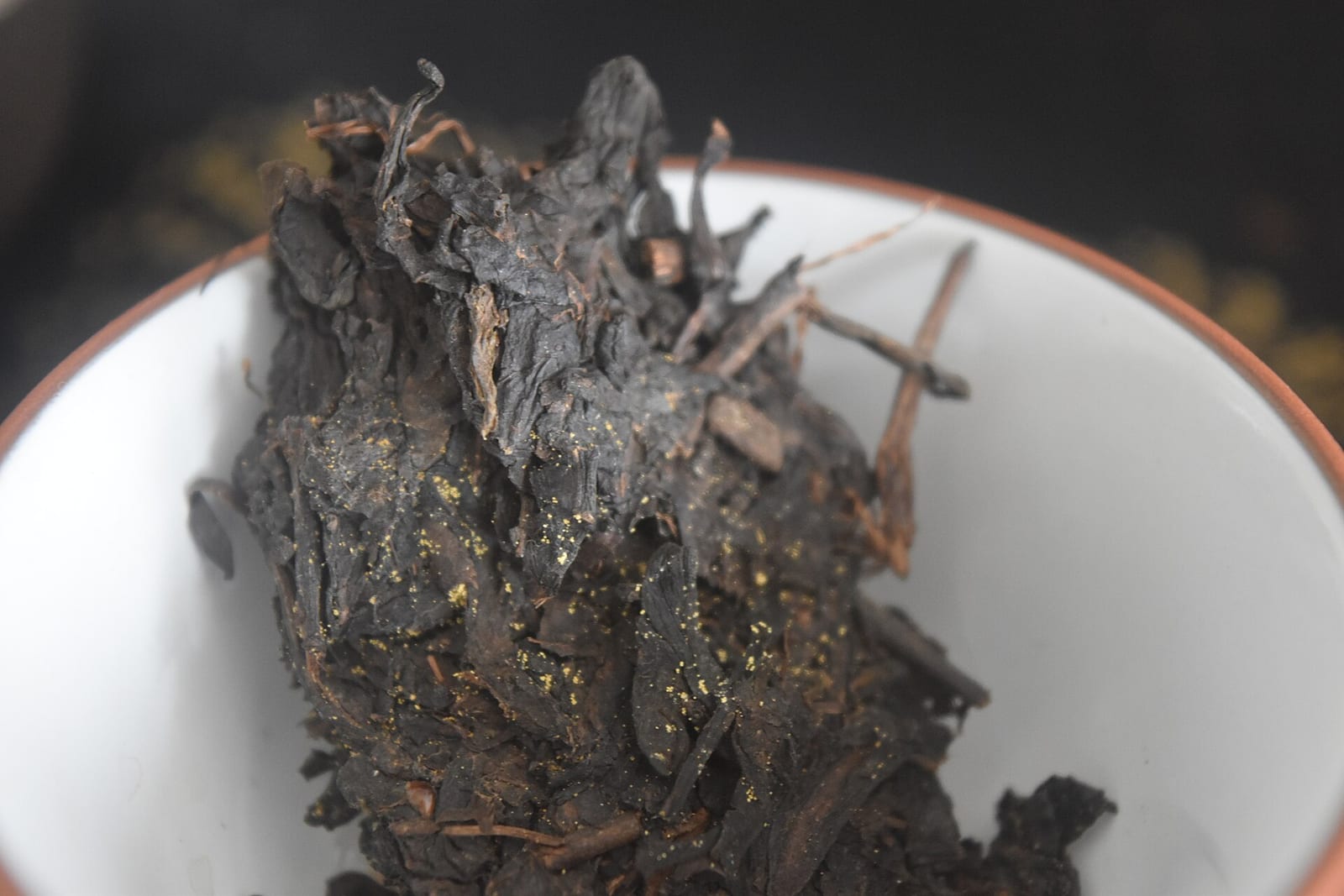
Liubao has primary and refining stages. Primary processing includes fixation, rolling, pile fermentation, re-rolling and drying; refining includes sieving, blending, moistening, steaming, pressing and ageing. Pile fermentation is a microbial and hydrothermal post-fermentation that produces a red, thick liquor and mellow taste. Steaming and pressing can make loose tea, cakes, bricks or bowls. Ageing requires clean, ventilated storage with controlled temperature and humidity; time varies by product and warehouse.
Quality and flavour
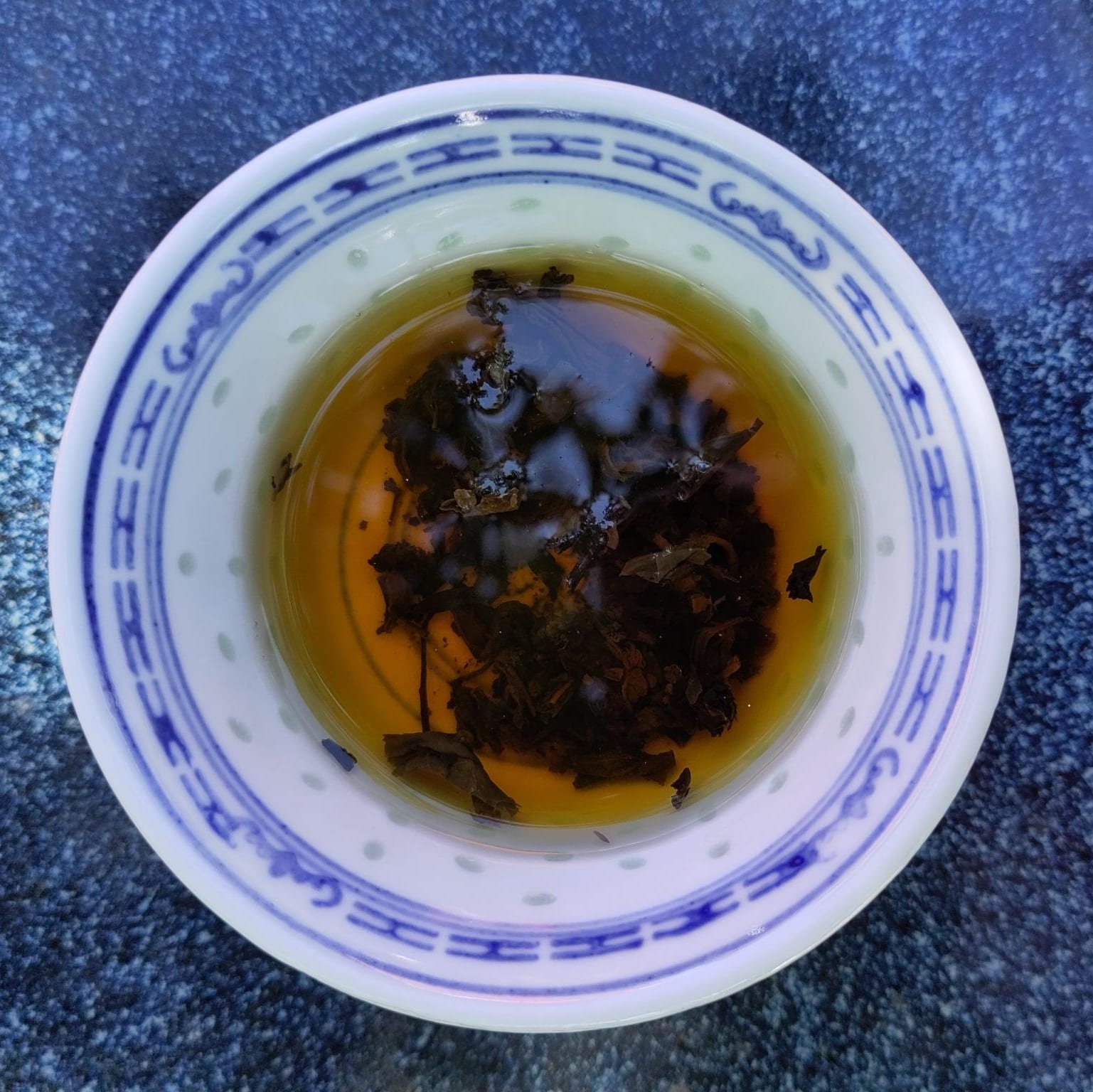
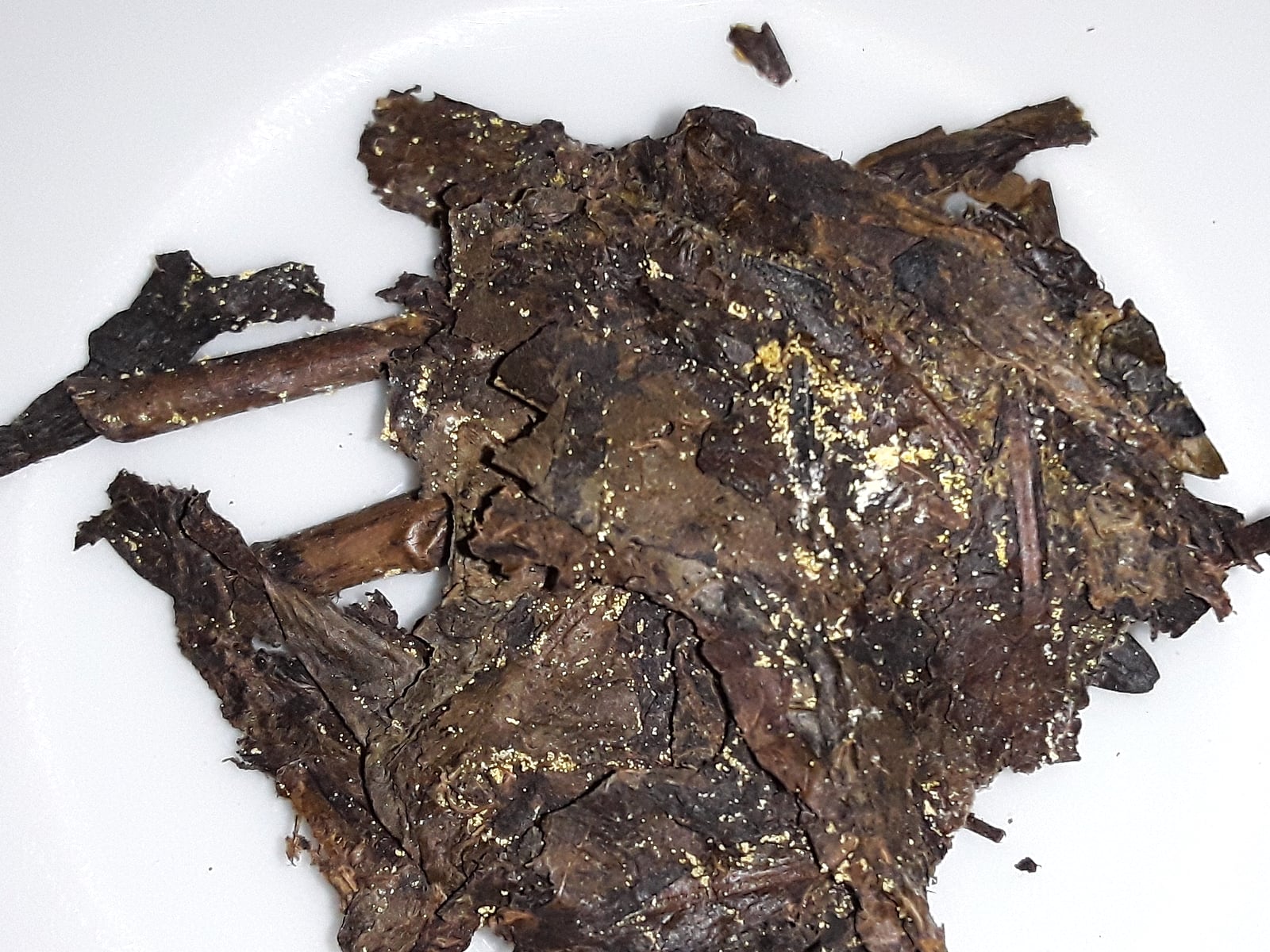
Dry leaves are tightly rolled, dark brown and glossy. Liquor is deep red and bright, with betel-nut, woody, aged or pine-smoke notes and a mellow, sweet taste. Betel-nut aroma is a traditional tasting term; batches may show dried fruit, wood or light spice rather than one fixed chemical note. Liubao can be aged, but “older is better” is not unconditional; dampness, odours or mould can ruin tea.
History and trade
Liubao entered Guangdong and Southeast Asian trade in the Qing and was called “overseas Chinese tea” because it was shipped to Chinese communities in Nanyang. Old records mention Jiaqing-era betel-nut aroma, Wuzhou as a treaty port, and decline after the war; exact dates and export volumes need checking against gazetteers, customs archives and tea-industry records. Its trade history is closely tied to the Xi River–Guangzhou–Nanyang route, but not every Liubao story is established history.
Common misconceptions
- Liubao is not Pu-erh. Both are dark teas, but origin, processing and standards differ.
- Betel-nut aroma is not added betel nut. It is a sensory description from fermentation and ageing.
- Old tea is not automatically good. Clean storage and stable humidity matter more than a year number.
- Does all dark tea improve with age? No. Material, moisture and storage determine the direction.
Sources
- GB/T 32719.4-2016, Dark tea — Part 4: Liubao tea.
- DB45/T 1114-2014, Geographical indication product — Liubao tea.
- Legacy Guangxi tea record, retained for provenance.
This page is an AI-edited translation based on the reviewed Chinese source. It is not a human-expert endorsement.