Extent
Fenghuang Mountain lies in Chaozhou, Guangdong, and is a core Fenghuang Dancong area. Gardens are spread from several hundred to over a thousand metres above sea level; Wudong, Fengxi and Da’an are often cited for different sites and styles. Fenghuang Dancong is a protected product name, with origin, cultivar and processing requirements defined by DB4451/T 1-2021; single-bush tea produced elsewhere in Chaozhou is not automatically GI Fenghuang Dancong.
Environment
Fenghuang faces the sea and rises into mountains, with mist, high humidity and red/yellow soils. High-elevation gardens grow more slowly and produce thicker leaves; lower gardens yield more. Site and single-tree differences combine to create a complex aroma spectrum. High mountain, old tree and “mountain rhyme” cannot replace cultivar, processing and storage.
Cultivar and aroma types
Fenghuang Dancong comes from selected single trees within the Fenghuang Shuixian population, traditionally picked and processed separately. Market names such as Milan Xiang, Huangzhi Xiang and Yashixiang (Yinhuaxiang) are aroma or commercial names, not separate botanical species or statutory grades. Modern commercial tea may be blended or named after a single aroma type; check origin, cultivar, aroma type, standard and producer.
Processing
Dancong goes through withering, shaking, fixation, rolling and roasting. Shaking develops floral and fruity aromas; roasting determines light, strong or ripe styles. High leaf ratio and short infusions are common; long stewing is not recommended. Charcoal roasting is traditional but not every Dancong needs heavy charcoal; light, medium and full roast suit different styles.
Quality and flavour
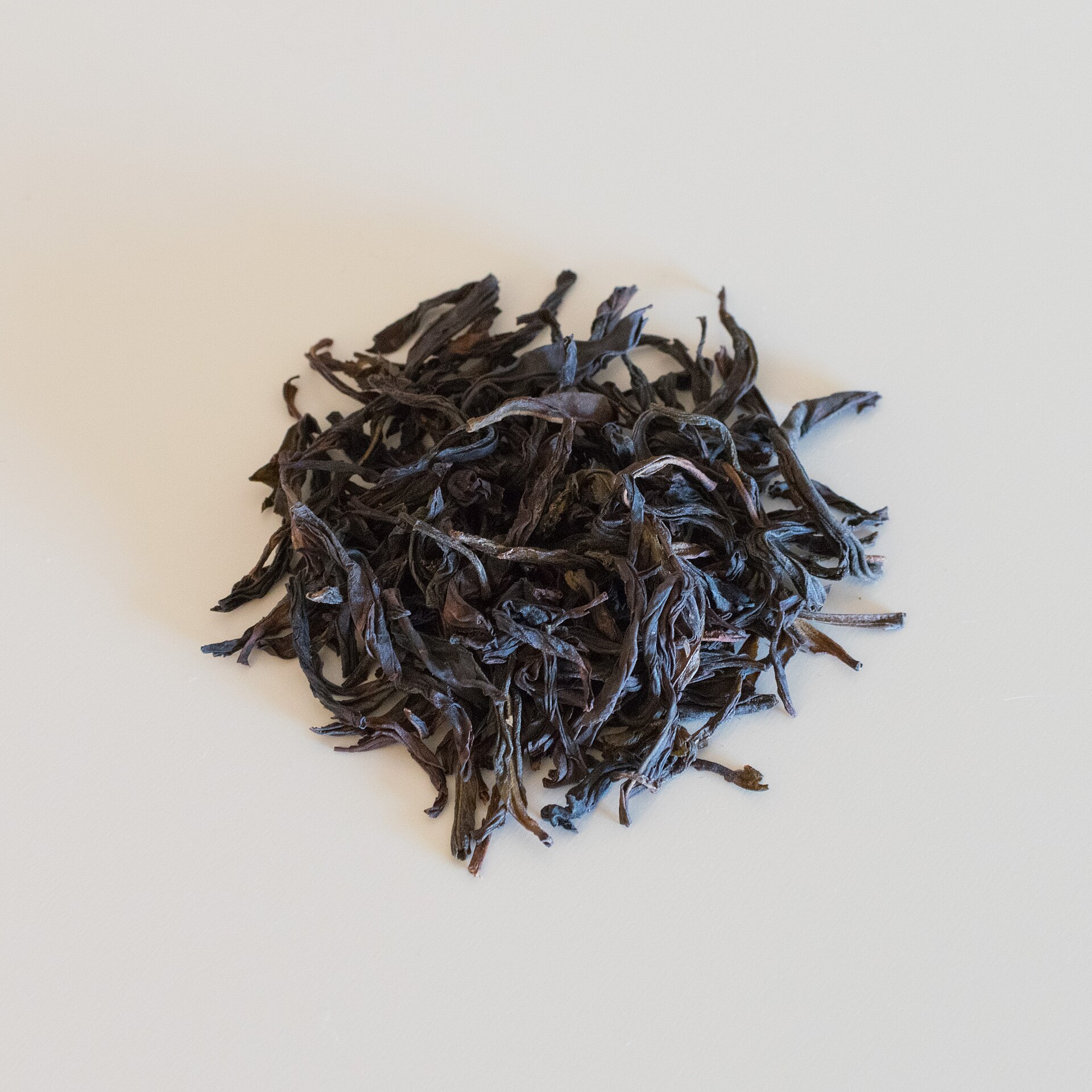
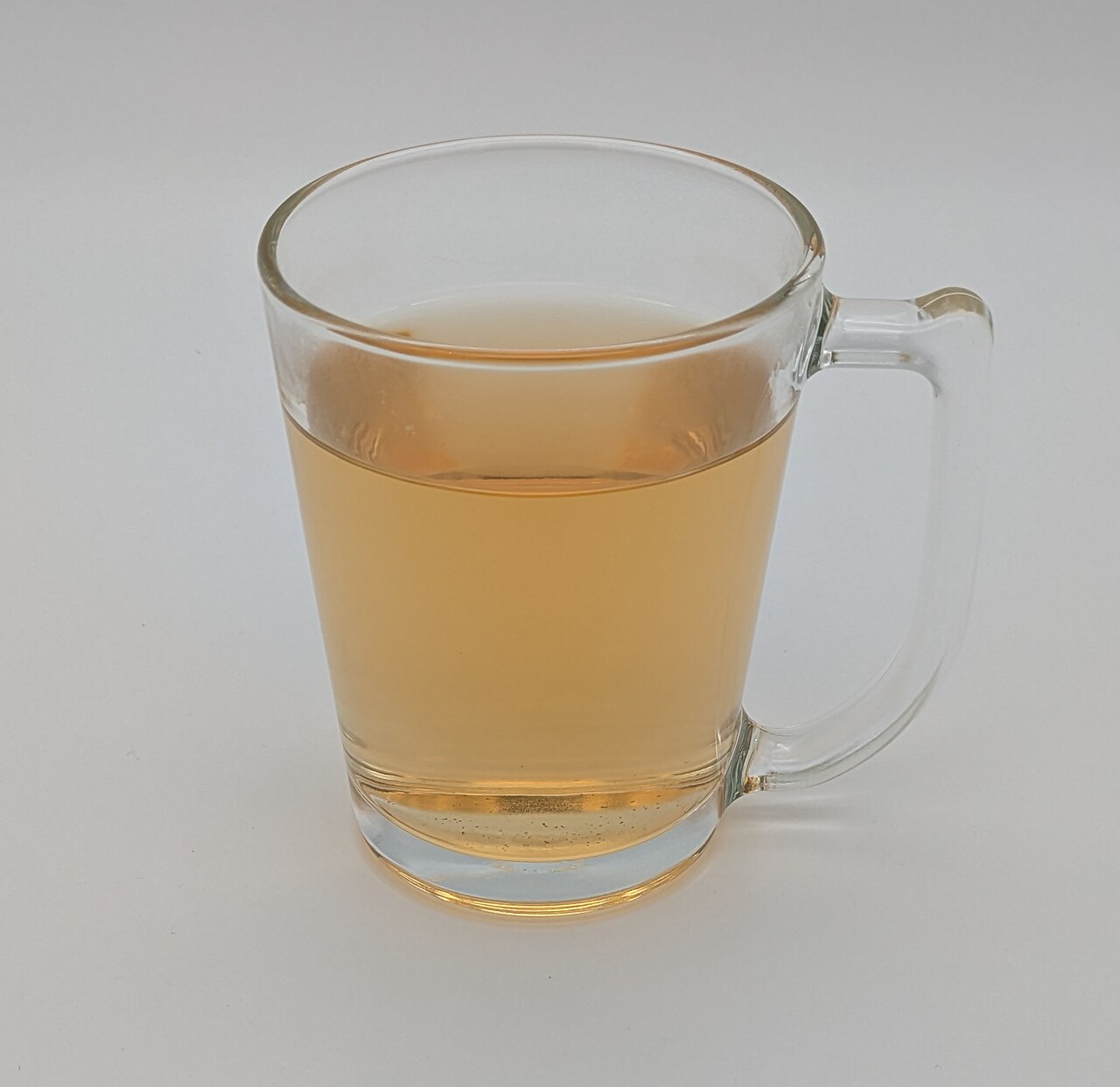
Dry leaves are tightly rolled, dark brown to yellow-brown. Liquor is golden to orange-yellow, with floral, honey and fruity notes, a full body, sweetness and a pronounced finish; “mountain rhyme” and “bush rhyme” are traditional terms. Aroma names are sensory categories, not quality guarantees. Aroma intensity, body, roast integration and clean storage all matter.
History and boundaries
Chaozhou Fenghuang has tea records from the Song, with single-tree selection and gongfu tea culture developing in the Ming and Qing. Specific Song records, the number of aroma types and old-tree ages need checking against gazetteers, tea-industry archives and cultivar surveys. Fenghuang Dancong processing is on China’s national intangible heritage list; GI protection and product standards follow current announcements.
Common misconceptions
- “Yashixiang” does not mean duck droppings flavour. It is a historical commercial name, often associated with Yinhuaxiang.
- Aroma names are not grades. Milan Xiang, Huangzhi Xiang and others describe aroma, not a standard grade.
- Is all Dancong single-tree? Traditionally it emphasises single trees, but commercial tea may be blended.
- Is heavier roast better? No. Roast should match cultivar, material and style; char is not a virtue.
Representative teas
- Fenghuang Dancong: the general name and aroma-type system.
- Yulanxiang Dancong: a representative named for its floral aroma.
Sources
- GB/T 30357.6-2017 Oolong tea — Part 6: Dancong — Chinese national standard for Dancong classification, requirements, testing and labelling.
- DB4451/T 1-2021 Geographical indication product — Fenghuang Dancong tea — Chaozhou local standard for the origin, cultivation, processing and quality requirements of Fenghuang Dancong.