
Scope
Jiangsu sits in the Yangtze delta, with tea gardens concentrated in the low hills of southern Jiangsu and around Lake Tai. The province has about 500,000 mu of tea gardens. The 2024 statistical communiqué reported 11,000 tonnes of tea, up 1.3%; the provincial agriculture department's 2024 reply gave an industry figure of about 15,300 tonnes, RMB 3.1 billion in output value and RMB 6,247.19 per mu. The Dongting Mountain Biluochun core area has about 45,000 mu, producing about 312 tonnes and RMB 370 million in 2025, with a regional public-brand value of RMB 6.153 billion. Jiangsu is not only Biluochun: Nanjing Yuhua, Jintan Queshe, Yangxian Xueya, Zhenjiang Jinshan Cuiya, Wuxi Haocha, Suzhou Dongshan Maofeng, Yangzhou Lüyangchun, Yixing black tea and Suzhou jasmine tea form a multi-category landscape. Area, output, output value and brand value are different measures and cannot substitute for one another.
Geography and terroir
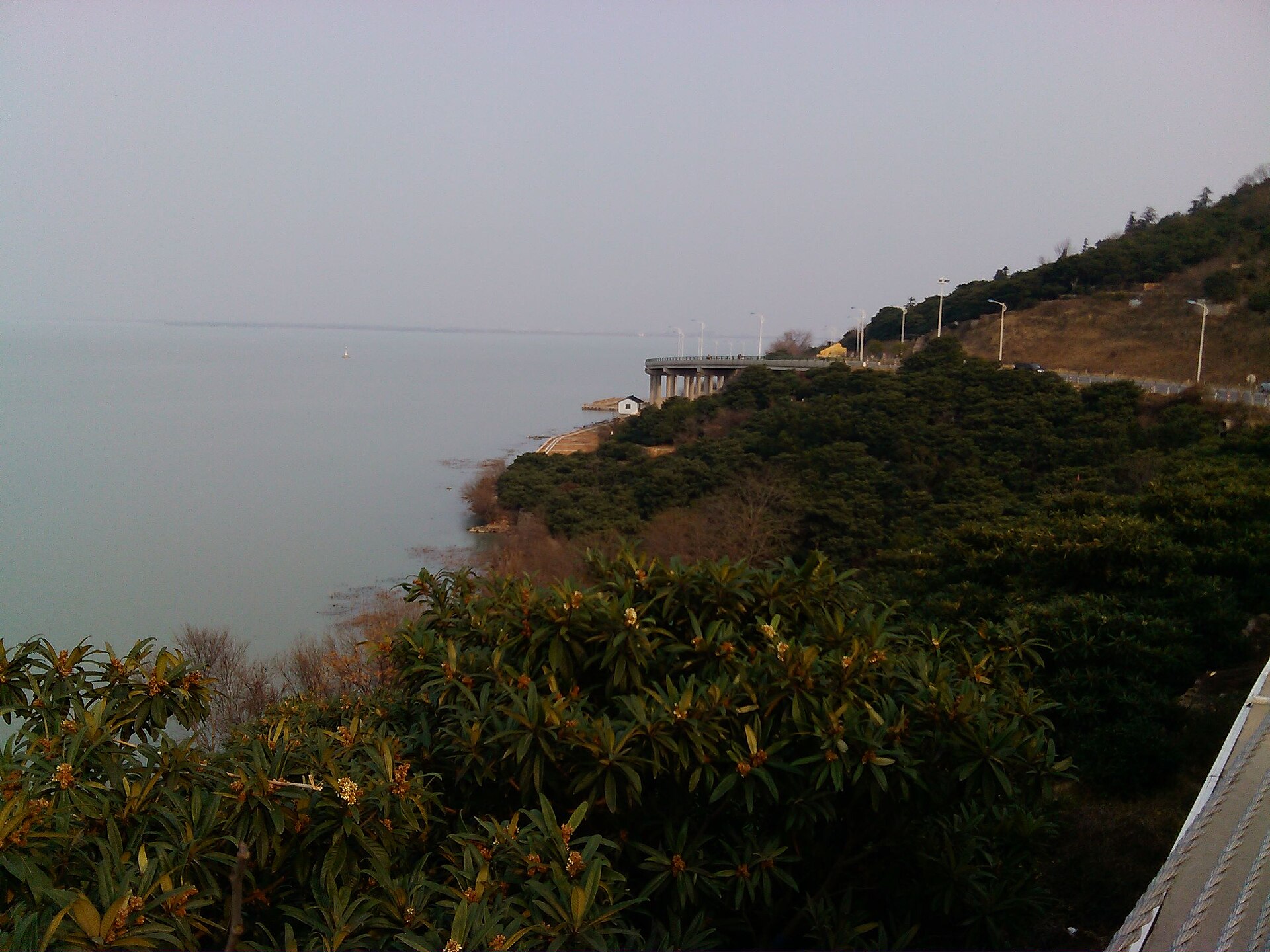
Jiangsu is low and flat. Southern Jiangsu consists of the Ningzhen range, the Maoshan, the Yili hills and the Lake Tai plain; tea gardens sit on low hills, slopes and lake islands. The climate is subtropical monsoonal: spring warms quickly and rain increases, summers are hot and humid, autumns cool, and winter brings cold-air outbreaks. Yellow-brown, red, yellow and alluvial soils dominate; slope drainage, lake moisture and forest shade are common terroir factors. Dongshan and Jinting in Wuzhong, Suzhou, are a peninsula and islands in Lake Tai. The lake moderates spring warming, and tea gardens are intercropped with loquat, bayberry, citrus and other fruit trees, forming a tea-fruit system. Nanjing and Zhenjiang are more inland; Changzhou, Wuxi and Yixing interlace tea gardens with bamboo, reservoirs and hills. Aspect, shade, soil and tree age vary sharply from garden to garden; "Jiangnan water town" explains very little.
Main tea areas
- Suzhou Wuzhong–Dongshan–Jinting (Dongting Mountain Biluochun): the core of Biluochun. Dongshan and Jinting sit in Lake Tai; tea gardens are intercropped with fruit trees, and early picking, fine leaf and careful sorting are traditional priorities.
- Nanjing–Jiangning–Lishui (Yuhua tea): Nanjing Yuhua is fine, tight and straight, shaped like a pine needle; low-hill gardens around the city meet a strong local consumer market.
- Changzhou–Jintan (Queshe): Jintan Queshe, a fine green tea with a small, tender leaf style, is the anchor of this low-hill zone.
- Wuxi–Yixing (Wuxi Haocha, Yangxian Xueya and Yixing black tea): Lake Tai's western shore, bamboo hills and the Yixing pottery tradition intersect with tea production.
- Zhenjiang–Jurong–Maoshan (Jinshan Cuiya): Jinshan Cuiya and the Maoshan tea area, where low hills and the south bank of the Yangtze shape the growing season.
- Yangzhou–Yizheng–Nianshan (Lüyangchun): Yangzhou Lüyangchun and Yizheng Nianshan green tea, the northern edge of Jiangsu's tea belt.
Tea types and processing
Green tea dominates, with black tea and reprocessed tea alongside. Dongting Mountain Biluochun picks fine buds and leaves and goes through spreading, kill-green, rolling, curl-and-peck processing and drying. The leaf is rolled into a spiral, with white hairs exposed; traditional pan-firing relies on hand pressure and heat to build shape and aroma. Nanjing Yuhua uses shaping, rolling and hair-lifting steps to make a tight, straight needle. Jintan Queshe, Yangxian Xueya, Jinshan Cuiya, Wuxi Haocha and Lüyangchun follow green-tea processing, with spreading, kill-green, shaping and drying. Yixing black tea relies on withering, rolling, fermentation and drying. Suzhou jasmine tea is a reprocessed scented tea: jasmine flowers are layered with tea to scent it, so the floral note comes from scenting, not from the tea cultivar. Dongting Mountain's tea-fruit intercropping system is a China Important Agricultural Heritage System, and Biluochun processing is included in the UNESCO Representative List of the Intangible Cultural Heritage of Humanity under China's traditional tea-making techniques and related practices.
History and market
Lu Yu's Classic of Tea recorded tea from Dongting Mountain in the Tang. Tea production around Suzhou grew in the Song and later, and the name Biluochun took hold in the Qing under the Kangxi emperor, becoming a famous Jiangnan tea. Tea gardens on Dongshan and Jinting have long been intercropped with fruit trees, creating a distinctive ecology; picking and pan-firing skills passed through families, tea factories and cooperatives. In 2025 the Dongting Mountain area had about 45,000 mu, produced about 312 tonnes and RMB 370 million, with a regional public-brand value of RMB 6.153 billion, among the leading Chinese tea brands. Jiangsu's tea area is small but close to the Yangtze delta market; Biluochun, Yuhua and other brands focus on fine green tea and tea-tourism experiences. The province has about 500,000 mu; the 2024 statistical communiqué reports 11,000 tonnes, while the agriculture department's 2024 reply gives 15,300 tonnes and RMB 3.1 billion under a different industry scope. Readers should keep the source and statistical boundary in view.
Common misunderstandings
- Dongting Mountain is not Dongting Lake. Biluochun's Dongting Mountain is in Lake Tai, Suzhou, and has nothing to do with Hunan's Dongting Lake.
- Biluochun is not every green tea from Suzhou. It has a specific origin, cultivar and processing; other Suzhou greens are different products.
- "Greener and finer" is not the only Biluochun standard. Shape, white hair, aroma, liquor colour and taste must be read together; picking too early or too fine can sacrifice flavour.
- Jiangsu is not only green tea. Yixing black tea and Suzhou jasmine tea are also established products.
- Tea-fruit intercropping is not simple interplanting. Fruit-tree shade, soil management and picking schedules interact; "fruit aroma" should not be treated as a cultivar trait by itself.
Representative teas
The working index contains 10 regional teas. Only the 1 that has passed the public gate is linked here; the rest remain in editorial review.
Further reading and sources
Provincial statistics, production-zone boundaries and historical information are drawn from the sources below. Definitions, grades and processing for individual teas follow their own entries.
- Jiangsu Provincial People's Government: sound agricultural performance in 2024 and stable production of grain and key agricultural products
- Jiangsu Provincial Department of Agriculture and Rural Affairs: reply to provincial people's congress suggestion No. 3015
- Suzhou Municipal Bureau of Agriculture and Rural Affairs: Dongting Mountain Biluochun tea industry development plan, 2026–2030 (draft for comment)