What it is
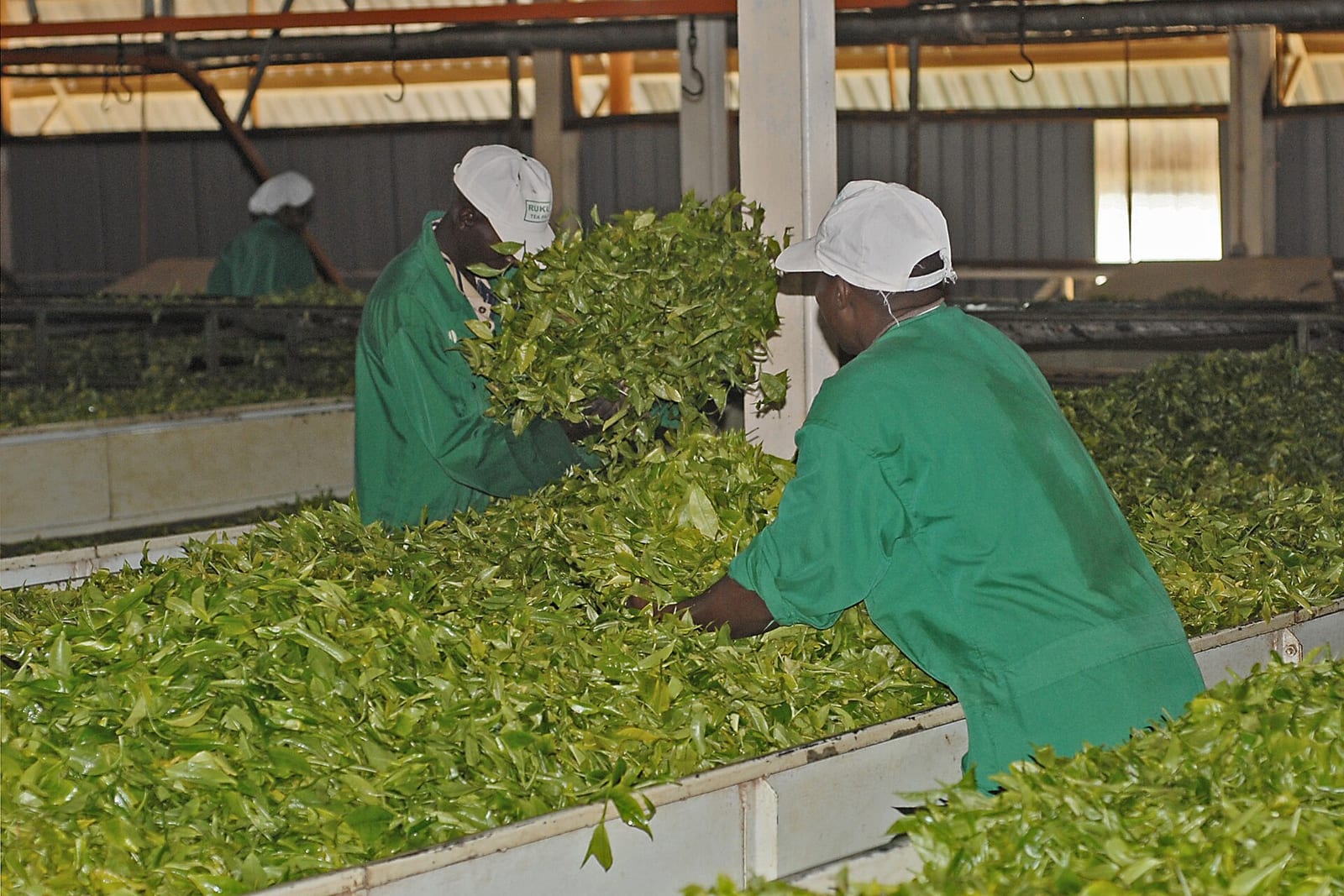
Withering is the controlled, even loss of water from fresh leaf. It can take place in sunlight, indoors or in a withering trough. It is not simply “drying”: the change in moisture alters cell membranes, enzyme activity and aroma precursors, preparing the leaf for shaking, oxidation or drying.
Why it matters
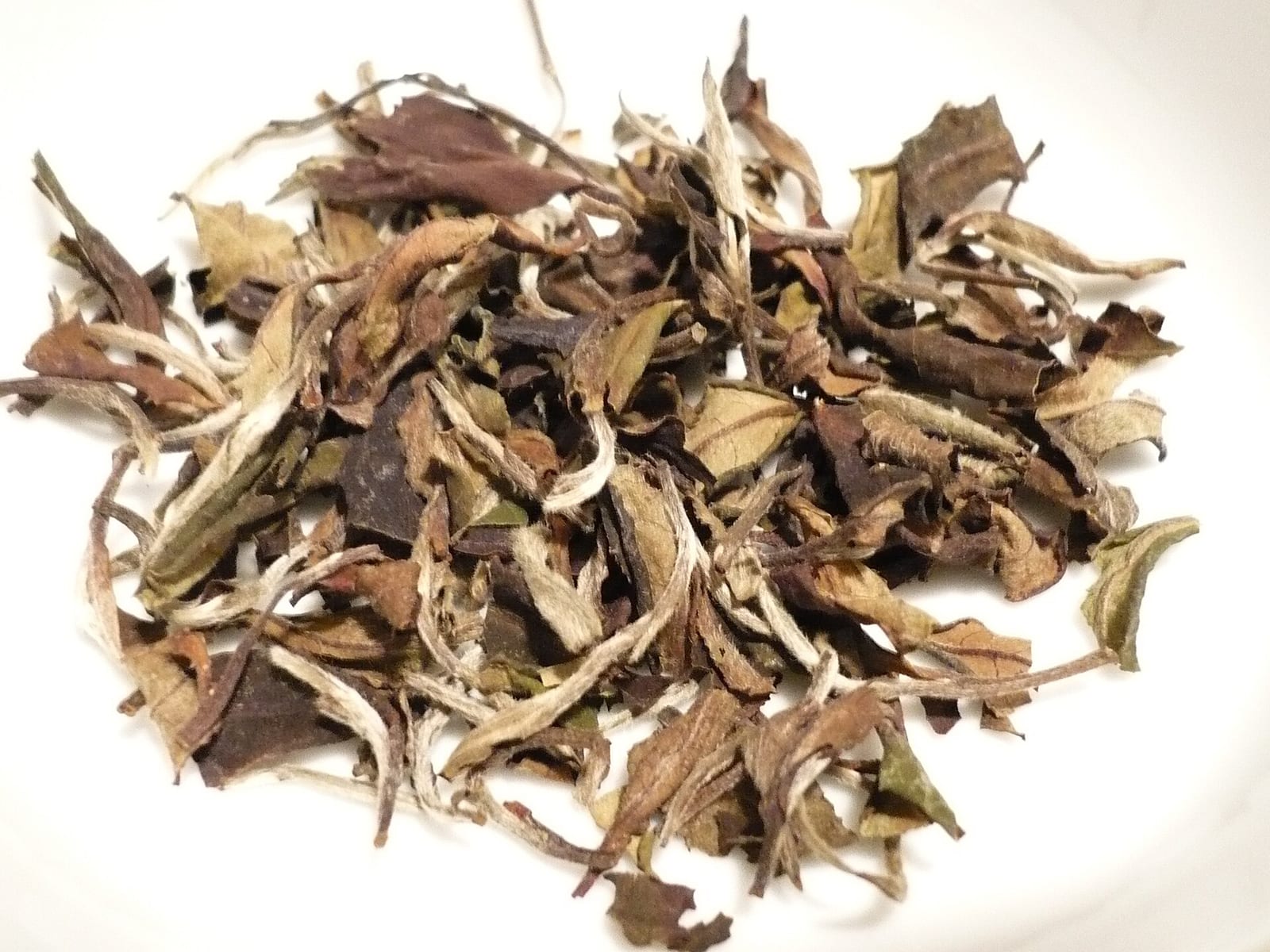
Water loss makes the leaf pliable and easier to shape, and promotes changes in amino acids, sugars and aroma compounds. White tea relies on withering for its sweet, downy character and pale liquor. Oolong uses withering before shaking; black tea uses it before oxidation. Insufficient withering can leave a grassy note, while excessive withering can reduce freshness and increase the risk of reddening.
Methods
- Sun withering: uses sunlight and airflow; faster, and may add a “sun” note, but strong direct sun can damage the leaf.
- Indoor withering: spreads leaf in a ventilated room; slower and easier to control.
- Combined withering: alternates sun and indoor conditions for efficiency and evenness.
- Withering trough: uses forced air and controlled temperature and humidity for larger production.
Leaf thickness, duration, temperature, humidity and turning frequency depend on the tea type, weather, leaf grade and equipment. No single number of hours applies to every batch.
Judging readiness
Properly withered leaf is soft, loses some surface sheen, and the veins still have some flexibility. The aroma shifts from green-grass to light floral or sweet notes. Time alone is not enough; check leaf condition, moisture and weather.
Common misconceptions
- Is withering just sun-drying? No. Sunlight is only one method; indoor and trough withering are also common.
- Is longer withering better? No. Excessive water loss can harm later processing and aroma.
- Do all teas wither the same way? No. White, oolong and black tea have different withering goals and degrees.
- Can withering replace shaking or oxidation? No. They are separate steps.
Sources
- GB/T 32743-2016 White tea processing technical specification — Chinese technical specification for white-tea withering and drying.
This page is an AI-edited translation based on the reviewed Chinese source. It is not a human-expert endorsement.