What it is
Pile fermentation is a key post-fermentation step in dark tea and ripe Pu-erh. Moistened maocha is piled under controlled temperature and humidity. Microbes, enzymes and heat act together, darkening the leaf, deepening the liquor and softening the taste. It is a post-fermentation process, not the enzymatic oxidation used in black tea.
Not black-tea oxidation
Black-tea oxidation mainly involves the enzymatic oxidation of tea polyphenols, producing theaflavins and thearubigins. Pile fermentation involves microbial communities and hydrothermal conditions, and the process is more complex. Both may be called “fermentation” in everyday language, but their mechanisms, goals and finished styles differ.
Process control
Pile fermentation requires control of leaf moisture, pile size, temperature, humidity and turning. Too much water, excessive heat or poor aeration can lead to mould, sourness or unwanted microbes; too little water slows transformation and can leave the tea coarse. Turning helps dissipate heat, aerate the pile and even out the process. Parameters vary with tea type, raw material, season and factory.
Quality and risk
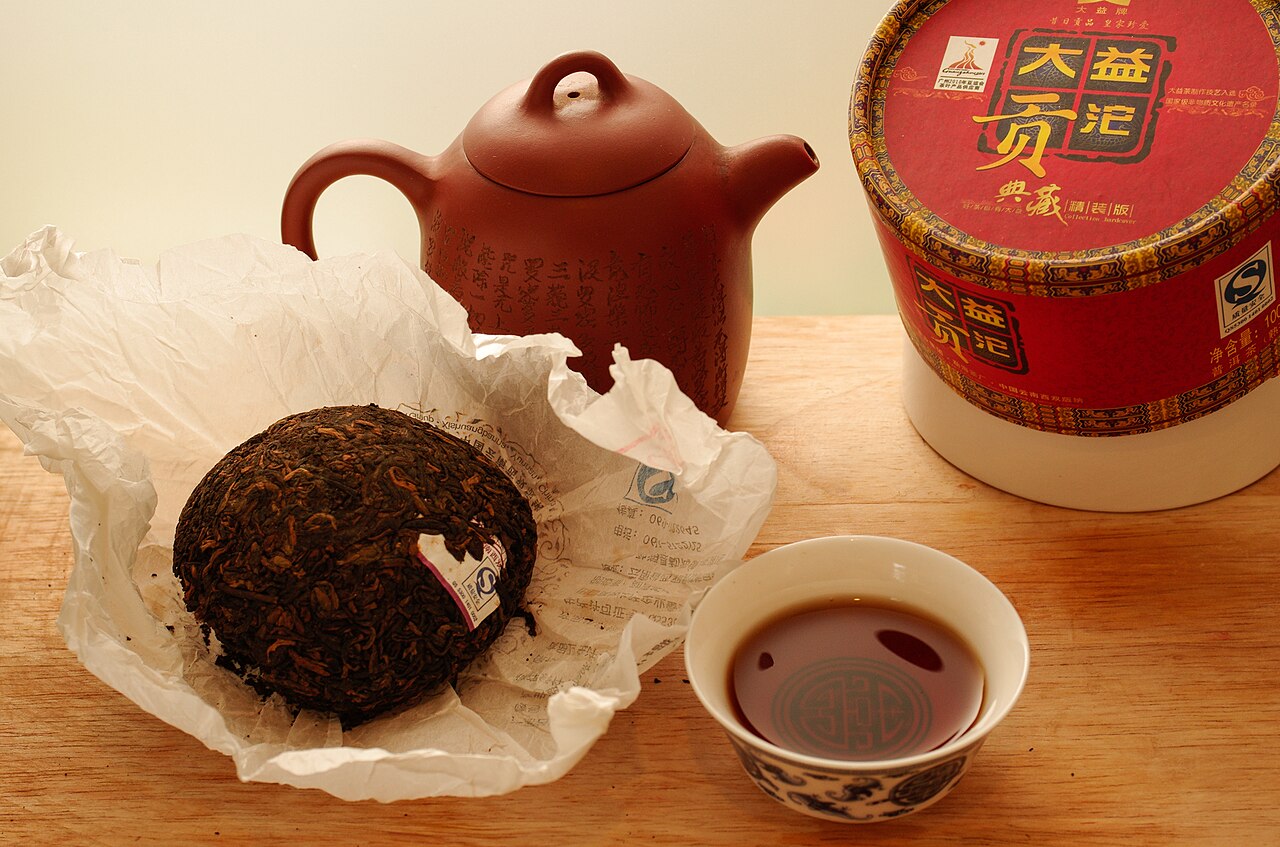
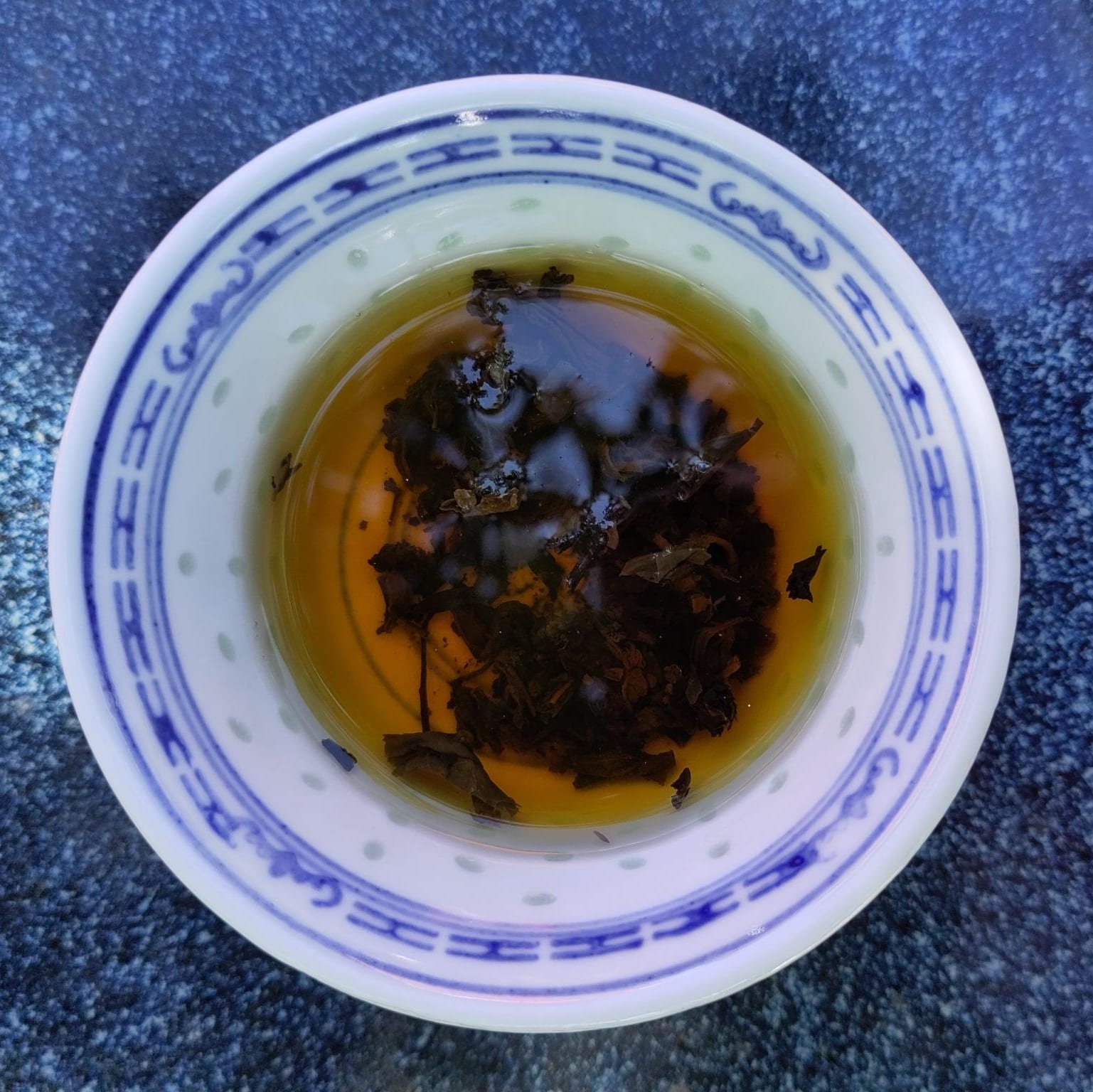
A well-fermented tea has a deep red to reddish-brown liquor, a mellow body and notes of age, wood, fungus or dates. Under-fermentation can leave green or bitter notes; over-fermentation can make the tea thin, sour or off. “Golden flowers” (the fungus Eurotium cristatum) are characteristic of some Fu brick teas, but not every pile-fermented tea has them, and more is not automatically better.
Common misconceptions
- Is pile fermentation the same as black-tea oxidation? No. Black tea is mainly enzymatic; pile fermentation involves microbes and heat.
- Do all dark teas undergo pile fermentation? No. Dark-tea processes differ; some emphasise pile fermentation, others pressing, fungal growth or long ageing.
- Is heavier fermentation better? No. Excessive fermentation can harm flavour and hygiene.
- Are golden flowers inevitable? No. They require specific products and conditions.
Sources
- GB/T 32719.1-2016 Dark tea — Part 1: Basic requirements — Chinese national standard for dark tea terminology, classification and general requirements.
- GB/T 22111-2008 Geographical indication product — Pu-erh tea — Chinese national standard for Pu-erh tea types and requirements.
This page is an AI-edited translation based on the reviewed Chinese source. It is not a human-expert endorsement.