Yunnan large-leaf is a variety and population name, not a synonym for ancient-tree tea; the leaves are large and high in polyphenols, suited to pu-erh, black and green tea, but processing decides the final cup.
The short answer
Yunnan large-leaf usually means the local populations and selected cultivars of Camellia sinensis var. assamica in Yunnan, including different types around Menghai, Fengqing and Lincang. Leaves are large and thick, buds are downy and polyphenols are high, suiting pu-erh, Dianhong black tea and green tea. It is not “ancient-tree tea”: ancient tree describes age and management, large-leaf describes botany and population. Mixing the two lets ordinary terrace tea be sold at ancient-tree prices.
Plants and populations
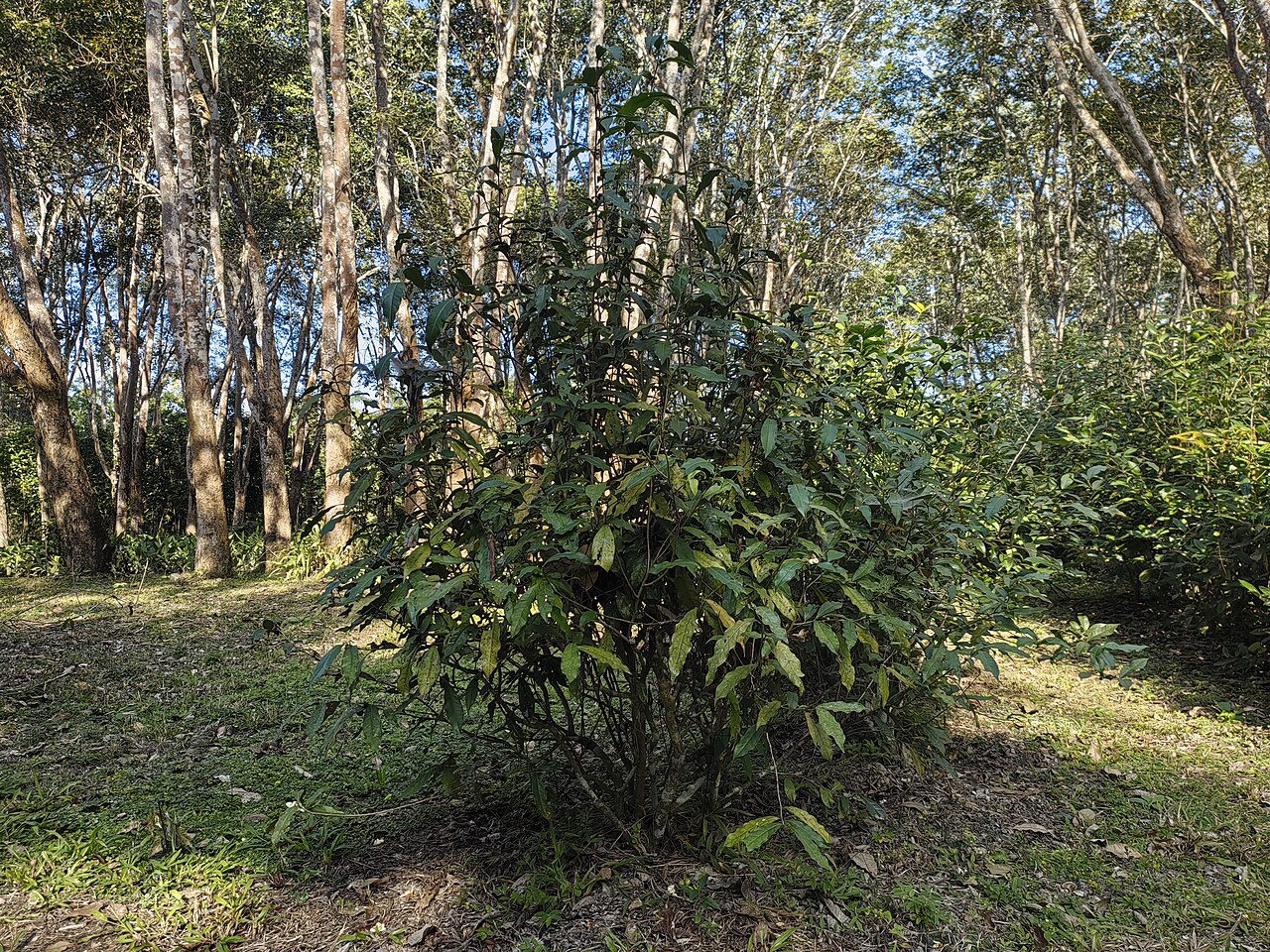
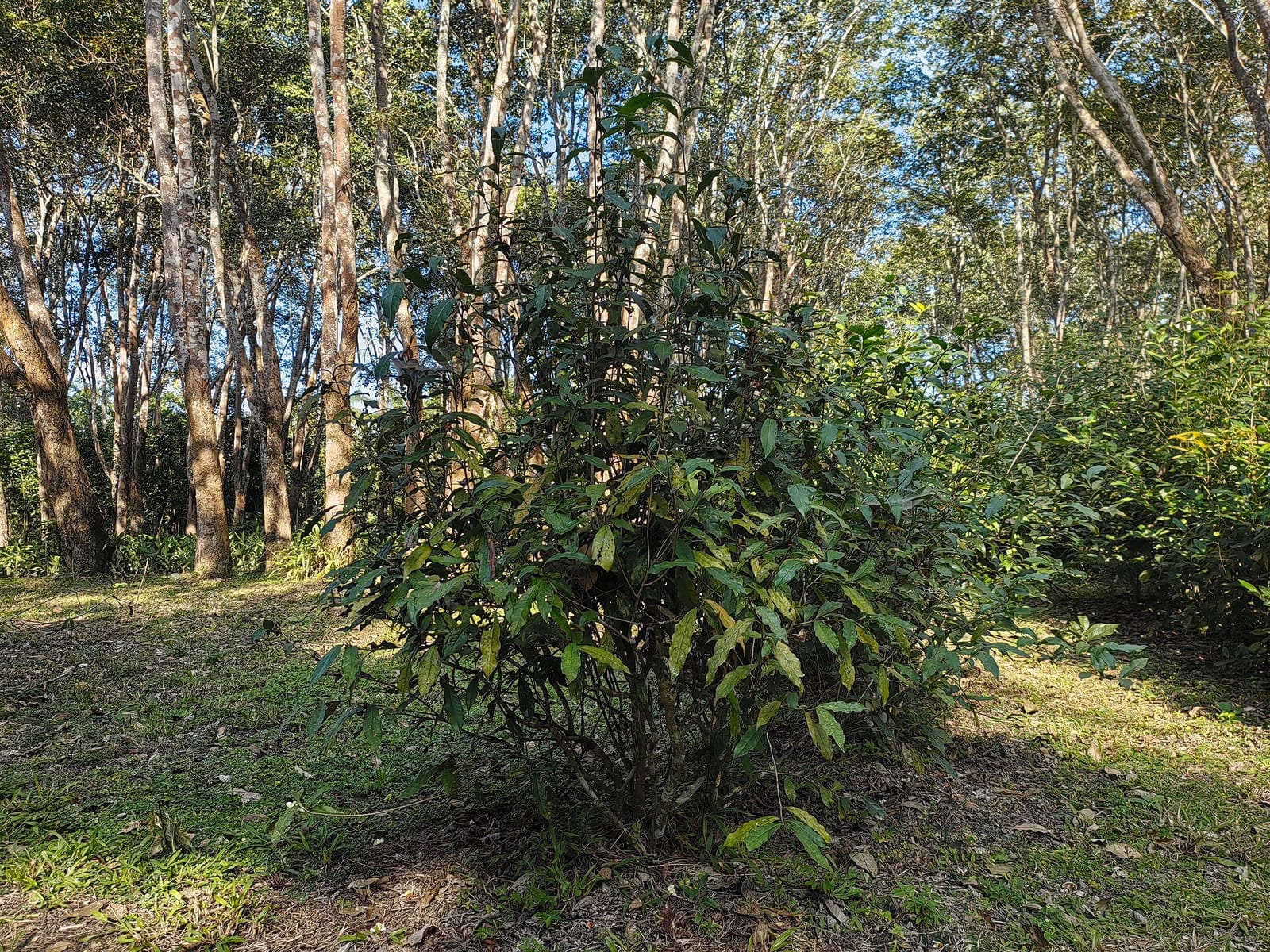
Most are small trees or trees with large, thick leaves, tapered tips, deep serration and downy buds. Local populations differ: some are aromatic, some thick-bodied, some bitter. Since the twentieth century, several clonal cultivars have been selected for dense gardens. Population and clone differ in leaf uniformity, yield and flavour stability.
Suitability and processing
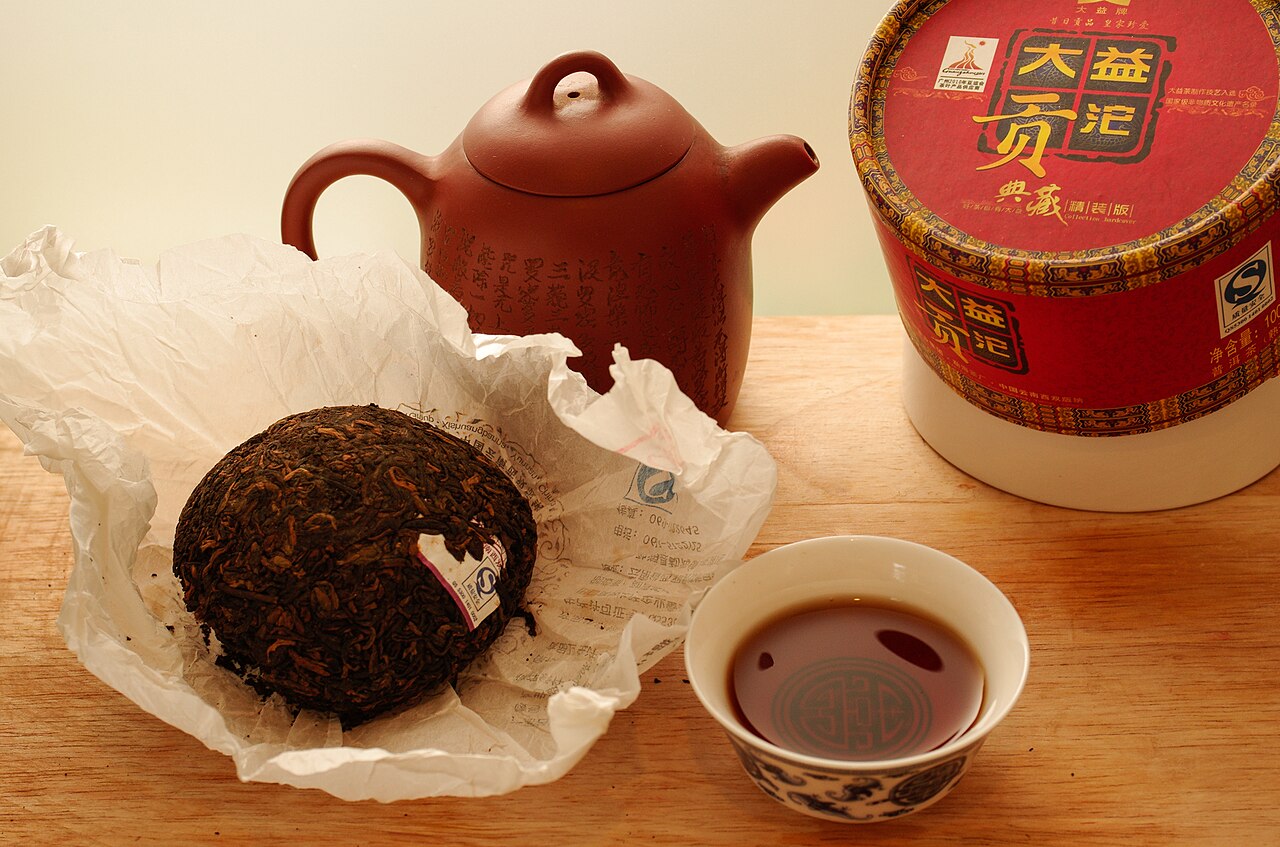
Large-leaf suits raw and ripe pu-erh, Dianhong and Yunnan green tea. Raw pu-erh is fixed, rolled and sun-dried, keeping enzymes for later change; ripe pu-erh is pile-fermented into a mellow, aged aroma; Dianhong is withered, rolled, oxidised and dried, with golden down and sweet aroma; green tea needs fast fixation to stop oxidation. One leaf, different routes, different tea.
Liquor and identification
Large-leaf tea is often strong, quick to sweeten and long-infusing, with honey, fruit, wood or aged aromas. Bitterness comes from cultivar and craft, and is not “tea energy”. Good raw pu-erh has bitterness that dissolves, a thick body and no stagnation; ripe pu-erh should be smooth without pile smell; Dianhong should be sweet and golden, not sour. Ancient-tree tea is often described as fine-textured and deep-throated, but age is only one variable; soil, altitude, picking and storage matter too.
Market and limits
Large-leaf is an ingredient description, not a grade; ancient tree is an age and management description, not a cultivar. Pu-erh GI rules govern origin and process, not a guarantee that every cake is ancient tree. Read origin, material, process, year and storage, not leaf size or the word “ancient”.
Large-leaf, ancient tree and terrace
Large-leaf describes botany and population; ancient tree describes age and management; terrace describes planting. They can overlap but cannot substitute: a terrace can grow large-leaf, and an ancient tree can be large-leaf. Ancient-tree prices come from scarcity, age, site and craft, not leaf size. For pu-erh, read material and process first, then year and storage; paying for the word “ancient” alone buys a story.
Bitterness and return
Large-leaf tea is high in polyphenols, so bitterness is obvious, but in good tea it dissolves quickly into sweetness and saliva; bitterness that stays and dries the tongue points to leaf, fixation or storage. Young raw pu-erh gets bitterness from cultivar and pan temperature; aged tea softens with time, but poor storage brings mould or sourness. Judge large-leaf by whether bitterness dissolves, whether the body is thick and the throat comfortable, not by strength alone.
Picking and grading
Large-leaf shoots are big, and the standard ranges from single bud to one bud with one, two or three leaves, depending on the tea. Raw pu-erh often takes one bud and two or three leaves, keeping stem and mature leaf for later change; Dianhong takes one bud and one or two leaves for golden down and sweetness; green tea takes younger shoots and needs prompt fixation. Too old gives coarse, bitter leaf; too young gives a thin, short-infusing cup.
Brewing
Raw pu-erh: 95–100°C, gaiwan or zisha, 1:20, quick early pours. Ripe pu-erh: boiling, 1:20, one rinse. Dianhong: 90–95°C, 1:50, 3–5 seconds. Large-leaf infuses long, but too much leaf makes it harsh. Aged tea can take longer; watch for storage off-flavours.
Misconceptions
Large-leaf is not ancient tree; bigger leaf is not better; and large-leaf is not only for pu-erh.