What it is
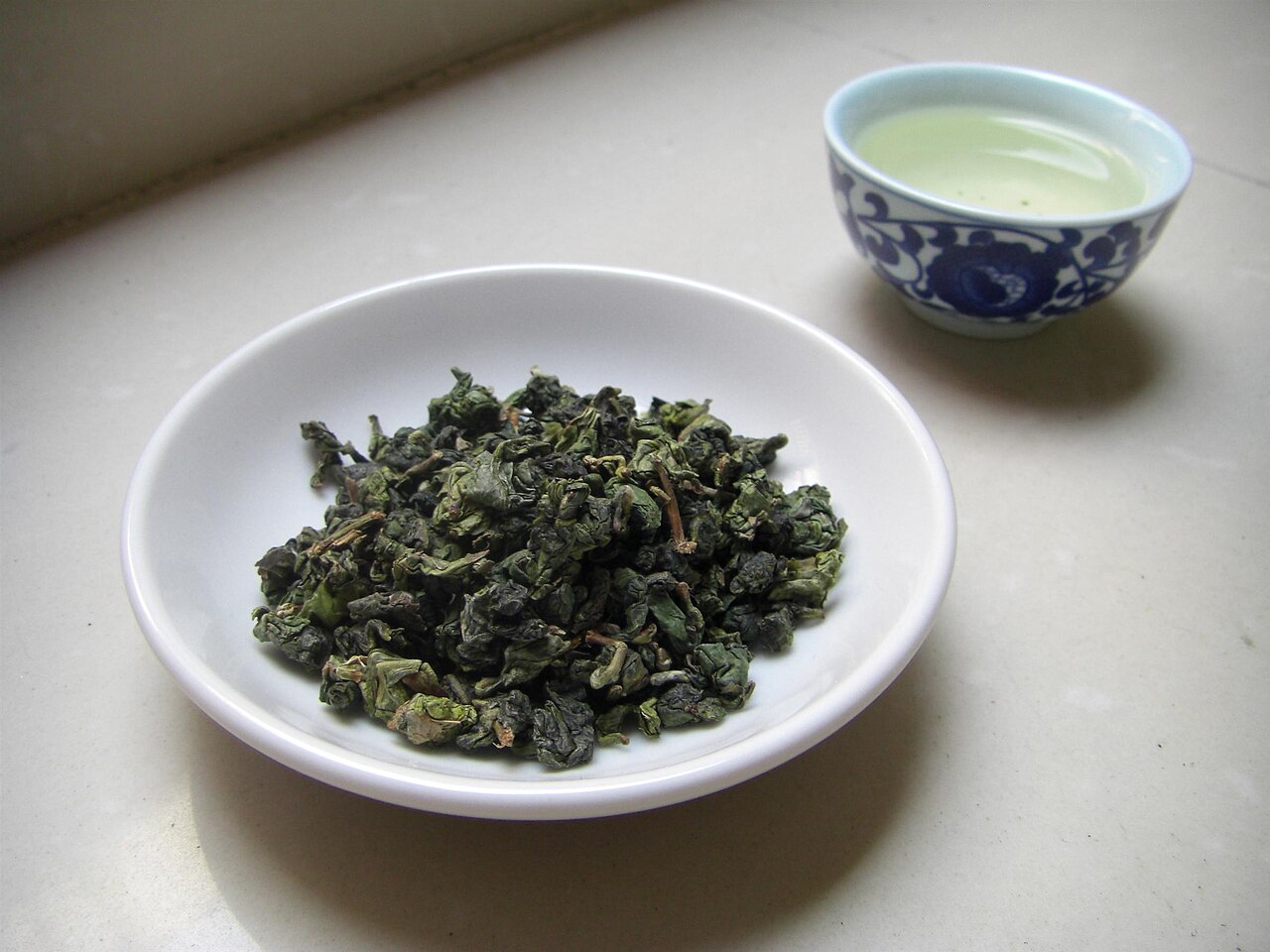
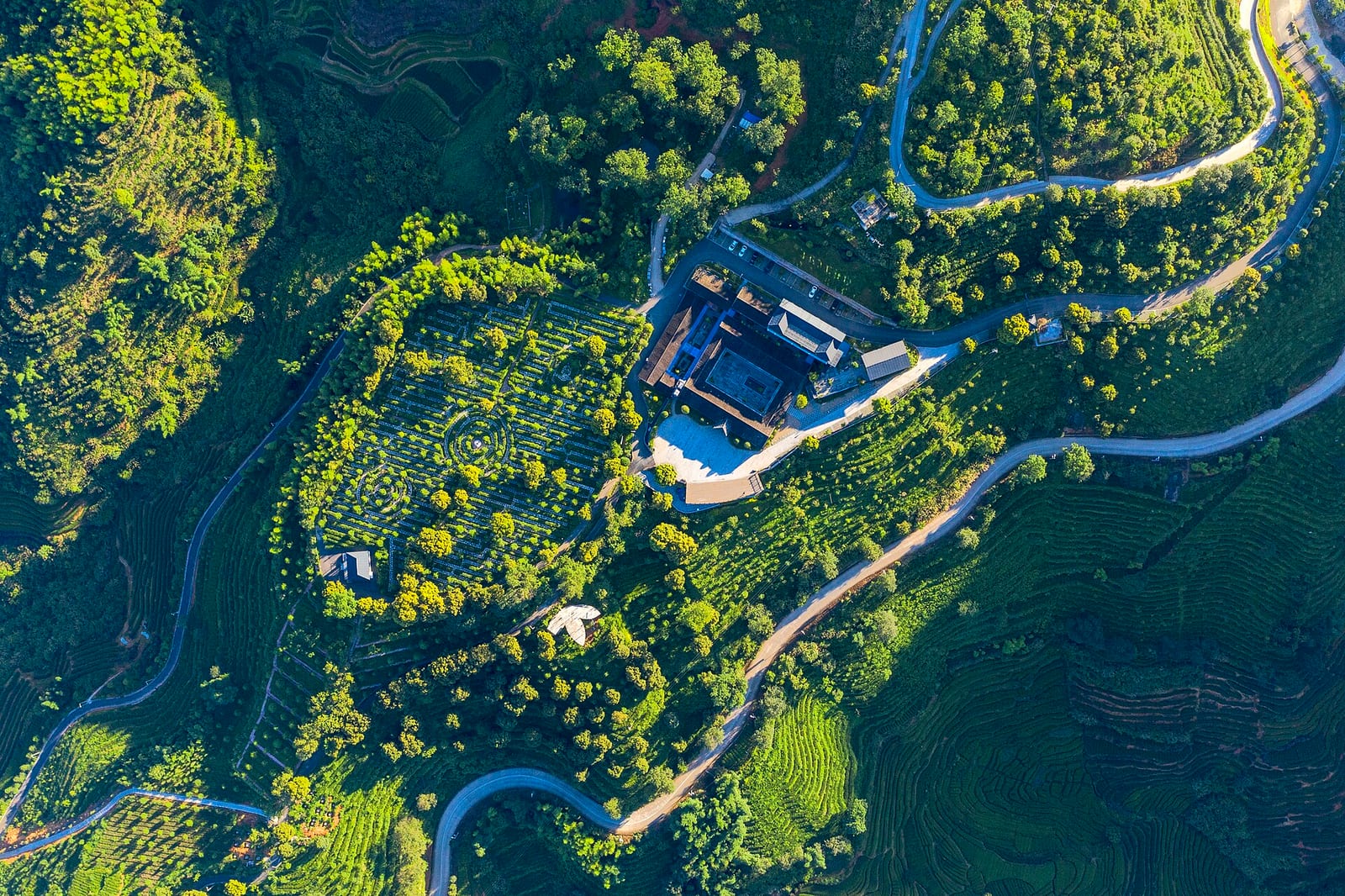
Meizhan is a clonal tea cultivar native to Yinding Mountain in Sanyang village, Lutian township, Anxi County, Fujian. It is a small tree with large leaves and a mid-season flush, recognised as a national cultivar in 1985 under GS13004–1985. The plant is upright with a clear trunk, sparse branching and long internodes, which is why growers call it “high-legged oolong”. Its leaves are long-oval, deep green, thick and brittle. It sprouts vigorously but loses tenderness relatively quickly, so plucking and withering need care.
Why “hundred transformations”
Meizhan has an unusually wide processing range. As oolong it develops a distinctive aroma; as black tea it is fragrant and full-bodied; as pan-fired green tea it is high-aroma and brisk; it can even be made into white tea with downy notes. Anxi growers call this “hundred transformations”. But versatility is not a guarantee of quality: oolong needs a tender pluck, heavier withering and light shaking; black and green tea require different oxidation and drying. The cultivar sets a ceiling; the process decides whether the cup reaches it.
Its place in Anxi
Meizhan is one of the six traditional famous teas of Anxi, alongside Tieguanyin, Huangdan, Benshan, Maoxie and Daye Wulong. It is adaptable and productive, and has been planted widely in southern and northern Fujian and in Guangdong. Wuyi Mountain also has a “Wuyi Meizhan” style, treated as a famous bush. Depending on origin and process, Meizhan can show floral, honeyed or spicy notes; there is no single fixed flavour profile.
Common misunderstandings
Meizhan does not mean “plum aroma”. The name comes from a local story about flowers shaped like plum blossoms and an aroma reminiscent of wintersweet, not from added plum flavouring. It is not a substitute for Tieguanyin either: Meizhan tends to be more direct and full-bodied, while Tieguanyin is judged by its “Guanyin charm” and finer withering. Some inexpensive “Meizhan” on the market is a blend; check cultivar, origin and process notes.
Brewing notes
For oolong, use water at 95–100°C, about 5–8 g per 100 ml, and pour quickly for the first infusions. Meizhan leaves are thick, so add 5–10 seconds if needed. For green tea, drop the water to 85–90°C so the aroma is not cooked. Older bushes or roasted versions benefit from a rinse and longer pauses between infusions.
What to check
Meizhan is often sold under the cultivar name, but blends exist. Ask whether the tea is single-cultivar, where it was grown, and what process it received. A “Meizhan” with no origin may be a blend of Anxi and Wuyi material. For oolong, check the roast level; for green or black tea, check the pluck season. The name alone does not fix the style.
Source boundary
This page relies on the Anxi County government and a Minnan Net local report. The cultivar number and morphology are checkable in public sources. Several versions of the naming story exist; this page keeps only the common “plum-blossom shape” motif and does not turn legend into fact.