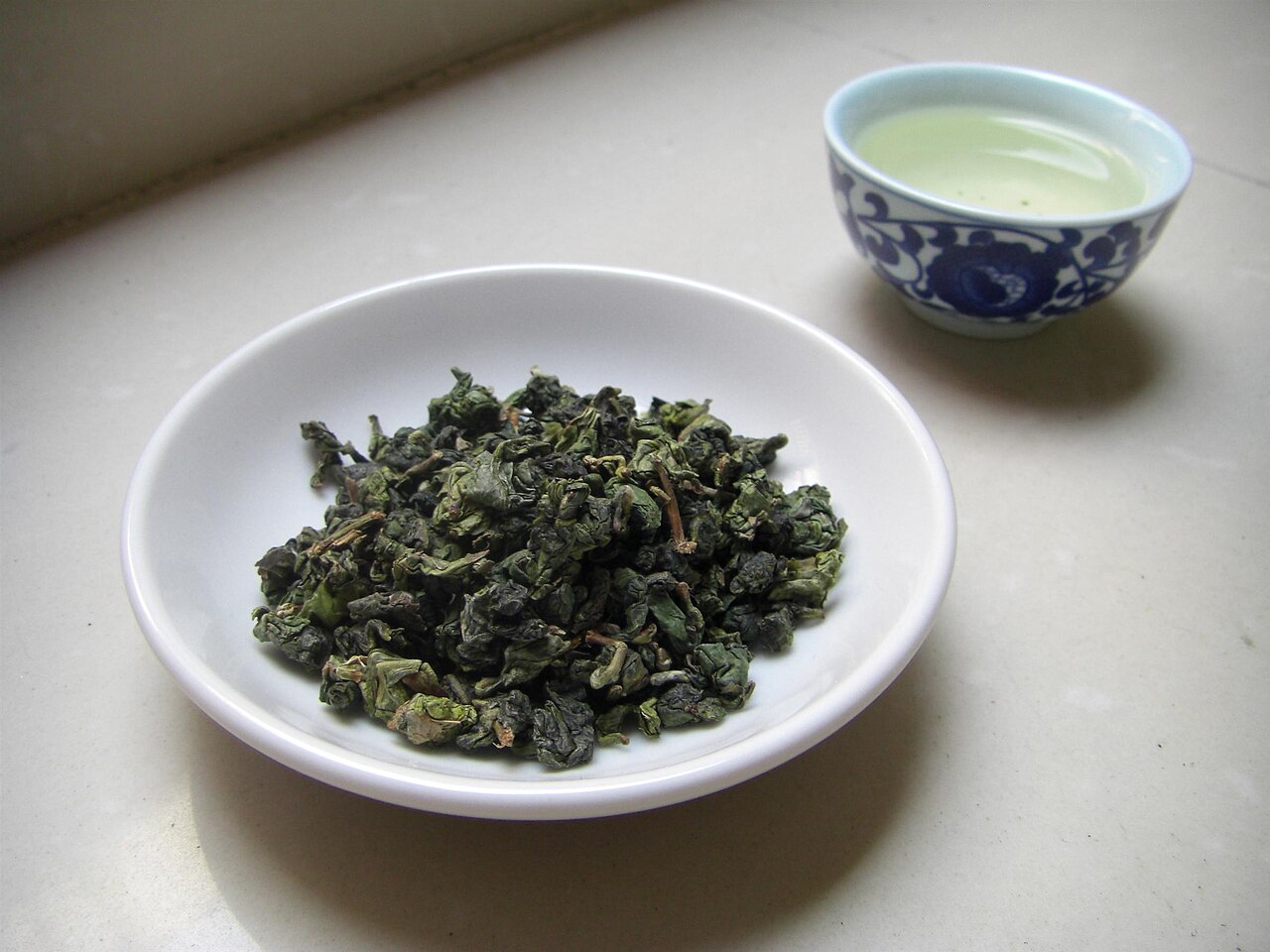
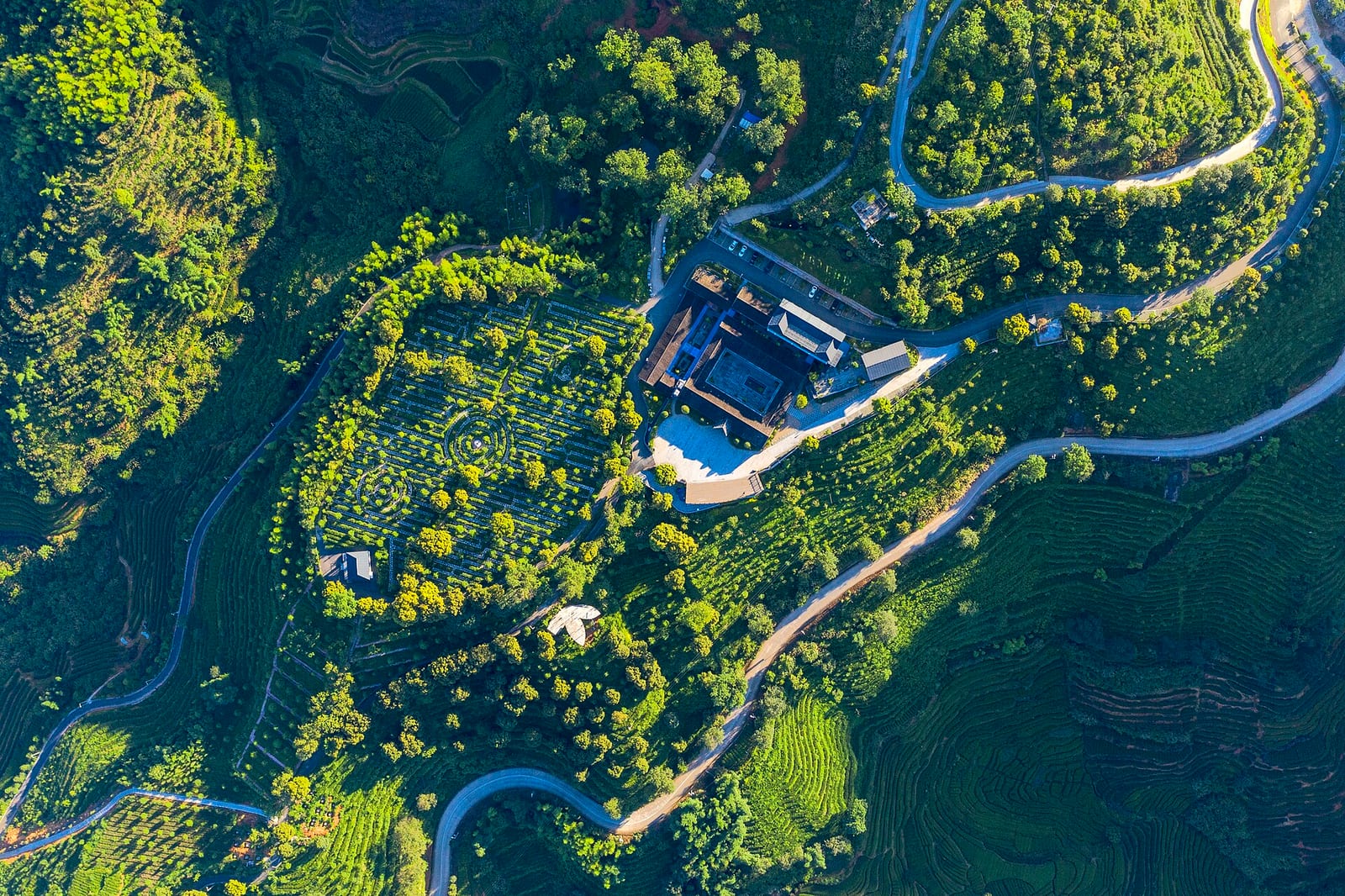
What it is
Huangjin Gui is a commercial tea name; the cultivar is Huangdan, also written Huangyan. It originated in Luoyan and Meizhuang, Huqiu township, Anxi County, Fujian. It is a clonal small-tree cultivar with medium leaves and an early flush, recognised as a national cultivar in 1985. The plant is semi-spreading with dense branching; its leaves are relatively thin and yellow-green, and it sprouts early and adapts widely.
“One early, two unusual”
“One early” means early sprouting, early plucking and early market arrival. Huangdan usually flushes in mid-to-late March, about ten days earlier than ordinary oolong cultivars and nearly twenty days earlier than Tieguanyin. “Two unusual” refers to appearance and inner quality: the rolled strips are fine, even and yellow-green; the aroma is high and lasting, often described as osmanthus, gardenia or pear, hence “sky-piercing fragrance” and the saying that one knows Huangdan by its aroma alone.
How it is made
Huangjin Gui follows the southern Fujian oolong process, but Huangdan leaves are thin, with large stomata and rapid water loss. Withering and shaking must be light to preserve the green leaf and avoid fast reddening; fixation should be short but thorough; rolling should be light and quick; baking should not be too hot, so the high aroma survives. The cultivar can also be made into black or green tea, but the product name should follow the actual process, not the word “Huangjin Gui”.
Common misunderstandings
The osmanthus-like aroma comes from cultivar and process, not from added osmanthus flavouring, and not every tea with “Gui” in its name is Huangjin Gui. Some cheap products blend other cultivars: the aroma may be loud but the body thin. Another confusion is to treat “Huangdan” as “yellow tea”; Huangdan is a cultivar, not a tea category.
Brewing notes
For oolong, use 95–100°C water, 5–7 g per 100 ml, and pour quickly in the first infusions. The aroma is high but the leaf is thin, so a long closed steep easily turns bitter. For green tea, use 85–90°C and do not apply oolong parameters.
What to check
Ask for the cultivar name (Huangdan), the origin and the pluck season. Early spring Huangdan is prized for aroma; a later pluck can be flatter. If the package uses “Huangjin Gui” but gives no cultivar, origin or process, the name may be a marketing label. For oolong, a very green style and a roasted style are different products; for green tea, do not judge it by oolong aroma standards.
Source boundary
This page relies on the Anxi County government and a Paper science article. The “Wang Dan brought tea seedlings” origin story is local narrative; the cultivar number, flush timing and processing use are publicly checkable. Aroma descriptors are sensory conventions, not chemical test results.