Conditions
Pu-erh ageing requires relatively stable temperature, humidity, some airflow and a clean environment. Common guidance is about 20–30°C, 50–70% relative humidity, darkness, no strong drafts and no odours. Conditions vary with region, tea type and storage goal; a single set of numbers should not be treated as the only correct standard.
Not simply older
Ageing is the result of raw material, processing, moisture content and storage. A tea with weak material, a processing fault or poor storage will not necessarily improve with time. Dampness, mould, odours or pests can ruin a cake. Warm, humid storage may speed transformation but also increases mould risk.
Dry and wet storage
“Dry storage” and “wet storage” are market terms, not a unified standard. Relatively dry, ventilated and clean storage is often preferred; excessive humidity with poor airflow can produce mould, cellar or off notes. Whichever style is used, cleanliness, absence of off-odours and traceability are the baseline.
Observation and handling
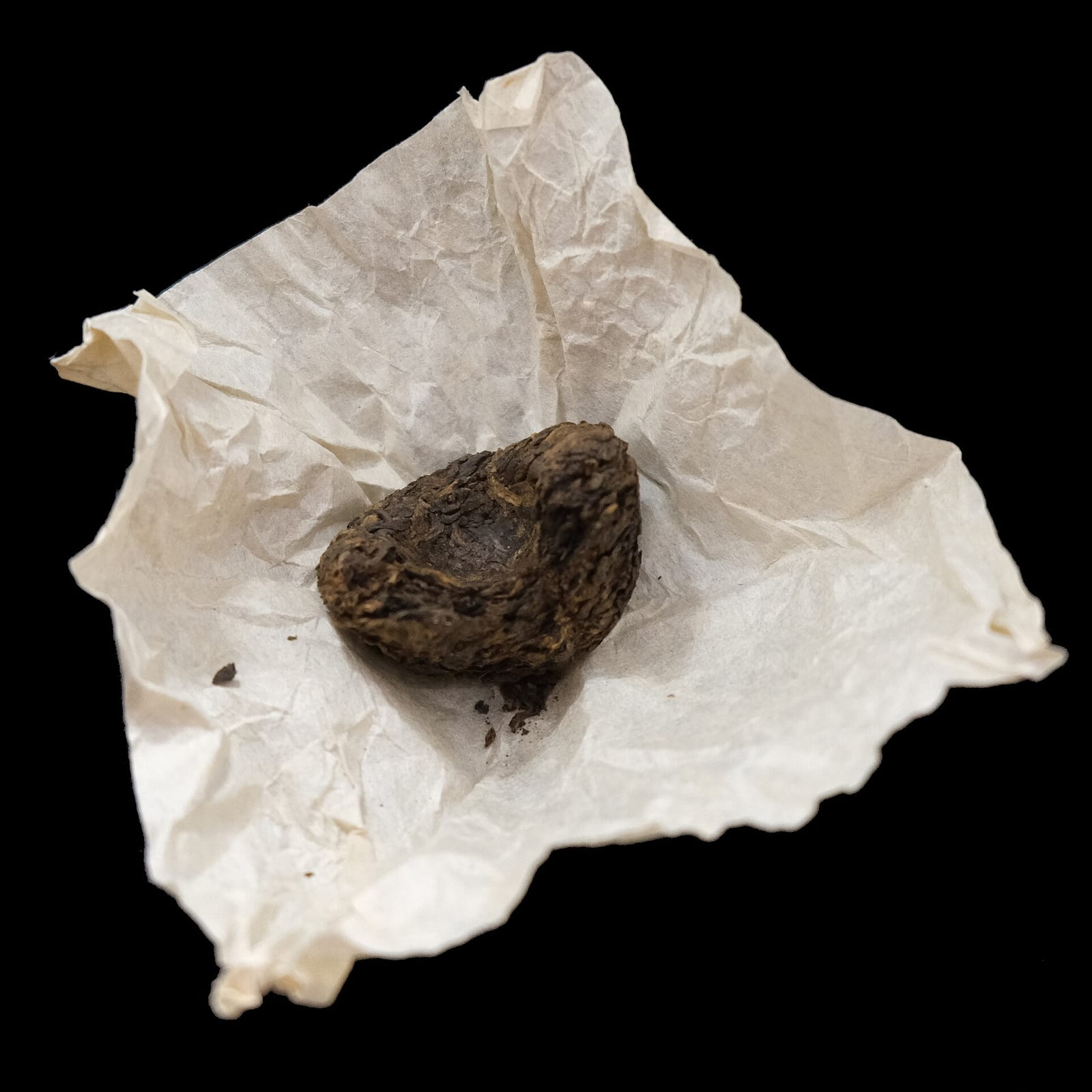
Check moisture, aroma and signs of mould periodically. Avoid opening the container or turning the tea too often, as humidity swings and odours can enter. Compressed and loose tea, raw and ripe tea, age at different rates; no single timetable applies to all.
Common misconceptions
- Does Pu-erh always improve with age? No. Storage and raw material determine the outcome.
- Is wet storage always bad? Not a simple binary; cleanliness, mould and off-odours are the key issues.
- Does an older vintage always mean higher quality? Market age does not equal quality; traceable storage and testing matter.
- Is every Pu-erh suitable for long ageing? No. Material, processing and moisture content determine ageing potential.
Sources
- GB/T 22111-2008 Geographical indication product — Pu-erh tea — Chinese national standard for Pu-erh tea types and requirements.
This page is an AI-edited translation based on the reviewed Chinese source. It is not a human-expert endorsement.