What it is
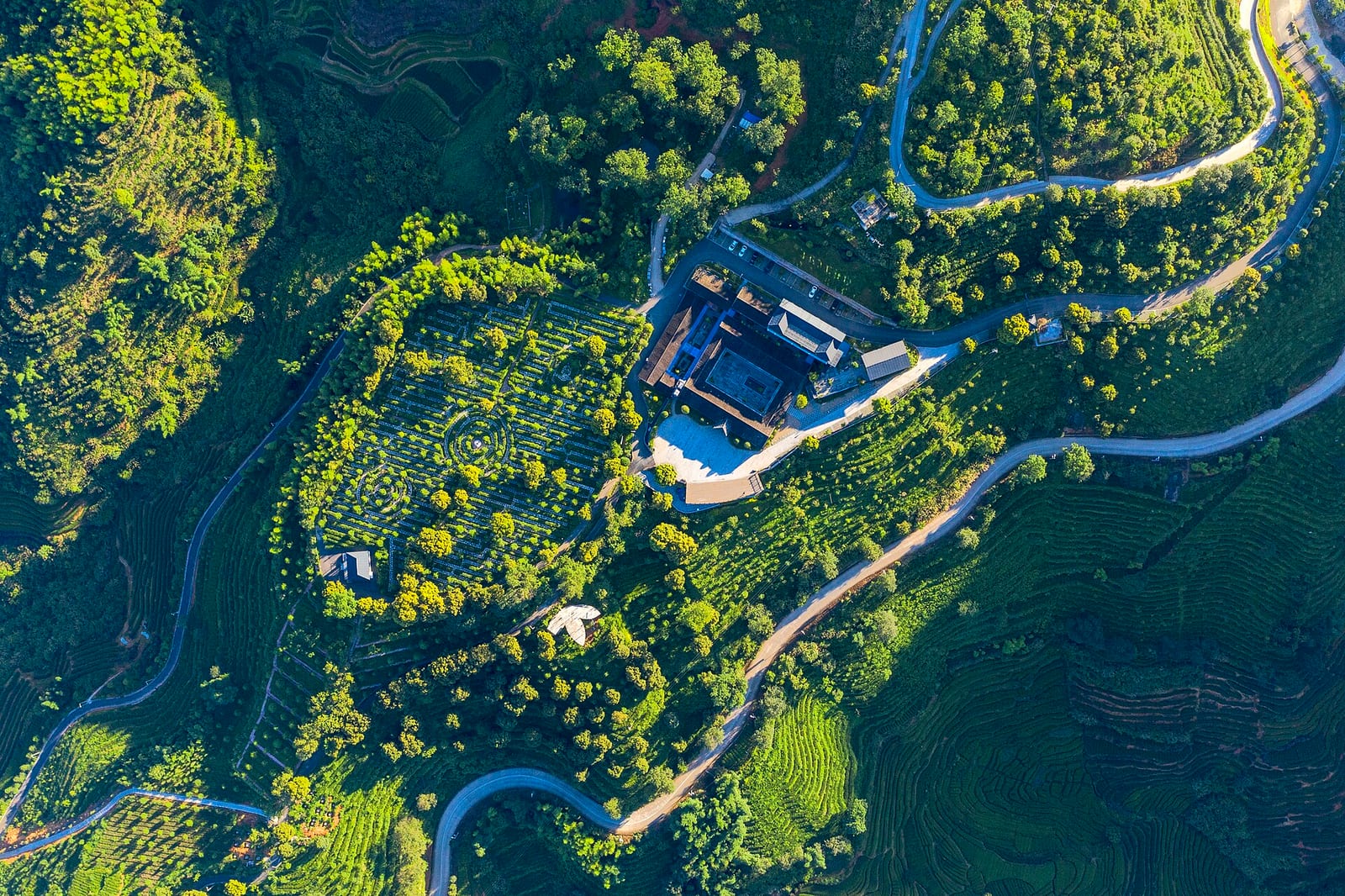
Zhenghe Dabaicha is a clonal tea cultivar native to Tieshan, Zhenghe County, Fujian. It was recognised as a national cultivar in 1985 under the number GS13005–1985. The plant is a small tree with large leaves and a late-ripening habit; it grows upright, branches sparsely, and produces stout, very hairy buds. It sets little or no seed, so propagation is mainly vegetative.
Why it suits white tea
Zhenghe Dabaicha is one of the main cultivars behind Zhenghe white tea. Its fat buds and dense trichomes give Silver Needle a straight, silvery appearance; for White Peony, the bud-and-leaf pluck yields both downy aroma and floral notes. The same cultivar can also make Zhenghe congou black tea and green tea: the black tea is full-bodied with visible golden hairs, while the green tea tends to be deeper in taste than a delicate spring green. A cultivar can be versatile, but the final style is set by plucking standard and processing, not by the cultivar name alone.
How it differs from Fuding Dabaicha
Both are “Dabaicha”, but they are different cultivars. Fuding Dabaicha originates in Diantou, Fuding, ripens early and is known for high amino-acid content and a fresh, light profile. Zhenghe Dabaicha ripens late, has stouter buds and relatively higher polyphenols, giving a fuller, deeper cup. Silver Needle is traditionally divided into a “northern route” (Fuding) and a “southern route” (Zhenghe) style. “Silver Needle” alone does not tell you the cultivar or the origin.
Common misunderstandings
“Zhenghe Dabaicha” is a cultivar name, not a synonym for “Zhenghe white tea”, and not every Zhenghe white tea is made from it. Producers may also use Fu'an Dabaicha or local populations. When buying, check the product standard, origin, pluck year and grade rather than relying on the words “Zhenghe” or “Dabaicha”.
Brewing notes
For Silver Needle and White Peony, use water at about 90–95°C and avoid a long, closed steep. Zhenghe buds are stout, so they can take slightly more time than a very fine bud tea. For black or green versions, follow the parameters for that type; do not apply white-tea brewing to every Zhenghe tea.
What to check
When buying, ask for the cultivar and the origin, not only “Zhenghe Silver Needle”. A product standard may name the cultivar; a loose label often does not. Freshness matters more than the word “Dabaicha”: white tea loses its downy freshness with age, while black tea from the same cultivar may be intentionally aged. If the seller cannot say whether the tea is from Zhenghe or Fuding, treat the origin claim as unverified.
Source boundary
This page relies on Zhenghe News and the Fujian provincial government portal for origin, cultivar number and processing use. Published accounts differ on whether the cultivar was discovered in 1879 or during the Xianfeng era; both are noted here rather than reduced to one certain year.